

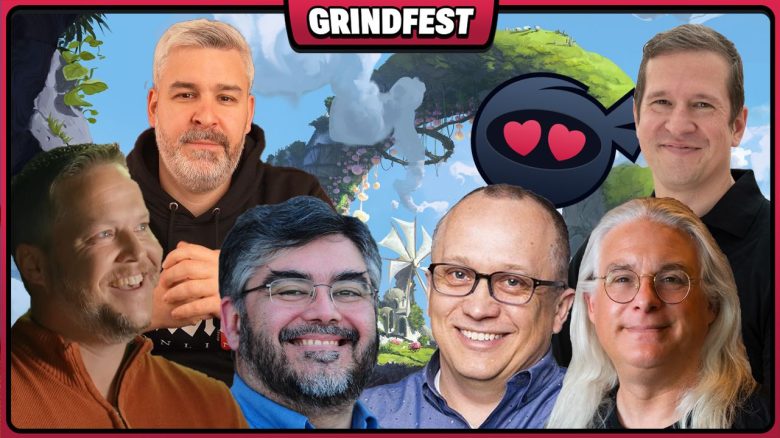
Seit vielen Jahren schon warten Genre-Fans darauf, dass mal wieder ein MMORPG erscheint, das so richtig begeistern kann. Beim Grindfest 2026 lassen wir 6 namhafte Branchen-Veteranen zu Wort kommen, die aktuelle Herausforderungen der MMO-Entwicklung analysieren.
Die Geschichte der MMORPGs ist lang und wurde gleichermaßen von Siegern und Verlierern geprägt. In der vergangenen Dekade gab es aber leider mehr Enttäuschungen und Niederlagen, oder anders formuliert: MMORPGs mit krassen Fehlstarts, noch in der Entwicklung eingestellte Projekte, fragwürdige Experimente mit Krypto/NFT-Modellen, schwierige Pay2Win-Bezahlmodelle oder auch deprimierend unfertige MMO-Tests.
Die wenigen erfreulichen Erfolge der vergangenen Jahre lassen sich indes an einer Hand abzählen. Doch warum ist das eigentlich so? Warum fällt es selbst erfahrenen Teams heutzutage so schwer, ein MMORPG zu veröffentlichen, das gleichermaßen erfolgreich sein und begeistern kann? Und wie lassen sich die heutigen Herausforderungen der MMO-Entwicklung meistern?
Genau mit diesen Fragen sind wir für unsere Grindfest-Themenwoche 2026 auf diverse Branchen-Veteranen zugegangen, die das Genre mit ihren Spielen seit Dekaden prägen und auch in Zukunft weiterhin prägen möchten. Und sie haben geantwortet!
Zu Wort kommen – in alphabetischer Reihenfolge: Benjamin Zuckerer (CipSoft – Tibia, Persist Online), Greg Street (ehemals WoW, LoL-MMORPG und Project Ghost), Jack Emmert (Cryptic – Star Trek Online, Neverwinter, Champions Online), Moritz Bokelmann (Sandbox Interactive – Albion Online), Raph Koster (ehemals Ultima Online, Star Wars Galaxies – jetzt: Stars Reach) und Rich Lambert (Studio Game Director bei Zenimax Online – Elder Scrolls Online).
In dieser Woche erwarten euch jeden Tag spannende Artikel rund um das Thema MMORPG. Mit dabei: nostalgische Rückblicke, spannende Analysen namhafter Branchen-Veteranen, Ausblicke auf kommende Online-Rollenspiele und launige Streams.
Hier geht’s zum Programm zur großen MMORPG-Themenwoche 2026 von MeinMMO
MMORPGs müssen „unbekannte Monster sein“
MeinMMO: „Früher war alles ein Abenteuer, heute ist es ein zweiter Job.“ Die Erwartungshaltung der Spieler hat sich massiv gewandelt. Während früher das gemeinsame Erkunden und die Community im Vordergrund standen, dominieren heute Effizienz, Min-Maxing und „Guides am ersten Tag“. Wie stark schränkt dieses veränderte Spielerverhalten das klassische MMORPG-Gefühl ein, und wie reagiert man als Entwickler darauf?
Benjamin Zuckerer: Ich glaube nicht, dass man das Rad zurückdrehen kann. Informationen verbreiten sich heute innerhalb von Minuten. Guides, Builds und Optimierungsstrategien sind Teil der modernen Spielekultur geworden. Die Frage ist deshalb: Wie schafft man trotzdem Abenteuer?
Aus meiner Sicht gelingt das nicht, indem man Informationen versteckt, sondern indem man Situationen schafft, die sich nicht vollständig vorhersagen lassen. Deshalb setzen wir bei Persist Online stark auf Spielerinteraktion. Wenn ich eine gefährliche Zone betrete, weiß ich zwar vielleicht, welche Gegner dort spawnen. Ich weiß aber nicht, ob ich auf eine feindliche Gilde treffe, ob jemand meinen Loot stehlen möchte oder ob aus einer zufälligen Begegnung eine Allianz entsteht.
Genau dort entstehen Geschichten. Der wahre Reiz von MMORPGs lag für mich nie ausschließlich darin, ein unbekanntes Monster zu entdecken. Er lag immer in den unvorhersehbaren Geschichten, die durch andere Spieler entstehen. Das zeigt Tibia seit Jahrzehnten und genau deshalb verfolgen wir bei Persist Online einen sehr stark spielergetriebenen Ansatz.

Benjamin Zuckerer ist seit knapp 20 Jahren bei CipSoft und hat sich dort über verschiedene Positionen hinweg hochgearbeitet. Heute teilt sich Ben mit Stephan Vogler die Geschäftsführung und überwacht als Produktmanager die Entwicklung von Persist Online.
Unter der Führung von Zuckerer und Vogler verzeichnete CipSoft die stärksten Jahre seit Firmengründung im Jahr 2001.
Mit Persist Online arbeitet das Team aktuell am ersten neuen MMORPG seit Tibia, das unter anderem DayZ und Escape from Tarkov zu seinen Inspirationsquellen zählt.
Greg Street: Ich stimme zu, dass das die Dinge stark verändert. Es bringt einem Spieler kaum Spaß, zu experimentieren oder Theorie-Crafting zu betreiben, um den besten Build zu finden, wenn diese Antworten alle schon bekannt und gelöst sind.
Die beste Lösung ist es, die Antworten stark situationsabhängig zu machen. Dieser Build ist vielleicht der beste für Boss 2, aber schwächer bei Boss 3 – und übrigens: Was ist, wenn man sich nicht darauf verlassen kann, dass Boss 3 sich jedes Mal gleich verhält? Je mehr sich das Endgame wieder auf statischen Single-Target-DPS gegen einen „Lebenspunkte-Schwamm“ konzentriert, desto einfacher ist es, diese Antworten zu protokollieren und per Modell zu berechnen.
Man sollte einen Ansatz wie in Diablo in Betracht ziehen: Es gibt zwar vielleicht ein bestes Item für viele Situationen, aber es gibt so viele Gegenstände, dass man nicht einfach fest darauf planen kann, wann man dieses Best-in-Slot-Item bekommt. Varianz spielt hier eine große Rolle. Ich denke, viele Spieler gehen mit der Mentalität an Beute heran, dass alles Schrott ist, bis sie ihr Best-in-Slot-Teil haben, und sie erwarten berechtigterweise, dass sie es nach ein paar Versuchen auch bekommen.
Greg Street hat sein Project Ghost bereits in einer frühen Prototyp-Version den MMO-Fans vorgestellt:
Jack Emmert: Ich denke, wie immer ist es entscheidend, sich darauf zu konzentrieren, was die Spieler wollen. Wenn Spieler min-maxen wollen – also gut informierte Entscheidungen über ihre Builds treffen möchten –, dann sollte ich als Entwickler dafür sorgen, dass sie das im Spiel tun können, ohne dafür erst auf YouTube, Discord oder andere Plattformen zurückgreifen zu müssen.
Ich würde auch hinzufügen, dass der heutige Markt einem Spiel keine Stunden mehr gibt, bevor eine Entscheidung getroffen wird – wenn das Spiel nicht innerhalb von 15 Minuten Spaß macht, zieht man weiter zum nächsten Spiel. In den frühen MMOs lautete das Motto noch: „Das Spiel fängt erst im Endgame an“ – manchmal erst nach 100 Stunden! Das ist heute einfach nicht mehr machbar. Die Spieler haben das damals in Kauf genommen, weil es die einzige Möglichkeit war, mit anderen Leuten zusammen zu spielen. Und heute? Gefühlt jedes Spiel ist ein Multiplayer-Spiel.
Wer ein konkurrenzfähiges MMORPG entwickeln möchte, muss viele Jahre Entwicklung einplanen und mit einem AAA-Budget rechnen. Das war vor 20 Jahren so, das hat sich bis heute nicht geändert.
Was sich ganz allgemein jedoch verändert hat: Die Entwicklung von großen AAA-Spielen dauert zunehmend länger und wird sukzessive teurer. Hat ein Star Wars: The Old Republic in den 2010er-Jahren schon krasse 300 Millionen US-Dollar gekostet, würde ein vergleichbar ambitioniertes Projekt heute wahrscheinlich das Doppelte verschlingen.
Raph Koster: Ich denke, wir müssen einen Schritt zurücktreten und die Veränderungen nicht einfach so hinnehmen, wie sie oberflächlich erscheinen. Warum wird alles von Effizienz und Min-Maxing dominiert? Das Phänomen von Guides und Spieleberatern ist nicht neu, das gab es schon seit den MUD-Zeiten; die Entwicklung betrifft eher das schiere Volumen und den kinderleichten Zugang dazu.
Ich glaube, die Antwort lautet FOMO [Anm.: Fear of Missing Out / Die Angst, etwas zu verpassen] – die Leute spüren einen Konkurrenzdruck; sie haben das Gefühl, ihre Spielzeit zu „verschwenden“, wenn sie nicht Schritt halten oder auf einem bestimmten Niveau abliefern.
Bis zu einem gewissen Grad wird das sicher von anderen Spielern befeuert, die ihnen das einreden – vermutlich, weil das Finden von Gruppen oder Gilden bestimmte Rüstungssets oder Ähnliches voraussetzt, was sich dann in einer positiven Feedbackschleife verselbstständigt.
Raph Koster hat uns im Zuge des Grindfests 2026 übrigens sein neues MMO Stars Reach gezeigt und viele unserer Fragen beantwortet:
Und warum verlangen Gruppen oder Gilden nach bestimmten Rüstungssets? Wahrscheinlich, weil das Gameplay, an dem die Gilden teilnehmen, es erfordert. Indem man Gilden beispielsweise in puncto Raid-Effizienz oder durch ähnliche Mechaniken miteinander konkurrieren lässt.
Und wir müssen uns vor Augen halten, dass viele Menschen diesen Druck nicht ständig wollen. Viele wollen einfach einen gemütlichen Rückzugsort mit weniger Druck oder ein unterhaltsames Beisammensein im Sinne einer entspannten „Friendslop“-Runde, ganz ohne den Fokus auf Min-Maxing [Anm.: „Friendslop“ beschreibt es eine lockere, anspruchslose, aber unterhaltsame Gaming-Runde mit Freunden]. Ein MMO muss nicht nur eine einzige Facette bedienen – es ist eine ganze Welt.
Was ich damit sagen will: Menschen sind immer noch Menschen. Aber Anreize prägen das Verhalten von Spielern in einem Spiel oder einer Online-Welt enorm.
Unser allgemeiner Ansatz ist es, diese Spielweisen rein optional zu gestalten. Man sollte nicht das Gefühl haben, min-maxen zu müssen, es sei denn, man möchte das Spiel genau so erleben. Und wir setzen stark auf prozedurale Generierung und Emergenz, damit Guides weniger feste Anhaltspunkte haben und die Welt immer noch ein Geheimnis bleibt.

Rich Lambert: Ich weiß nicht, ob ich zustimmen würde, dass sich die Mentalität der Spieler so sehr verändert hat. Spieler waren schon immer fasziniert von Min-Maxing und Optimierung. Selbst in den Anfängen des Genres – zum Beispiel in The Realm, Ultima Online oder EverQuest – gab es Guides für Effizienz, die „besten“ Builds und die optimalen Wege, um voranzukommen … man musste nur wissen, wo man sie findet.
Was heute anders ist, sind die Geschwindigkeit und das Ausmaß. Durch öffentliche Testphasen, Previews, Early Access und die Creator-Kultur existieren viele dieser Informationen bereits, bevor ein Spiel oder ein Update überhaupt auf den Markt kommt. Außerdem ist es mittlerweile für viele Menschen ein echter Beruf, sodass sich diese Inhalte schneller verbreiten und einfach überall präsent sind.
Für Designer sieht die Realität so aus, dass man nicht mehr so viel verstecken kann wie noch vor 30 Jahren. Es ist viel schwieriger geworden, Geheimnisse zu bewahren oder Spieler durch eigene Entdeckungen herauszufordern – denn in der Sekunde, in der jemand etwas herausfindet, wird es auch schon gepostet.
Die andere Realität ist, dass man die Zeit der Spieler mehr respektieren muss. Sie ist eines der wertvollsten Güter, die sie haben. Im Zeitalter von Social Media und der riesigen Auswahl an großartigen Spielen, die es heute gibt, haben Spieler sofort unzählige andere Optionen, wenn sie das Interesse verlieren. Früher war das einfach nicht der Fall.
Auf der nächsten Seite geht’s weiter mit der Frage nach steigenden Entwicklungskosten, dem Hunger der Spieler nach immer neuen Inhalten und der Gefahr von Burnout.

Deine Meinung ist uns wichtig!
Gefällt dir der Artikel? Hast du irgendwelche Kommentare? Sag uns, was du denkst!





























Kommentare
Die Entwickler sollten einfach immer das Gesamtkonzept des Spiels weiterentwickeln, und nicht nur das Endgame. Das wäre mal ein erster Ansatz. Ein Spiel muss von Level 1 bis 1000 funktionieren und nicht nur bei Level 1000. Die meisten Entwickler tüfteln nur am Endgame, ein Spiel braucht aber zur Erhaltung des Interesses eine Vermischung von alten Hasen und neuen Noobs.
Stimme ich dir zu. Leider wird die klassische “Heldenreise”, wo das Leveln wichtiger Bestandteil der Spielerfahrung ist, immer weiter zurückgefahren in MMORPG’s. Liegt vllt. daran, dass heutzutage MMORPG’s wie ein MOBA gespielt werden. Man baut sich seinen Roster aus Helden auf, die im Endgame maximal performen sollen. Und wer neu hinzu kommt, will natürlich auch so schnell wie möglich in die Endgame-Arena.
Schöner Artikel. Von großen Studios erwarte ich inzwischen keine MMORPG’s mehr im klassischem Sinne. Die sechs Experten haben die Herausforderungen ganz gut auf den Punkt gebracht.
Große MMORPG’s mit zumindest A oder AA Produktionsqualität brauchen zu viel Kapital. Und die Kapitalgeber machen immer Druck, maximal aggressiv zu Monetarisieren.
Da setze ich meine Hoffnung eher darauf, dass die technologische Entwicklung kleineren Teams die Möglichkeit gibt, MMORPG’s zu bauen. Klar, ich muss dann damit leben, dass die Produktionsqualität eher CCC oder maximal BB ist. Doch wenn das Gameplay passt und die Monetarisierung fair ist, kann ich damit leben.
Zum Thema Min-Maxing würde ich einfach einen Vorschlag bringen: Das Game so designen, dass Min-Maxing nicht viel bringt, wenn der Spieler nicht den entsprechenden Skill mitbringt. Den kann man sich nämlich nicht mit einem Guide anlesen. Gib mir ein MMO mit dem Kampfsystem eines Dark Souls/Elden Rings und ich werde es spielen.
WoW hat den Trend dahingehend ja gefördert, dass man jeglichen Content im Zweifelsfall mit einer Taste meistern kann. Absoluter Graus für mich.
Erfolg lässt sich nicht wirklich Planen, und in einer Zeit, wo es bereits Studios mit ausgefeilter Infrastruktur gibt, da ist es noch schwerer. Bei Null zu beginnen ist heute eigentlich unmöglich, man benötigt ja nicht nur ein gutes Spiel, es braucht viele sichere Server aber ganz Wichtig, vom ersten Tag an Support und Content für mehrere Updates und darüber hinaus, immer und immer weiter. New World hatte nach ein paar Wochen schon das Content-Gejammer, Dune: Awakening bastelt mitten im Spiel, dass auch noch kein Jahr alt ist, am Spielprinzip herum und halt auch das Content-Problem. Blizzard weiss ganz genau, das WoW nicht sterben darf, weil etwas gleichwertiges nicht garantierter ist, also wird das Alte Schlachtross noch lange existieren.
Wow hat es aber auch geschaft mit jeder Saison oder Patch neue Inhalte zu liefern. Ob man nun davon ein Fan ist oder nicht, aber es kommt in regelmäßigen Abständen unabhängig von Addons Inhalte.