

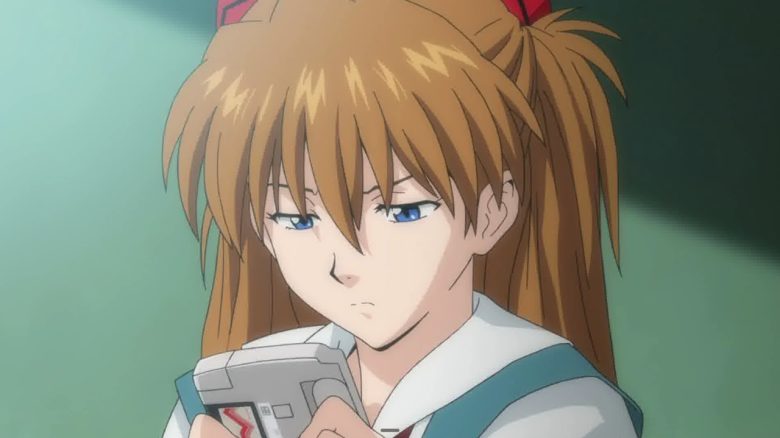
Yuko Miyamura is the Japanese voice actress of Asuka Langley Soryu from the anime Neon Genesis Evangelion. In a column for the Japanese online magazine Hanasone, she talks about how difficult it was to be an otaku in the 80s and 90s.
What was so terrible about that time? In the 80s and 90s, anime and otaku culture in Japan was still heavily stigmatized. Although anime was slowly reaching the mainstream, fans and even voice actors were often ridiculed by the media as strange outcasts.
Miyamura describes the TV appearances she had to make for her series:
Whenever we were invited to appearances on popular TV entertainment shows, we voice actors were treated like a kind of rare creatures. We were regarded as a curiosity and talked down to. Our otaku fans were mocked, and we were treated discriminately.
Miyamura describes her public TV appearances at the time as traumatic, as voice actors and their fans were treated very dismissively. At the same time, she expresses her gratitude that anime is now widely accepted in society and voice actors receive the respect they deserve.
Multiple humiliations for voice actors and fans
What examples does the voice actress mention? The voice actress of Asuka provides specific situations in the column that show how otakus and voice actors were treated back then:
- In the 80s, anime merchandise stores were not located on main streets, but hidden in old buildings. The voice actress felt pressured to keep her hobby secret.
- A television crew is said to have pretended to make a report on the boom of anime radio culture. However, the finished report rather bore the label “techno-dependence” and negatively portrayed otakus as a socio-pathological phenomenon.
- For a well-known TV show, a concept was proposed to her that mockingly made fun of her fans. Miyazaki rejected this and demanded a content change, which the team agreed to. However, during the recording, this promise was broken, and she was forced to go along with the original, mocking script.
In particular, for her, the last point felt so deceitful that she asked the studio never to air the recording. For her, it was a constant trauma to appear on television.



What do you think of the story of the voice actress? Have you had similar experiences or are you glad that anime is generally better accepted today? Feel free to share your thoughts in the comments.
The manga artists also had a hard time. They often risked their health just to meet the deadline for the next chapter. The author of One Piece also had to go through such a tough time: The mangaka of One Piece deliberately forgoes food and sleep to keep the story good

Your opinion is important to us!
Do you like the article? Then let us know!