

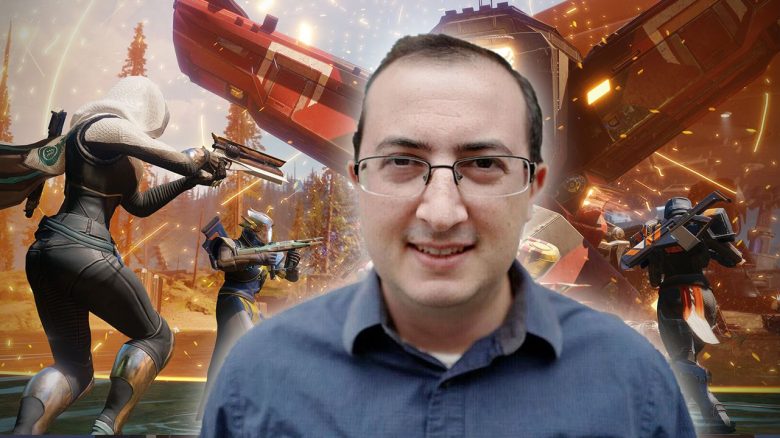
Es gibt kaum einen Branchen-Insider, der so gut vernetzt ist, wie Jason Schreier. Auf seinem neuen YouTube-Kanal hat er jetzt sein erstes Video veröffentlicht. Das Thema: Warum Destiny gestorben ist.

Warum ist es relevant, was Schreier zu sagen hat? Jason Schreier ist ein Branchen-Journalist von Bloomberg, der sich in den vergangenen Jahren durch seine diversen Investigativberichte einen Namen gemacht hat. Es gibt kaum einen anderen Insider, der so gut in der Games-Branche vernetzt ist. Wenn irgendwo der Baum brennt, dann gehen Betroffene zu Schreier, um davon zu berichten.
Jason Schreier ist aber nicht nur Journalist, sondern auch Gamer. Vor allem mit dem ersten Destiny hat er viel Zeit verbracht. Alleine in den ersten zwei Monaten hat er ungefähr 500 Stunden Spielzeit angesammelt. Teil 2 hat ihn dann nicht mehr so gepackt. Schreier hat den Werdegang der Franchise über die vergangenen Jahre aber weiterhin genau verfolgt.
Kein Erfolg? Kein Geld!
Wie analysiert Schreier das Ende von Destiny? Laut Schreier muss man bis in die 2000er-Jahre zurückgehen, um zu erfassen, auf was für eine turbulente Zeit Bungie zurückschaut:
- Ende der 2000er fing Bungie an, am ersten Destiny zu arbeiten. Nach der Trennung von Microsoft tat man sich mit Activision zusammen, um Destiny über einen Zeitraum von 10 Jahren zu einem Mega-Franchise auszubauen.
- Der Plan war ein Rhythmus aus abwechselnden Veröffentlichungen: Destiny 1, dann eine große Erweiterung namens „Comet“, dann Destiny 2, Comet 2, Destiny 3, Comet 3 und so weiter.
- Destiny 1 erschien 2014 nach einer sehr turbulenten Entwicklung. Destiny 2 sollte 2016 folgten, doch musste es verschoben werden. Aufgrund der Verschiebung musste Harold Ryan, der damalige Präsident von Bungie, das Unternehmen verlassen. Für Destiny 2 gab es dann einen Soft-Reboot, der Release folgte im Herbst 2017.
- Activision war nicht glücklich über die späte Veröffentlichung. Zudem gab es intern zunehmend Diskussionen über den Sinn eines Destiny 3. Damit würde man Spieler erneut zwingen, von null zu beginnen. Zudem waren die Tools und die Engine von Destiny so kompliziert in der Handhabung, dass es viel länger als erhofft dauerte, neue Inhalte zu produzieren.
- Da Activision-Chef Bobby Kotick auf den ursprünglichen Plan beharrte, trennten sich Bungie und der Publisher schließlich 2019. Destiny 2 bekam ein Free2Play-Modell.
- 2022 wurde Bungie für 3,6 Milliarden US-Dollar von Sony gekauft.
- In dieser Zeit begann Destiny 2 stark abzubauen. Die Spielerbasis erreichte nicht mehr das Niveau, das man sich bei Bungie und Sony gewünscht hat. Daran konnten auch die neuen Erweiterungen nichts ändern.
- Verschlimmert wurde die Situation durch das Post-Covid-Tief und eine sehr schwierige Phase mit mehreren großen Entlassungswellen.
- Aufgrund der explodierten Kosten für Spiele-Entwicklungen wäre ein Destiny 3, das man nach dem Ende von The Final Shape hätte angehen können, ein extrem teures Unterfangen gewesen. Die 500 Millionen Dollar, die Activision seinerzeit für 10 Jahre und mehrere Destiny-Spiele eingeplant hatte, wären jetzt sicherlich für nur ein neues Destiny draufgegangen. Sony war schlicht nicht bereit, derart viel Geld in die Hand zu nehmen.
- Also nahm man sich vor, Destiny 2 doch noch weiter zu unterstützen und es für neue Spieler zugänglicher zu machen, während man sich gleichzeitig intern stark auf Marathon fokussierte.
- Dieser Plan ging nicht auf, die Zahlen sanken weiter. Daher nun die Entscheidung, einen Schlussstrich zu ziehen.
Abschließend erklärt Jason Schreier: „Destiny liegt mir sehr am Herzen, ich werde es vermissen und bedauere es sehr, dass es keine Updates mehr erhält. Ich hoffe wirklich, wir sehen in Zukunft mehr von Destiny, denn es ist großartig, und Bungie hat so viele talentierte Entwickler, die in den letzten 14 Jahren alles gegeben haben.“
Ihr findet das Video von Jason Schreier auf YouTube oder im Folgenden:
Wie könnte es weitergehen? Laut Schreier arbeitet Bungie derzeit an Pitches und Prototypen, um herauszufinden, mit welchem Projekt man den nächsten Schritt gehen könnte. An einem Destiny 3 wird derzeit aber definitiv nicht gearbeitet. Zudem soll es bei Bungie bald zu einer großen Entlassungswelle kommen. Die Perspektive für ein neues, ambitioniertes Blockbuster-Projekt fehlt also.
Der Branchen-Insider glaubt derzeit nicht, dass Sony das Studio in absehbarer Zeit schließen wird. Wahrscheinlich nimmt man sich kleineren Projekten an und setzt in Zukunft verstärkt auf Outsourcing und Co-Entwicklungen. Mit einem Blick auf die gesamte Branche schließt Schreier ab:


„Diese fatale Mischung aus explodierenden Entwicklungskosten, stagnierenden Verkaufszahlen und steigenden Lebenshaltungskosten für die Verbraucher, die sich ein 70-Dollar-Spiel kaum noch leisten können, erklärt einen großen Teil der aktuellen Misere der Spieleindustrie.“
Was glaubt ihr, wird mit Bungie in Zukunft passieren? Wird es noch einmal ein neues Destiny geben? Verratet es uns in den Kommentaren! Unser Shooter-Experte Dariusz verfolgt die Destiny-Franchise ebenfalls schon lange und hat das Ende von Destiny analysiert – schaut gern vorbei: Wie konnte Destiny 2 sterben, obwohl es einst so erfolgreich war? 5 Gründe, die zum Tod des Loot-Shooters führten

Deine Meinung ist uns wichtig!
Gefällt dir der Artikel? Hast du irgendwelche Kommentare? Sag uns, was du denkst!





























Kommentare
Ich persönlich denke es wäre PR-Technisch sinnvoll gewesen eine sehr frühe Entwicklungsphase von D3 anzukündigen. Selbst wenn Sony kein Interesse hat die nächsten Jahre in irgendwelche Ideen Geld zu pumpen oder daraus nie etwas wird. Man hatte ja schon vorher offenbar kein Problem damit die Spieler und Mitarbeiter anzulügen. Also wieso ausgerechnet jetzt aufhören? 🙈
Jetzt schadet die ganze Ankündigung nur massiv Marathon und somit deren aktuellen Hauptfokus. Ich kann auch nicht ganz verstehen was Sony da geritten hat. Ich mein das ist als würde man den Ast, auf den man klettern will, vorher halb absägen. Wirkt fast so als wolle man gezielt alle Projekte an die Wand fahren.
Ich erwarte, dass die nächsten Jahre keine Ankündigungen zu Destiny kommen. Bevor ein Destiny 3 kommt wird es eher Versuche mit einem Single-Player Spin-Off o.Ä. geben.
Selbst wenn Sony doch schneller wieder Gefallen an Games As A Service findet, werden noch locker 5 Jahre vergehen bis wir überhaupt etwas von einem D3 o.Ä. zu höreb kriegen.
Außer es passiert natürlich ein Wunder. Wir können schließlich nicht behaupten Bungie hätte keine Comebacks drauf. 🤣🤷♂️
“Es liegt mir am Herzen, ich werde es vermissen”… ja dann einfach zocken, es rennt ja nicht weg. diese Redeweise ist so cringe und Weird, alle reden als würde das Spiel offline gehen und nicht mehr existieren. WTF
Mir fällt da eher ne andere Redeweise auf, die sehr Cringe ist…
Das ist doch vollkommener blödsinn. Wenn einem etwas am Herzen liegt/man etwas vermisst dann geht es hier um Erinnerungen, Communities, Atmosphäre eines Spiels.
“Einfach weiterzocken“ löst doch das bestehende Problem nicht – im Gegenteil, es kann frustrierender werden, wenn man mehr und mehr erkennt, „was besser hätte sein können“.
Wenn deine Lösung so einfach wäre, wieso stürzen dann die Spiele so ab?
…und was an seinen Aussagen ist „cringe“ und „weird“?? Da würd ich mal eher in den Spiegel schauen…
Obwohl ich solche Spiele liebe, hat Destiny mich nie abgeholt. Trotzdem schade vor allem bei der noch großen und treuen Fanbase.
Groß ist natürlich relativ!