

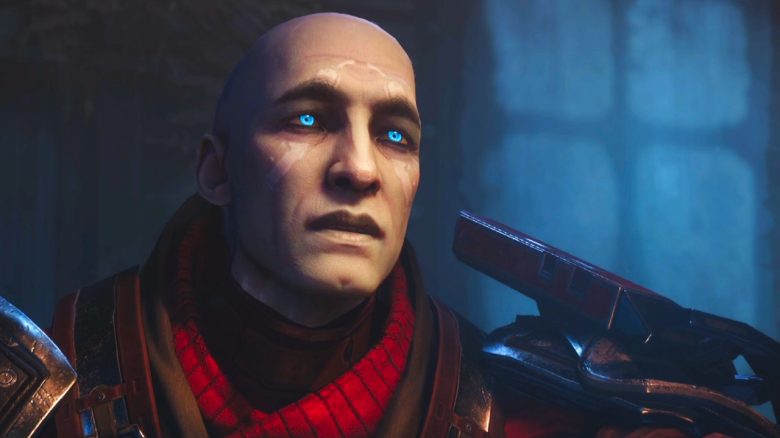
Bungie announced the end of Destiny 2. MeinMMO editor Dariusz looks back at the past years and sees how it came to this.

Destiny 2 is dead. Nearly 9 years after the release of the loot shooter, Bungie is releasing the last update for Destiny 2. The final update “Monument of Triumph” will be released on June 9, and afterwards the shooter will switch to maintenance mode. The game will remain playable, but will no longer receive new content.
The death of Destiny 2 is particularly bitter because the future of the franchise is now uncertain. Destiny revolutionized the “loot shooter” genre with the release of the first part and married MMO elements like a shared world and 6-player raids with the legendary Bungie gunplay and a mystical sci-fi setting along with deep lore. This mix resonated well with gamers, and by 2016, Destiny reportedly had over 30 million registered users. Seven years later, part 2 reached a peak of 316,000 concurrent players on Steam (via SteamCharts).
The announced end of the once-successful loot shooter came suddenly on May 21, but it was not a surprise for many fans. Over the past years, this path has already been apparent, and several reasons can be identified that led to this inevitable end.
The Content Vault and Sunsetting
With the expansion “Beyond Light,” Bungie removed game content from Destiny 2 that fans had paid for. In the Destiny community, this is often referred to as the “Content Vault.” Players mean that the removed content was essentially placed in a “vault” and locked away.
Removed content includes the entire campaign of “The Red War,” the expansions “Curse of Osiris” and “Warmind,” several raids, and the Forsaken campaign.
The Content Vault and “Sunsetting” have caused irreparable damage to Destiny 2, many players believe. On one hand, they had content taken away for which they had paid money. This has destroyed the trust of many fans in Bungie. On the other hand, it was a complete disaster for preserving the story.
Players who wanted to start fresh with Destiny 2 could pour hundreds of euros into DLCs, but could not experience the complete saga.
The removal of content made it uninteresting for new players to start and meant that it was harder to follow the story or build any emotional connection because the story was now fragmented. Important events were completely missing, and new players confronted characters they did not know as the underlying story was no longer in the game.
Over time, many players expressed feeling “milked out”. It was often said that they were paying the maximum price for minimal content.
The “Post-The-Final-Shape” Vacuum Including Disorientation
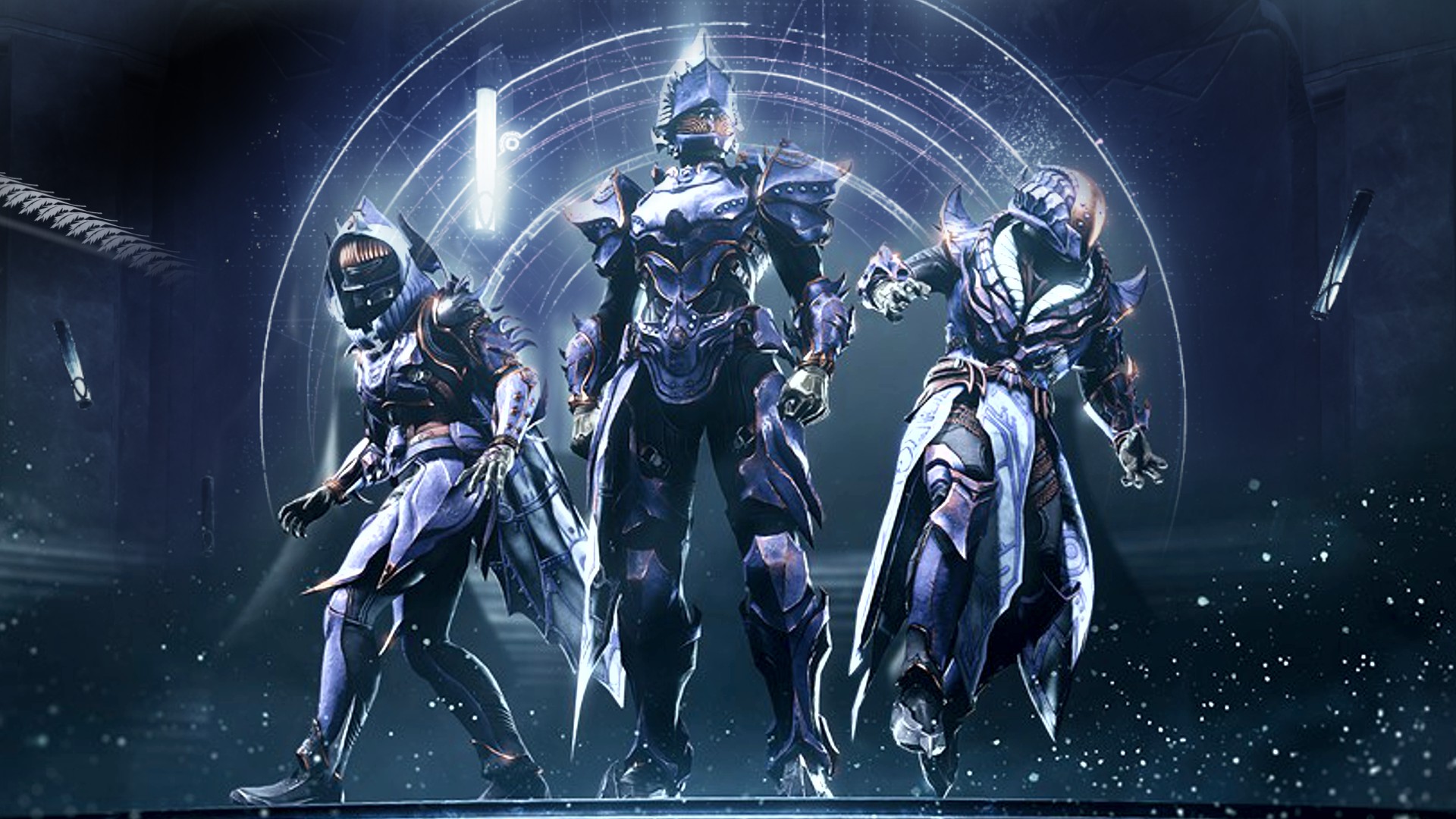
With The Final Shape, the long saga of Light and Darkness came to an end in 2024. This would have given Destiny 2 a natural narrative closure. However, in the next two years, episodes and further expansions came that were supposed to slowly initiate a new saga.
Many fans used the end of the saga as an exit; after all, the Witness was defeated, and there was no new epic goal. Fans who remained after The Final Shape, however, did not seem truly happy with the further developments.
Destiny 2 now seemed somewhat disoriented. The episodes felt like an epilogue without a clear direction. While players were experiencing new content and a stand-alone story, there was no great enthusiasm among fans.
The content from mid-2024 to early-2025 gave the impression that Bungie did not want to abandon the loot shooter, but there was little to no plan for the next big expansion. The episodes seemed like a stopgap or filler.
When the major new expansions “The Edge of Destiny” and “Renegades” arrived, a new saga could indeed be interestingly initiated, but various changes to the gameplay loop once again caused dissatisfaction.
Suddenly, the Grind Was No Longer Fun
With the expansion “The Edge of Destiny,” Bungie introduced the portal system as a hub for launching activities. What initially sounded cool did not fare well in the final implementation – especially as it did not offer an alternative to the existing system, but completely replaced the old system. Many players also complained that with Pathfinder, the perfect farming system was simply removed.
The new portal system, along with the adjustable difficulty levels, posed another problem: Players quickly found the most effective way to get the best loot with minimal effort. Instead of making the grind more varied, as originally intended, the gameplay loop became even more repetitive, with players merely waiting for the weekly reset.
Moreover, the changes to the loot and the introduction of weapon tiers from “The Edge of Destiny” meant that many players could no longer use their best weapons. For years, they invested a lot of time and effort to find a god-roll, and suddenly this originally perfect weapon was useless.
Now, players needed weapons with a high level that had not existed before to remain competitive in the most challenging content. Their own vault felt worthless.
This feeling did not improve when the option to increase a weapon’s level via infusion was introduced. Old god-rolls were still useless – unless one subjected oneself to a new grind for a new “currency” to salvage the once-favorite weapons.
This dealt a fatal blow to the grind motivation of many veterans. They asked themselves: “Why should I grind for the best gear when I don’t know if it will be useless with the next expansion?”
Loss of Trust and Lack of Communication
Looking after the announced end of Destiny 2 in the subreddit of the shooter, one thing quickly becomes clear: Players are immensely grateful to the developers for their work, associate deep memories with the game, and are convinced that they created a great experience.
But the emphasis is on “the developers.”
Players have lost all faith and trust in Bungie’s leadership. Whether it is criticism of the funding model, the amount of new content, or the general direction of the game: The community places the blame on the decision-makers.
Moreover, Destiny fans have witnessed huge layoffs at Bungie in recent years, while the studio continues to demand high prices for numerous skins and DLCs. They have read horror stories from affected developers who reported that layoffs were used as a weapon to get rid of employees trying to create a healthier work culture.
The former CEO Pete Parsons was regarded as especially problematic until his resignation in 2025, as he spent nearly $200,000 on a Porsche just 3 weeks after a major layoff wave at Bungie in 2024.


Conclusion: Players Were Driven Out of the “Sunk Cost Trap”
Before the drastic drop in player numbers and the eventual death of Destiny 2, it was often heard that players clung to their long-maintained Guardian and did not want to give up.
The shooter lived during this time from the so-called “Sunk Cost Fallacy.” This describes the behavior of people to hold on to something because they have already invested much time or money.
The various reasons that ultimately led to the death of Destiny 2 essentially helped players escape this trap. Whether purchased content that was simply taken away or beloved weapons that suddenly became useless: When a player’s investment is not valued, interest wanes.
Additionally, the major Sony deal seemed to leave its mark. The Japanese company paid 3.2 billion euros for Bungie, but by 2023, it was reported that Bungie was 45% below expectations. Following that, there was a report that Sony might dissolve the existing Bungie board and take full control if financial targets were not met.
This did not inspire much confidence in players, as the company made it clear that they did not buy Bungie for Destiny, but for its technical expertise and experience in developing a live-service game – but Sony’s expensive live-service project “Concord” flopped horribly.
Current reports suggest that Destiny 3 is not yet in development, although leaks in November 2025 claimed otherwise. At that time, I analyzed whether a potential Destiny 3 would even have a chance of success. I also looked at the worst-case scenario, which includes that Bungie’s recently released extraction shooter “Marathon” could flop. You can find the full article on MeinMMO: Between lifeboat and coffin nail: Can Destiny 3 be a success for Bungie?
It felt like starting to watch a new series but entering in the middle of the second season.
Aggressive Monetization Amid Dwindling Content
Destiny 2 is expensive, even though the game is free-to-play. You can spend over 250 euros on expansions by 2026. Additionally, there is the bursting Eververse shop, where you can buy cosmetic items for premium currency. Furthermore, the game has spent players’ money on dungeon keys and event passes for years.
On the other hand, there was a lack of new content. Core activities such as strikes, Gambit, and PvP suffered, as Bungie let them completely die over the years.
Moreover, the recycling of content, which the community frowned upon, was evident. Old activities that had been removed from the game years ago returned with a new coat of paint and were presented to players as a great bonus with a new update. Players wanted the old, lost activities back, yet they expected ample new content.
Over time, many players expressed feeling “milked out”. It was often said that they were paying the maximum price for minimal content.
The “Post-The-Final-Shape” Vacuum Including Disorientation
With The Final Shape, the long saga of Light and Darkness came to an end in 2024. This would have given Destiny 2 a natural narrative closure. However, in the next two years, episodes and further expansions came that were supposed to slowly initiate a new saga.
Many fans used the end of the saga as an exit; after all, the Witness was defeated, and there was no new epic goal. Fans who remained after The Final Shape, however, did not seem truly happy with the further developments.
Destiny 2 now seemed somewhat disoriented. The episodes felt like an epilogue without a clear direction. While players were experiencing new content and a stand-alone story, there was no great enthusiasm among fans.
The content from mid-2024 to early-2025 gave the impression that Bungie did not want to abandon the loot shooter, but there was little to no plan for the next big expansion. The episodes seemed like a stopgap or filler.
When the major new expansions “The Edge of Destiny” and “Renegades” arrived, a new saga could indeed be interestingly initiated, but various changes to the gameplay loop once again caused dissatisfaction.
Suddenly, the Grind Was No Longer Fun
With the expansion “The Edge of Destiny,” Bungie introduced the portal system as a hub for launching activities. What initially sounded cool did not fare well in the final implementation – especially as it did not offer an alternative to the existing system, but completely replaced the old system. Many players also complained that with Pathfinder, the perfect farming system was simply removed.
The new portal system, along with the adjustable difficulty levels, posed another problem: Players quickly found the most effective way to get the best loot with minimal effort. Instead of making the grind more varied, as originally intended, the gameplay loop became even more repetitive, with players merely waiting for the weekly reset.
Moreover, the changes to the loot and the introduction of weapon tiers from “The Edge of Destiny” meant that many players could no longer use their best weapons. For years, they invested a lot of time and effort to find a god-roll, and suddenly this originally perfect weapon was useless.
Now, players needed weapons with a high level that had not existed before to remain competitive in the most challenging content. Their own vault felt worthless.
This feeling did not improve when the option to increase a weapon’s level via infusion was introduced. Old god-rolls were still useless – unless one subjected oneself to a new grind for a new “currency” to salvage the once-favorite weapons.
This dealt a fatal blow to the grind motivation of many veterans. They asked themselves: “Why should I grind for the best gear when I don’t know if it will be useless with the next expansion?”
Loss of Trust and Lack of Communication
Looking after the announced end of Destiny 2 in the subreddit of the shooter, one thing quickly becomes clear: Players are immensely grateful to the developers for their work, associate deep memories with the game, and are convinced that they created a great experience.
But the emphasis is on “the developers.”
Players have lost all faith and trust in Bungie’s leadership. Whether it is criticism of the funding model, the amount of new content, or the general direction of the game: The community places the blame on the decision-makers.
Moreover, Destiny fans have witnessed huge layoffs at Bungie in recent years, while the studio continues to demand high prices for numerous skins and DLCs. They have read horror stories from affected developers who reported that layoffs were used as a weapon to get rid of employees trying to create a healthier work culture.
The former CEO Pete Parsons was regarded as especially problematic until his resignation in 2025, as he spent nearly $200,000 on a Porsche just 3 weeks after a major layoff wave at Bungie in 2024.
Conclusion: Players Were Driven Out of the “Sunk Cost Trap”
Before the drastic drop in player numbers and the eventual death of Destiny 2, it was often heard that players clung to their long-maintained Guardian and did not want to give up.
The shooter lived during this time from the so-called “Sunk Cost Fallacy.” This describes the behavior of people to hold on to something because they have already invested much time or money.
The various reasons that ultimately led to the death of Destiny 2 essentially helped players escape this trap. Whether purchased content that was simply taken away or beloved weapons that suddenly became useless: When a player’s investment is not valued, interest wanes.
Additionally, the major Sony deal seemed to leave its mark. The Japanese company paid 3.2 billion euros for Bungie, but by 2023, it was reported that Bungie was 45% below expectations. Following that, there was a report that Sony might dissolve the existing Bungie board and take full control if financial targets were not met.
This did not inspire much confidence in players, as the company made it clear that they did not buy Bungie for Destiny, but for its technical expertise and experience in developing a live-service game – but Sony’s expensive live-service project “Concord” flopped horribly.
Current reports suggest that Destiny 3 is not yet in development, although leaks in November 2025 claimed otherwise. At that time, I analyzed whether a potential Destiny 3 would even have a chance of success. I also looked at the worst-case scenario, which includes that Bungie’s recently released extraction shooter “Marathon” could flop. You can find the full article on MeinMMO: Between lifeboat and coffin nail: Can Destiny 3 be a success for Bungie?

Your opinion is important to us!
Do you like the article? Then let us know!