
To evolve MMOs, you must look at the genre “honestly and without prejudice”
MeinMMO: Many failed large-scale projects in recent years show that copying old success formulas no longer works. What single, fundamental element must change in the MMORPG genre in the coming years so that we can experience a real, lasting phenomenon again in the future?
Benjamin Zuckerer: MMORPGs need to focus more on building worlds rather than content. Many games today try to keep players busy with an endless list of activities. The problem is: Such content eventually gets consumed. What remains are worlds where players write their own stories.
When we launched Persist Online, we deliberately wanted to create something inspired by the spirit of early MMORPGs. Not out of nostalgia, but because we believe meaningful decisions, real risks, and social dynamics are timeless. The initial design ideas stemmed from the desire to create a world where players can truly experience something and not just check off content.
It should matter whether and where I am in the world. If the genre wants to produce a major, lasting phenomenon again, I believe it will not happen through more quests or better graphics. It will happen when players feel again that their decisions have consequences and that their stories are unique. That is what makes MMORPGs special.
The big Kickstarter hype may be over, but crowdfunding campaigns or direct financing from fans can still work quite well today. If you are thinking of Star Citizen now: The SciFi MMO is a historically unique example with its billion, which cannot serve as a blueprint.
The norm is rather that you get a nice, small sum that can help but does not fund a complete MMO. Often, crowdfunding is also used as a barometer to show potential investors: People are excited about my game. For Stars Reach, a successful Kickstarter campaign, for example, provided an additional cash injection from a new investor.
Greg Street: The one thing MMO as a genre offers that no other genre can deliver, is having a lot of other players. I see too many recent MMOs either try to let you play the game single player (which won’t compete with true single player games) or focus on just giving you a completely open ended sandbox and hope that players can find the fun on their own. These kind of sandboxes may offer freedom but the social tractions still aren’t pushed or guaranteed. Meanwhile the lack of direction – what am I supposed to do now? – can be off putting.
By the way, by social I don’t mean that you need to make new friends in order to experience content. It’s great when that happens but it’s a rare occurrence and not every mechanic can be based around it. Social can also mean some rando helping you kill a quest boss (even without communication), or even just seeing another player across a field and feeling that you aren’t alone.
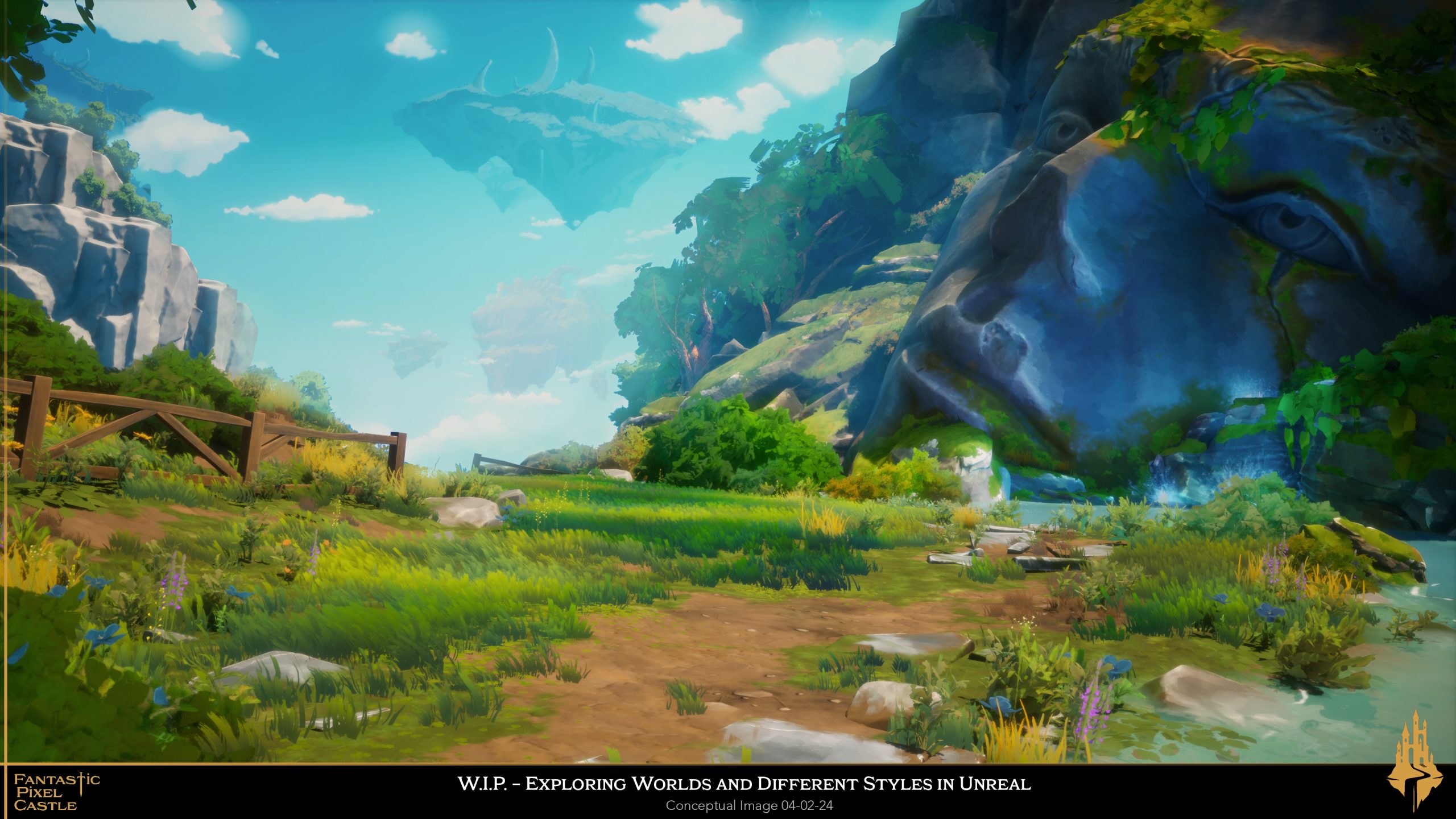
I worked on a game once (that did not ship) where there were gorges or rivers that needed bridges to cross. You could build the bridge or maybe you got lucky and someone else already built it or maybe you group up with some other players (ask friends or just find local randos) to help you build it. These kind of interactions and mechanics feel like other players matter which should be the ultimate goal for any MMO in my opinion.
The core pillars of the MMO from Greg Street were the blue and red zones:
– The blue zones were procedurally generated and were supposed to invite exploration (sandbox) and use survival and roguelike elements. They were to remain private for each player or group. Ghostcrawler explained in October 2024 that the blue zones would be randomly generated but should feel hand-crafted.
– The hand-designed red zones should be public and offer a lot of content that you would expect from theme park MMORPGs like WoW.
It was always important to the team that cooperation and competition were the focus of the player experience and that players’ time should always be valued.
I think the right model is neither the extremes of themepark nor sandbox, but something more like a playground, which is there is some structure and direction for players to go, but a lot of freedom as well. In a theme park everyone experiences the rides the same way – you stand in line, get on the vehicle, see the animatronic pirates do the same thing etc. In a sandbox everyone is given a blank slate and asked to create something. Here is some sand! Go do something with it! But a playground gives you some structure, but not too much. You don’t have to ascend the climbing structure in a certain way. You can slide down the slide, or climb up the slide, or pretend the slide is a dragon. (And the climbing structure or slide might even have an actual sandbox beneath it).
This is the direction we were going to take with our MMO, Ghost, and I hope someone else tries it.
Before Crytic dives into a new MMO project, the established MMOs need to be made fit for the future – including Neverwinter, which throws you into the popular universe of Dungeons & Dragons:
Jack Emmert: Most important – a game simply can’t cost tens of millions of dollars. Regardless of genre, very few publishers and investors believe in that model anymore. Even teams with impeccable records are a risk – and we’ve seen very high profile failures over the past few years. Every developer should understand the costs of the business so that when they’re making decisions, they comprehend the financial realities.
Secondly, I think MMO’s need to pick their lane and stick to it. Too often, I’ve seen MMO’s try to be too ambitious and to cover too many different game systems. It’s a natural urge to throw everything and the kitchen sink into a game once the spend has broken $100m; at that point, everyone wants to appeal to the widest possible market. And that it means creating a game system for every possible consumer.
BUT that means that no one system – no piece of content – receives the focus and polish it needs. A MMO, or for that matter any game, needs to pick what it’s going to be and excel at that. Players appreciate effort and authenticity; if a game doesn’t have everything at launch, that’s ok, because a live game can always build it at some point.
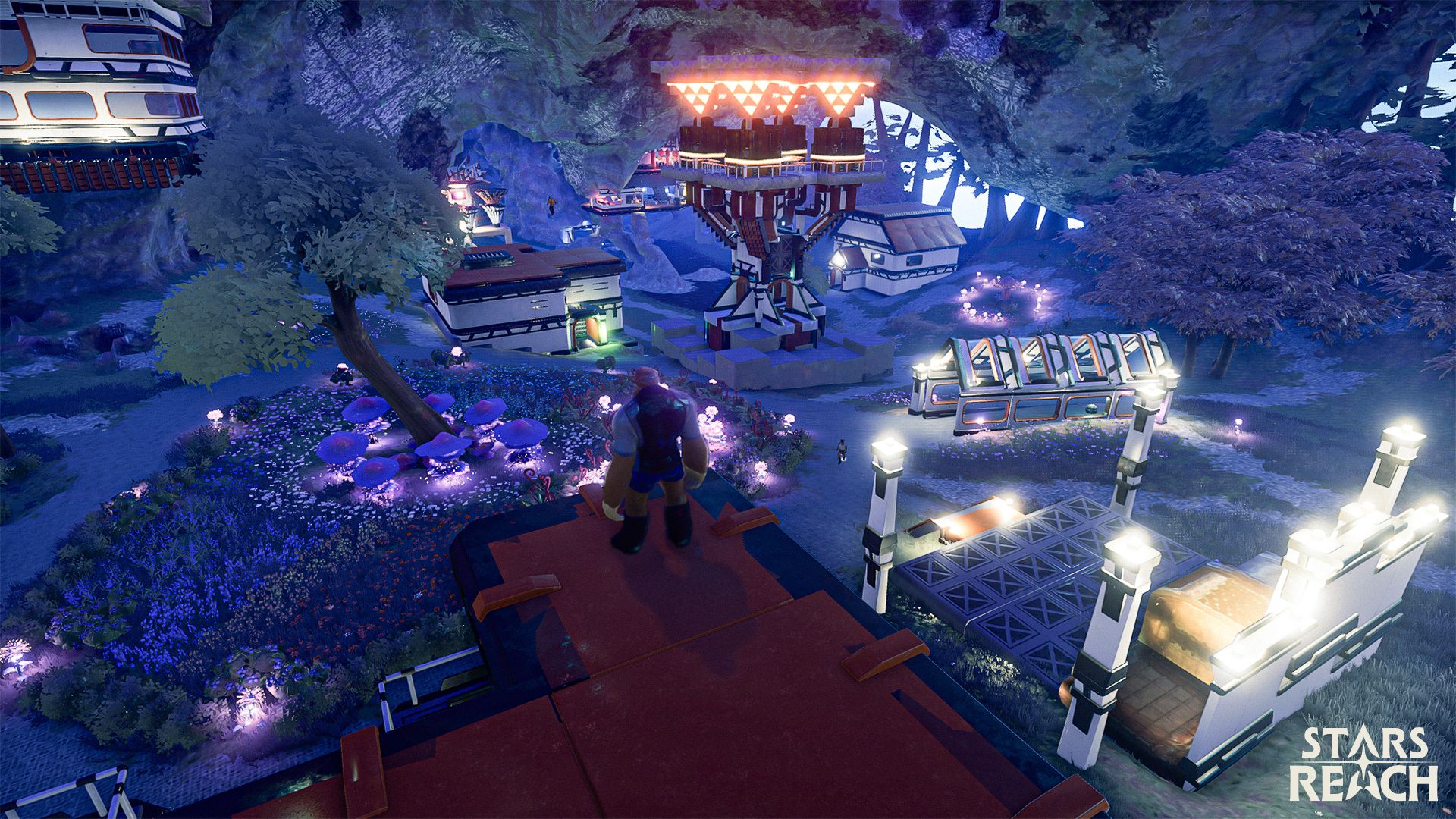
Raph Koster: I am not a fan of looking backward, just doing “classic versions” or whatever. I get that many people want that and enjoy it, but ultimately, for me, I always try to move forward instead. When I see people say that Stars Reach is bringing back old-school ideas, I say yes, but we aren’t just rewinding the clock – we are taking those old ideas and fast-forwarding them in time, seeing what they can look like if we innovate and do new things.
The big thing that needs to change for MMORPGs is to look at the genre honestly, with unbiased eyes, and say “what are the things that are special to MMOs, that no other game does or can do?” That’s where the unique beating heart of the genre is. And I think the answers are around things like the scale of players in one world and the features that allows; the persistent angle and the features that allows; and the social qualities that those two things in combination allow that you can’t get in less persistent and smaller scale experiences. That’s the secret sauce that no other genre can deliver.
If MMOs want to stand out and grow they have to play to their inherent strengths. Lots of players, one persistent world, and all the magic that can happen with those two things. There is an enormous amount of unexplored gameplay in that territory.
Rich Lambert has been with Zenimax since 2007 and as the lead content designer, he has been able to accompany the development of Elder Scrolls Online from the beginning. Shortly after the launch, the MMO enthusiast then became the creative director.
As of June 2023, he was the game director of the MMORPG.
When it came to introducing new chapters or answering the questions from MeinMMO editors (such as in June 2024), it was often Rich Lambert who took on this job in recent years. Due to the reorganization of Zenimax in August 2025, Rich Lambert rose to studio game director.
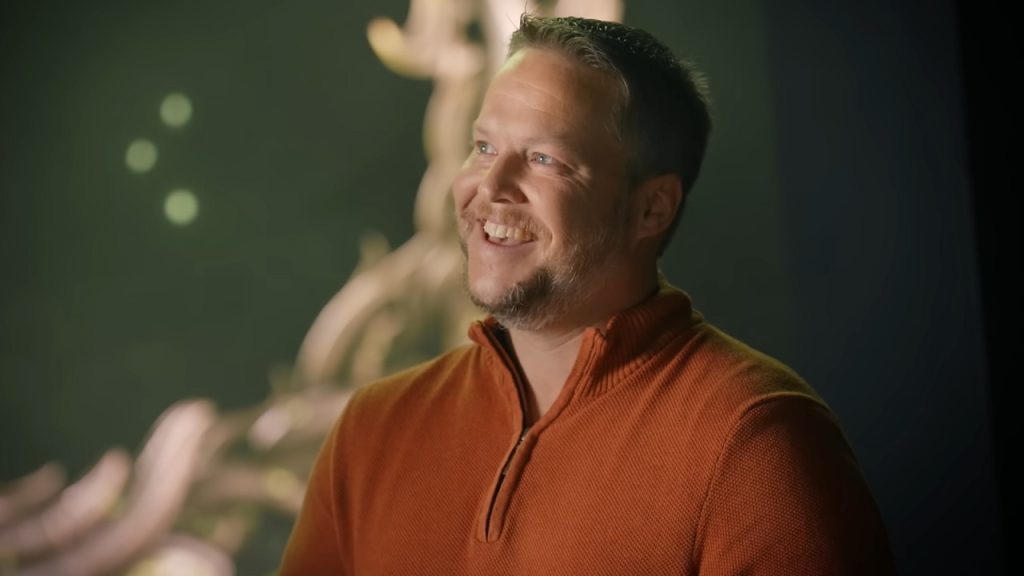
Rich Lambert: The next great MMO probably succeeds less because it has the most content or the best systems, and more because it creates a deep sense of belonging and identity. Content and systems absolutely matter, but they are not the whole answer.
I think it will be a game that lets players play with their friends easily, whenever they want, and on whatever device they want to play on. The easier it is for people to be together, the more chances the game has to create real memories. But it is not just about being social. MMOs also let players build a long-term identity in a shared world. This is my character. These are the choices I made.
These are the things I did. This is the version of myself I became in this world. When you combine that personal identity with togetherness and belonging, that is where MMOs really stand apart. Players remember who they played with, what they did together, and the stories that came from being in the same world at the same time.


Our major special on the status quo of online role-playing games is just one of many articles that have been published during our Grindfest themed week 2026. We have also introduced various upcoming MMORPGs, shared personal anecdotes, and analyzed the future of the genre. You can find all articles here: Grindfest 2026 has started! Here’s the program for MeinMMO’s big MMORPG themed week

Your opinion is important to us!
Do you like the article? Then let us know!