

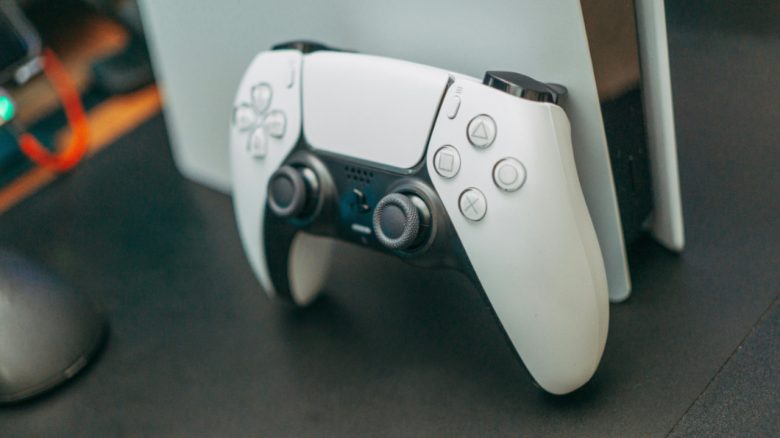
The PSN was affected by an outage. The problems are also seen as a warning about what it means to own games only digitally. However, behind the abolition of the disc are also economic interests of Sony.
On Friday, July 24, 2026, the PlayStation Network, or PSN, experienced a multi-hour outage: Users could not log in, could not play their games, or use PS Plus.
With the recent announcement that Sony wants to discontinue the disc for PlayStation, this outage has gained even more significance. The outage demonstrated what happens when “Digital only” suddenly doesn’t work and players are left in the lurch.
On Reddit, this outage triggered angry reactions and protests that “Digital only” is not a good idea. One user sarcastically remarked: “Yay, the ‘fully digital’ future is here,” and another put it even more bluntly: “Hey Sony! Are you still happy that you are abolishing physical media? Then enjoy the downfall.”
Outage at PSN clearly shows what a purely digital world could mean for us
Why is this so relevant? If there are outages or disruptions at PSN, it can lead to multiple issues. In the best case, you only lose access to online multiplayer; in the worst case, purchased games and movies can suddenly become useless if PSN is required for license verification. Cloud saves, trophies, and social features can also be affected.
With physical discs, the risk would be significantly lower because many games could at least run locally from the disc or from already installed files. Updates can often be skipped with a physical installation.
The disc serves as physical proof, and many titles can be started offline or with significantly less server dependency, as long as there is no essential online component built in.
But: Even with a disc game, you are not on completely safe ground: Missing day-one patches can prevent the launch just as much as an online requirement or a check for certain components that must be installed. For example, this was the case with Crimson Desert: Due to an online lock, the disc version was useless before the release.
Sony urgently needs to create an emergency plan
For this problem, Sony needs a solution now: Essentially, there is at least a rudimentary solution that allows for offline play if there is an outage. Because you can according to PlayStation.com switch your PS5 to offline mode so that licenses no longer need to be verified. However, this only works as long as you are online. Therefore, if a sudden outage occurs, you cannot switch to offline mode because PSN cannot check the licenses again beforehand.
In the end, Sony needs a solution that works even if the PlayStation Network is offline for hours or even days. Otherwise, players cannot play their purchased titles, and the frustration is correspondingly large. Unless users forgo the online mode from the beginning, which shouldn’t be the point.
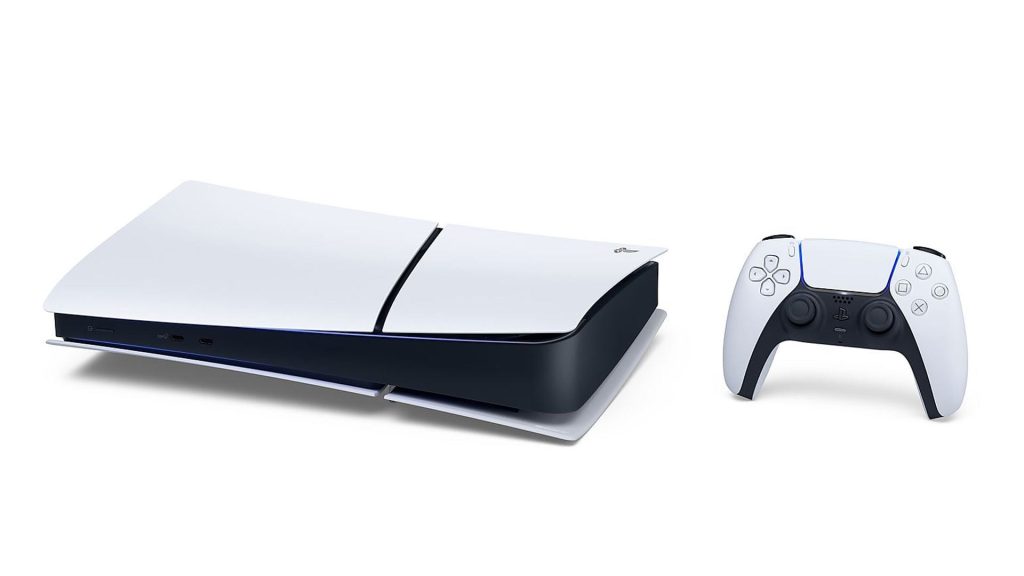
For Sony, abolishing the disc is primarily an economic decision
But why is Sony abolishing the disc at all when the criticism and resistance against the decision are so great? Simply put: By abolishing the physical disc, a lot of money is saved and more profit is made.
Sony states in its official blog post that the market has changed and “the preferences of consumers and the entire entertainment industry continue to shift significantly from physical discs to digital media.”
For Sony, doing away with the physical disc is primarily operationally simpler and usually more profitable, as explained by CNBC: They save on production, packaging, logistics, warehousing, and the efforts of physical distribution, while purchases go directly to the PlayStation Store. Additionally, you no longer have to write off failed games that have been printed thousands of times and are now gathering dust in warehouses. Remember the debacle surrounding the hero shooter Concord.
Moreover, in the PS Store, Sony also retains the full margin, or 30% for games that are not directly from Sony. Sony, along with many developers, regularly argues that the development costs have risen so much that they need to justify the higher expenses with higher prices (via esquireme.com). In the end, this spares us continuously rising prices: After all, we now pay 79.99 euros for a full-price title and significantly more for deluxe and premium editions.



Players are ultimately the big losers
In the end, it is primarily an economic decision that Sony has made. While this may not make them particularly popular, it lays important groundwork for securing their platform, which has been struggling with weak sales for consoles for years. From this perspective, it must also be noted that Sony has decided to once again offer its games exclusively for PlayStation: Strengthening customer loyalty to its own brand. Even if that may not please some.
The biggest winner is Sony, as costs, control, and margin increase. The biggest loser is usually the player, as many forms of ownership and flexibility disappear. And because the used market is effectively undermined. This means a financial loss for many players. Because in the past, one could easily resell completed games and buy new titles with the money: Sony’s decision to abolish the disc for PlayStation will cost us gamers a lot of money.

Your opinion is important to us!
Do you like the article? Then let us know!