

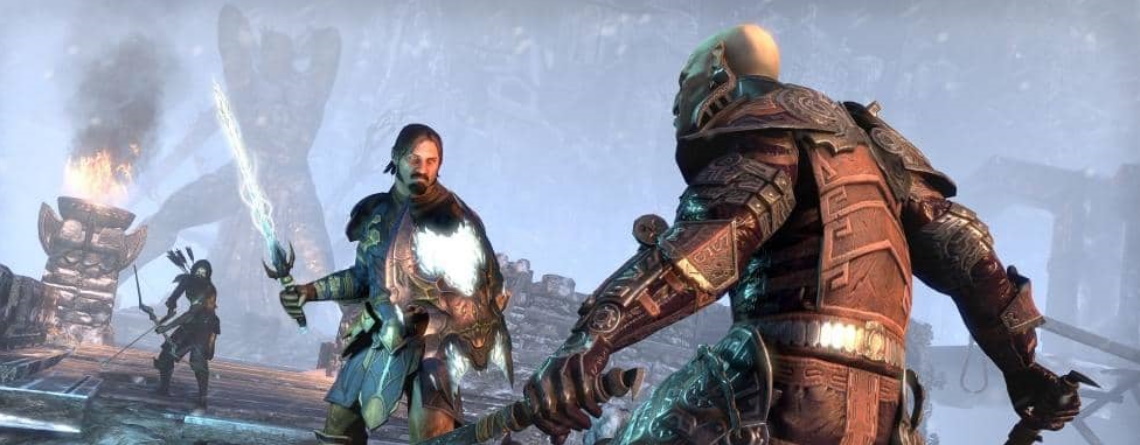
Three alliances are fighting in The Elder Scrolls Online for the Imperial throne, glory, honor, gold, and just for fun. Our big PvP guide shows you how to get all of that. By Sascha Penzhorn.

Maybe you have seen those cool render trailers for ESO, where the heroes of the three playable alliances really go at it – if not, be sure to catch up! In the game itself, however, things are actually quite peaceful. Sure, in the story missions, you may have to fight AI opponents from the other two factions, but all fellow players are your friends.
No matter which side another player has chosen, you can trade and exchange with them, form groups, exchange chat messages, and do everything that a certain alliance with representatives of the Horde is miles away from. Open conflicts between players do not exist in the regular game world. Here, there might only be duels, if one wants to agree to them.
In short: If you are not into PvP, you won’t come into contact with it. On the other hand, you can also use ESO purely as a PvP game, leveling and equipping your character exclusively through player battles and leaving the PvE to those who simply cannot cope with human opponents.
Why even engage in PvP?
Apart from the obvious answer that it can simply be more exciting to face real, thinking opponents instead of a scripted AI, there are exclusive PvP rewards ranging from cosmetic items (skins, pets, costumes, titles) to piles of gold to complete equipment sets that you cannot obtain anywhere else.
If you were part of a successful Cyrodiil campaign, you might find around 20,000 gold pieces and various epics in your mailbox. In battles against other players, you accumulate alliance ranks. For each rank advancement, you receive a skill point. There are special skill lines for the Alliance War that you can only unlock there. For example, there’s Elan, one of the best healing abilities in the game.
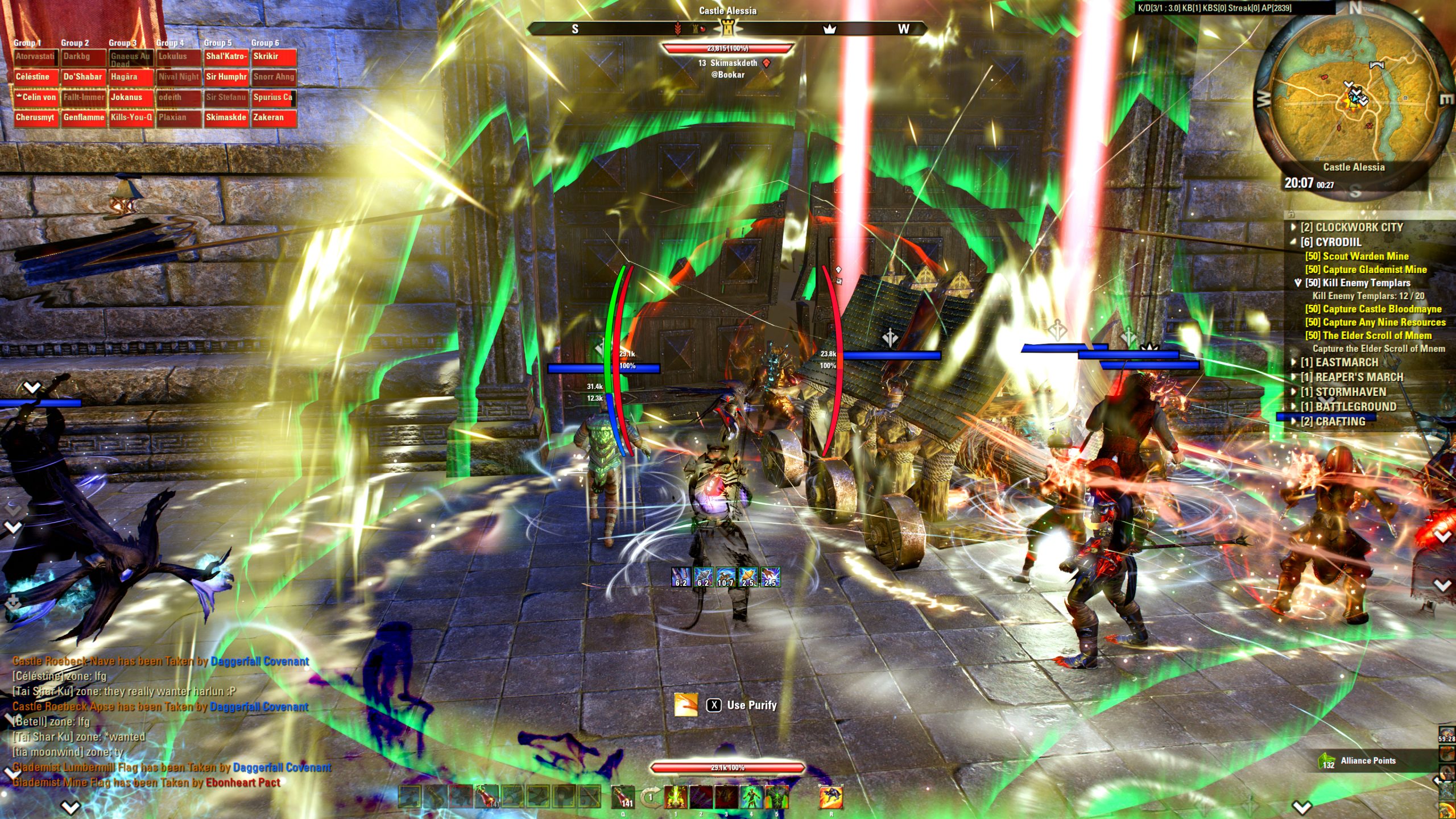
It’s an unparalleled experience to conquer enemy fortresses with an army of players, assault them with rams, catapults, and ballistae, tear down defensive walls, and beat the defenders out of their castle – or to defend a stronghold and pour boiling oil on your attackers. PvP offers player experiences that you won’t find anywhere else in ESO.
Only for the Tough
We are totally into player fights in ESO and believe that everyone with even a little interest in PvP should definitely try this part of the game. However, with all the enthusiasm, there are also a few hurdles and problems you will have to deal with:
High Learning Curve: Maybe you are a natural talent and blow away everything that comes in your way from the very first moment. More realistically, though, you will likely eat dirt first.
Your opponents become invisible, mages teleport wildly around, enemies prefer to attack from ambush and in large numbers, and they like to use the builds and play styles that will send you to the virtual afterlife the fastest.
If you are new to PvP, you are up against a community that has been doing nothing else for years. You have to be able to deal with losses, otherwise, you are in the wrong place.
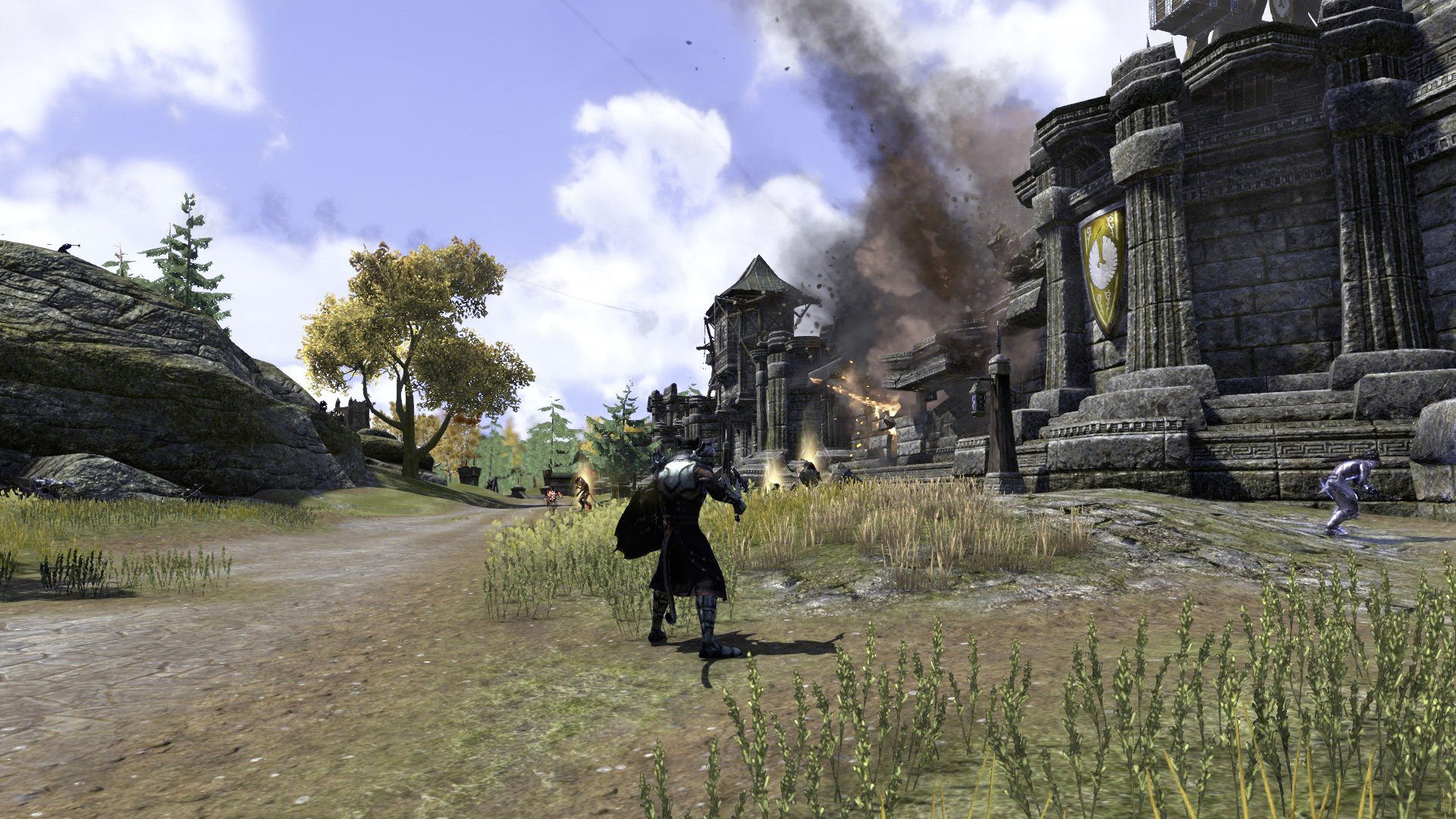
High Latency: On good days, your attacks and spells are executed as planned, your hits land perfectly, everything runs smoothly, and everyone has fun.
Good days are rare, especially in Cyrodiil and the Imperial City. When the servers are not cooperating, input delays of several seconds can occur during combat, the weapon swap key may suddenly just not work, and you cannot access your mount, even though there are no enemies around.
Also great: When your army collides with the armies of enemy alliances and suddenly a loading screen pops up that lasts until everyone is dead – including you. Of course, we don’t want to scare you away, but you should be aware of this issue. Lag is part of PvP.
Empty Players: The vast majority of the PvP community just wants to have fun. But there is always a handful of trolls who are determined to ruin exactly that. Then a player from your own faction runs towards the nearest enemy fortress, carrying a scroll, an Elder Scroll that grants important advantages on the battlefield, to hand it over to the enemy.
Players form raids that spam very specific skills and bring the servers to their knees. Creative adventurers also constantly find ways to cheat their way through enemy castle walls without destroying them first.

It’s also popular to create a character in an enemy alliance, read the chat during a PvP campaign, and then spill all plans to your own faction. Fairness is definitely for losers!
Tougher Tone: The ESO community is mostly incredibly nice and helpful. But if your faction is behind in a PvP campaign and the leader of your group catches you without food buffs or you stand around idly during a siege because you didn’t bring a catapult, then stress can arise.
It’s not hard for inexperienced players to be useful to their own faction. Don’t just breathe down the necks of your allies. Eat something and set up siege machines.
Special Builds: This is pretty self-explanatory, but using a PvE-oriented build puts you at a disadvantage in PvP and vice versa. There are simply character attributes and skills that are much better suited for one area but not the other of the game.
If you want to engage in intensive PvP, especially in areas with active champion points, you won’t get around an appropriate specialization.
Order the Greymoor Black Edition nowOn a Personal Note: Duels
Duels are undoubtedly the simplest way to brawl with your fellow players. One player issues the challenge via the interaction menu, the other player accepts it, then it’s a fight to the death. This often happens just for fun in front of the camps of the Undaunted while players wait for dungeon team members to be found in the group search.
These fights tend to be quite short but are by no means painless. This is the only PvP variant that you’re allowed to play at any level and not just starting at level 10. Here are a few things you should keep in mind:
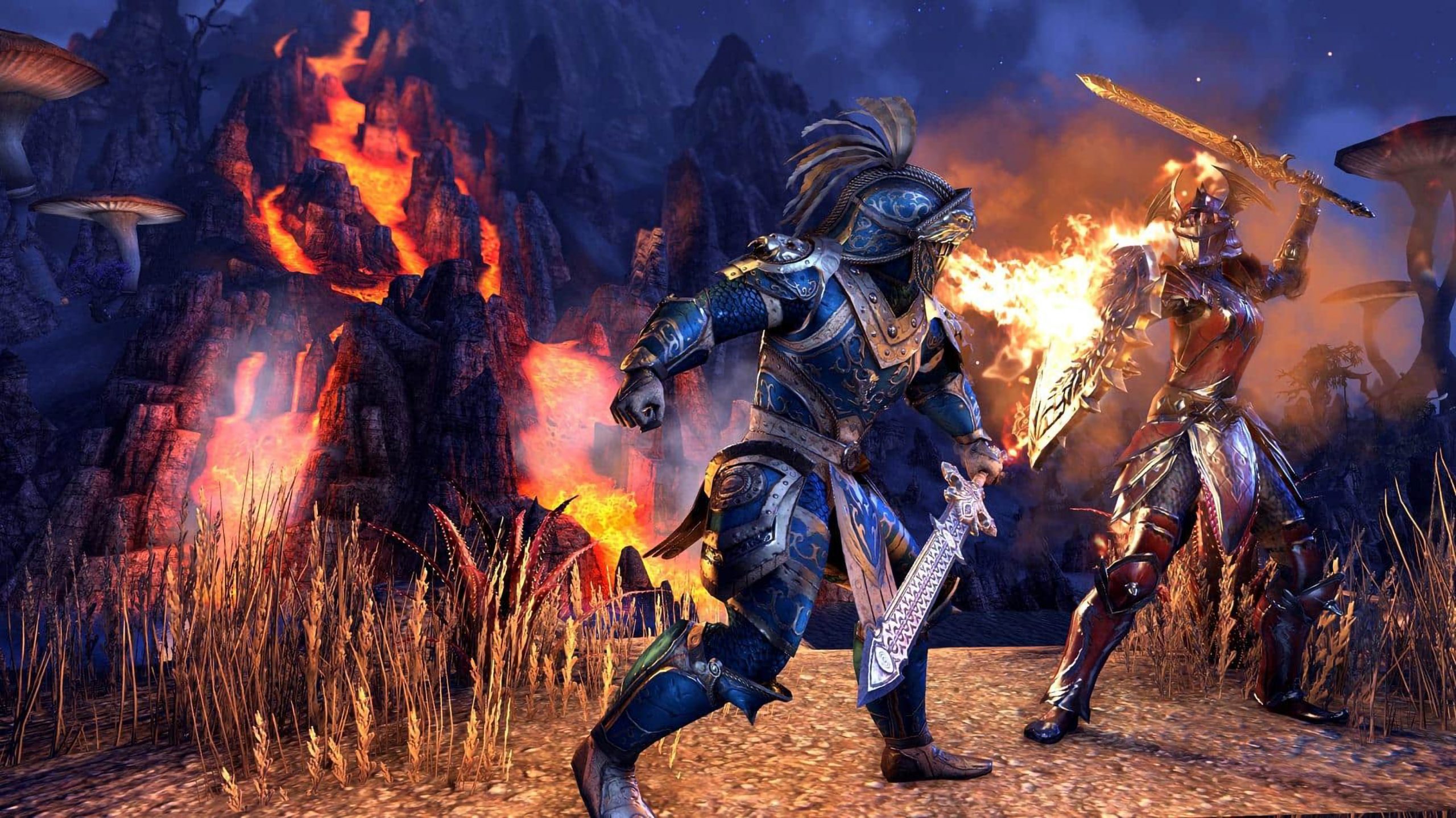
Always with CP: If a character has champion points, he benefits in duels from all resulting buffs. If a low-level character suddenly challenges you to a fight, it’s entirely possible that he is equipped with 810 CP, and what seems like an easy victory may not be so certain anymore. And this brings us directly to the next point…
Level Scaling also Works in PvP: When a player challenges you who is below your level, he may have fewer skills and spells in his repertoire than you. However, in terms of health, attack, and defense, he can still be equal to or even superior to you. Underestimating your opponent often comes at a high price.
Until Death: Of course, player deaths in ESO are not really dramatic. However, you should know that duels here do not simply end when one side clearly loses and is correspondingly heavily injured. The fight only ends when one of the opponents dies.
It’s All Just Fun: Don’t take a loss personally. Especially in areas with many new, inexperienced players, you will often be unexpectedly challenged to a duel.
There are always people whose characters are specially built and wait with fully charged Ultimate to give unsuspecting newbies a beating. Of course, there are also friendly and respectful individuals among the duelers.
Shut it Off if Necessary: If you really don’t want to be interrupted by strangers and challenged to a duel while shopping, waiting in the dungeon queue, or engaging in other activities, you can also automatically decline such requests:
- Go to Settings
- Select “Social”
- Activate “Automatically decline duels”
In a Small Circle: Battlegrounds
In battlegrounds, three teams of four players each fight against each other for victory. Champion points are ignored here, which usually leads to many rapid deaths because players simply don’t have absurdly high resistances.
The teams are randomly arranged and independent of alliance affiliation. To participate, simply bring up the group search and sign up for a battleground. A battleground lasts until one team reaches a predetermined point limit or a 15-minute timer runs out.
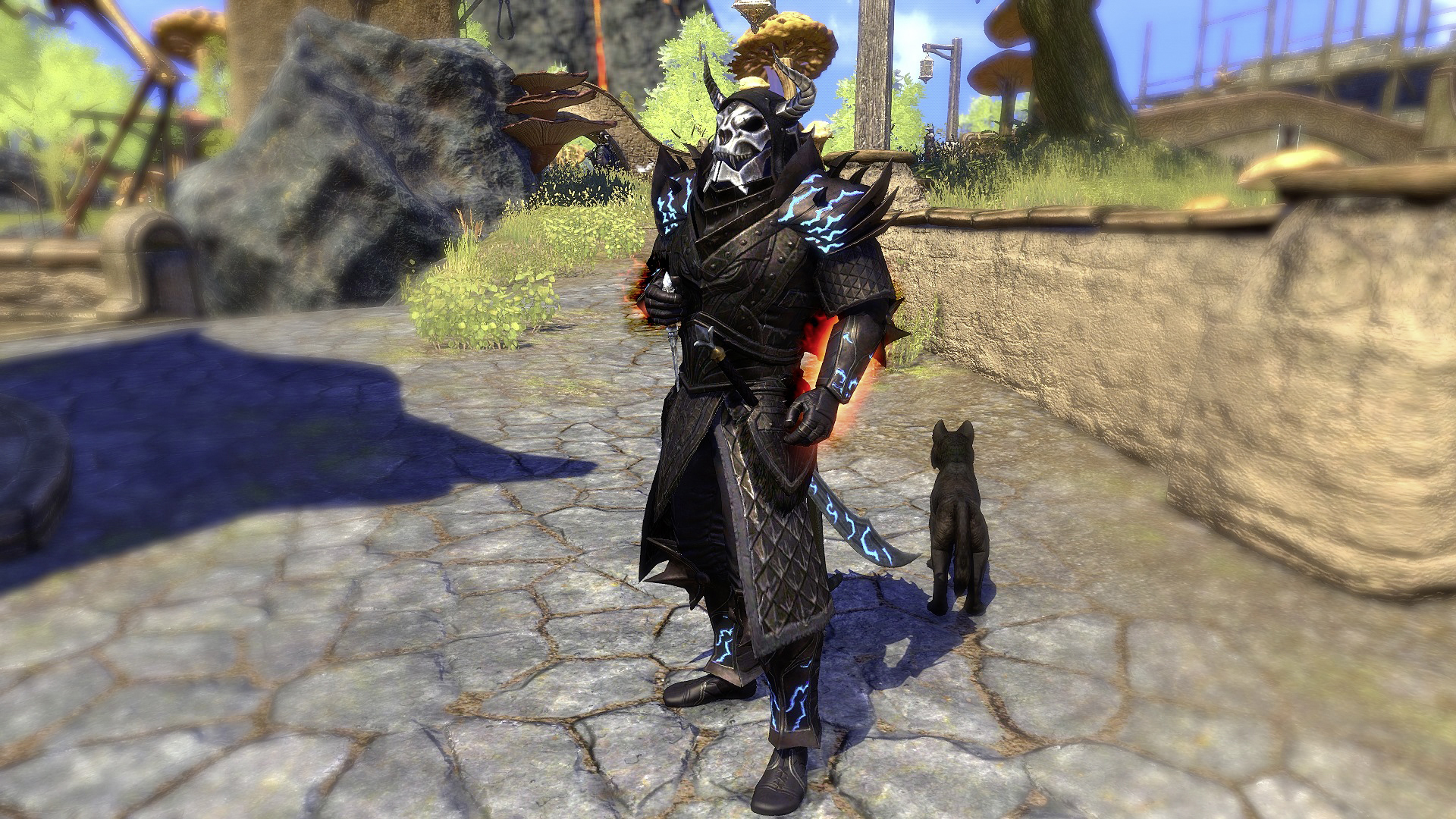
The simplest battleground variant is deathmatch, where it’s simply about knocking out enemy players, which earns your team points. Just a typical deathmatch. Of course, a bit of tactics is still not a bad idea – the team that advances together, heals each other, and supports one another is more likely to claim victory than a group of loners.
Another mode is the relic hunt, which plays exactly like capture the flag: each team defends a relic and tries to steal the relics from the enemy teams. In the domination mode, you hold and defend control points marked by flags on the map, which you might know from other games under the name “Domination”. Hold as many points as you can for as long as possible and prevent enemy players from capturing points!
This mode has two variants. One of them is called King of the Hill. This basically runs similarly to domination, except that there is only one control point that appears in a random location on the battlefield and disappears after a while to reappear elsewhere.
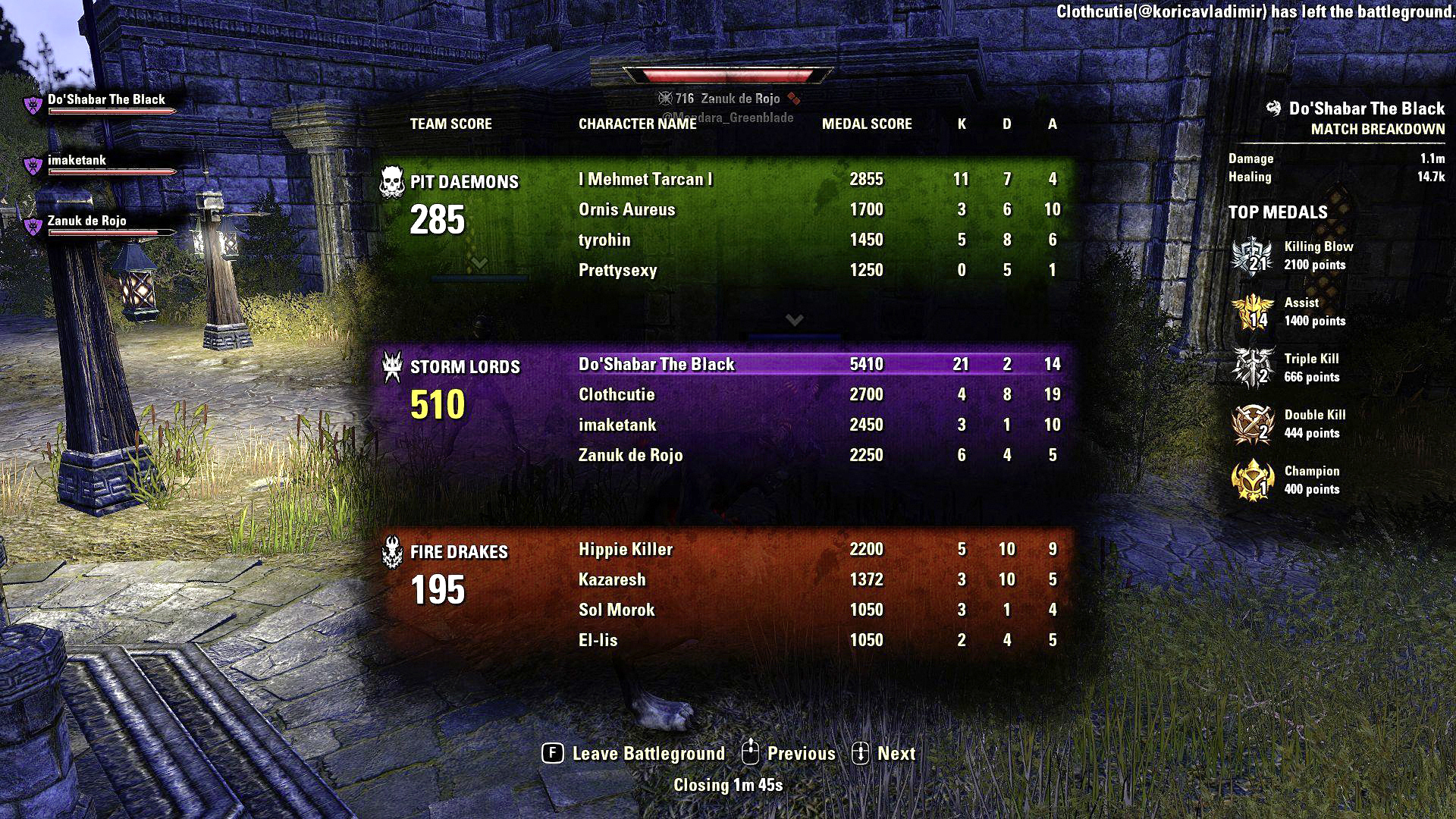
The other variant is Chaosball. Instead of a control point, you hold a ball that appears in the center of the battlefield. Points are only awarded to the team that has control of the ball. However, this pesky ball harms its holder and weakens him continuously, so a single player can never hold the ball for an indefinite period.
In addition to crafting motifs and rank points for alliance ranks, you also earn alliance points for these activities, which you can use to shop in Cyrodiil. There, you can get not only siege weapons but also legendary set rings and necklaces and legendary pieces from monster sets.
You will find these at a shopkeeper with a golden glow, Adhazabi Aba-daro, who appears in Cyrodiil every weekend and regularly sells changing items. You can always find out what the lady has on offer on the website BenevolentBod.
Additionally, you will regularly receive small reward packages with gold, transmutation stones, and set items in the mail for your participation. Each week, the best and most active players receive additional rewards – regular participation is definitely worth it.
By the way, you are not only rewarded for kills or damage but also for healing, protecting and conquering relics and control points, and similar actions that contribute to your team’s victory.
For the Risk Takers: The Imperial City
You can sign up for the Imperial City campaign through the Alliance War menu, with or without CP. Here, you primarily fight for Tel’Var stones, which you can exchange at merchants for unique equipment sets, cosmetics, and rare valuable crafting materials.
The latter is an excellent way to transform the coveted stones into gold because the materials are in high demand from other players. This part of the game is PvPvE. This means: You fight against both enemy players and monsters.
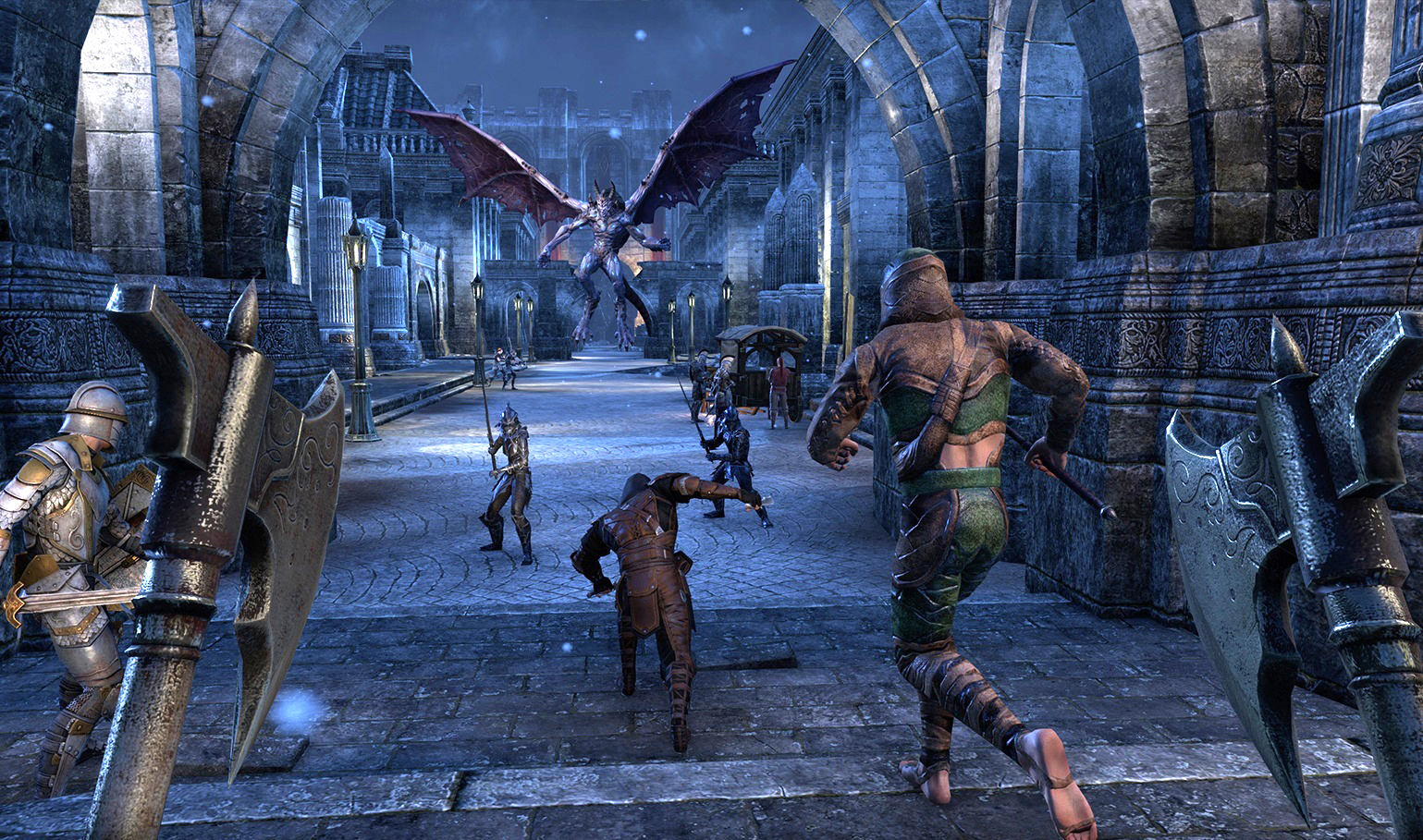
The Imperial City is divided into six districts. In each of them, Molag Bal’s minions are up to no good and begging for a beating. If you smash the AI opponents, they drop the coveted Tel’Var stones.
Your main goal is to knock out as many enemies as possible and gather stones to buy rewards. It’s important to note that enemies drop more stones the more you already have in your possession. This naturally motivates you to carry as many stones as possible. However, there are two catches.
Firstly, there’s the risk of dying. Upon death, you lose half of the Tel’Var stones in your possession. The more of this currency you carry, the greater your loss if you kick the bucket. And then there are the players of enemy alliances. They are not only interested in your death to ruin your day – if you take down an opponent, you receive half of their stones.
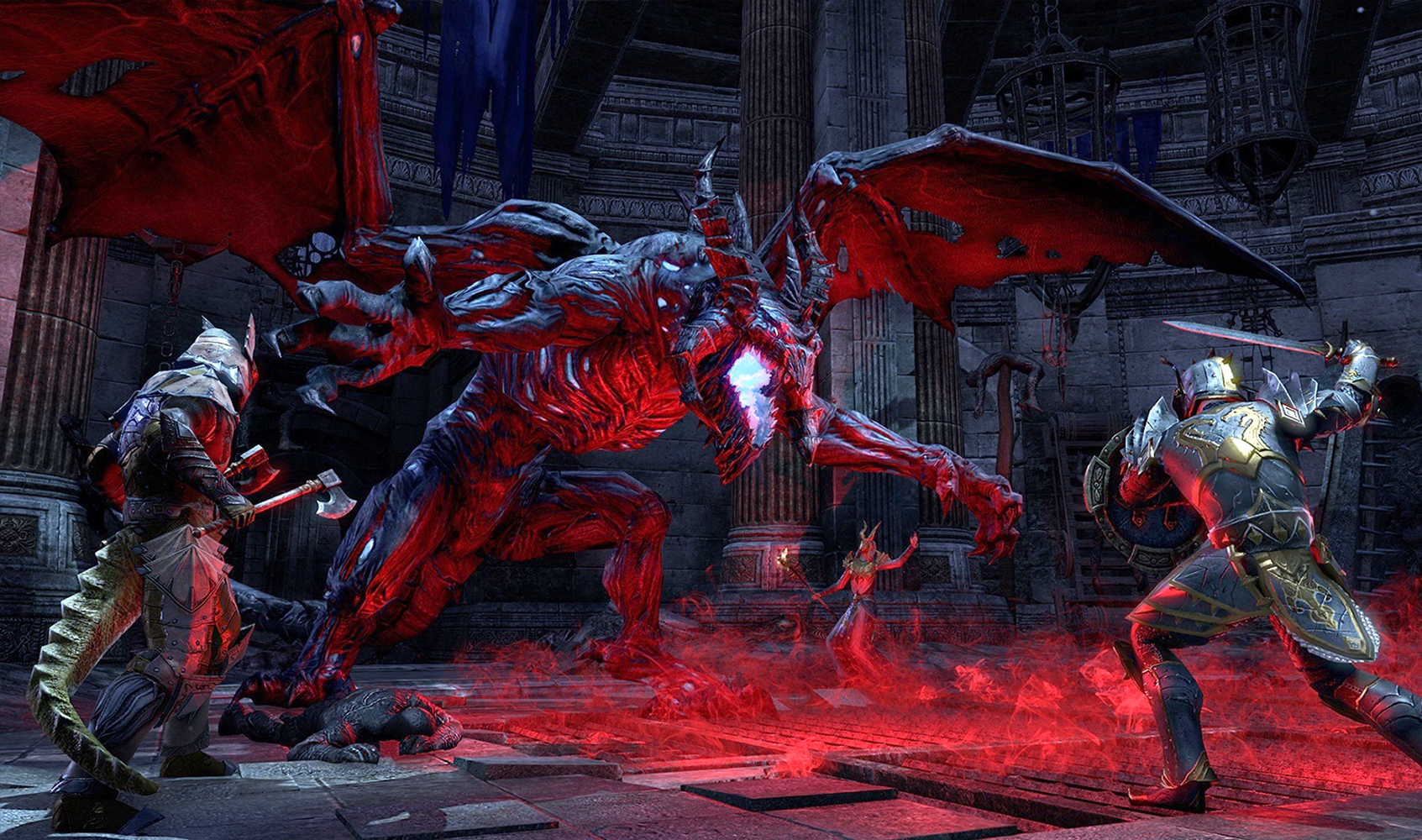
Usually, your death due to this mechanic is only a matter of time, which makes the trip to the Imperial City a nerve-wracking experience. Do you carry large amounts of currency to cash in properly through PvE kills and risk massive losses upon death? Or do you prefer to deposit the currency regularly, take smaller risks, progress slowly, but avoid risk?
Players can capture and control every district of the Imperial City for their alliance. The more areas your side controls, the more stones you receive when killing the powerful bosses that roam the districts. Additionally, you also loot fragments of keys that allow you to plunder treasure rooms in the outer ring of the Imperial City and in the two Imperial City dungeons.
Underground Battles
Under the Imperial City lies a sewer system through which you can reach all districts. Here, you exchange your stones for rewards and pick up daily quests. Of course, you won’t find a resort down there.
Open PvP between alliances also takes place in the sewers, and there are also powerful bosses that drop Tel’Var stones again. The amount in this case also depends on how many players are involved in the kill – the fewer allies, the better the loot.
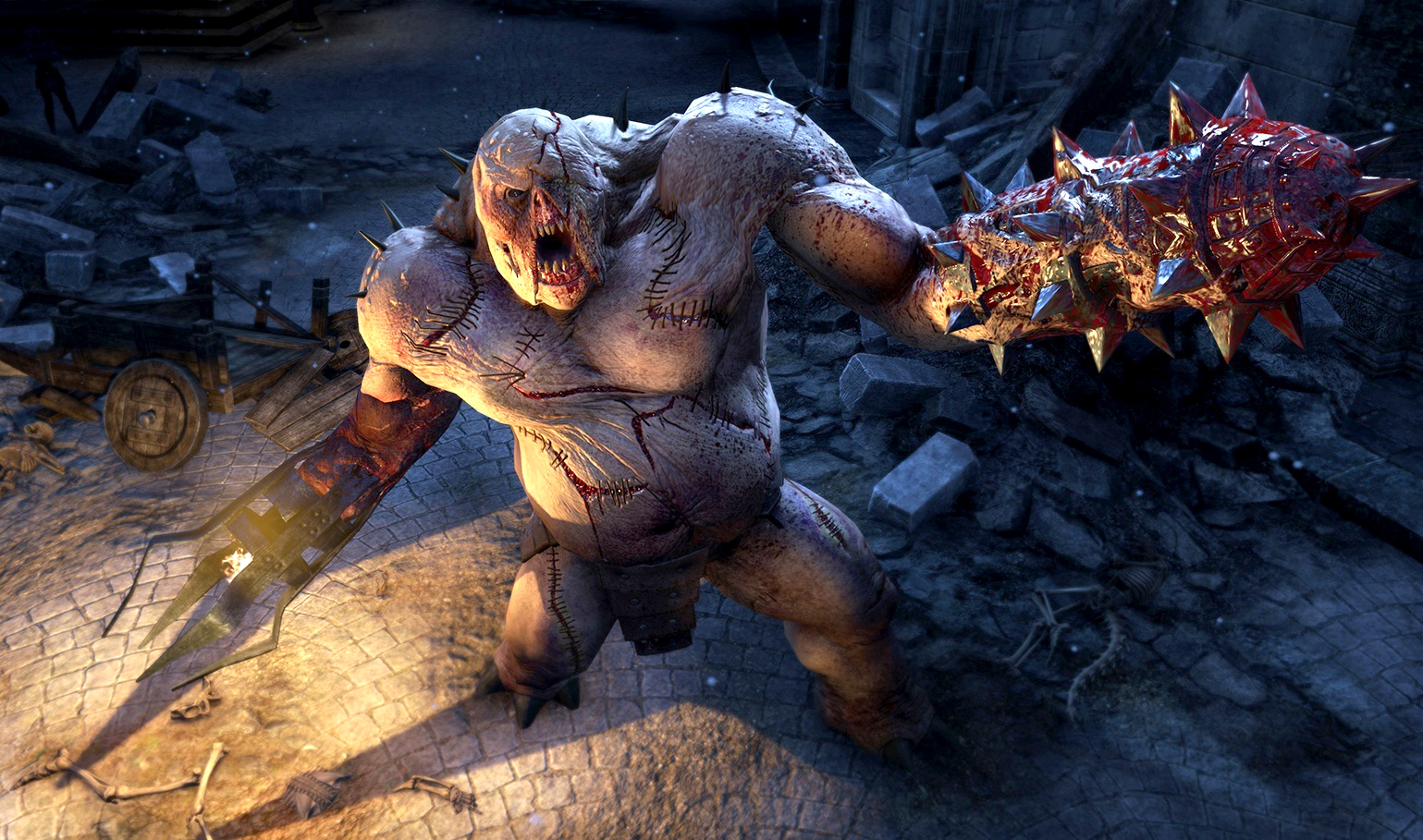
In the middle of the sewer system, the Barathrum Centrata, there are three portals that summon powerful Xivkyn generals. If you have a few friends with you and manage to close all three portals before being overwhelmed by enemy players, you can fight against a simulacrum of Molag Bal. If you win, you can snag various treasure room items here. Occasionally the boss also drops a pet or a skin.
Basically, there are fewer players here than in Cyrodiil, where even inexperienced players can achieve success by helping with sieges. The trip to the Imperial City is more worthwhile if you have like-minded allies with you and possess a certain degree of frustration resistance. Of course, you can also venture out alone, but you must then expect to be repeatedly mowed down by the same enemy players. The bosses are also quite challenging in the version without CP.
The Pinnacle of PvP: Cyrodiil
If you are into brutal mass battles with heavy siege machines, hundreds of players, and weeks of fierce ranking fights, then you’re in the right place. In Cyrodiil, huge armies of players clash, emperors are crowned and just as quickly thrown down from the throne, and talented tacticians and leaders become legends of their alliance.

And there are a few PvE quests alongside smaller public dungeons and skyshards here too. Unsurprisingly, these are generally ignored because it simply isn’t fun to suddenly be trampled by 200 players while picking flowers or hunting wild boars.
Not for Loner Players
For antisocial players, the first rule when entering Cyrodiil is: Zone chat on! Here, it’s discussed where sieges are taking place, in which fortresses defenders are needed, raids on scrolls are planned, and yes, of course, there’s also the occasional whining, because we are in PvP after all.
Whoever wants to know what’s going on in the campaign can’t avoid the chat. Besides, you really won’t enjoy particularly high survival chances in Cyrodiil if you go out alone. Play the tutorial, learn how to use siege machines, take a few with you, and write LFG in the chat. Follow your fellow players for a while, then the rest will fall into place by itself.
Traveling with Transitus
You can use the so-called Transitus shrines to fast travel in Cyrodiil, which burn with blue fire and connect points controlled by you on the map. It’s important that you understand how to use these shrines to help your battle group in Cyrodiil.
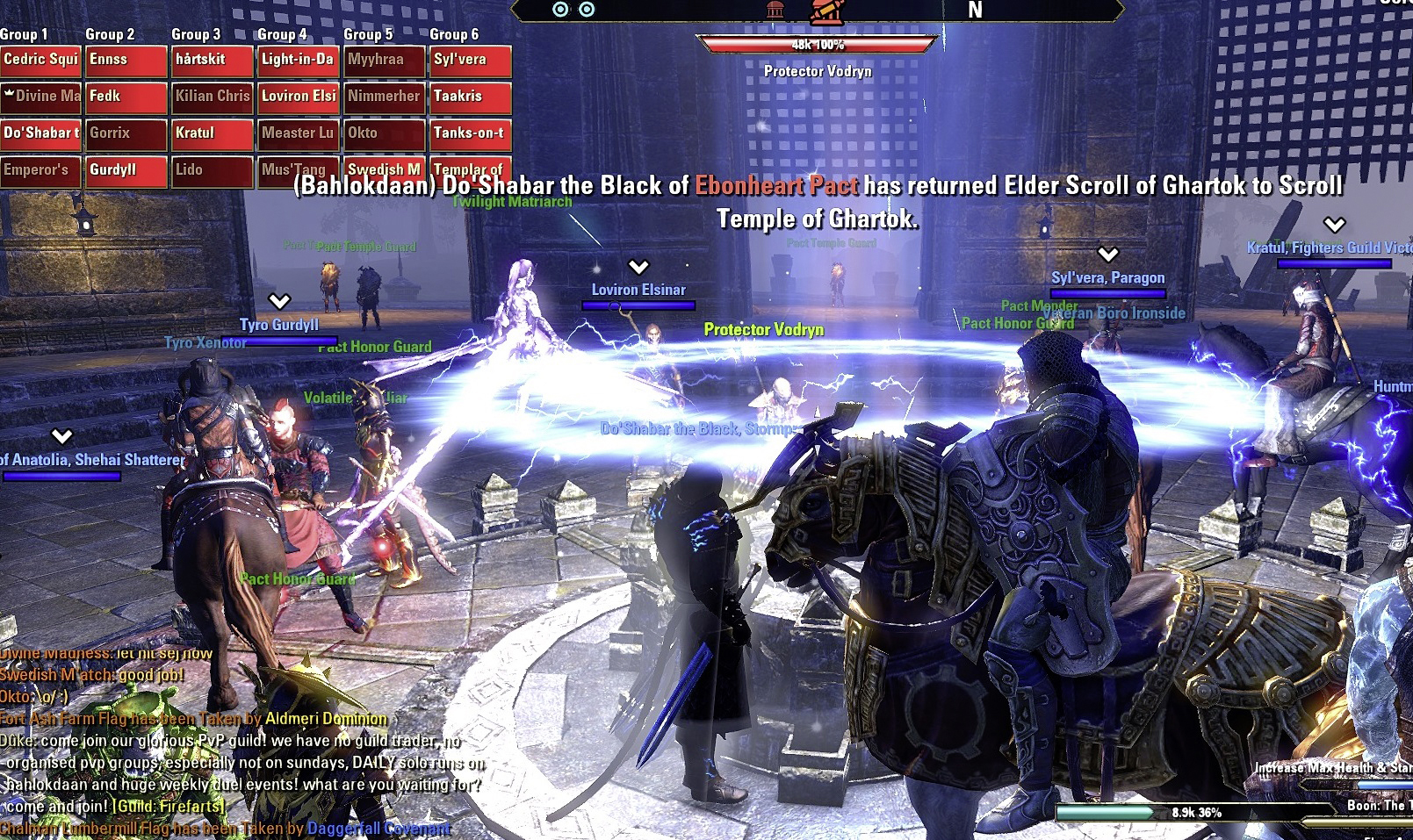
You can also try to catch up with your fellow players on foot or on a mount. However, this way you’re unnecessarily delayed and can be intercepted at any moment by hidden players. Be smart, use shrines! You can see their active connections at any time on the world map.
In principle, you can travel to anything that is owned by your alliance, as long as your target area is not being actively attacked, has lost surrounding production facilities to the enemy (a farm, a mine, and a sawmill), or another map point on your direct route to your destination has fallen into enemy hands.
Occasionally, you will also receive consumable stones in the mail for participating in Cyrodiil PvP, which allow you to teleport to locations owned by your faction, even if they are cut off from the Transitus system.
What am I supposed to do here?
Essentially, Cyrodiil is the battle for the Imperial Crown. If an alliance conquers all six fortresses distributed around the Imperial City, the player of this faction with the highest score in Cyrodiil becomes the emperor.
This grants them powerful buffs and corresponding advantages in battle. As a result, the other two factions often ally against the alliance that currently has the emperor. If the emperor’s alliance loses control of all six fortresses in the center of the map, they are immediately thrown off the throne.
As exciting as all this sounds, the race for the Imperial Crown is rather irrelevant for most players. To have a real chance at the throne, you need to play for hours day and night to earn more points than all your competitors in Cyrodiil.
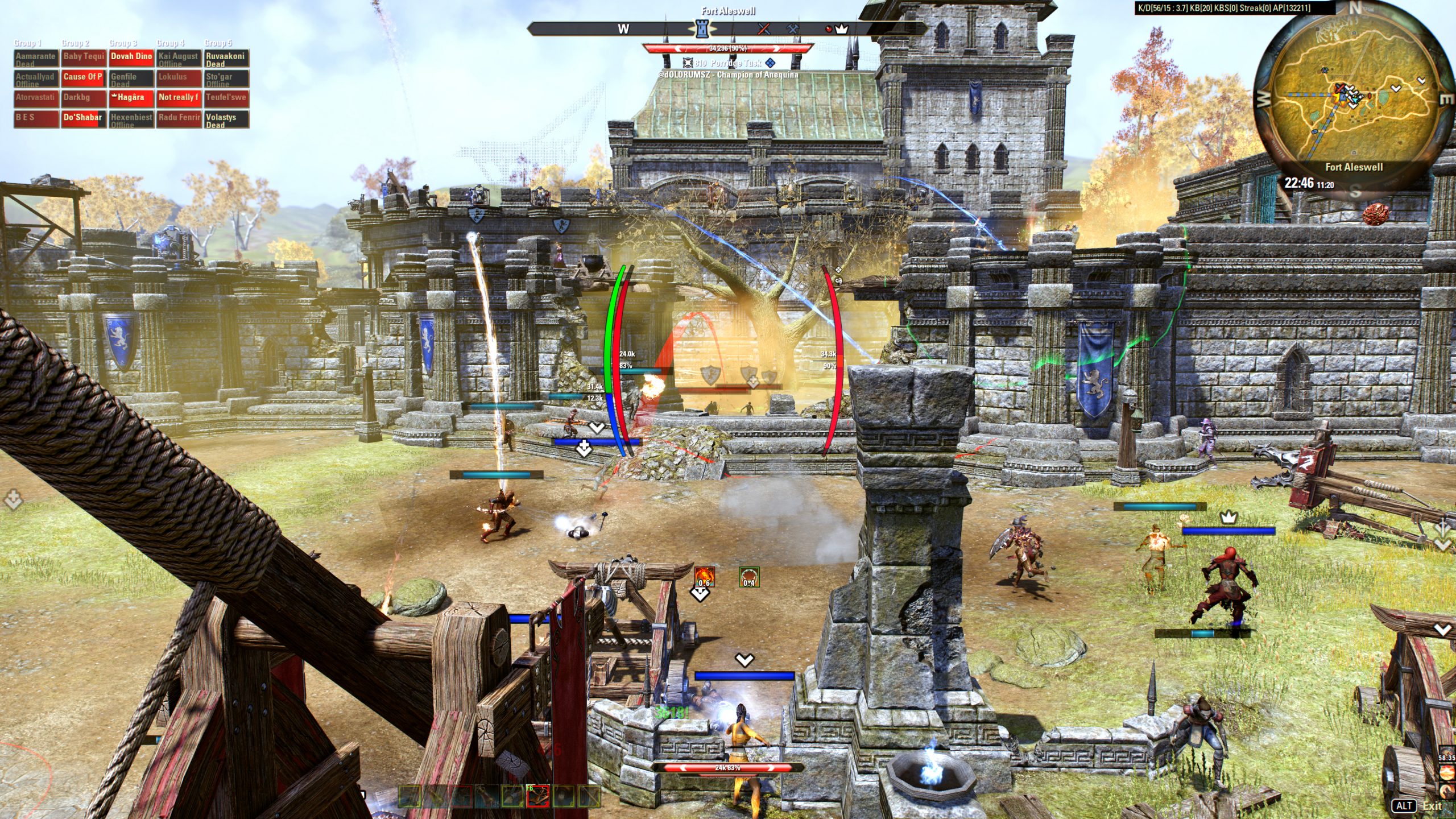
Nevertheless, the fun is worth it, even if you might belong to the common rabble for a lifetime. For your efforts, you earn alliance points that you can use to buy legendary rewards from the merchant Adhazabi Aba-daro on weekends.
Moreover, you can only obtain the aforementioned skills from the Alliance War here. By diligently completing the repeatable daily quests, in which you take out enemy players, capture fortresses, and complete other PvP activities, you will also quickly rise in the alliance ranks, which awards you skill points each time.
In addition to hefty rewards for your participation at the end of a campaign (especially if your side wins), you will also regularly receive reward packages in the mail while playing in Cyrodiil. These contain exclusive set items, gold, and transmutation stones. This way, you can comfortably equip yourself epically alongside your gameplay and strengthen yourself with set bonuses while also improving your account.
How do I know what I should do?
When you pull up the map in Cyrodiil, you can see at a glance which alliance currently controls which points on the map. Contested castles are highlighted on the map. Typically, you play here in a raid that either helps your side’s attackers conquer enemy fortresses or takes refuge in one of the castles under your control to fend off enemies from there.
On the map, you can see where your group members are currently located, and the leader of your group usually marks your next target, which you can recognize on the map and compass by a red, pulsating circle. If you don’t have a group, check the map for which reachable locations are currently being attacked and help your side.

Between sieges, always invest a few alliance points in fresh food and siege machinery. A player who has eaten has many thousands more health points than a fighter with an empty stomach. A battering ram breaks down a gate of an enemy fortress much faster than a friendly smile. You don’t have to be perfect warriors with the best equipment to make a difference in Cyrodiil.
A cleverly placed ballista can turn the tide of battle in your favor, even if you otherwise struggle to find the sharp end of your sword. In the Cyrodiil tutorial, you can learn to use siege weapons at your own pace. Those who stand around uselessly and do not help their group will worst case get kicked out. When alliances are neck and neck and every point counts, leaders rely on capable teammates.
Become a Leader Yourself
People hate responsibility and often prefer to have someone in charge. This is also the case in Cyrodiil – it is not unusual for piles of players to seek groups in chat, but no one has the courage to start one themselves and invite and lead comrades. Use this to your advantage!
Of course, not right in the first five minutes and while you are still learning how everything works. However, good, victorious group leaders are remembered by the community; you quickly make friends, connect with like-minded players, and thus have better chances of perhaps one day reaching the Imperial Crown.
Critical Resistance and Penetration in PvP?
Unprotected, you take at least 50 percent additional damage from critical hits. If your opponent is specialized in critical damage, that quickly becomes 80 percent or more. Therefore, it is worth distributing some champion points in the steed constellation under Resistant to increase your critical resistance.
Additionally, armor pieces with the Insensitive trait are excellent for further increasing critical resistance. At a resistance value of 3,300, you negate incoming critical hits with 50 percent additional damage. This can mean the difference between life and death.
This is How You Become a Tank Buster
Since many players know this and armor up accordingly, you should not neglect penetration, whether physical or magical. This is also important in PvE when you play veteran content and similarly challenging content.
If you are mostly doing zone quests and simple dungeons, neglecting this value is not the end of the world. But in player fights with active CP, you can never have enough penetration!
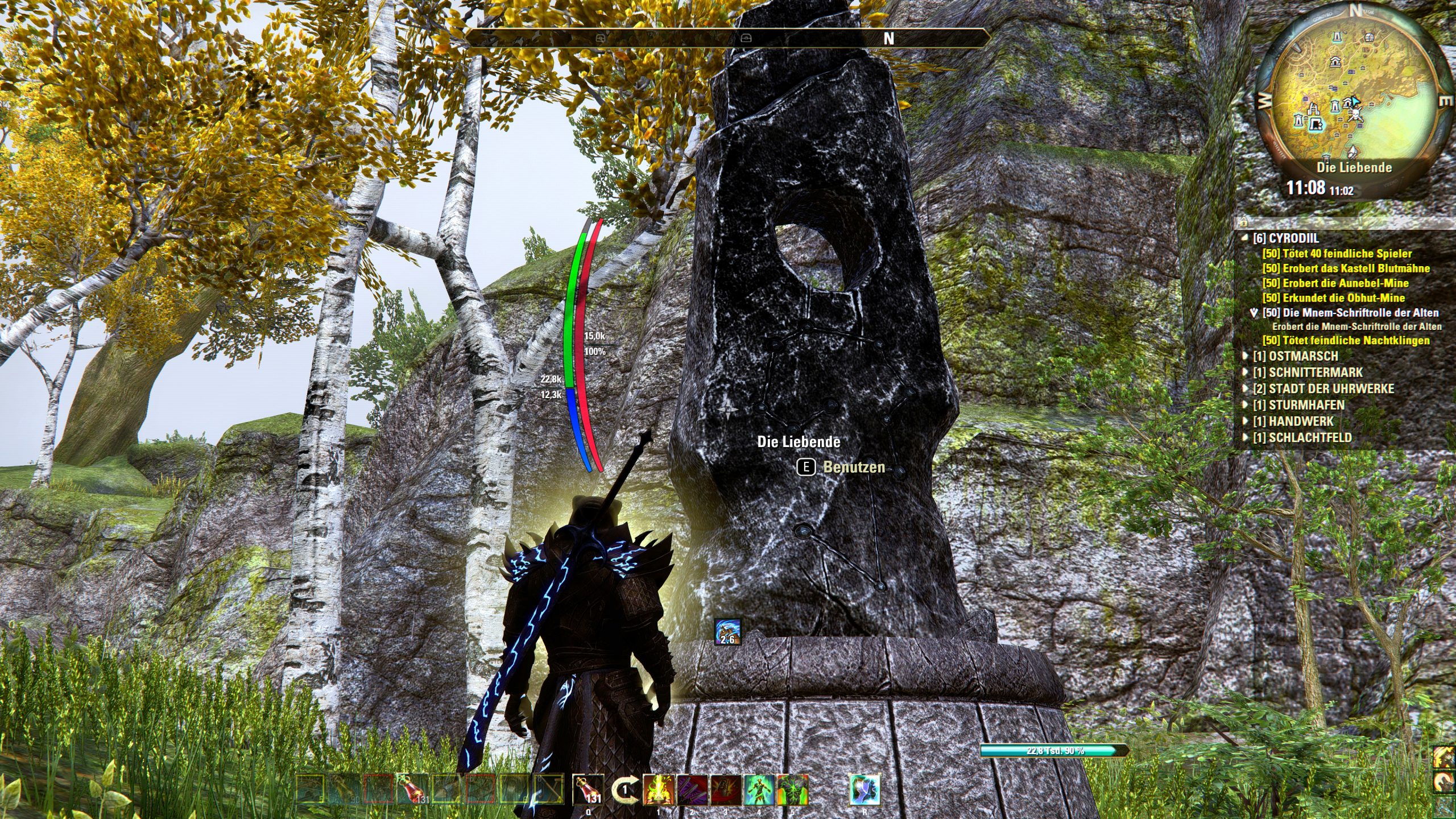
Penetration can be obtained through the Lover’s Blessing, passive bonuses from light armor (for spells) and weapons (maces, clubs), as well as through CP. For armor penetration, the Penetrating trait in the Ritual constellation is ideal, for magic penetration, distribute points on Sorcery Erosion in the Mage constellation.
The weapon trait Sharpened also provides greater penetration. Caution: The developer Zenimax is currently experimenting with granting players a minimum value for crit resistance. Starting June 2020, it may be the case that you can also get by with fewer CP and CP gear.
Full Risk, Also with Gear
The Imperial City plays with your risk appetite. This is echoed in one of the exclusive sets you can loot here: Imperial Physique. Besides rather modest buffs on stamina and magicka regeneration and some weapon and spell power, the full set grants you an additional 1,032 points in health, magicka, and stamina. This value increases by 600 percent if you are carrying 10,000 or more Tel’Var stones in the Imperial City.
· This is how you can even complete dungeons alone
· The best class for every playstyle
· 4 tips on how to optimally prepare for Greymoor
· This is how the Crown Store works
· These are the most useful UI mods for ESO
In a direct confrontation with an enemy player, you clearly have the upper hand. The downside is that this effect also surrounds you with a bright blue aura, making you shine like something out of Rambo’s toy box. On the one hand, you signal: “Don’t come near me, I’m buffed to the brim!” On the other hand, you paint a giant target on yourself. Because players know – if you die, stones rain down!
Four Types of Cyrodiil
Before you dive into the big PvP, you first need to choose a campaign in the Alliance War menu. “Campaign” simply means that the PvP battles have a specific duration, at the end of which the faction with the highest score is declared the winner.
The better your side performs, the better rewards you receive in the mail if you participated in the campaign. After that, everything resets, the points of the factions are nullified, and you start a new round. Currently, there are four campaigns available for Cyrodiil.
There are the flavors Standard, Standard without CP, and Up to Level 50. The standard campaign is exactly that – your bonuses from champion points count, and every character from level 10 is allowed, the campaign lasts 30 days, and you can join heroes from different alliances.
The campaign without CP works the same way, except that you do not benefit from buffs and bonuses from champion points. The Level 50 campaign has a shortened duration of seven days. Here also, CP is disabled. Additionally, there is also the campaign titled Alliance Locked.
This runs exactly like the standard campaign, except that you can only join with heroes of the same alliance. For example, if you enter this campaign with a character belonging to the Ebonheart Pact, other heroes you want to bring into this campaign in Cyrodiil must also belong to the Ebonheart Pact; otherwise, they cannot enter. This aims to encourage players to remain loyal to their respective alliance and not keep switching to the faction that currently has the upper hand.

Your opinion is important to us!
Do you like the article? Then let us know!