

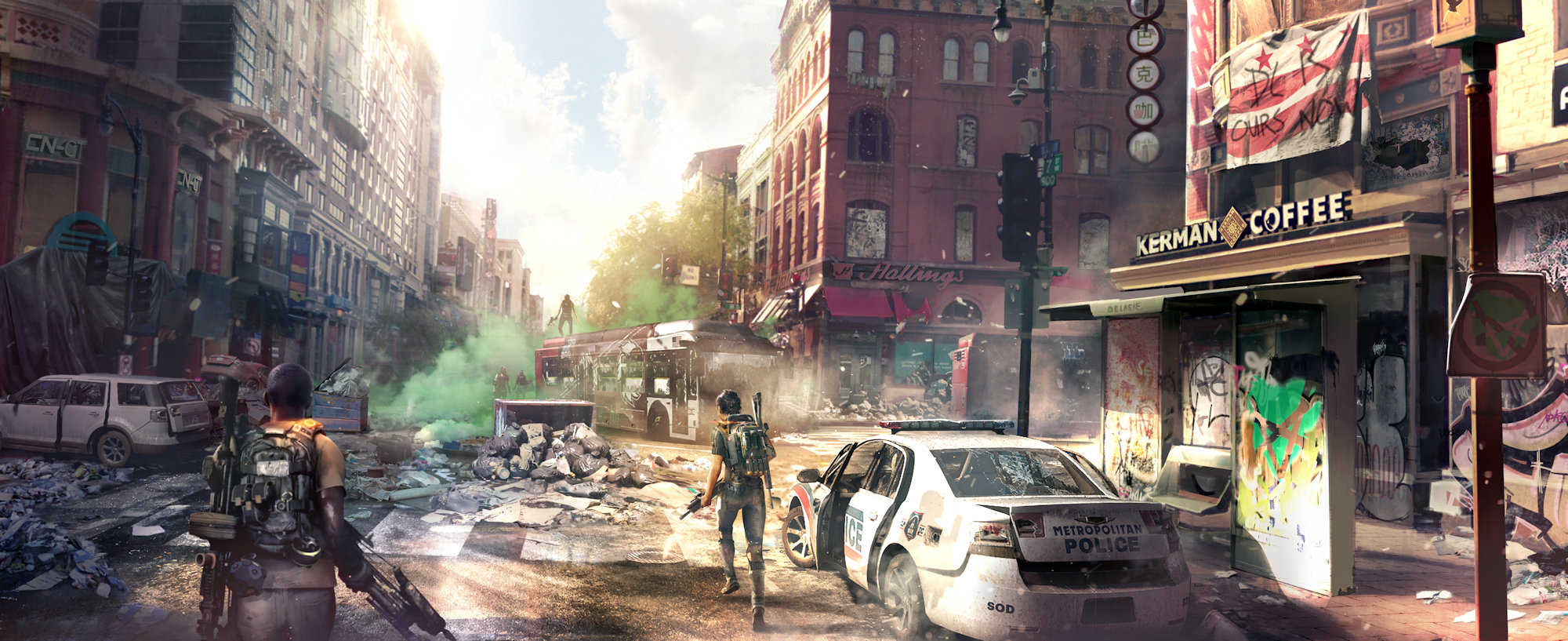
The setting of The Division 2 takes place in a post-apocalyptic version of Washington D.C., yet players are not supposed to interpret political statements into the game. Why do Ubisoft and Massive avoid political statements?
Ubisoft’s games often invite interpretations with their settings. Is there a political message or a vision of the future behind the post-apocalypse? Is there a hidden reference to Trump in corrupt Washington? Not if it depends on Ubisoft and Massive.
The developers avoid any positioning or political statement. They simply do not want to demonstrate a political stance, as this is bad for business.
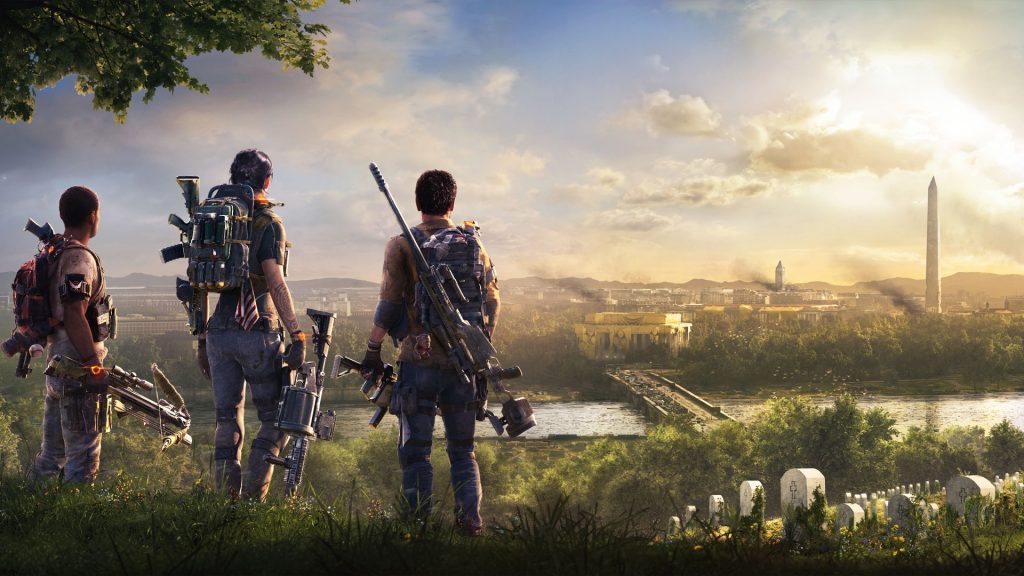
No specific stance on politics in The Division
Why avoid political statements? According to gamesindustry.biz, Massive’s CEO, Alf Condelius, stated during the Sweden Game Conference, that The Division is not a vision of the future for Massive, but pure fiction, without reference to current politics.
In The Division, for example, it is a dystopian future. There are some interpretations that this is something we have in our current society that is developing in this direction, but it is not – it is a fantasy.
According to Condelius, it is merely about how one survives as a good person in a crumbling world. They want to distance themselves as much as possible from others’ interpretations, as they do not want to take a clear stance on current politics.

Politics bad for business? Economic factors would also play a role in this topic. A clear political stance would be economically disadvantageous.
It is also bad for business if you want the honest truth… but it is interesting and it is a discussion we are having, which we are also having with users. […] People want to interpret the universe we create, and they want to see their own reality in the fantasies and stories we provide them.
One advantage of this approach is that by avoiding clear political statements, they remain open to players’ interpretations. Apparently, there is concern about alienating players with political statements.
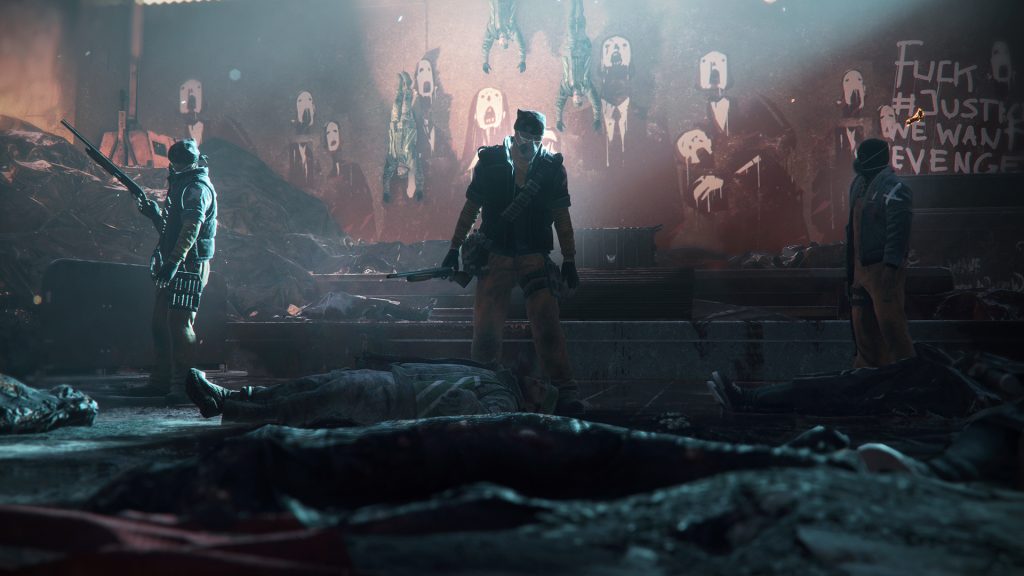
They don’t want to “shove politics in players’ faces”
Another example that Condelius mentions is the Avatar game that Massive has been working on for some time. The brain behind it, James Cameron, pursues a clear line with Avatar.
James Cameron’s vision for the film is that we as humans need to do something, otherwise we will destroy the world if we keep going as we are. That is political, but we are not going to go out and say that you should vote for this one person or not. But it is still a political statement, and we find it important, but we will not shove it in anyone’s face.
If you want players to spend many hours with your games, you shouldn’t want to explain everything. That would be boring and would feel like an educational film from school.
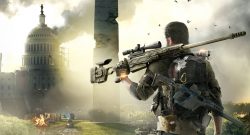
Ubisoft and politics have been a theme for some time
The fact that this discussion comes up repeatedly is also due to the scenarios and hot topics that Ubisoft’s games often utilize.
- In Far Cry 5, you must eliminate a cult in the USA as a police officer that has taken over entire regions and villages.
- The Division 1 & 2 send you as a secret agent of the US government to combat the effects of a plague in two of the most important cities in the USA. The first story trailer for The Division 2 even hints at a conspiracy within the US government.
- In Ghost Recon: Wildlands, an American special ops team overthrows the government of another country.
- The current Assassin’s Creed: Odyssey takes place in ancient Greece and often touches upon democracy and oppression in its quests.
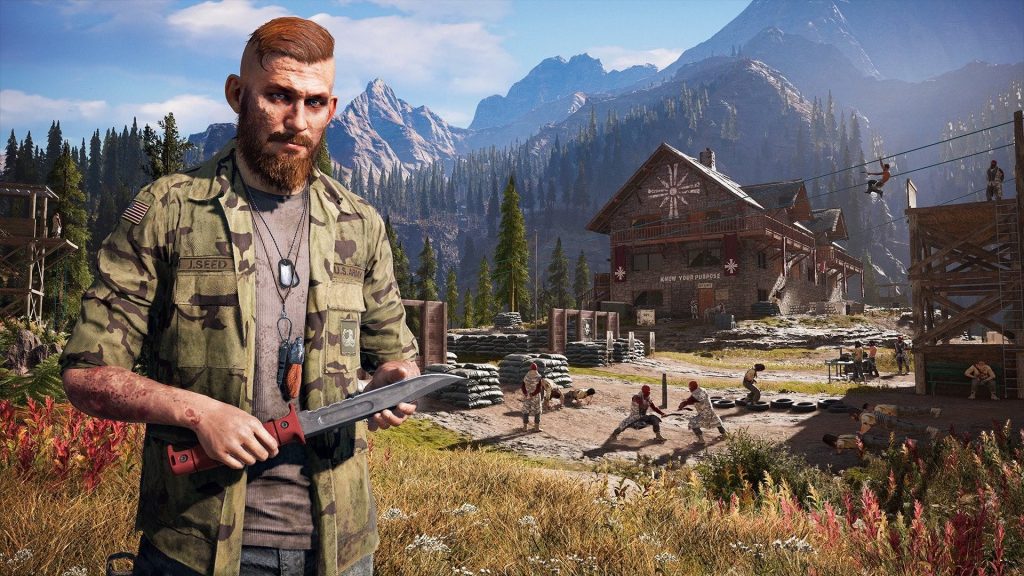
Despite everything, Ubisoft does not want to take a political stance. However, that it can be done completely differently, CD Project shows with Cyberpunk 2077. From the beginning, the developers made it clear that their game would be political and that they would not shy away from it.
Would you prefer clearer positions? Or do you find politics in games annoying?


Your opinion is important to us!
Do you like the article? Then let us know!
Comments