

Guild Wars was never the loudest, but always one of the most idiosyncratic MMORPGs. After the announcement of Guild Wars 3 the old fascination is suddenly back. Our author Benedikt Plass-Fleßenkämper analyzes for Grindfest 2026 why this series has survived for 20 years, what sets it apart from other online role-playing games, and why ArenaNet now has to do a lot right.
Suddenly everyone is talking about Guild Wars again. The series was never in the spotlight like World of Warcraft or Final Fantasy XIV – nor was it one of those supposed WoW-killers that came in big and then disappeared shortly after.
Guild Wars always ran a bit off the beaten track. That was its greatest strength for a long time. Suddenly, around Guild Wars 3, an announcement, an Steam entry, strong wishlist numbers, and the Reforged remake of the first part make many players realize again: There was still something there.
In the MMO genre, Benedikt spent many years deep in World of Warcraft and was also heavily active in Star Wars: The Old Republic and Destiny. He only played the Guild Wars series sporadically but has followed it closely over the years – as well as the MMO market overall with the necessary mix of nostalgia, fascination, and skepticism.
According to Geoff Keighley on X, Guild Wars 3 even landed in second place among the most desired Steam games after the Summer Game Fest among the announcements shown there. Remarkable for a series that has rarely been at the forefront of major MMO discussions lately.
Guild Wars 3 has been officially announced, listed on Steam, and leads into the old Orr. Beta sign-ups for testing starting in fall 2027 are possible. Much more is not known yet. Nevertheless, the old Guild Wars fantasy is awakened in many fans again – not only because of part 3 but also because of the game feel that Guild Wars once stood for.
With this trailer, ArenaNet officially announced their Guild Wars 3:
ArenaNet already built the anti-WoW design in 2005
Time jump to 2005: World of Warcraft had just catapulted the genre into a new dimension – vast worlds, thousands of players, monthly fees, guilds, raids, and a hamster wheel of quests, loot, and goals. This mix pulled me deep into WoW back then.
Let’s face it: whoever developed an MMORPG back then ideally wanted a piece of the subscription pie. ArenaNet consciously chose a different path. The studio founded by Blizzard veterans released an online role-playing game that, although it looked like an MMO, violated important genre rules in critical points.
Guild Wars worked like a coop RPG with MMO elements: cities, villages, and outposts were meeting points for trading, questing, and group searching. The adventure areas were instanced and usually designed for groups of up to eight players.
During this week, you can expect exciting articles every day around the topic MMORPG. Included: nostalgic reflections, exciting analyses from renowned industry veterans, previews of upcoming online role-playing games, and engaging streams.
Here’s the program for the big MMORPG theme week 2026 by MeinMMO
On top of that came perhaps the cheekiest statement of this WoW era: no monthly fees! You bought the game and could get started. No subscription trap, no pressure to make every paid minute count.
Outside, the zone belonged to your group. You ventured out with friends or filled empty slots with NPC companions, without having to fight other players for enemies, quest goals or collectible items. No kill stealing, no loot disputes, no crowding at the quest mob.
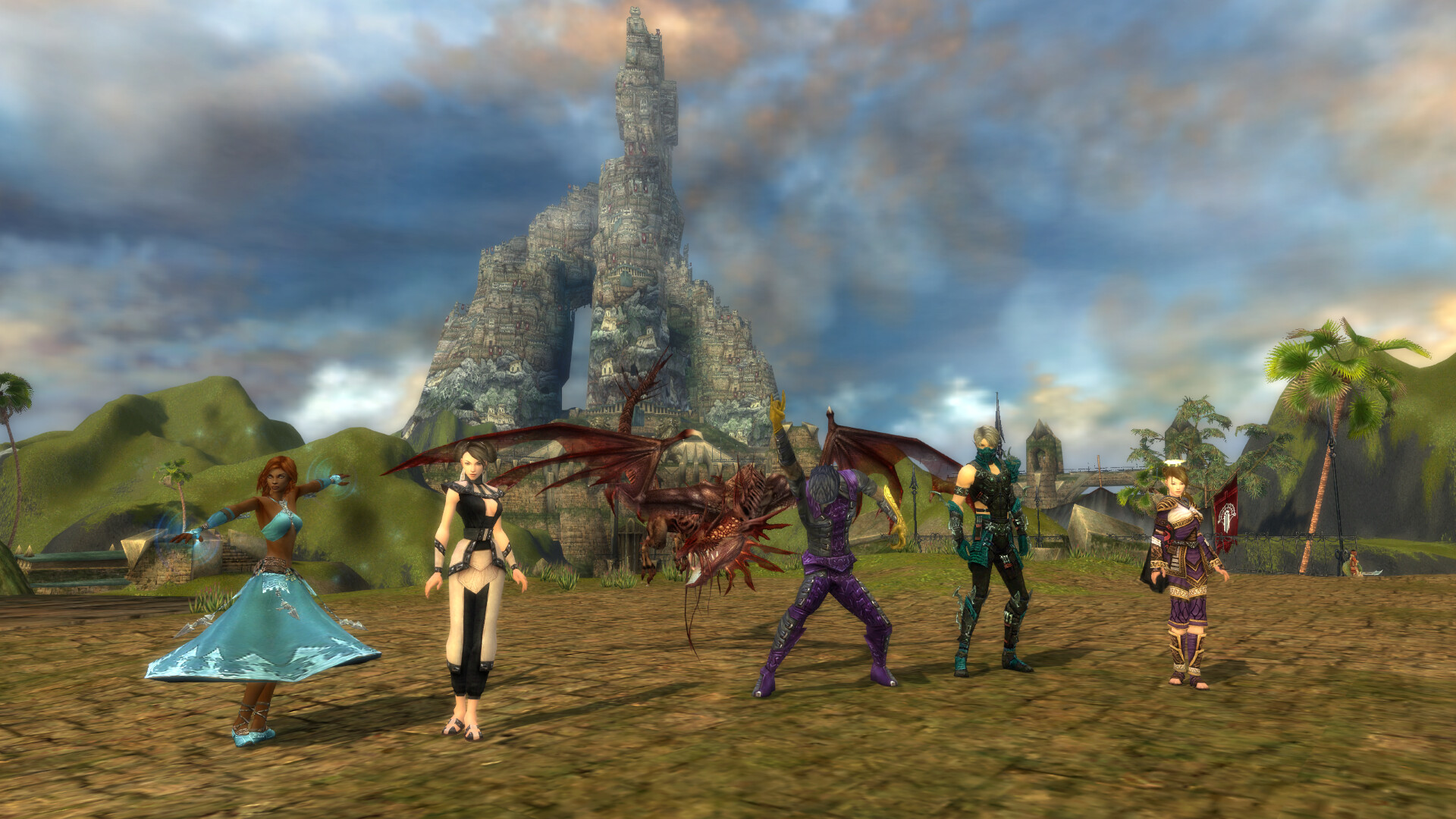
This created a large part of the special Guild Wars feeling. ArenaNet was able to stage missions better, incorporate cutscenes, and tell events in a more controlled manner. The world also felt more believable, as the just-defeated miniboss didn’t come back to life on the street shortly thereafter. Only upon re-entering was an area reloaded.
The price for this: Guild Wars did not feel like a completely free MMO world like World of Warcraft, but rather like an adventure map with open paths and clear edges. While WoW conveyed the feeling of being able to climb every hill and jump off every cliff, Guild Wars relied on guided areas, invisible boundaries, and the absence of jumping. Spontaneous PvP in the wild was also not intended; competitions took place specifically in arenas or designated areas.
Level 20 was just the beginning
The progression system was even more radical. While other MMOs pushed their players through ever new levels and higher numbers, in Guild Wars, the cap was already at level 20. After that, it was less about just becoming stronger but rather about playing smarter.
Each character could combine a primary and a secondary class and mix their skills. From the large array of abilities, however, only eight skills could be equipped simultaneously. The selection could be changed in cities or outposts before heading back out into a mission or an instanced area.
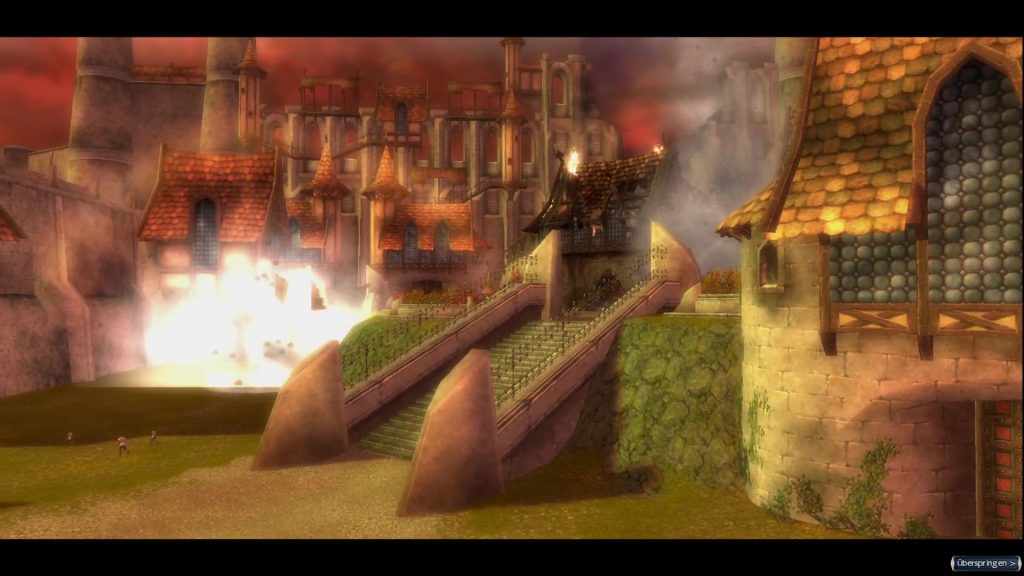
Here are some impressions from Guild Wars Reforged:
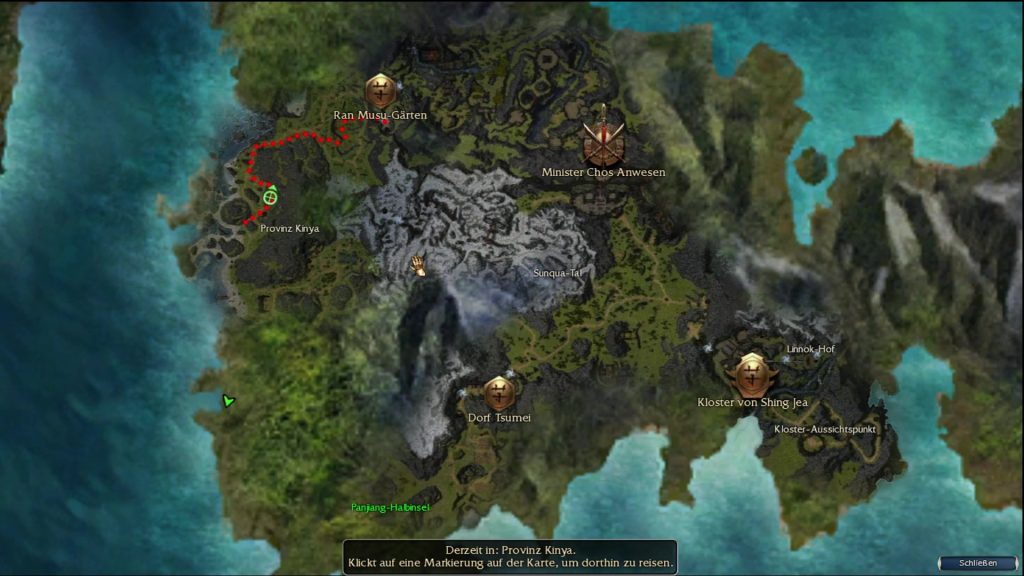
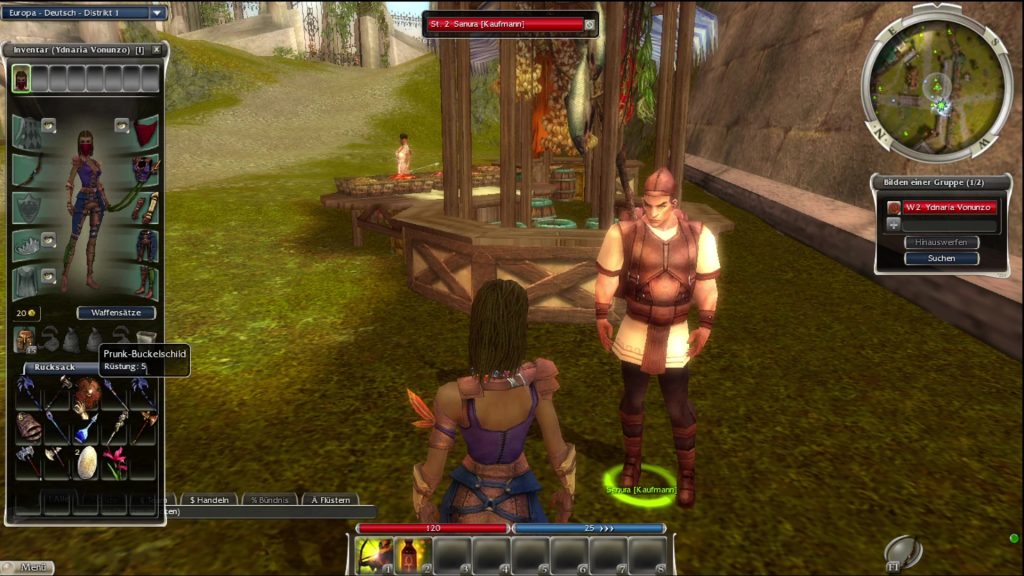
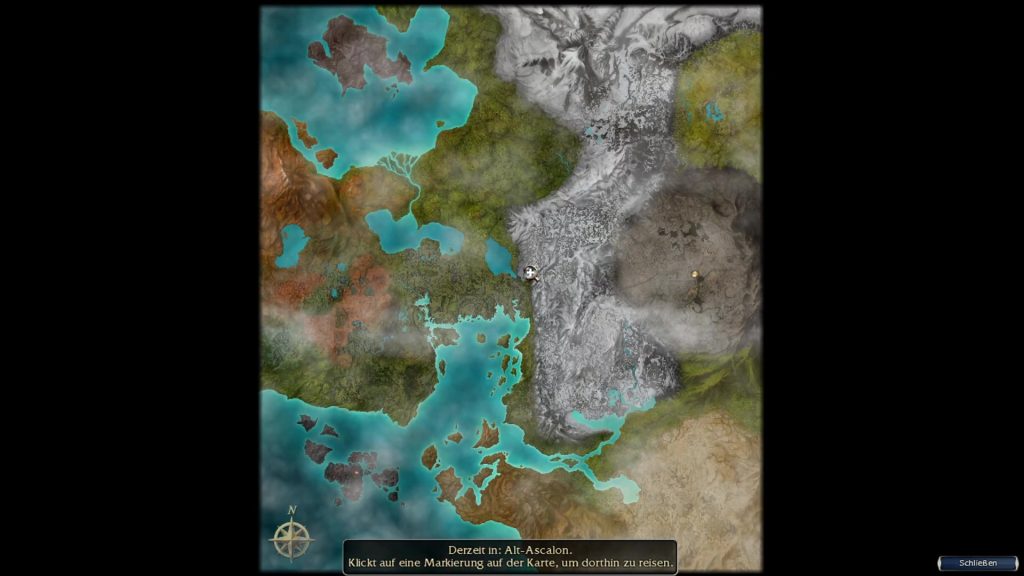
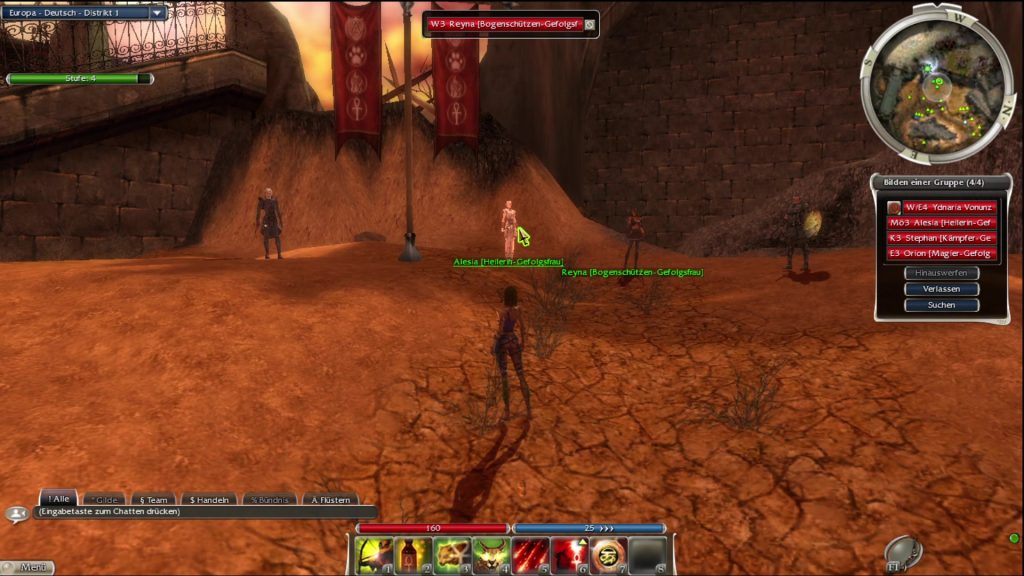
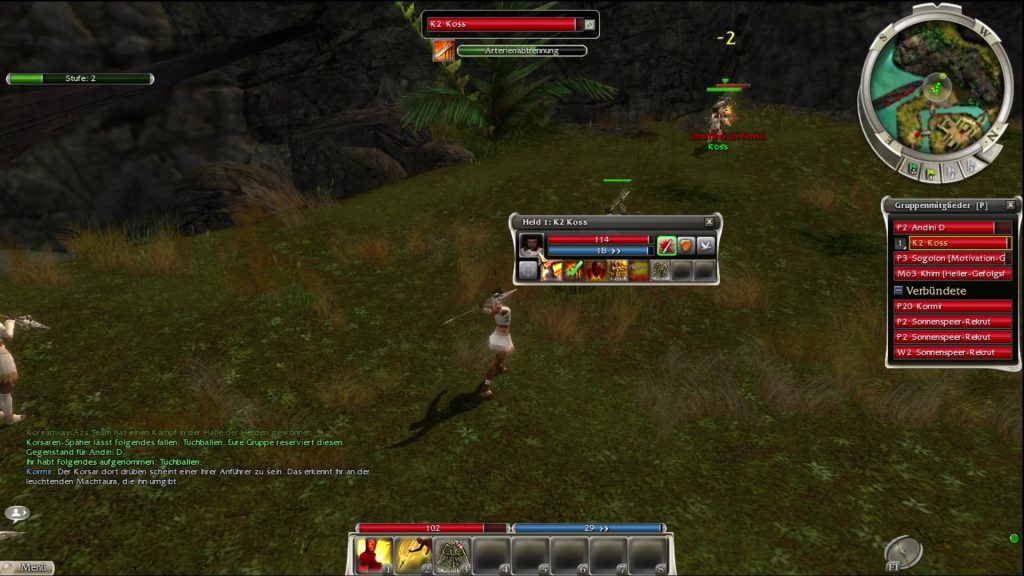
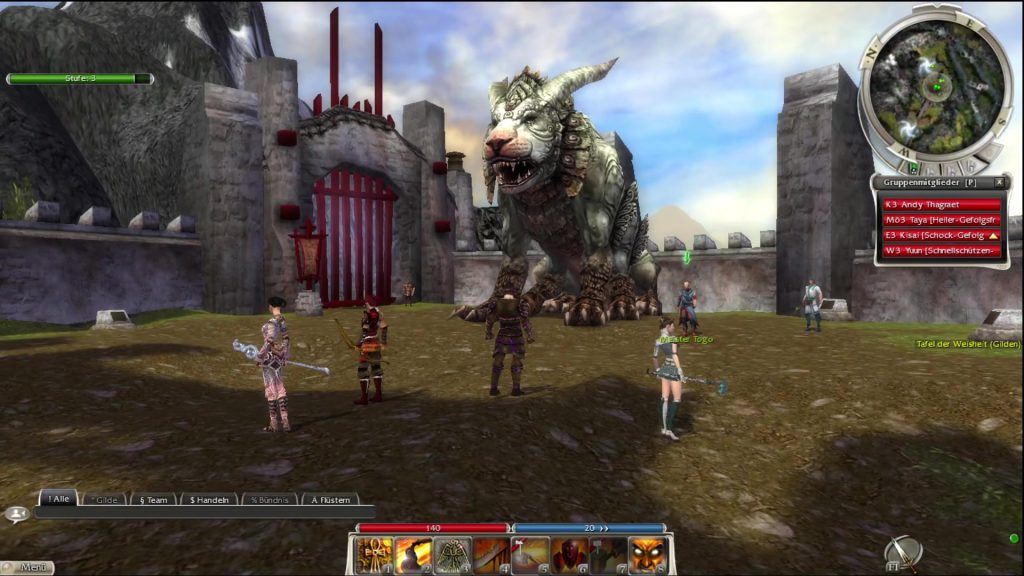
It felt less like talent tree management and more like deck building: many options, but only a limited slice of that. Exactly from this arose this buildcraft depth, for which some fans still rave about Guild Wars to this day. ArenaNet rewarded preparation, group understanding, and willingness to experiment.
Visually and narratively, Guild Wars was also distinct. Instead of technical muscle games, there was a strong art direction and striking locations. Especially Ascalon remained memorable: first green landscapes and sleepy villages, then a home burned by the Charr.


Therefore, Guild Wars seems, in retrospect, like a rebel among online role-playing games. It did not want to dethrone WoW. ArenaNet said at critical points: We do this differently.
Perhaps this brand resonates until today exactly because of that. The core of the series lies not only in subscription freedom, instances, or skill bars. It lies in a game feel that Guild Wars 2 would later shape even more: Other players should not annoy. They should help. Here begins the true legacy of Guild Wars.
On page 2, everything revolves around the peculiarities of Guild Wars 2.

Your opinion is important to us!
Do you like the article? Then let us know!