

Guild Wars 2 turned the legacy into a different MMO feeling
Guild Wars 2 was not just Guild Wars 1 on a larger scale. ArenaNet jumped 250 years into the future, opened Tyria wider than a classic MMO world, and broke away from the strictly instanced co-op RPG feeling of its predecessor. Even Factions, Nightfall, and Eye of the North showed in Guild Wars 1 that ArenaNet was thinking bigger than just the next campaign.
With Guild Wars 2, ArenaNet turned this world upside down. Instead of packing almost everything into private group instances, the studio focused on open areas, dynamic events, and even map-wide meta-events, viewpoints, and jumping puzzles – yes, you could actually jump now. Players could simply join in, help out, and move on. Tyria was more than just a pathway between quest markers. Something was always happening somewhere.
The trailer for the content update “The Only Way” for Guild Wars 2 from May 2026:
From strangers to companions
Guild Wars 2 became truly exciting because ArenaNet did not design this open world as a competition. In many MMOs, a foreign player for a long time meant competition for mobs, resources, and loot. In Guild Wars 2, it worked differently. Rewards were distributed individually, events ran without group search, fallen players could be revived, and high-level characters were downscaled in lower areas. This encouraged the game’s community towards cooperation rather than a cutthroat mentality.
The reputation of Guild Wars 2 as one of the friendliest MMO communities online is no coincidence. In a Reddit post, several players reported how the game helped them through phases of illness, depression, anxiety, or other serious personal crises. Of course, a game cannot replace real help, therapy, or social contacts. However, it says a lot about an MMO when players talk not only about bosses, builds, and loot, but also about feeling at home there.
No item spiral, less obligation
Another big difference was progress. Guild Wars 2 raised the level cap to 80, but refused the classic item spiral. There is certainly enough to do: equipment, builds, crafting, fractals, agony resistance, optimization. But no endless item grind that devalues old equipment every few months and starts the next number chase.
This is a huge difference for long-term players. When returning after a long break, one does not automatically stand as a digital beggar in front of the next mountain of gear in Guild Wars 2. Good gear remains good for a long time. Progress is more about new possibilities: masteries, mounts, elite specializations, account-wide systems, and new areas.
Thus, Guild Wars 2 became an MMO to which one could return. Not every step was perfect: the Living World, large world bosses, meta events, and balance issues sparked discussions time and again. But from Heart of Thorns to Visions of Eternity, Tyria remained alive for years without feeling like a second job every day.
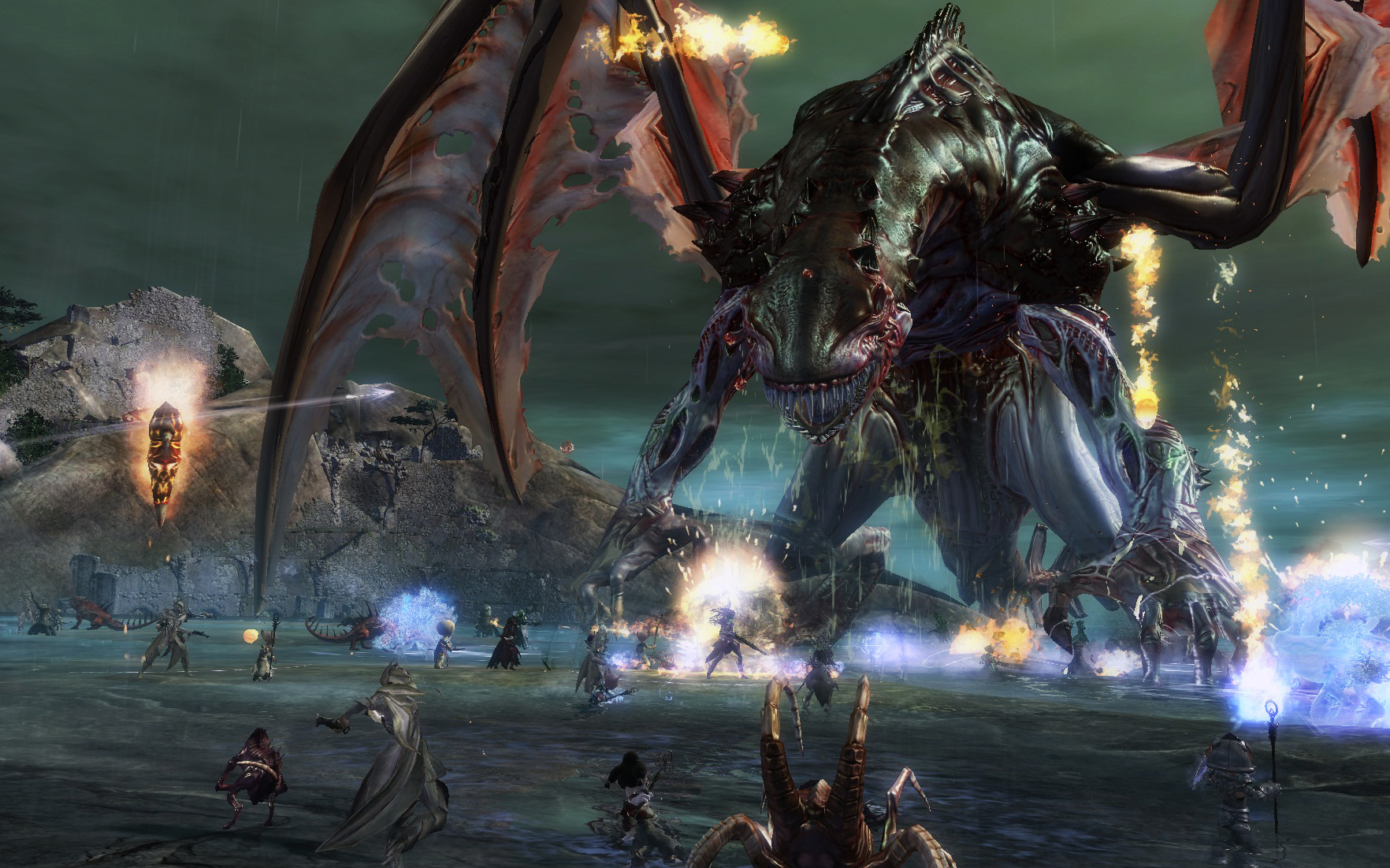
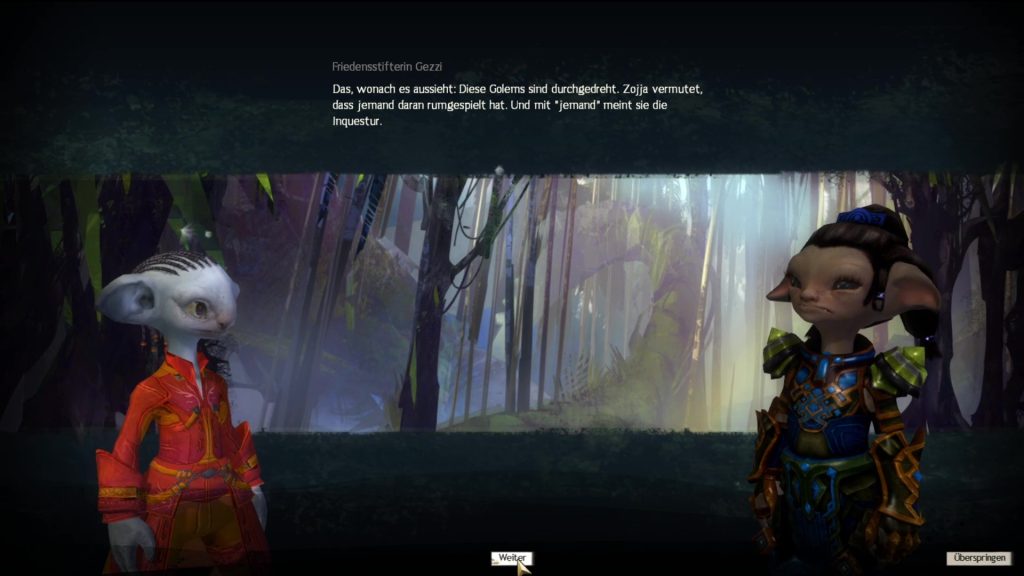
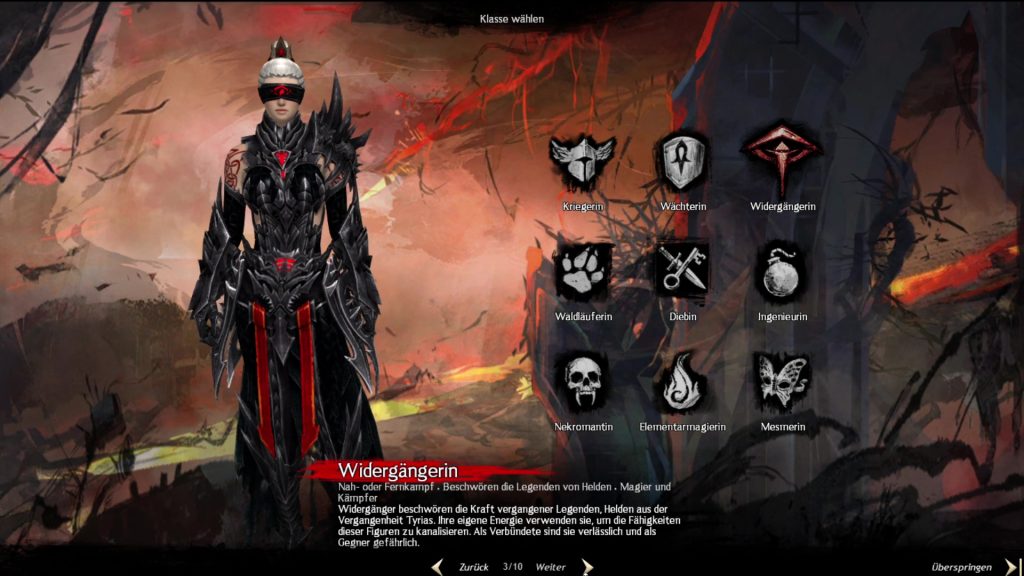
Some impressions from Guild Wars 2:
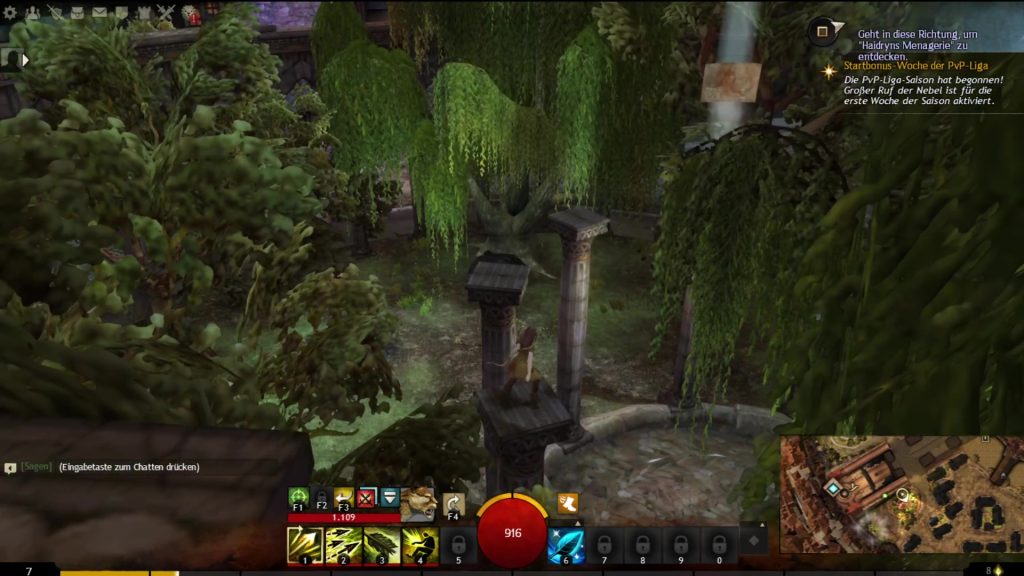
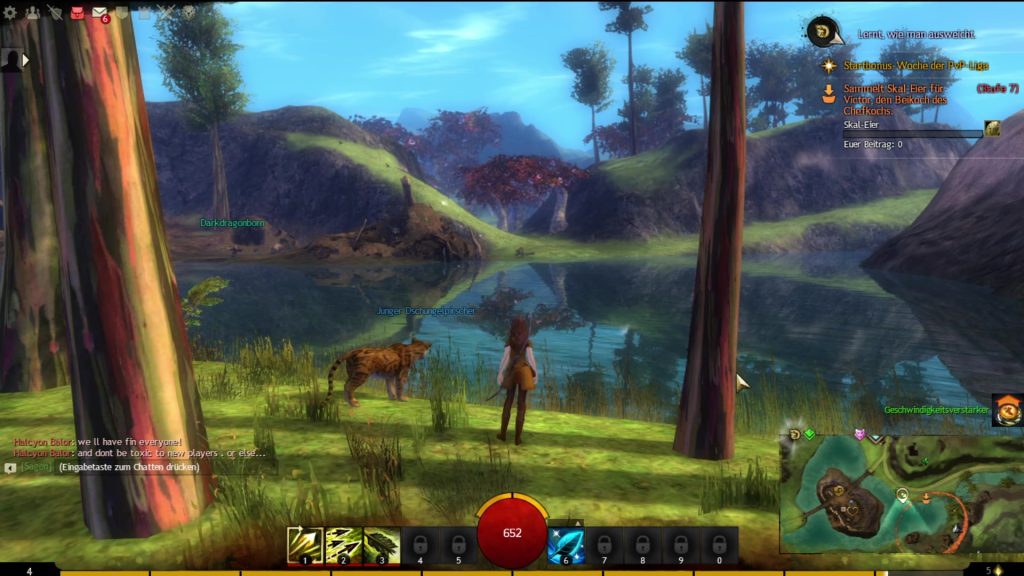
Tyria remains in mind
And then there is the lore. Guild Wars never reached the pop culture impact of Warcraft, but Tyria is a standalone fantasy world. For veterans, names like Ascalon, Orr, Cantha, or the Charr are enough to immediately evoke memories – of places, stories, and music.

In terms of storytelling, Guild Wars 2 also found its own path. The personal story depended on race, biography, and later decisions. One joined one of three orders, experienced their story chapter separately, and walked through an open world where other adventurers could appear at any time. Not everything about it was as personal as it seemed at first, but this balancing act suited Guild Wars 2 perfectly.
Ultimately, what counted was the interplay of mechanics, world, atmosphere, progression system, and community. Guild Wars 2 has translated the legacy of the first part differently but has not betrayed it: less struggle for resources, less fear of missing progress, no endless item grind, more feeling of return.
That’s why Guild Wars 3 is not just a new name on Steam, but a promise. Those who have accustomed their players over the years to respect their time, to encourage rather than annoy other players, and to make progress not just about ever higher numbers, cannot suddenly deliver a generic live-service MMO afterward.
On page 3, Benedikt looks at what Guild Wars 3 needs to achieve.

Your opinion is important to us!
Do you like the article? Then let us know!