

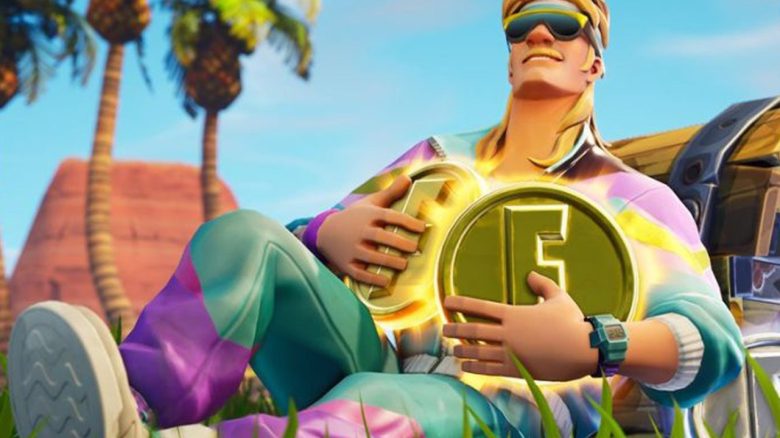
Fortnite-Entwickler sollen mehr Monetarisierungsmöglichkeiten für ihre Projekte erhalten. Ein Punkt sticht aus den frisch angekündigten Werkzeugen heraus, weil er Lootboxen klar mit Kindern in Verbindung bringt.

Was sind das für neue Werkzeuge? Auf fortnite.com haben die Verantwortlichen von Fortnite angekündigt, wie Entwickler ihre Projekte in Zukunft besser monetarisieren können, nämlich über den Verkauf von Gegenständen für V-Bucks.
Dabei ist klar definiert, welche Art von Gegenständen die Entwickler auf ihren Inseln verkaufen dürfen. Beispielsweise Gegenstände, die ihr einmalig kauft und die dann über alle Spielsitzungen hinweg im jeweiligen Inselerlebnis bestehen bleiben.
Ein Absatz aus dem neuen Regelwerk macht jedoch stutzig. Erlaubt soll auch der Verkauf von folgenden Items sein:
Bezahlte zufällige Gegenstände (Gegenstände, die eine Chance auf den Erhalt einer zufälligen Belohnung haben)
- Es wird eine neue Kindersicherung geben, mit der Eltern entscheiden können, ob ihr Kind bezahlte zufällige Gegenstände in Regionen kaufen können, in denen diese für Spieler verfügbar sind.
Oder anders formuliert: Die Fortnite-Entwickler können Lootboxen mit zufälligen Inhalten zum Verkauf anbieten und die sogar an Kinder verkaufen, wenn die Eltern ihre Erlaubnis geben beziehungsweise das nicht über die Kindersicherung-Option unterbinden.
Nicht gegen das Gesetz, aber moralisch schwierig
Obwohl Experten und Verbraucherverbände Lootboxen oder vergleichbare Systeme mit Zufallsbelohnungen klar als Glücksspiel einstufen (Bericht der Verbraucherzentrale Bundesverband, empfehlenswerter Podcast zum Thema bei gamespodcast.de) und diese in verschiedenen Ländern wie Belgien auch als solche behandelt werden, weigert sich Deutschland noch, das ebenso zu tun.
Dennoch bleibt das Problem, dass Lootboxen vergleichbare Reaktionen im menschlichen Gehirn hervorrufen wie Glücksspiel, und dass die Entwickler von Fortnite mit ihren kostenpflichtigen Zufallsgegenständen offensichtlich ganz bewusst auch Kinder (und damit eine stark anfällige Zielgruppe) ansprechen möchten.
Wie reagieren die Verantwortlichen auf die Kritik? Ein Redakteur von Insider Gaming hatte bereits über die Neuerungen berichtet und dabei ebenfalls den Gambling-Begriff gewählt. Auf insider-gaming.com berichtet dieser nun, dass sich Epic Games daraufhin an die Redaktion gewandt hat, mit der Aufforderung, die aus ihrer Sicht falsche Darstellung abzuändern.
Das Argument: Es würde sich nicht um Glücksspiel handeln, sondern um kostenpflichtige Zufallsgegenstände. Zudem müssen die Entwickler bei so einer Monetarisierung „die tatsächlichen numerischen Wahrscheinlichkeiten dessen, was der Spieler erhalten kann, offenlegen“.


Wie seht ihr das: Ist das dann dennoch Glücksspiel oder hat Epic Games recht? Verratet es in den Kommentaren! Durch die Simpsons tummeln sich aktuell übrigens wieder unfassbar viele Spieler in Fortnite. Eine andere Shooter-Community diskutiert darüber: Während Fortnite mit den Skins zu Simpsons fast 3 Millionen Spieler gleichzeitig anlockt, fragt Spieler von Call of Duty: Warum stellen wir uns so an?

Deine Meinung ist uns wichtig!
Gefällt dir der Artikel? Hast du irgendwelche Kommentare? Sag uns, was du denkst!





























Kommentare
Zufallsgenerierung ist doch Glücksspiel. Nur halt ein Synonym für die selbe Sache. Sie müssen die Wahrscheinlichkeit abgeben ja genauso wie andere Glücksspiel orientierte kostenpflichtige Unterhaltungsmedien. Online Casino genauso wie offline Casino. War glaube ich aus China die Vorgabe. Selbst die haben mehr Moral als Fortnite.
Btw nur getroffen Hunde Bellen.
Man kann es nennen, wie man möchte : Glücksspiel und/oder kostenpflichtige Zufallsgegenstände haben die gleiche Wirkung… u.A. eine Menge Kohle für den Publisher.
p.s. : @MeinMMO : Was ist mit Eurer aggresiven Werbung los ? Teilweise verdecken diverse Werbebanner 100% vom Handy-Bildschirm….
Deshalb nutze ich mittlerweile Adblocker. Die Extrem Aggressiven Werbungen auf vielen Seiten ist einfach nicht lustig.
Werbung ist nicht schlecht sofern diese nicht Penetrant den ganzen Bildschirm einnimmt oder man gefühlt 10x alles wegklicken muss bis man etwas lesen darf