

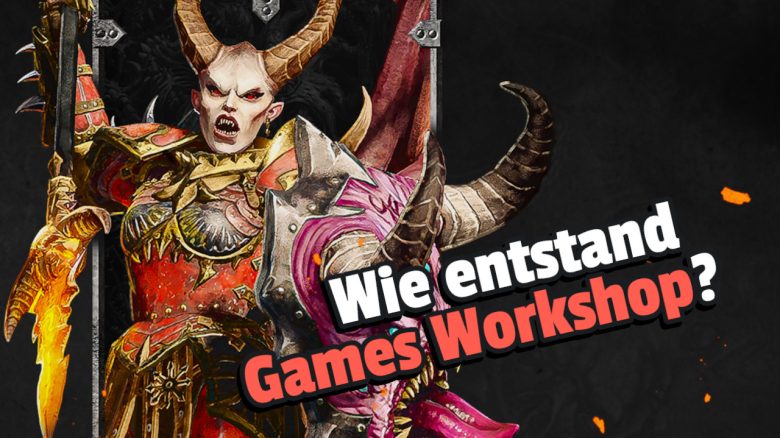
Warhammer is one of the absolute favorite universes of MeinMMO editor Benedict Grothaus today. Behind the brutal (and somewhat absurd) world is Games Workshop, a company from the UK that actually started quite differently.
I love Warhammer. And even though many may want to disagree with me now and argue that there are much better universes: In a perfect world, we would all play World of Warhammer today and I stand by that.
No other fantasy setting combines the dirty, brutal reality of a world marked by war and hatred with the diversity of peoples and cultures that fantastic ideas bring with them.
The world fascinates me and millions of others, including notable figures like acting legend Henry Cavill. He not only plays Warhammer himself (and not Warcraft!), but will soon fulfill his dream and play the lead role in a Warhammer series.
We owe all of this to Games Workshop today, a publicly-traded company based in Nottingham – and with an astonishing history. The company’s journey sounds exactly like the dream of every nerd.
This is how Warhammer became great: game figures:
From Dungeons & Dragons to Success
Games Workshop (often just referred to as “GW”) was founded in 1975 in London by three friends: John Peake, Ian Livingston, and Steve Jackson. At that time, the plan was to sell classic wooden board games, such as Backgammon, Nine Men’s Morris, or Go.
The idea behind the name: The board games were meant to be handcrafted, something special. There was a dedicated newsletter for advertising, the “Owl and Weasel,” later taken over by the legendary “White Dwarf.”
Later that same year, TSR, the predecessor of Wizards of the Coast, offered Games Workshop the exclusive right to distribute Dungeons & Dragons in Europe. This kickstart would later evolve into a whole genre of role-playing games, including The Lord of the Rings and Call of Cthulhu.
In 1978, the first Games Workshop store opened, shortly followed by a partnership with Citadel Miniatures, whose paints are still available in GW stores worldwide. The reason for this was the miniatures for war games, which were already on offer at that time – and which laid the foundation for the future of Games Workshop.
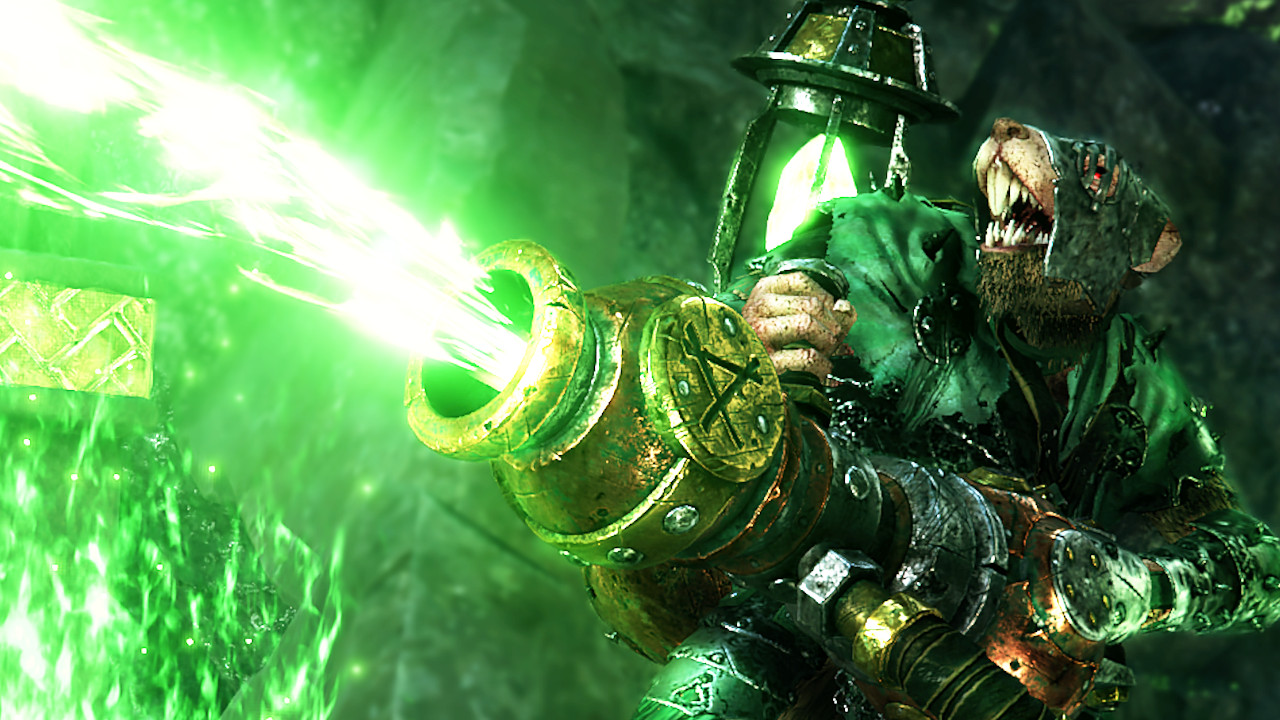
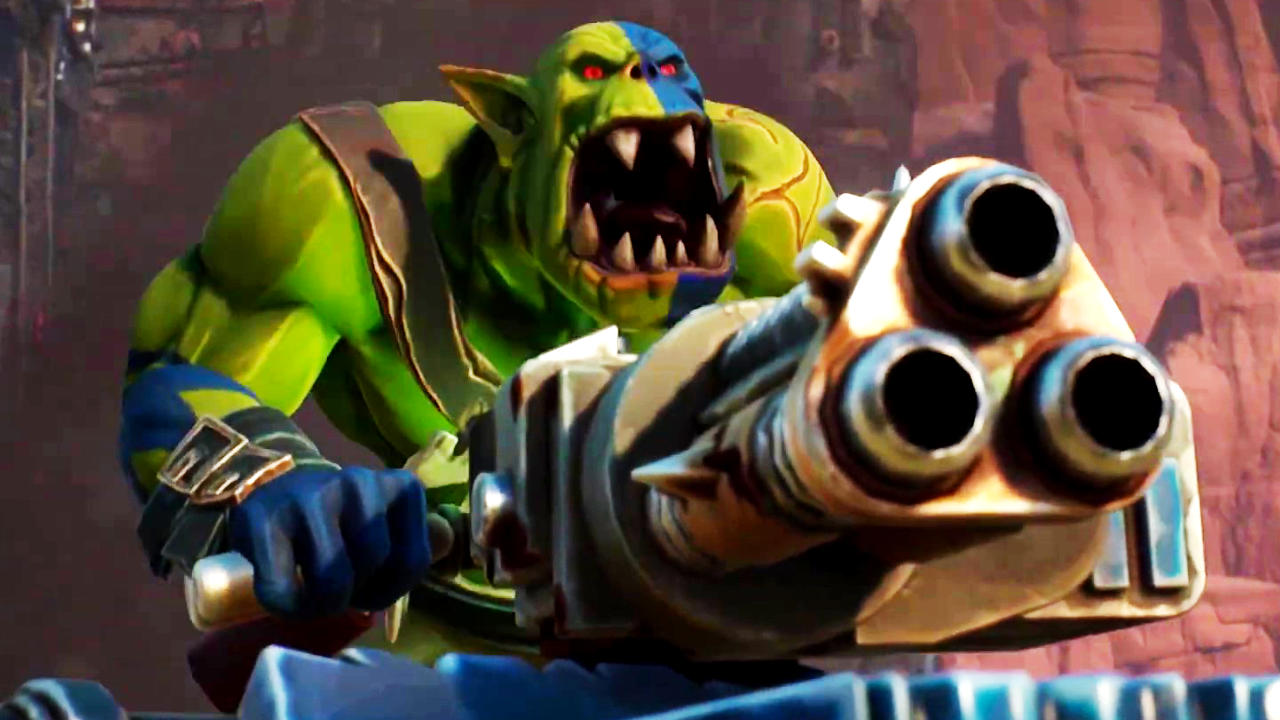
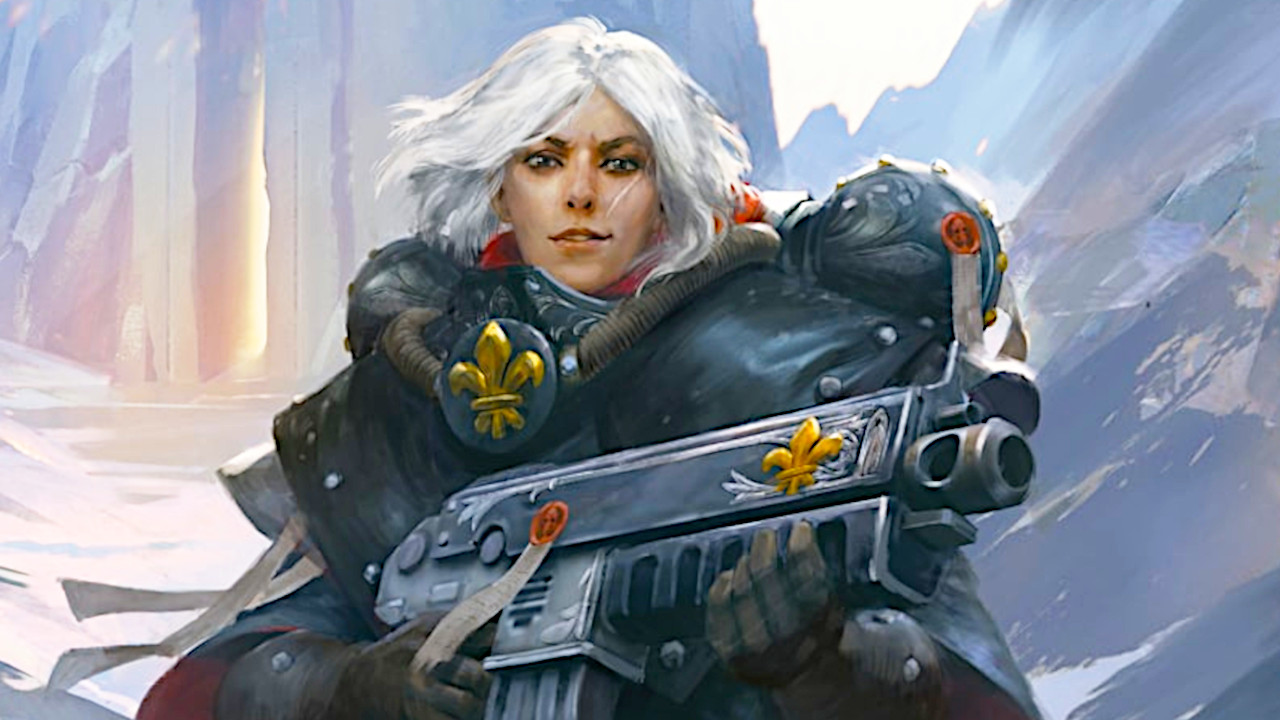
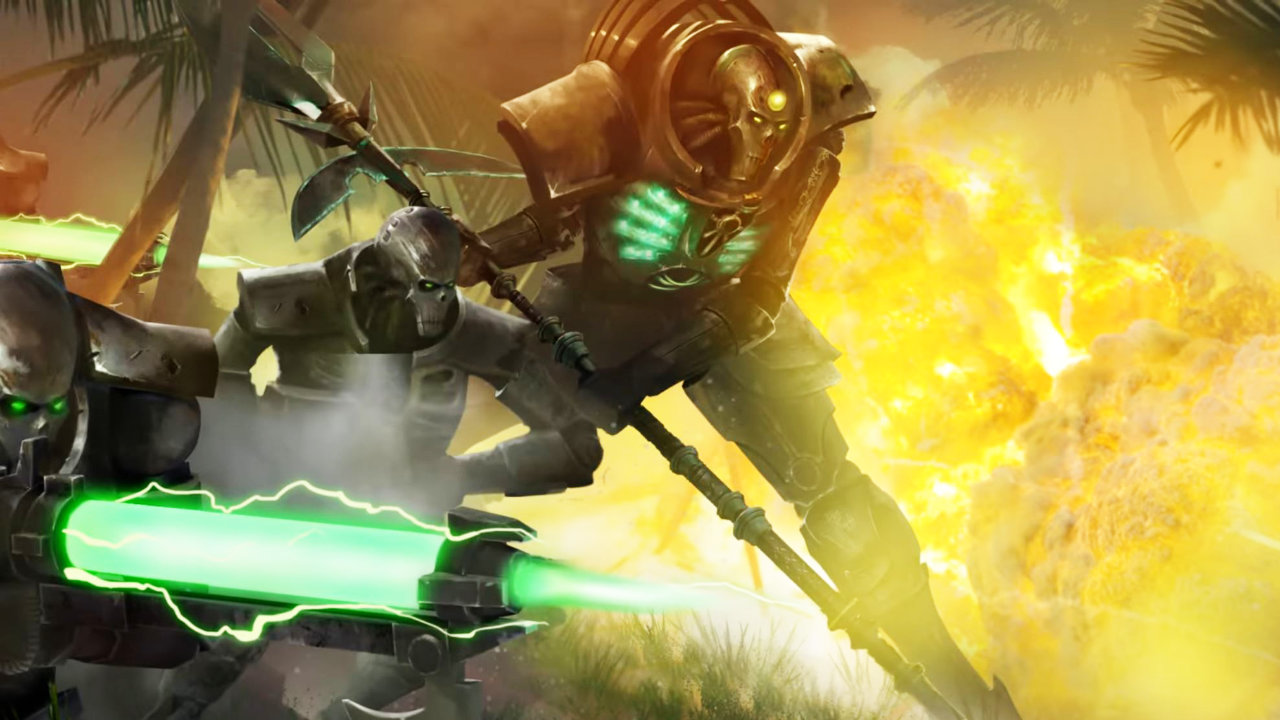
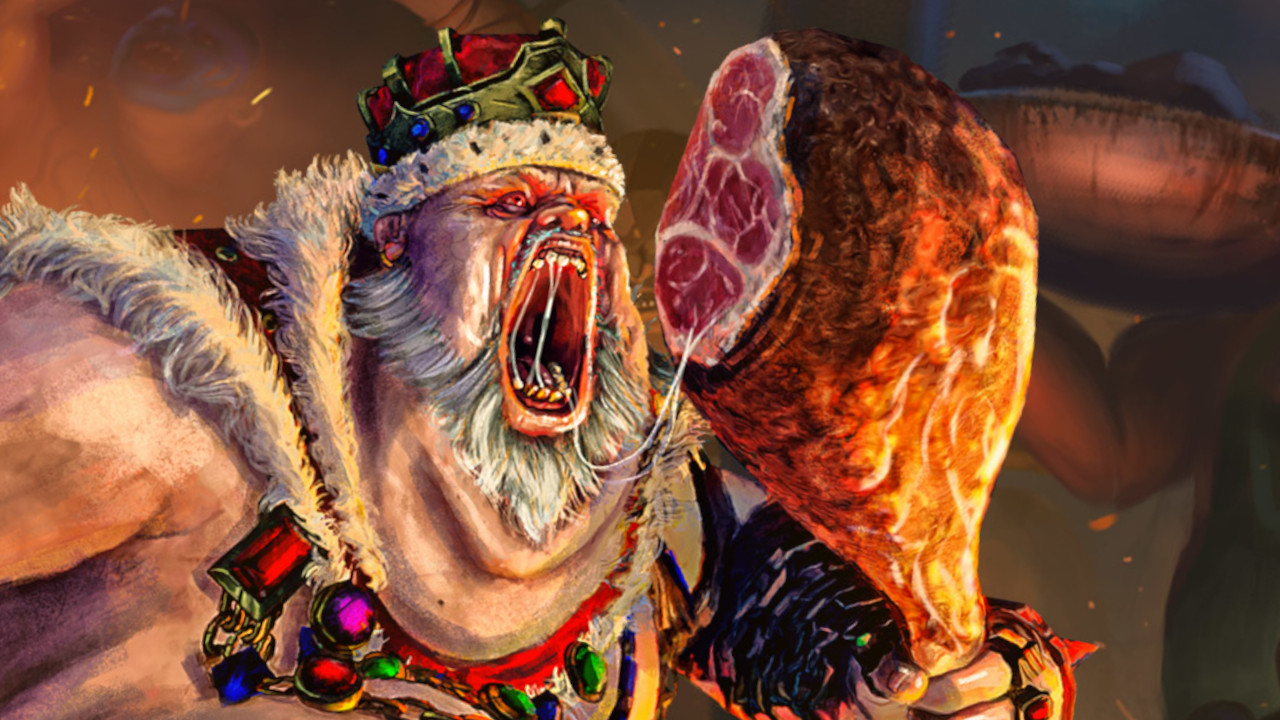
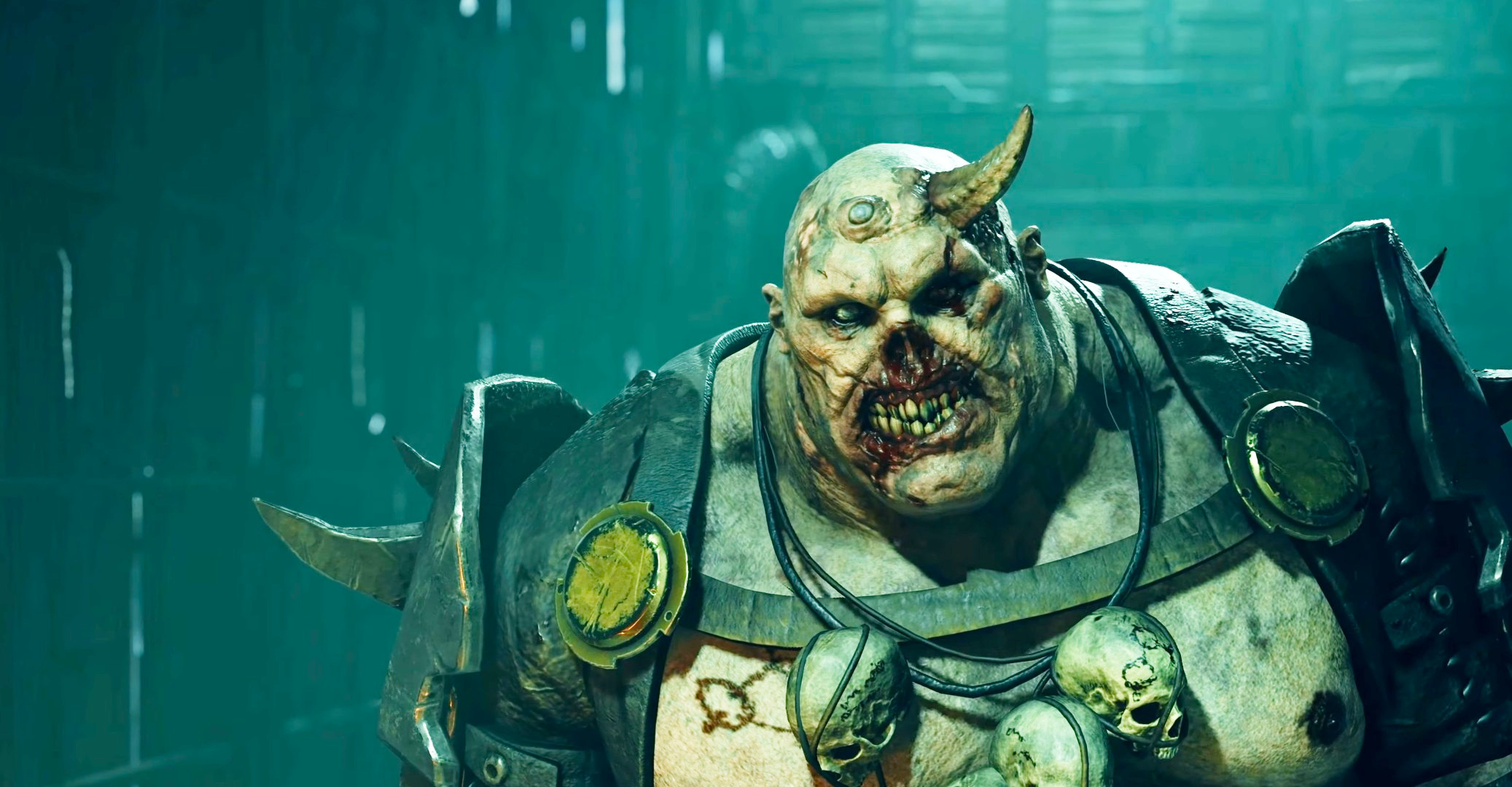
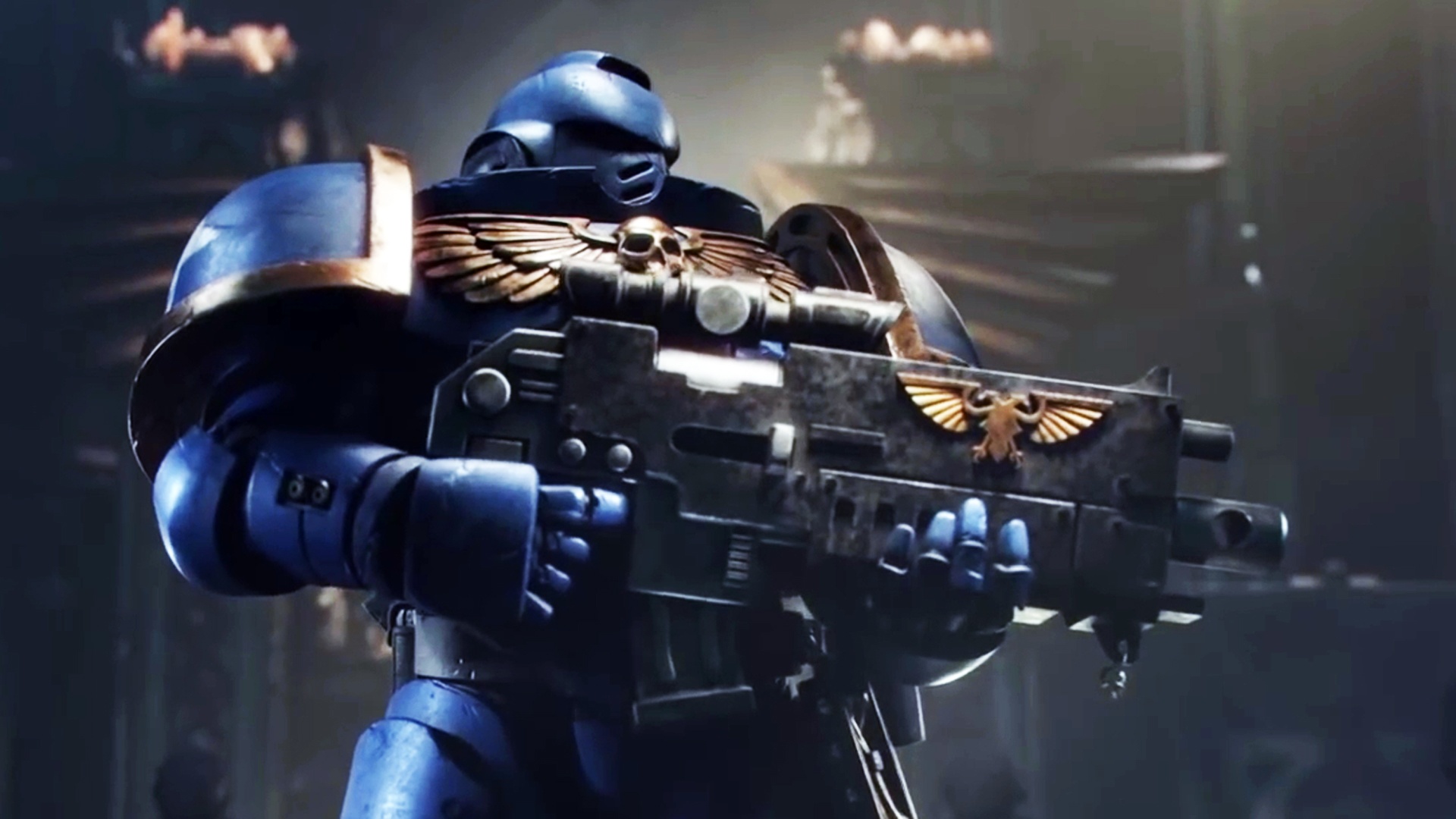
Back then wooden games, today superhumans in space
Today, Games Workshop is primarily or almost exclusively known for Warhammer. Warhammer is a world where war reigns continuously and with full force. The universe roughly comes in 3 versions:
- Warhammer Fantasy, where dwarfs, elves, humans, and orcs fight with magic, swords, and armor
- Warhammer 40k, a dark future where genetically modified humans are bred into super-soldiers
- The Age of Sigmar, which… well, somehow mixes the boring parts of both worlds: a medieval fantasy setting combined with power armor and pumped-up super-humans
Warhammer first appeared in the form of Fantasy Battles
in 1983. In 1986, Blood Bowl was released, a kind of … sports game? Definitely football with blood and violence. More than usual. Warhammer 40k was first released in 1987.
Originally, Warhammer was a “wargame”: you build your own army from miniatures and play on a battlefield against other players. Instead of cannons and swords, the battles are fought with measuring tape and dice.
Warhammer is still a popular, albeit expensive hobby today. Almost everywhere, there are tournaments or friendly games against each other, and the community is huge.
Today, however, Warhammer is much more than just a game with very expensive toy soldiers for adults with too much money. Games Workshop, with their idea, is responsible for dozens of video games.

From Board Game Maker to Video Game Patron
There are now Warhammer video games in almost every known genre:
- an MMORPG that was discontinued but is still being continued by fans
- various shooters
- sports games, albeit… quite bloody ones
- at least one racing game
- at least one platformer/sidescroller
- strategy games, of course, like the successful yet controversial Total War: Warhammer 3
- hack’n’slash games in both fantasy (Chaosgate) and 40k (Inquisitor: Martyr)
- action RPGs, which are among the best cooperative games on Steam
- visual novels and dating sims (please don’t ask)
Now with Rogue Trader, a CRPG in the style of Baldur’s Gate 3 has even been released and turned out really well – apart from the bugs that still plague the game. I’ve played it and it’s the first RPG that I really play through completely multiple times:
However, the sheer amount of games is not necessarily a blessing, especially not for fans like me. Games Workshop has a reputation for diluting the Warhammer license and simply giving it to anyone who submits a somewhat logically sounding idea. This has resulted in numerous bad Warhammer games in the past, from which you have to somehow pick out the good ones.
By the way, only two of the founders had the idea of making video games early on. The third, John Peake, was a proponent of traditional board games. He left Games Workshop already in 1976, just a year after its founding.
Whether the separation was worth it for Peake or not cannot be said so precisely. However, he is not the only founder who eventually distanced himself from his own project. Another one did the same – but in a way that he probably has no financial worries today: One man created the most successful game in the world – whatever happened to Minecraft creator Notch?

Your opinion is important to us!
Do you like the article? Then let us know!
Comments