

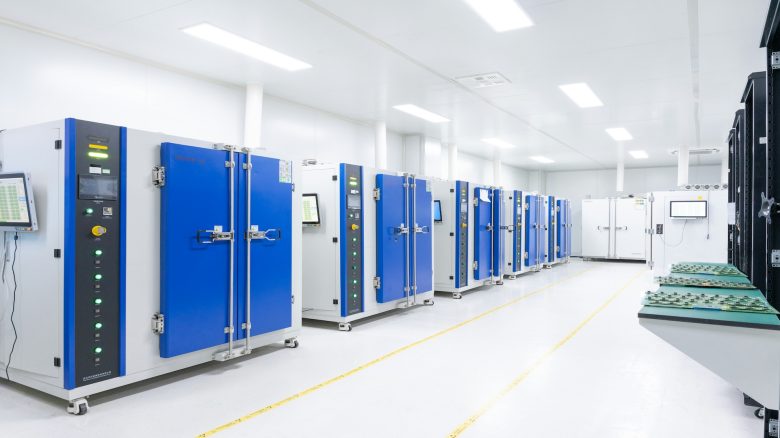
An investor plans to build an AI data center in the USA on a completely new scale. The project is expected to consume more energy than an entire state. The supply situation in the state is generally assessed as critical.
What kind of project is this? In Utah, a gigantic project for a new AI data center has been approved by the military agency MIDA. The initiative is backed by investor Kevin O’Leary, known from the American show “Shark Tank.” His company plans a so-called AI campus with a maximum capacity of up to 9 gigawatts.
This is a number that needs to be put into context: The entire state of Utah consumes an average of only about 4 gigawatts of electricity (SaltLakeTribune, Paywall). The planned data center would therefore more than double this figure. The site itself is set to be massive, stretching over thousands of acres (TomsHardware).
A newer approach
How is this mega-project supposed to be operated? The probably decisive detail: The campus is not supposed to be connected to the traditional power grid.
Instead, the company plans to generate the required energy itself – primarily through natural gas. For this purpose, a direct connection to the so-called Ruby Pipeline will be utilized, a large gas pipeline in the USA.
The idea behind it is quite simple: Instead of taxing the existing power grid, one simply builds one’s own energy supply. According to TomsHardware, MIDA chief Paul Morris assured the county commissioners that the facility would not draw power from the existing grid and could even feed surplus energy back.
Not without controversy
Why are such projects so controversial? The enormous energy demands are directly linked to the ubiquitous incorporation of AI. AI models like ChatGPT require huge computing capacities, which are provided in specialized data centers. Companies like Microsoft, Google, Meta, or X are already heavily investing in such infrastructure to expand their AI services.
Utah is an extremely popular location for these data centers – plenty of open space, access to energy infrastructure, and political support for large industrial projects (DCD).
A recent report from Tagesschau describes the centers in Utah as “both a blessing and a curse.” On one hand, they are the foundation for digitalization and AI. On the other hand, they consume enormous amounts of electricity and, above all, water and can strain regional resources considerably. Old aircraft turbines have already been used for energy backup.
Especially in times when energy efficiency and climate protection are becoming increasingly important, a project of this size seems like a contradiction. Even if the data center is operated independently, the energy generation currently relies primarily on fossil fuels.
Similar concerns raised by residents were recently brought up again to the responsible county commissioners (KSL).


More and more data centers are also being built in Europe. For example, the first Google data center is now being constructed in Austria (derStandard).
The AI boom is driving the expansion of digital infrastructure forward, leading to enormous consequences for the environment and power grid. At the same time, AI models are developing rapidly, sometimes faster than the (digital) infrastructure can keep up: Experts have bypassed CAPTCHAs using ChatGPT

Your opinion is important to us!
Do you like the article? Then let us know!