

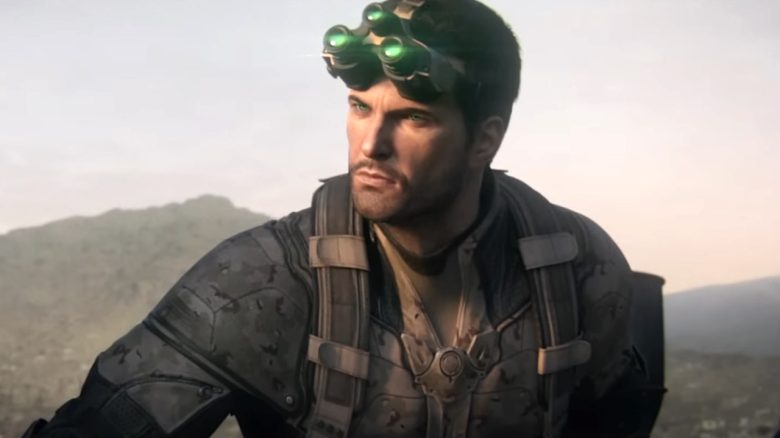
A too realistic graphic harms stealth games. At least that’s what a developer who should know says. After all, he was significantly involved in one of the most famous games in the genre.
Who is this developer? It is none other than Clint Hocking, Splinter Cell designer and Creative Director of Splinter Cell: Chaos Theory.
The stealth game was released in March 2005 and is one of the most acclaimed games in its genre. On Metacritic, Splinter Cell: Chaos Theory has a strong press rating of 94/100 points based on 70 reviews. The user score is also very positive with an 8.5/10 from around 438 reviews.
Fans have long been waiting in vain for new Splinter Cell games; however, there has been a Netflix series since 2025:
Realistic lighting makes sneaking harder
Why does good graphics harm stealth games? Hocking explains to FRVR why stealth games are more difficult to develop nowadays. One reason for this is the significantly more realistic lighting in modern games:
I actually think that one of the difficulties with modern stealth games is that advanced graphics make lighting so much more realistic.
Modern techniques for rendering light may look much more realistic, but they are much harder to read. While shadows with clear edges from earlier times may look less real, they make it easier for players to recognize when they are hidden. Realistic shadows would make this more difficult.
Hocking explains: “Once diffuse lighting, ambient occlusion, and all the associated effects come into play, it becomes very hard to tell what is light, what is shadow, what is dark, what is safe, what is dangerous, and all those things.”
The Splinter Cell games have experienced this development and have tried in various ways to solve this problem:
- In Splinter Cell: Double Agent, protagonist Sam Fisher wears a light on his shoulder that signals with a color change whether he is hidden or not.
- Splinter Cell: Conviction went even further and plunged the entire scene into black and white to show that the player is currently hidden.



Are stealth games no longer feasible today? Yes, but they don’t have to look like they did 20 years ago. Hocking emphasizes that even with realistic lighting systems, the desired results could be achieved if light sources are placed more consciously.
The designer draws a comparison to theater: “When watching a play on stage, the lighting is often extremely dramatic. So, this can also be achieved with real light sources.”
The problem, however, is that video games are usually lit so that it looks realistic – not so that it underscores the stealth gameplay. To develop really good stealth games today, designers would need to use light and shadow with more care again.
All Splinter Cell games were developed by Ubisoft. However, it seems that the company today has no interest in developing new games in the franchise. Overall, Ubisoft has canceled numerous games that were still in development: Ubisoft cancels more games than they released in 2025, putting their remaining studios in Hogwarts houses

Your opinion is important to us!
Do you like the article? Then let us know!