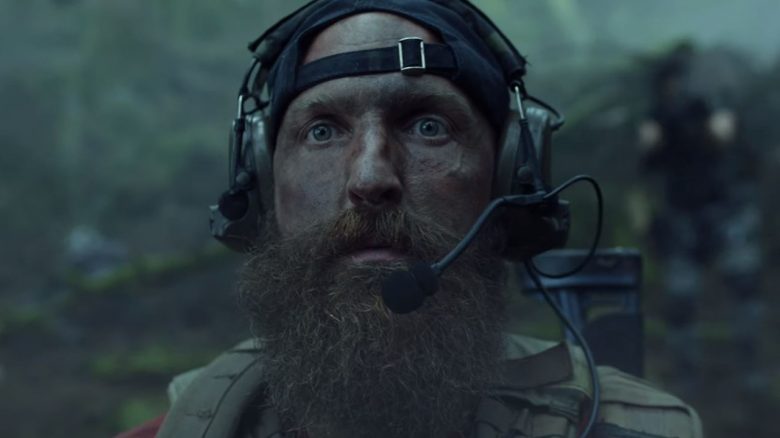
Ghost Recon Breakpoint is no longer receiving updates, meaning the game is basically at an end. However, in December, developer Ubisoft introduced NFTs into the game – unique digital items. How Ubisoft’s NFT system works and what happens to the items now can be found on MeinMMO.
This is the situation:
- Ghost Recon Breakpoint was a major flop for Ubisoft in 2019. However, they stuck with the game, released good updates, and even introduced NFTs into the game in December 2021.
- The introduction of NFTs brought a lot of backlash to the developers. Players complained and the competition later laughed at the low revenue
- In the end, Breakpoint was able to sell all the offered NFTs, but now no new updates are coming for the tactical shooter

Breakpoint was the NFT pioneer for Ubisoft
The tactical shooter failed to meet expectations at Ubisoft from the start. The developers explained that the imminent release and the few changes from the predecessor Wildlands were the main reasons for the flop.
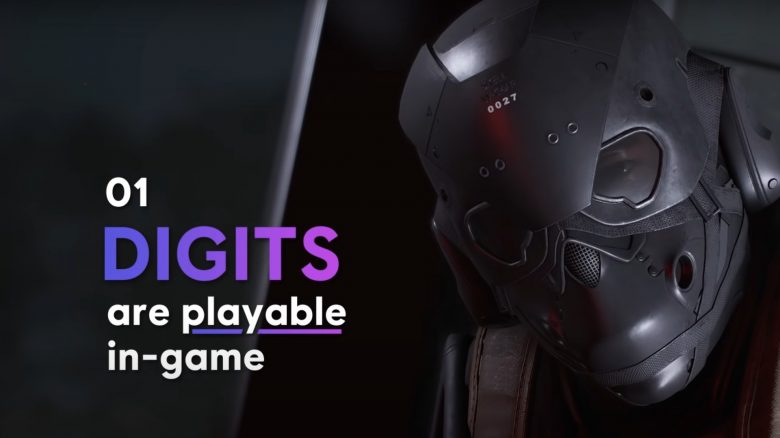
After 2.5 years, it is now over – the servers remain online, but there are no new updates. In December, however, they introduced NFTs into the game. These are unique digital items, referred to as “Digits” by Ubisoft.
The first items were free for Breakpoint players and can even be used in the game. The second wave of items was then sold by Ubisoft like microtransactions.
Due to their connection to a blockchain, the items are now tradable.
Breakpoint was apparently seen by Ubisoft as a good opportunity to test their Digits platform called “Quartz”. We explain what it’s all about (via quartz.ubisoft.com).
In-game items become tradable objects
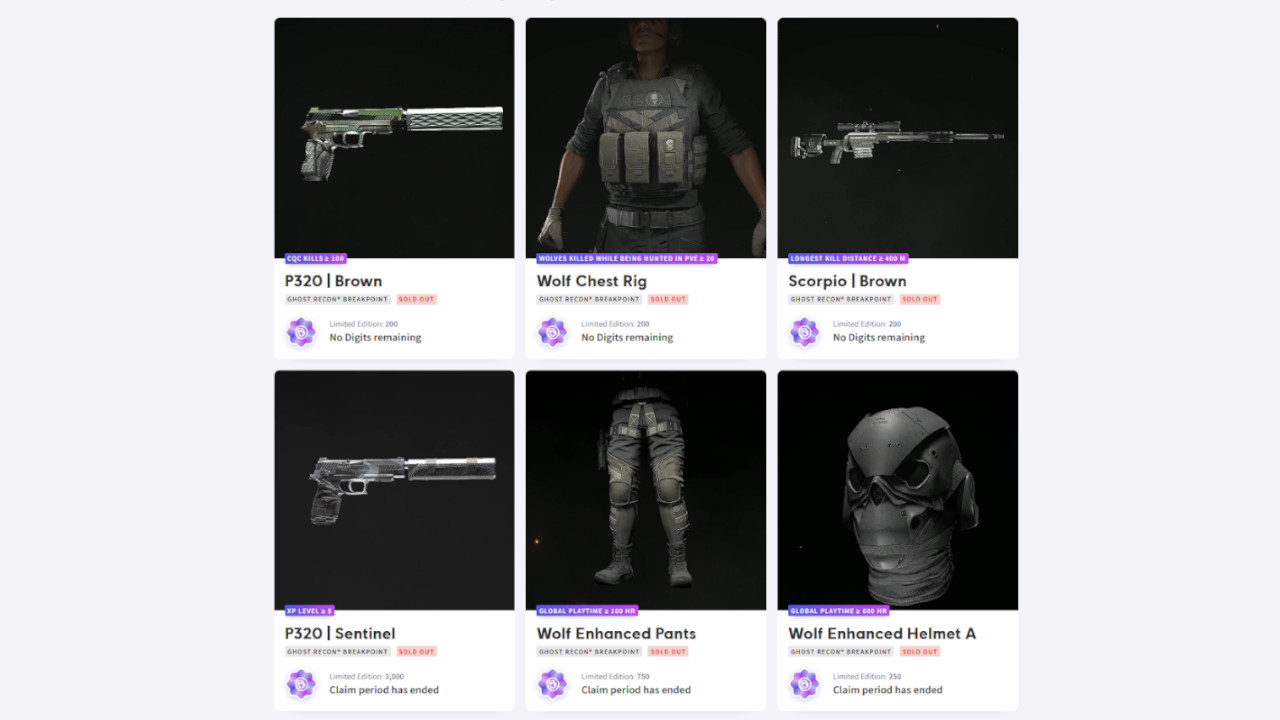
How do NFTs from Breakpoint work? Through the connection of the Ubisoft account with the Quartz platform, you can access the items. In-game requirements had to be met for this.
For some, it was sufficient to reach level 5 in the game. For a specific pair of pants, 100 gameplay hours were required, and for a helmet, even 600 gameplay hours.
The first wave of items was free. Later items were sold relatively expensively and often ended up on trading platforms for around €20 each.
Ubisoft plans to make the items available in other titles later. However, there is no announcement yet on how that will happen.
Due to their structure as NFTs (Non-Fungible Tokens), the items are “unique”. There is only a limited quantity of the items, and the NFT contains information about the current and previous owner, the serial number, and the Ubisoft names of the players who created the NFT.
The NFTs from Ubisoft run on the “Tezos” blockchain – a “Proof of Stake” blockchain. Unlike the Ethereum or Bitcoin blockchains, there are fewer energy-consuming processes to conduct transactions here.
After receiving the items in the game, it was possible to offer the digital goods on 2 selected trading platforms that work with “Tezos”.
This allowed you to upgrade the received Digit to a tradable NFT, and if desired, the items can be sold via the two platforms.
Sales of Ubisoft NFTs are rare, but often over €100
How expensive are the NFTs? At the time of the article, one “Tezos” was worth €3.14 (via coinbase.com). Many offers of Ubisoft NFTs are set to “Offer”. You can make offers, and the creator can decide whether to accept the offer.
Recently, a Breakpoint NFT was sold for 85 Tezos, a bit more than €260. The highest transaction value on the platform “Rarible” was a sale for 120 Tezos, a bit more than €370 (via rarible.com).
Many transactions have a value over €100; some go for only €10 or €20.
What happens to the NFTs if the game goes offline? As the owner of the NFT, the token remains with the buyer even after the game ends. In the case of an NFT racing game, the developers offered to exchange the purchased NFTs for other values.
In the case of Ubisoft-Quartz Digits, the developers want to make the unique items available in other games as well.
Even after the end, Breakpoint NFTs continue to be sold
Why do the NFTs still have value? Much of the value creation topic is based on the value that buyers, users, or collectors assign to something.
There is a certain trust that these things will not lose value and ideally even increase in value. Money, for example.
Behind the Euro is the European Central Bank, which is supported by the states participating in the Euro. Banknotes, checking account balances, and even the larger coins – all just symbols conveying a value that they physically do not actually have.
But there is trust that you get something for your money, so it is also worth something.
With Ubisoft NFTs, the “Tezos” blockchain serves as the central bank, and Ubisoft itself would be the state backing the trust. As long as the trust in the publisher remains, the NFTs remain valuable.
It is possible that the NFTs could still be used in games in 10 years – a practical value based on trust.
Since these were Ubisoft’s first NFTs, a collector’s value could also arise – an abstract value based on speculation.
In the end, there could also be a complete loss of value. However, no trend can yet be observed with the Ubisoft NFTs.
NFTs remain extremely controversial in gaming, which is certainly justified. The proximity to highly speculative cryptocurrencies makes it hard to predict which direction it all will take.
Breakpoint is a pilot project, and if Ubisoft wants to continue pursuing its Quartz platform, it will need to keep a close eye on current developments and public opinion.
We also want to know what you think about NFTs in gaming. Do you think these items will gain value? Do you think such tradable items have no future in games? Feel free to leave a comment on the topic.