
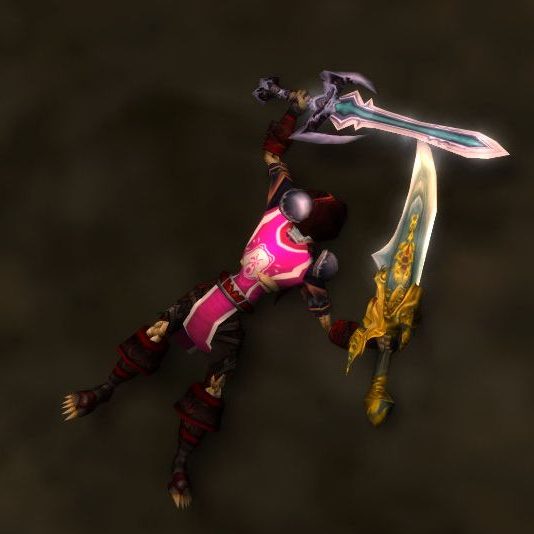
When someone calls a person a “troll” on the internet, they usually don’t mean it positively. But why are the troublemakers and instigators actually called that? The new Trivia article from MeinMMO reveals it to you!

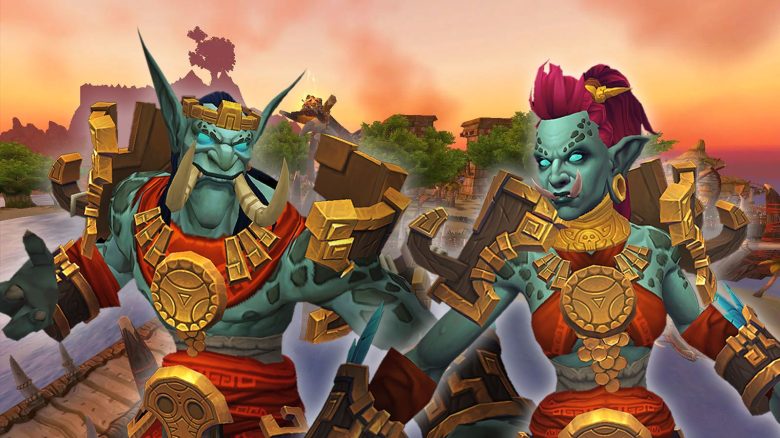
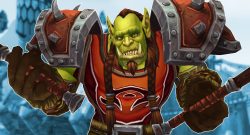
In the give and take of the internet, the terms “troll” or “trolling” occasionally come up. However, this does not refer to the big-footed, often stylishly groomed trolls from World of Warcraft (via worldofwarcraft.blizzard.com), but to people who deliberately want to drive others crazy. But where does the term come from? MeinMMO reveals it to you.
One of the many troll stories from this thing called the internet:
On the trail of trolls
Here you will find some of the reports in which MeinMMO has itself used the term “troll” to describe a clearly defined type of person:
- The biggest troll in WoW’s history has destroyed 35 characters and 10,000 hours of gameplay
- Trolls ruin the fun for players in Helldivers 2, kicking them right before the end of the mission
- Diablo 4: Fans warn against trolls – They use deadly tricks to take out your characters
- In Lost Ark, trolls have stolen all the popular names because Amazon uses a stupid system
- Fall Guys looks cute, but is a paradise for mean trolls
All the “trolls” mentioned in the articles have one thing in common: They operate in a way that clearly has a negative impact on the gaming experience of others. It’s about deliberate provocation, from a certain position of power – because the victims of the “trolls” often cannot defend themselves.
However, so-called “trolling” is not limited to games. It often refers to people who deliberately torpedo discussions in social media, forums, chats, or other communication platforms by posting provocative contributions.
More trivia knowledge? Here you go:
Their goal is often to make other participants so angry that they lose their temper and respond with emotional, irrational answers. Or they try to incite conflicts within a community to harm it in the long run, or spread fake news and misinformation to unsettle certain groups.
“Trolling” can even escalate to targeted bullying and systematic harassment of individuals.
Where does the term come from? While the trolls in WoW are really chill dudes, the mythological figure of the clumsy troll is often attributed with malicious traits. However, the term for internet trolls did not emerge from this.
Rather, the term derives from fishing. “Trolling” refers to the technique of gradually pulling a line with bait through the water, fighting for the attention of the fish. This constant baiting and deliberate provocation has then been transferred to the trolls on the internet, who try to do something similar with people.
What motivates trolls? Here we can only refer to the various studies that are quoted on Wikipedia. Trolls apparently seek attention, combat their own boredom, enjoy fun and entertainment, or have personal motives such as revenge.
When it comes to social and political issues, professional groups often stand behind troll activities, specifically engaged in propaganda for their cause. This includes unsettling the followers of the other side, creating unrest among them, and thereby weakening them.
You can encounter trolls not just in games and chats, but also on your own Twitch channel. How you can protect yourself there from hate and other threats is explained in this article: How to protect yourself against hate on Twitch before you start your first stream

Your opinion is important to us!
Do you like the article? Then let us know!