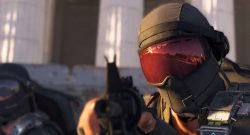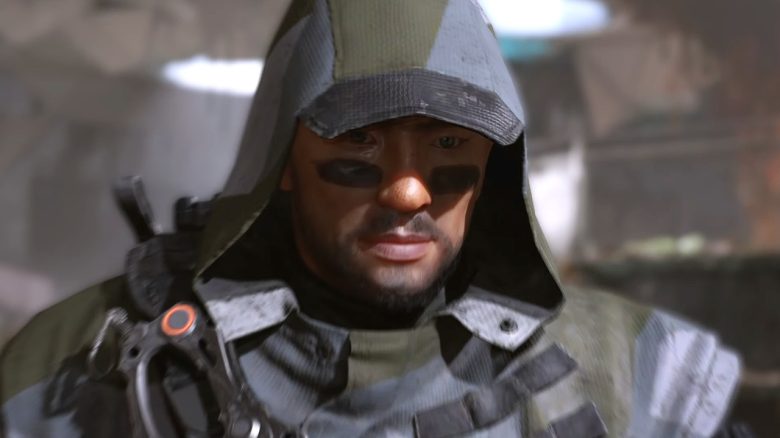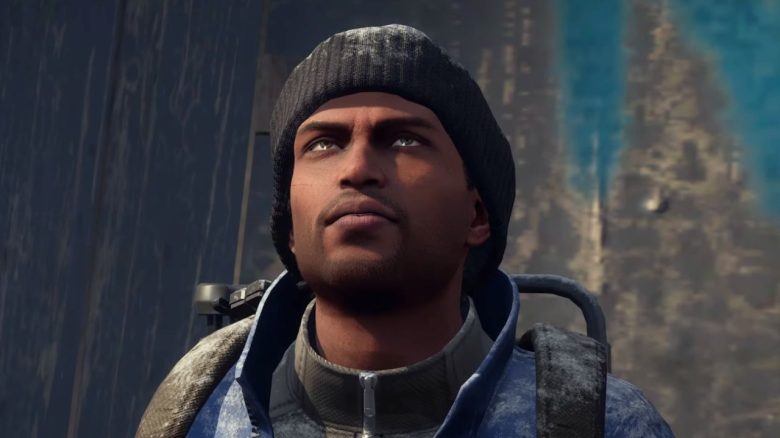
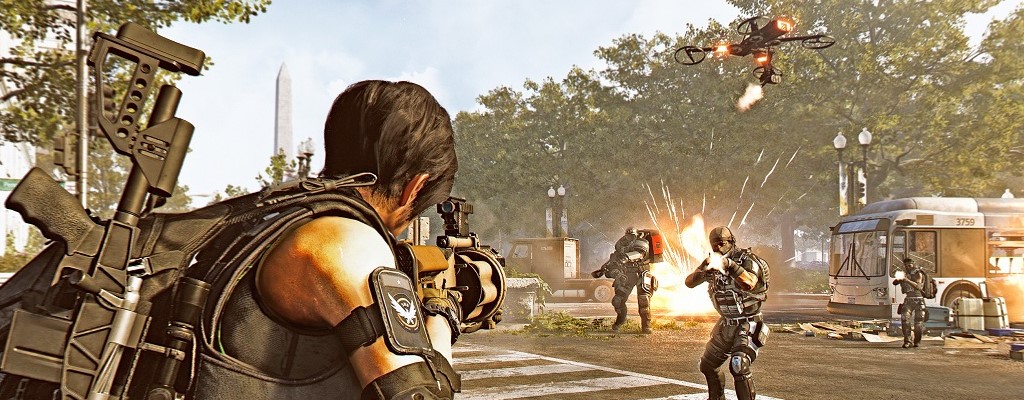
In The Division 2, there are 4 different enemy factions in total. To ensure they are sufficiently distinct and remain exciting, the creators have done a lot.
This is what the developers want to achieve: Just like in The Division 1, you will encounter 4 different factions throughout The Division 2.
These differ in many aspects, such as their story, appearance, but also behavior and equipment. The factions are the
- Hyenas,
- Outcasts,
- True Sons
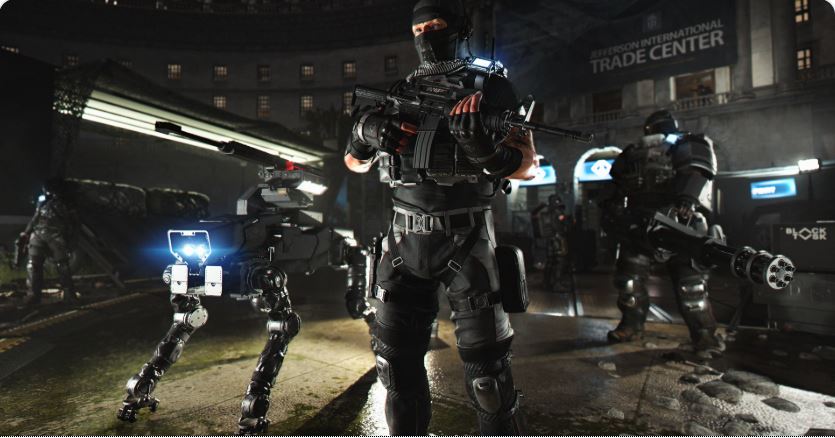
- and Black Tusk.
To be precise, there are also 2 more unofficial factions, Ambush and Underground, about which not much is known.
In the predecessor, there was often criticism that these factions did not differ enough from each other.
Therefore, the enemies in The Division 2 have been given significant adjustments.
Many factors determine enemy behavior
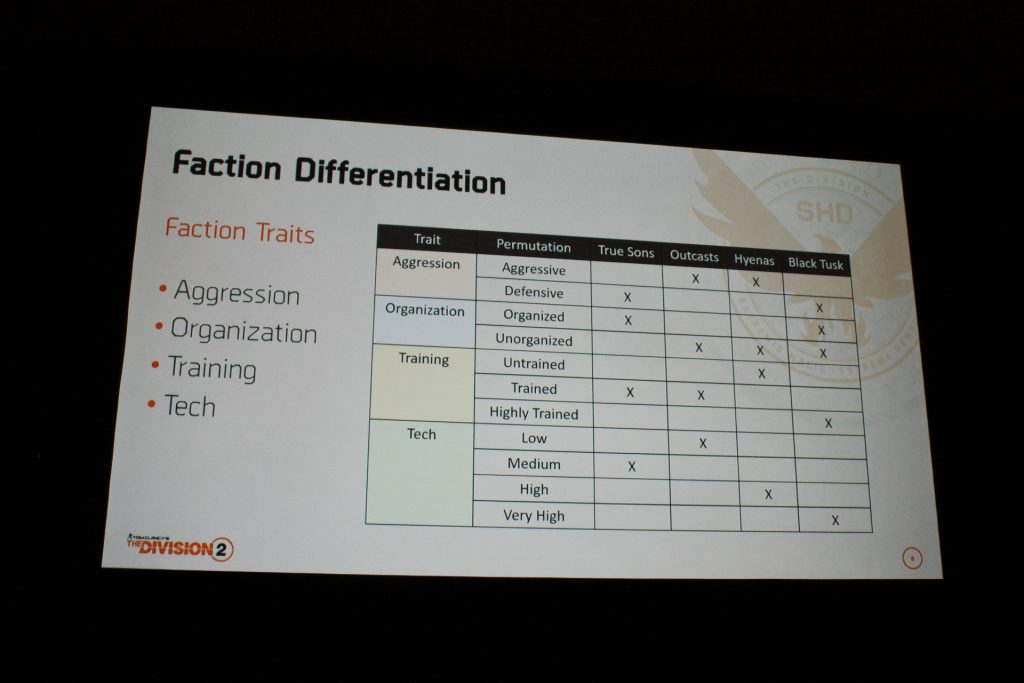
What determines how a faction behaves? The developers have included 4 different main factors that define the behavior of the various enemy types, known as “Faction Differentiation”:
- Aggression – Aggressive/Defensive: Determines how aggressively or defensively enemies charge at you. The Hyenas charge at you more aggressively, while Black Tusk acts more cautiously and keeps its distance.
- Organization – Organized/Disorganized: This factor determines how coordinated enemies are. Do they warn each other? Here, for example, True Sons and Black Tusk are superior to Hyenas and Outcasts.
- Training – Untrained/Trained/Highly trained: This is often noticeable in the movements of the enemies. Hyenas often stumble over their own feet in a hurry, while Outcasts and True Sons are more agile. Only Black Tusk is highly trained.
- Tech – Low/Medium/High/Very High: What technical aids are used in combat? True Sons rely more on firepower, while Black Tusk uses, for example, robotic dogs and various drone variants.
In addition to these factors, the types of enemies come into play. Here too, the developers took measures to avoid overlaps.
Sniper is not the same as sniper
This is how the enemies provide enough variety: In The Division 2, there are approximately double the number of enemy variants with 64 different types compared to The Division 1, according to Ubisoft.
To ensure they sufficiently differ from one another, each archetype, such as Tank, Sniper, or Technician, has been specially tailored for each faction.
For example, Outcast snipers use bows with explosive arrows, while other sniper types use traditional sniper rifles. They can lie down or use drones.
Enemies react more credibly
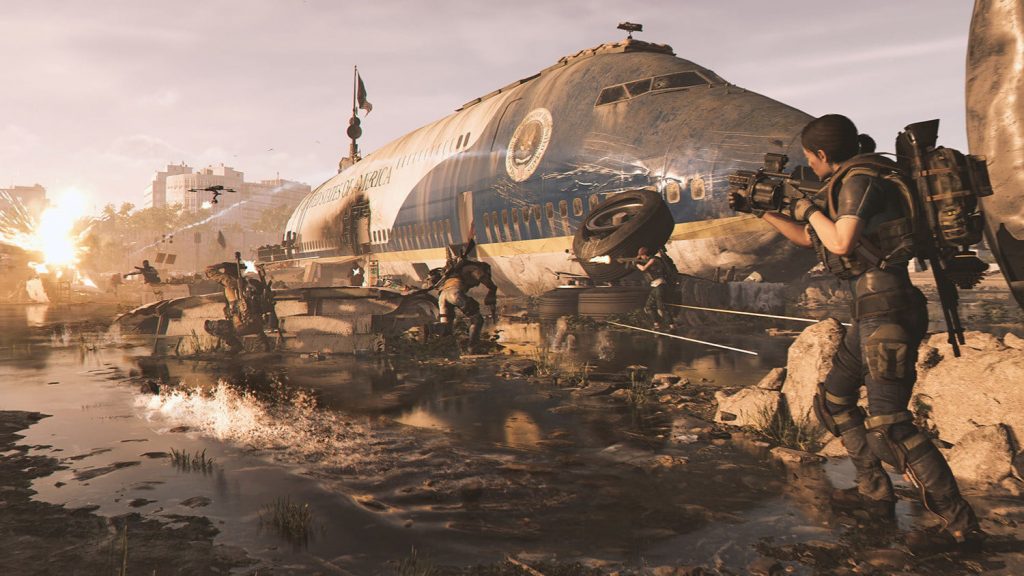
What else has been improved? Additionally, the developer has given NPCs significantly more freedom of movement and animation. Hit feedback has been improved, and enemies are now actively disrupted in their movement by your shots.
In critical situations, enemies also have more reaction options, which should help avoid the same situations in regular combat. They are more agile and take cover faster. Additionally, they communicate with each other.
Your group will hear the same dialogues between enemies, which was not the case in the first part.
To counteract the persistent bullet sponge issue from The Division 1, enemies now die significantly faster. Tougher enemies, however, have reinforced armor.
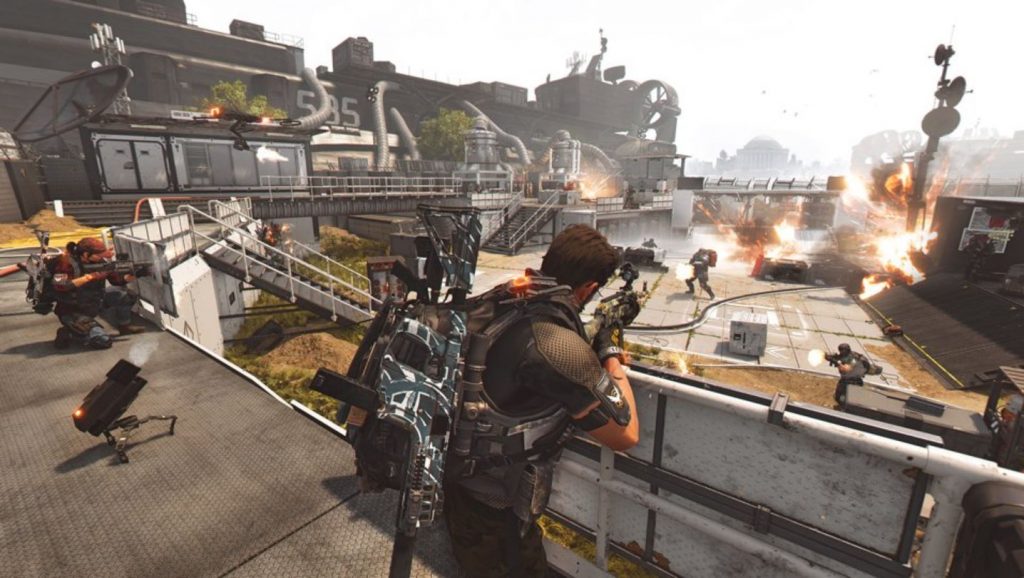
What was wrong with the bullet sponges? A major criticism of The Division 1 was that enemies could take too many bullets.
It just felt wrong for many to shoot 3 magazines at an enemy without real armor before they fall. Now specific parts must be destroyed to take them down.
If you, for example, shoot a helmet off an enemy, the way is clear, and you can quickly take them out with headshots. This is how The Division 2 aims to ensure that enemies do not seem too bulletproof.
What other changes have been made, you can read in Ubisoft’s article on the subject.
What do you think about this topic? Do you find the enemies diverse?
Our author Sven loves the enemies in The Division 2, but not everything is great: