
Genshin Impact is one of the most successful video games of recent years. However, the path to success was anything but straightforward. Allegations of plagiarism, political controversies, and even an assassination attempt repeatedly posed challenges for the development studio HoYoVerse. How was the game still able to establish itself?
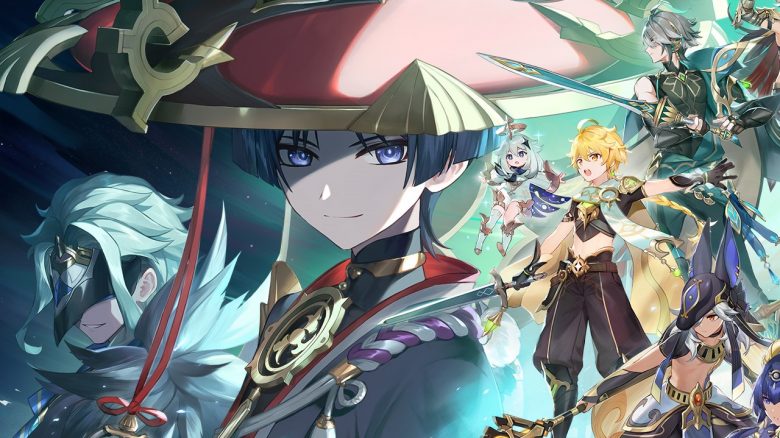
What makes Genshin Impact so special? When Genshin Impact was released in 2020, it surprised the gaming world. The open-world action RPG combined a vibrant anime design with a gacha-based character collection system and an innovative elemental combat system. The huge success was not only due to the aesthetics of the game but also to the detailed and vibrant world of Teyvat, which is full of quests and challenging opponents.
Genshin Impact was developed by HoYoVerse with a gigantic budget of 100 million dollars, with around 2,400 developers working on it. Just two weeks after release, the game had recouped its development costs, and after a month, the revenue from the mobile versions alone was already at 250 million dollars.
Nevertheless, Genshin Impact has been controversial from the start and has caused some controversies.
Controversies overshadowed the successful launch
Why did Genshin Impact cause controversies? Although Genshin Impact is extremely successful, the game has been accompanied by controversies from the very beginning. Here are the main issues that posed challenges for the development studio right from the start:
- Allegations of plagiarism: Shortly after the first gameplay presentation, many players noticed similarities to The Legend of Zelda: Breath of the Wild. Critics accused the studio of having almost directly copied the open-world design and some game mechanics. The debate escalated so far that a visitor to the ChinaJoy fair in 2019 demonstratively smashed a PlayStation 4 on which Genshin Impact was running to protest the alleged copy.
- Spyware allegations: The development studio implemented an anti-cheat program in the first version of the game that interfered deeply with the players’ operating systems. This program was particularly criticized in the United States as potential spyware. Although it was quickly removed, many players’ trust had already been shaken from the start.
- Political censorship: A quest featuring a cat character as well as certain character designs and dialogues were allegedly altered to comply with China’s political requirements. These changes led to criticism in the community and repeatedly caused the hashtag #BoycottGenshin to trend on social media.
Outrage over anniversary escalated
How did the assassination attempt occur? In 2021, an anniversary celebration for Honkai Impact 3rd in China caused massive outrage. The game, also developed by HoYoVerse, featured a character in revealing clothing in a casino setting – a depiction that is considered highly problematic in China.
The controversy escalated to the point that an agitated man attempted to murder two of the three founders of the development studio. Fortunately, he was stopped in time.
The incident nevertheless showed how emotional the reactions to the studio’s games can be.
Between global success and local challenges
What does the future hold for HoYoVerse and Genshin Impact? Despite all the controversies, Genshin Impact remains a huge success. The game generates billions and ranks among the most profitable free-to-play titles worldwide.
The criticisms – from allegations of plagiarism to data protection concerns to political censorship – have not hindered the success of the game and the studio so far. However, these controversies also highlight the challenges that HoYoVerse, as a Chinese company, faces: the balance between creative freedom, political requirements, and the expectations of a global gaming community.


While Genshin Impact continues to grow, not everyone in the community is on the winning side. This was also felt by the well-known gacha streamer Atsu, who is now stepping back from the scene after serious allegations: “I have lost absolutely everything” – Prominent gacha streamer ends career with a 34-page letter