

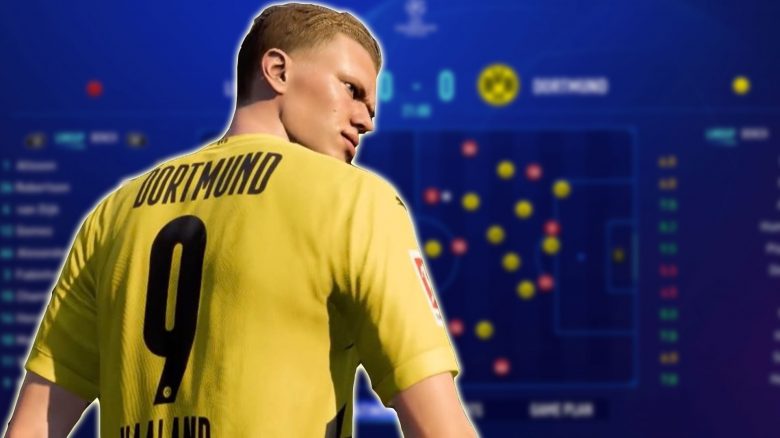
Wir durften den neuen Karrieremodus in FIFA 21 testen. Der macht einen ordentlichen Schritt in Richtung Vollzeit-Manager, findet MeinMMO-Autor Max Handwerk – und vergisst deshalb fast das Spielen.
Das war der Test: In den vergangenen Tagen durfte ich mich ein wenig im Karrieremodus von FIFA 21 austoben. Dabei gab es nur Zugriff auf die englischen Teams, und die Kader entsprachen auch noch nicht den aktuellen FIFA 21 Ratings, sondern sahen noch sehr nach FIFA 20 aus.
Insgesamt handelte es sich in der Version um einen Beta-Build, der noch nicht dem fertigen Produkt entspricht. Alles, was ich gesehen habe, kann sich bis zum Release von FIFA 21 also noch verändern. Doch die neuen Features, wie die Match-Simulation oder die detaillierte Talent-Entwicklung waren schon an Bord. Die sollten einem mehr Kontrolle im Karrieremodus geben. Und, das kann man mit Fug und Recht behaupten: Das tun sie auch.
Transfers sollen realistisch sein – Wie sieht’s aus?
So legt man in der Karriere los: Erstmal startet der Karrieremodus wie gewohnt – sieht man mal von den neuen Designs ab. Man bastelt sich seinen Trainer zusammen, sucht sich eines der Teams aus und legt los. Dann kommen Einladungen zu Vorbereitungsturnieren und die Zielvorgaben durch die Vereinsführung ins Mailfach geflattert. Mehr oder weniger ist das alles wie gehabt. Außerdem wird man per Textnachricht vom Teamkapitän freundlich im Club begrüßt. Dem kann man dann, je nach Gemütslage, kumpelhaft oder streng auf den Erfolg blickend antworten.
Aber die Zeit als Manager ist knapp, also geht es direkt ins Transferfenster. Und da ich schließlich Meister werden will, hab ich mir direkt den besten Spieler in FIFA 21 als Transferziel ausgesucht: Lionel Messi.
Der ist immer noch ein grandioser Fußballer, aber mittlerweile auch ein bisschen gealtert und hat nur noch 12 Monate Vertrag bei Barca. Außerdem scheint der echte Messi nicht mehr allzu glücklich bei den Katalanen zu sein.
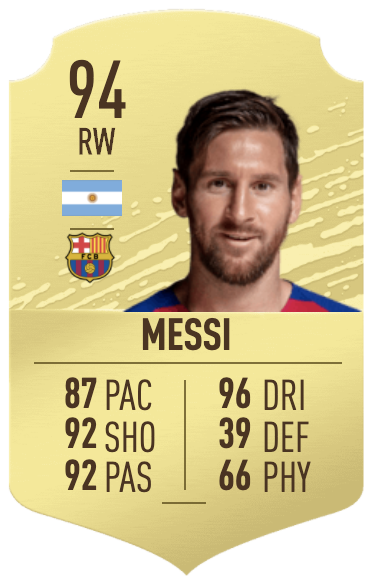
Da EA Sports einen verbesserten Realismus in der Karriere versprach, sollte da ja was zu machen sein. Ich habe insgesamt drei Teams in der Karriere ausprobiert – und so sahen die Messi-Transfers aus:
- Mit Manchester City klatschte ich problemlos 90 Millionen auf den Tisch, die Barca dankend annahm. Messi verlangte dann noch 480.000 Pfund Gehalt und einen Einstiegsbonus von 100.000. Gut, kein Problem – willkommen im Team!
- Mit dem FC Liverpool wurde es schon schwerer. Die haben nämlich nur 77 Millionen Budget, und Barca will plötzlich 98 Millionen für Messi. Firmino oder Origi wollten sie auch nicht als Tauschgeschäft annehmen, bei 50 Millionen und Mohamed Salah wurden sie aber schwach. Messi unterschrieb dann noch bei einem Gehalt von 330.000 Talern und einem geringfügigen Bonus von einer Million. Passt!
- Mit Crystal Palace war schlicht nichts zu machen. Selbst, wenn man das gesamte Transferbudget und die besten Spieler anbot, um Messi zu kaufen, verließ der Barca-Vertreter wutschnaubend die Verhandlung. Hier muss man wohl in tiefer liegende Regale schauen, wenn man sich am Transfermarkt bedienen will.
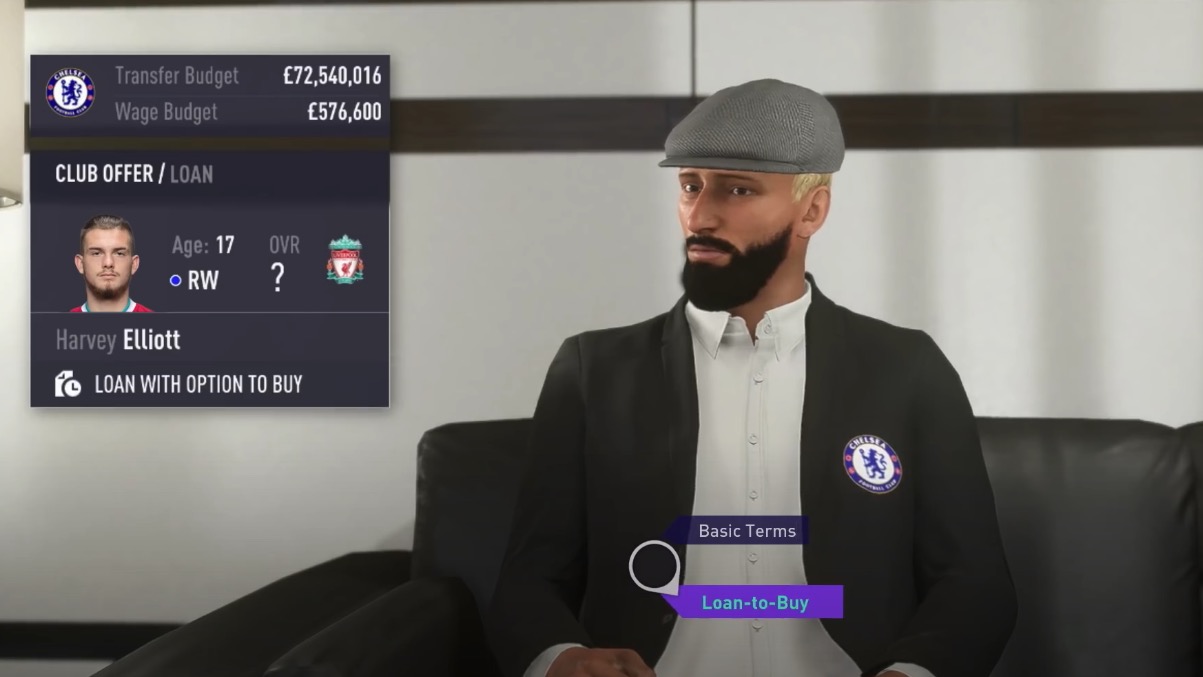
Wir sehen: Je nach Club variieren die Forderungen und machen es unterschiedlich schwer, sich ein gutes Team zu bauen. Mit Manchester City fühlt sich der Karrieremodus an, als hätte man in Ultimate Team unendlich FIFA-Points gesammelt und kann sich einfach jeden Spieler leisten.
Mit Crystal Palace muss man schon genauer auf möglichst starke Talente schauen, um ein gutes Team zusammen zu bekommen. Und hier kommt die Spielerentwicklung ins Spiel.
Die neue Spielerentwicklung ist ein Gewinn
So läuft die neue Entwicklung: Wie gewohnt kann man im FIFA 21 Karrieremodus bestimmte Trainingsübungen nutzen, um die Werte seiner Spieler zu verbessern. So weit, so bekannt. Neu ist aber der Detailgrad dieser Entwicklung. Ihr könnt genaue Trainingspläne für Spieler anlegen und so ihren Spielertypen abändern.
- Ihr braucht einen richtigen Brecher im Zentrum? Hier ist ein Trainingsplan, der Physis in den Mittelpunkt stellt.
- Euer Spieler wird älter und langsamer? Dann habt ihr hier einen Trainingsplan, der den Fokus auf Werte wie Übersicht, Stellungs- und Passspiel legt – und könnt so euren Veteranen noch länger im Verein nutzen.
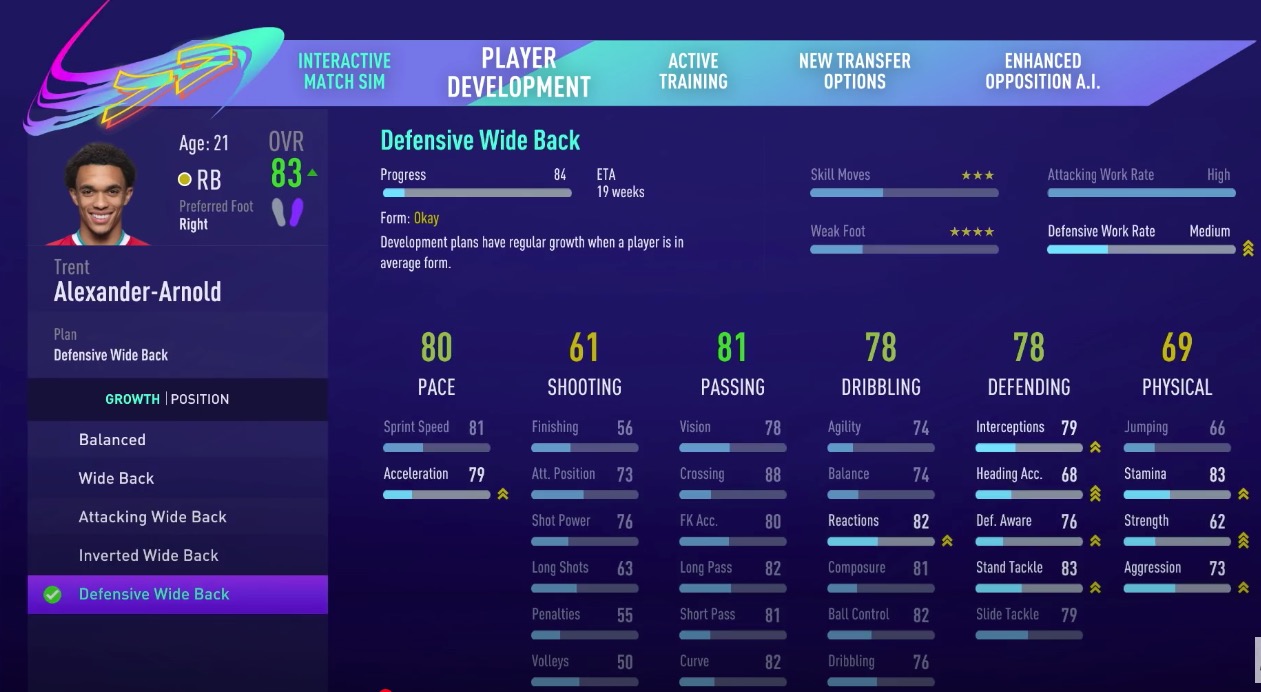
Wie effektiv das Ganze ist, habt ihr auch in der Hand. Spielt ihr Trainingseinheiten selber, ist es sehr wahrscheinlich, dass ihr bessere Ergebnisse erzielt, als eine reine Simulation. Außerdem bekommen eure Spieler so mehr “Bissigkeit” – ein neuer Wert, der ihre Performance im Spiel beeinflusst.
Zum Vergleich:
- Bei einer Simulation des Trainings gibt es 2 Punkte auf die Bissigkeit
- Bei einer guten Trainings-Einheit, die ihr selbst gespielt habt, gleich 6 Punkte
So läuft die Positionsänderung: Nicht nur den Spielertyp könnt ihr wechseln, sondern auch die Position eines Spielers. Ich hab das mit Palace-Verteidiger Riedewald versucht. Setzt man den Innenverteidiger etwa darauf an, sich zum Rechtsverteidiger weiterzuentwickeln, dann schaut er ab sofort, dass seine Geschwindigkeitswerte hochgehen – die mit Werten im 60er-Bereich bedenklich niedrig sind.
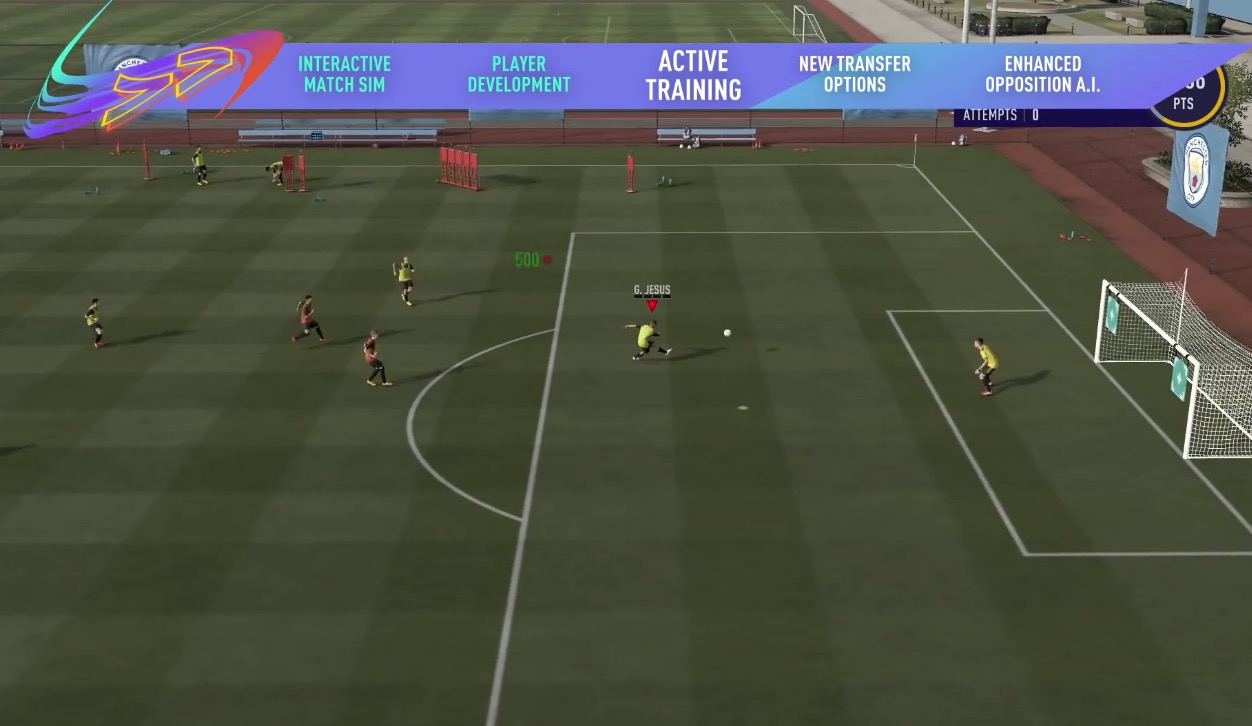
Auf der Außenbahn eignet er sich also nicht wirklich.
Als ZDM hingegen könnte er gut brauchbar sein, weswegen wir diese Postion anstreben. Wie lange sowas dauert, ist auch ein Indikator dafür, wie gut die Entwicklung passt: Rechnet nicht damit, einen Innenverteidiger auf die Schnelle zum Stürmer zu machen, wenn die Werte dafür nicht passen. Riedewald etwa hat Schusswerte, die alle zwischen 40 und 50 tendieren. Da ist die Zeit und Mühe einfach verschwendet, wenn er doch ohnehin gute Defensiv-Werte aufweist.
Zum Vergleich: Bei Riedewald dauert es
- 167 Wochen, bis er ein Stürmer wird
- 29 Wochen, um ihn auf ZM zu bringen
- 2 Wochen, bis es auf ZDM passt
Da ist dann relativ eindeutig, welche Position passt, und welche nicht. In diesen Spielereien kann man sich richtig verlieren, hab ich gemerkt – und so dauerte es ewig, bis ich mal das erste Spiel anging. Und dort kam dann die wohl größte Neuerung zum Einsatz.
Die Simulation ändert den Bezug zum Spiel
Darum ist die Simulation so wichtig: Die neue Simulation in FIFA 21 ist ein Feature, das den Karrieremodus merklich verändert. Es ist nun möglich, ein Spiel im Simulations-Bildschirm zu betrachten. Dort sieht man die Spielzüge, die Laufwege, Tore – alles. Nur eben als Radar. Man kann ins Team-Management eingreifen und die Ausrichtung ändern. Und: Man kann ins Spiel springen.
Merkt man, dass das Team nicht so will, wie man selbst, kann man einsteigen. Dann spielt man ein paar Spielzüge, versucht den Gegner zu dominieren und im Idealfall die Tore zu schießen, die in der Simulation nicht fallen wollten. Der Clou: Wenn das geklappt hat, geht man einfach zurück in die Simulation. Und von dort wieder ins Spiel – oder eben auch nicht. Je nachdem, wie es läuft. Auch zum Ende des Spiels kann man direkt springen.
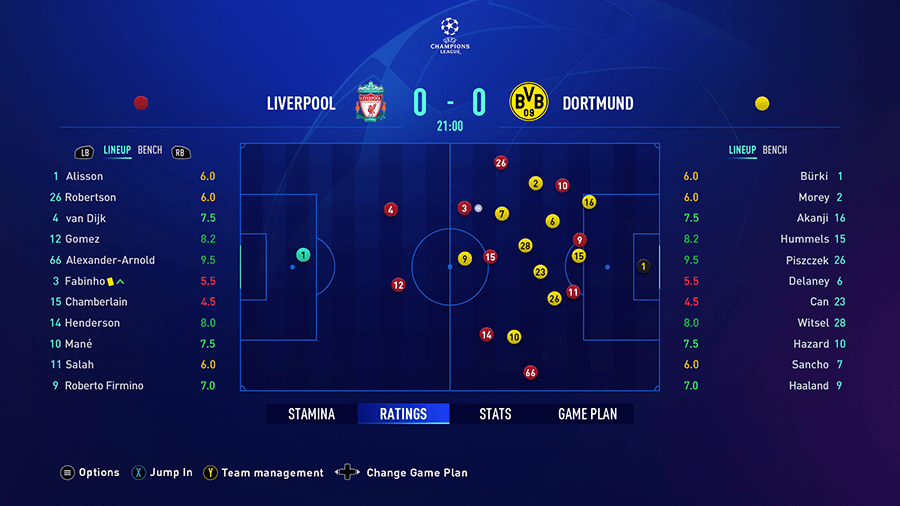
Gerade zu Anfang, wenn man die erste Simulation beobachtet, ist das fast schon hypnotisch.
Man sieht, wie die eigene Mannschaft agiert und bekommt sogar Ideen für neue Laufwege, wenn man dann selber spielt. Man fühlt sich wie der Trainer, der von außen drauf schaut – nur, dass man im Notfall eben reinspringen kann. Das macht eine Menge Spaß.
Sieht man nun auch noch, wie die kleinteilig weiterentwickelten Spieler genau das tun, was ihr euch für sie vorgestellt habt – dann ist man ein glücklicher Manager.

Wo ist nun das Problem? Insgesamt sind alle Veränderungen des Karrieremodus eine tolle Sache – wenn man auf den Management-Teil des Modus steht. Man fühlt sich wie Scout, Trainer und Manager zugleich. Vor allem, wenn man noch die Kalender-Planung übernimmt.
Allerdings hab ich festgestellt, dass diese Veränderungen in Richtung Manager-Spiel bei mir den Bezug zur Karriere verändert haben. In früheren Teilen hab ich jedes einzelne Spiel ausgespielt, um den größten Erfolg zu haben. Das ist nun nicht mehr nötig.
Der Karrieremodus liefert so viel Automatisierungsmöglichkeiten, die einen – wenn man den Manager-Teil gut erfüllt – ziemlich sicher an die Spitze führen. Oder zumindest zur Erfüllung der Saison-Ziele.
Klar kann man auch weiterhin jedes Spiel ausspielen. Doch die Simulation ist zu verlockend – und gerade mit ManCity braucht man sich keine Sorgen machen, dass da viel schief geht. Mit den Citizens hab ich zwischendurch eine halbe Saison simuliert. Da verpasste ich zwar ein paar Mails, wie etwa Nationaltrainer-Angebote für die Teams aus Wales, Peru und Neuseeland – oben in der Tabelle stand meine Mannschaft trotzdem.
Bei Crystal Palace sieht das natürlich anders aus. Doch auch hier kommt man gut zurecht, wenn man die Simulation wählt und nur im Notfall eingreift.
Ein klarer Kritikpunkt am Karriere-Modus in FIFA 21 ist aber, dass der Bezug zu den Spielern immer noch sehr wie Copy-Paste wirkt. In allen drei Karrieremodi haben sich Spieler per Mail an mich gewandt, doch die Texte bleiben insgesamt die selben. Der persönliche Bezug zur Mannschaft fehlt also ein Stück weit.
Fazit: Die neue Karriere fühlt sich durchaus anders an, als früher. Auch, wenn viele Elemente gleich bleiben. Doch die neuen Features Entwicklung und Simulation sorgen dafür, dass man sich richtig in die Zahlen und Daten des Modus versenkt.
Das tatsächliche Spielen auf dem Platz hingegen rückt dabei ein wenig in den Hintergrund – zumindest bei mir.
Gut möglich, dass die Karriere für mich nun endgültig der “Fußballmanager”-Teil von FIFA 21 wird, und Gameplay nur noch vereinzelt zum Einsatz kommt. Aber dafür gibt es im Zweifel ja auch noch andere Modi, wie zum Beispiel Ultimate Team. Alle FUT-Neuerungen findet ihr hier in der Übersicht.

Deine Meinung ist uns wichtig!
Gefällt dir der Artikel? Hast du irgendwelche Kommentare? Sag uns, was du denkst!





























Kommentare
Ich habe nun auch ein paar Std. den neuen Karriere Modus testen können. Leider bin ich wieder enttäuscht worden, wie jedes Jahr….Die Vertragsverhandlungen mit Spielern, sowie den Vereinen wurden seit 4 Jahren nicht optimiert. Leihe mit Kaufoption wird hier als innovative Neuheit angepriesen*wow* Das war’s dann schon mit der Neuheit. Der Spieler entscheidet immer noch welche Rolle er im Verein einnehmen möchte”Schlüsselspieler etc.” Es ist nicht möglich was anderes auszuwählen, obwohl so getan wird, als hätte man Optionen(Rotationsspieler etc.) Genauso sieht es bei der Vertragslaufzeit aus. Man kann immer nur +-1 Jahr der Laufzeit variieren. Die Interviews sind immer noch eintönig, langweilig und ohne Sprachversion.(siehe NBA2K, passende Interviews und Abwechslungsreich) Dafür, dass wieder einmal damit geworben wurde, dass dieses mal wirklich ein Augenmerk auf Karriere gelegt wird/wurde ist “nur” die Simulation des Spieltages und des Trainingsmodus einfach viel zu wenig. Stadion/Trikots/Sponsoring/Jugend (10-20Jahre die gleichen Trikots und Sponsoren sind einfach langweilig)gehört einfach zum “Managermodus” dazu, sonst gibt es ja halt den Spielermodus bei Karriere…..