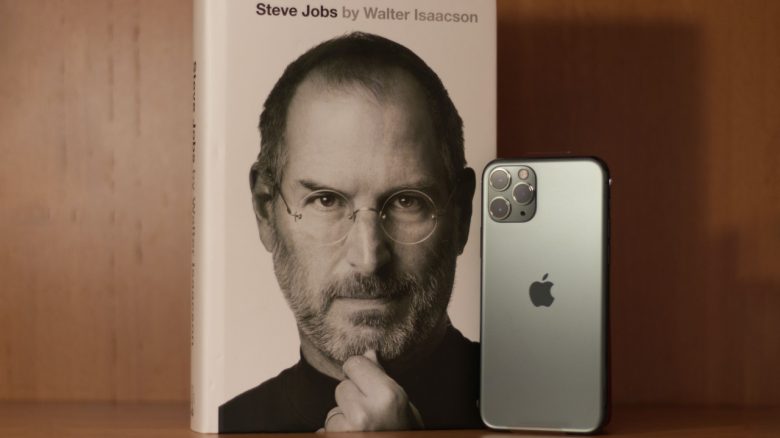
In 2007, Steve Jobs presented the iPhone to the public for the first time. What few people knew was that the device didn’t function properly during the presentation, and the developers had to come up with a plan to ensure that this didn’t come to light.
The presentation of the first iPhone in 2007 went down in tech history as a legendary event: Steve Jobs showcased the iPhone by playing music and videos, browsing web pages, sending messages, making a call, and using Google Maps to find a Starbucks and order 4,000 coffees. However, no one could have guessed that this high-tech iPhone was, at that moment, a perfectly rehearsed performance.
This is reported by Andy Grignon, then senior engineer at Apple, in an interview with the English-language magazine NewYorkTimes (possibly behind a paywall). The iPhone was not functioning properly at the time of the presentation. Instead, some tricks had to be devised to avoid being exposed.
The software of the iPhone was full of errors during the presentation
What were the problems? According to Grignon, the iPhone’s software was full of bugs, and Jobs had practiced for 5 days to make the presentation work. However, even on the last rehearsal day, the iPhone still dropped calls occasionally, lost internet connection, froze, or simply shut down:
It felt like we had run the demo a hundred times, and each time something went wrong. It was not a good feeling.
For this reason, the chief technicians at Apple had to come up with a contingency plan to ensure that the device would actually work during the final presentation.
How were the problems solved? Apple’s engineers developed a workaround: the “golden path.” This was a precise sequence of actions that Jobs had to follow without deviation. Only in this way could it be ensured that the iPhone wouldn’t stop responding in the middle of a demonstration.
Getting through the presentation with many tricks
Many backup devices: Steve Jobs had several identical devices on stage. If one failed, he switched to the next device without the audience noticing.
Modified chip for image transmission: For the presentation itself, engineers built special plates and video cables into the iPhone that took the signal from the iPhone and forwarded it to the projector. This way, no camera needed to be aimed directly at the model. This made the presentation particularly “magical.”
Wi-Fi connection: Another problem was the Wi-Fi: with thousands of people in the room, the connection could be compromised. To avoid this, Apple modified the AirPort software responsible for the iPhone’s connection. It was adjusted to operate on frequencies reserved for Japan, outside the range typically used in the United States.
Phone calls: There was also a trick behind the phone calls: Apple collaborated with a telecommunications provider to set up a mobile cell tower nearby. Additionally, the iPhone was modified to always show full connectivity.



Elon Musk and Steve Jobs are both regarded as tech pioneers in their fields. However, a meeting between the two did not go well. At least that’s how Elon Musk remembers it, recalling the special meeting with Jobs: A “legendary” meeting between Elon Musk and Steve Jobs ended in moments because one of them was rude.