

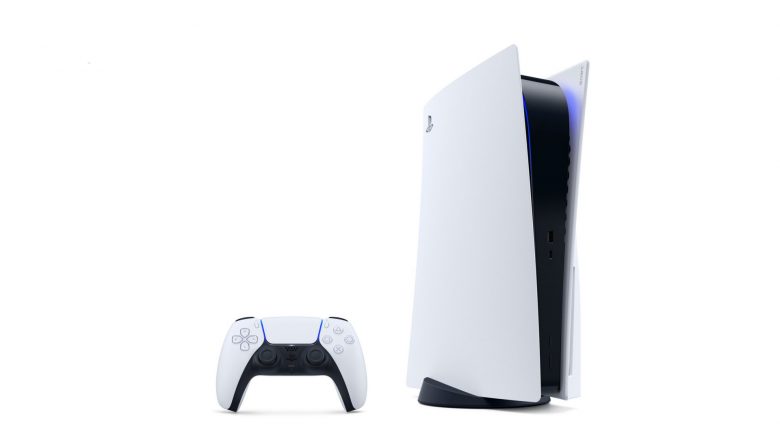
Sony has apparently revised its console and released a new PS5 model. With a smaller heatsink, the console is expected to be both lighter and hotter. However, higher temperatures should not be a problem.
Sony seems to have introduced a new PS5 model. Early YouTubers and journalists have already examined the new model. Several things stand out with the new model:
- The heatsink has become significantly smaller and is no longer as bulky.
- The console weighs 300 grams less.
- A new fan is also said to have found its way into the console.
- According to initial users, the console may run a bit hotter and have slightly higher power consumption.
There is currently much discussion about the smaller heatsink and whether it could negatively impact the cooling and performance of the PS5 in the long term.
Who is discussing this? Tech YouTuber Austin Evans has disassembled and thoroughly examined the new PlayStation 5 model (via youtube.com).
Gamers and journalists have mixed feelings about the new PS5 model, but there is probably a reasonable decision by Sony behind it. And the increased heat may not pose a problem for the console in the long run. However, a definitive statement is currently lacking meaningful data or an official statement from Sony.
Extensive data likely supports Sony’s decision
Why was the change made? Sony’s decision to reduce the size of the cooler was likely not made lightly. There has yet to be an official press release or news from Sony, and so far, the new model seems to only be available in Japan and Australia.
Therefore, websites like Verge speculate that Sony made optimizations in the production of the PS5 (via theverge.com).
With a wealth of user data (telemetry data) from millions of consoles used by gamers, Sony likely has more than enough data and details about the console temperatures. At least, Sony stated in a conversation that they wanted to use user data to optimize the fan speed of the PS5 (via pcmag.com).
Yasuhiro Ootori, VP of mechanical design at Sony, explains:
In the future, various games will be released, and data about the behavior of the APU in each game will be collected. We have a plan to optimize the fan control based on this data.
(via PCMag.com)
Therefore, it should be reasonable to assume that the cooler could be reduced without significantly risking higher temperatures. For most gamers, the higher temperatures may not matter, as the heat is effectively expelled by the fans.
Why heat should not be a problem: Generally, for computers and consoles: once the heat inside the device rises, the fans start to spin faster to expel the heat. However, there is currently no verifiable data on whether the console actually runs hotter due to the smaller heatsink.
If overheating issues were to occur with the PS5, the fans would also need to run faster to better push the heat out of the console. However, early reports suggest that this is not the case.
Some speculate that the heat development is not much greater than before, but instead, the new fan that Sony has installed simply expels the hot air more efficiently than the old model. In the long run, this could even be better. However, this is speculation for which there is currently no evidence. We must wait for solid data to become available.
Rumors about a new PS5 model had already emerged in the spring. However, Sony reportedly only made a minor change that most users likely did not notice:
Sony is reportedly planning a new version of the PS5 – with a change

Your opinion is important to us!
Do you like the article? Then let us know!