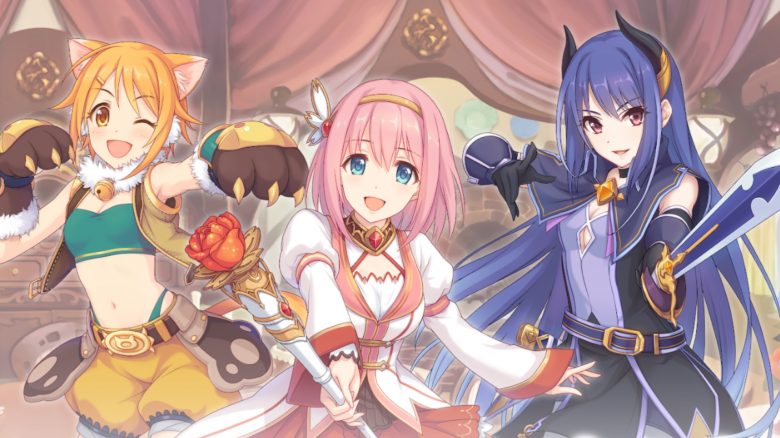
Anime games are becoming increasingly popular in the West and are not without controversy. We at MeinMMO spoke with Crunchyroll, one of the largest publishers of anime content, about their developments, pay-to-win, and censorship.
Who is Crunchyroll? They call themselves “the world’s largest anime collection.” Crunchyroll offers the latest episodes of Japanese animes and hundreds of chapters of mangas. They are also active in gaming with Crunchyroll Games, where they publish various anime games.
Crunchyroll also ensures that anime games from Asia reach the Western world. They act as a publisher and make sure that the games are adapted for the Western market.
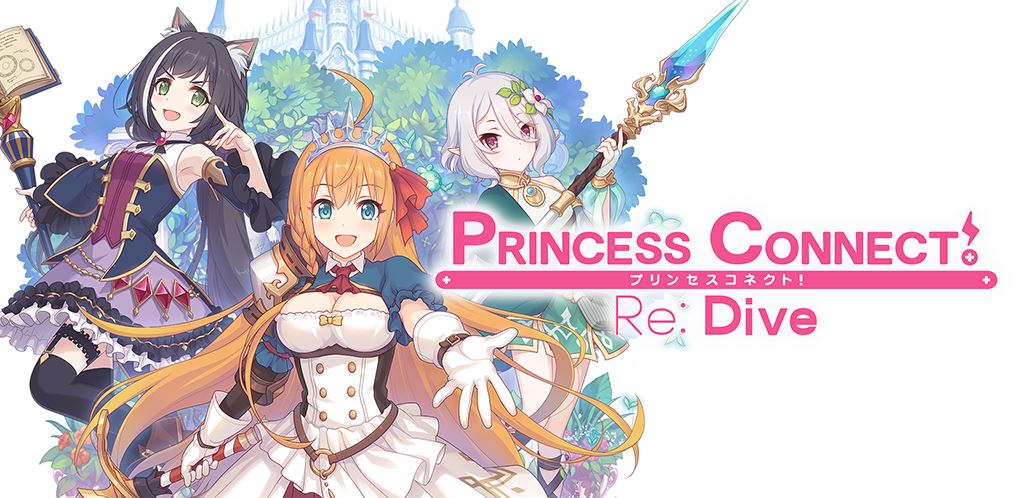
Which games does Crunchyroll manage? The publishers manage a variety of anime games, including a selection of mobile games like Princess Connect Re: Dive or MASS FOR THE DEAD. They also have games based on larger anime franchises such as Naruto X Boruto Ninja Tribes.
Who is speaking here? We at MeinMMO had the opportunity to conduct a written interview with Terry Li. He is the General Manager of Crunchyroll Games. We spoke with him about Crunchyroll’s development in the Western gaming market, their future plans and cloud gaming, as well as gacha mechanics and censorship in their games.

Hope for More Growth in Europe
MeinMMO: Why did you decide to publish only anime games?
Terry Li: In fact, we also publish non-anime games, although we primarily focus on anime and anime-inspired games because that’s where our core audience and expertise lie.
Through the rapid growth of Crunchyroll on the anime streaming side, we have built a huge audience that overlaps significantly with gaming. This audience has shown a great appetite for anime-inspired games, and we have spent the last ten years refining and improving our understanding of this space. For these reasons, we believe we are well-positioned to publish this type of games.
MeinMMO: Which anime that you don’t yet have in your portfolio would you like to release a game for?
Terry Li: That’s a difficult question to answer, as the popularity of animes changes from year to year, and with the right game mechanics and passion for game design, one can create a good game from a large number of anime – far more than there are today.
We are always looking for new game opportunities, especially around tentpole IPs [the major releases from film producers in a year] that have had multiple consecutive anime seasons aired or classic, long-standing titles that have not yet fully transitioned into the gaming space.
MeinMMO: How do you decide which games to publish?
Terry Li: That’s a great question. We go through a pretty comprehensive evaluation process of the strength of the IP, the game mechanics and design, the suitability of the genre for our audience, and the planned live services for the game.
We then assess all these factors in conjunction with our own assessment of our marketing channels, community touchpoints, creative input, and therefore determine our own ability to successfully publish a title.
MeinMMO: Do developers approach you, or do you reach out to them to select your games?
Terry Li: Today, our game pipeline is created through a combination of inbound and outbound initiatives. We proactively reach out to developers and IP owners to seize selected opportunities, and we also receive a whole range of inbound partnership inquiries.
However, we are still relatively new in the game publishing space, so the way we source games is constantly changing over time.
Inbound initiatives occur when the developer approaches the company, whereas outbound initiatives involve the company directly reaching out to the developer.
MeinMMO: What are your plans for 2021, and how do you want to grow larger in the European market?
Terry Li: Our goal for 2021 is to pursue multiple global publishing opportunities – meaning we would publish the game ourselves instead of acting as a marketer, and we would prefer games that have a global, worldwide launch (as opposed to a limited launch in the US region).
We definitely want to have a larger presence in the European market. Europe is one of Crunchyroll’s largest growth regions outside of the USA, and it is an important pillar of the anime and anime gaming fandom. We hope to achieve more growth in Europe by striving for worldwide launches and region-specific live actions (like those affecting loot systems).
Gacha Mechanics and Pay2Win in Mobile Games
The catch is that you often need a lot of luck to get the desired loot. Alternatively, you have to invest a lot of money to improve your chances of getting it.
MeinMMO: Your games utilize gacha mechanics, which are often referred to as pay-to-win in the West. What do you think about that label?
Terry Li: The truth is that monetization is always a sensitive topic, as the value of in-game items or packs is perceived differently by various players. Generally, we know that gacha mechanics are very common in Japanese and Asian games, which means that they carry over to the anime games we bring to the West. Given that so many anime games are indeed based on gacha mechanics, it would be difficult to remove them and still maintain the same gaming experience.
However, we try to be careful in selecting games and work with the original developers to ensure that the gacha mechanic serves to balance gameplay progression and player engagement. Additionally, we are aware that there are restrictions on gacha mechanics in some regions (e.g., in parts of the EU), meaning we would need to consider how to adjust gameplay balance and loot systems if we were to launch there.
MeinMMO: When do you consider a free mobile game to be fair in terms of pay-to-win?
Terry Li: The answer can vary greatly depending on the game, but in my personal opinion, it comes down to accessibility. If purchasable currency primarily serves to speed up progression or the opening of packs, then it helps both new players catch up and seasoned players progress faster – meaning that everything purchasable should also be earnable.
However, if there are specific characters or items that are literally impossible to obtain without paying, meaning that you will never have access with the normal, earnable currency no matter how much you accumulate and play, then that leads to an unfair pay-to-win concept.
The Development of Mobile Games
MeinMMO: How do you think mobile games will develop in the coming years?
Terry Li: In recent years, we have seen mobile games take on significantly more complexity – from the depth of gameplay mechanics to the length of the narratives. I expect this trend to continue. While people a few years ago viewed mobile gaming as fleeting and less involved than console or PC games, I think this trend will continue to change, and people will increasingly view mobile gaming as a core business.
Furthermore, I expect the live service aspect of mobile games to evolve to the point where the majority of successful mobile games will be inherently built around a live service.
MeinMMO: What role do you want to play in the growing mobile games market?
Terry Li: I don’t believe we will stray too far from the concept of anime-inspired games, as our goal is not necessarily to be a large game publisher but rather to offer a holistic entertainment experience for anime fans worldwide. This means that we will weigh our role in mobile anime games alongside that of anime streaming, commerce, merchandising, etc.
Of course, we will continue to invest heavily in games and strive to bring more fantastic titles to the West. But our efforts are part of a broader goal to support the growth of the anime space as a whole.
Adaptation and Differences in Asian Games
MeinMMO: You are experts at bringing Asian games to the West. What differences do you see between the Asian and Western markets?
Terry Li: I think there is a significant difference in the expectations of the player base regarding live operation support, core features, and certain monetization trends. Regarding whether gacha is pay-to-win – that’s a good example of the difference in audience reception – as gacha mechanics are very common and largely accepted in the Asian gaming world, while they often have a more negative connotation in the West and are even banned in certain regions.
There are also differences in the intensity of content within the game and the distribution of core versus casual players, which are quite different in the East vs. the West. All of these factors influence the success of a transferred game.
MeinMMO: For the Western market, Asian games are adapted, and sometimes they are altered. Not every gamer likes that, and some see it as censorship. Why does that happen?
Terry Li: That’s a good question, and the reality is that it is never an easy decision. The core of the decision is a multi-layered process.
First, we have to respect the broad fan base and know where the boundaries lie – especially regarding content perceived as offensive by certain segments, and we want to ensure that we are an all-encompassing publisher. Second, there are specific app store and legal requirements that differ for the Western market. These restrictions often dictate the extent to which we need to ensure the appropriateness of the content we publish.
So it’s a balancing act between adapting to operational requirements and maintaining the authenticity of the original experience.
MeinMMO: Cloud gaming is currently a big trend. Are you also planning a cloud-based solution for your games?
Terry Li: Since the cloud-based solution has so far been more of a development on the developer side, we as publishers with customer contact have not strongly aligned our roadmap with this concept. We will continue to observe the trends, and I am sure this topic will keep coming up as we publish more games.
MeinMMO: Thank you for the interview!
What do you think of Crunchyroll’s statements? Can you understand that gacha mechanics and censorship in anime games are so widespread in the Western market? Let us know in the comments!
If you want to read more about anime games, we recommend our list of the best games in the genre: