

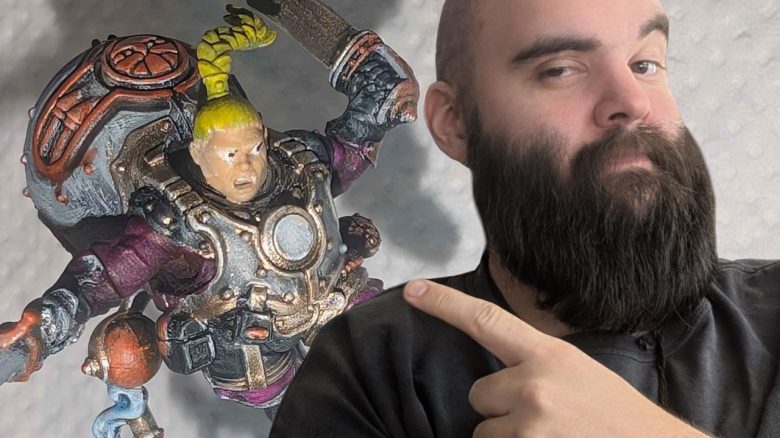
MeinMMO-Redakteur Benedict Grothaus ist riesiger Fan von und Experte für Warhammer 40.000, vor allem wenn es um die Lore geht. Nur vor einem hat er sich immer gescheut: dem Bemalen der Miniaturen. Bis jetzt. Und durch die Slapchop-Technik ist das Ergebnis viel besser als befürchtet.

In der Oberstufe damals habe ich Bildende Kunst zugunsten von Musik abgewählt. Zeichnen und Malen war einfach nie meine Stärke und so habe ich vor über 16 Jahren zuletzt entsprechende Werkzeuge benutzt.
Trotzdem ist Malen ein wichtiger Bestandteil des Hobbys Warhammer und meine Armee besitze ich auch schon seit einigen Jahren – nur eben „nackt.“ Mich hat meist die Befürchtung geblockt: Was, wenn es kacke aussieht? Schließlich zeigt die Community selbst immer wieder ihre ersten Schritte beim Malen und die Neulinge fragen, ob die grauenhafte Optik so normal ist. Die ernüchternde Antwort ist oft: Ja. Verbesserung kommt erst durch Übung. Ich will aber ja, dass meine Armee gut aussieht.
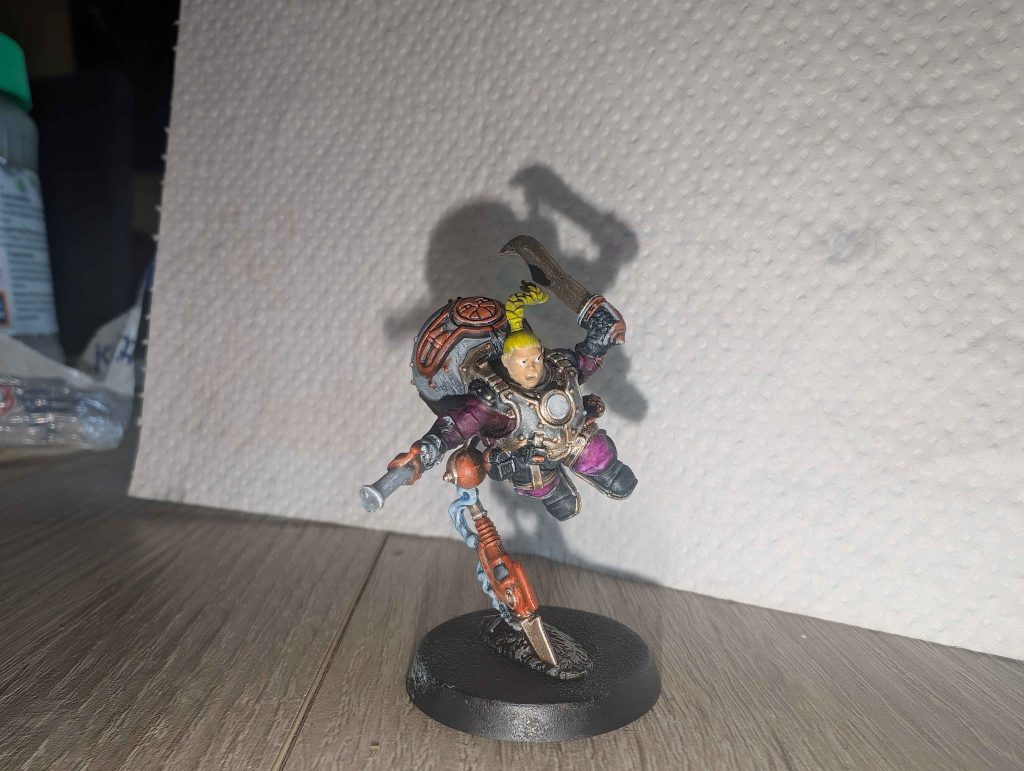
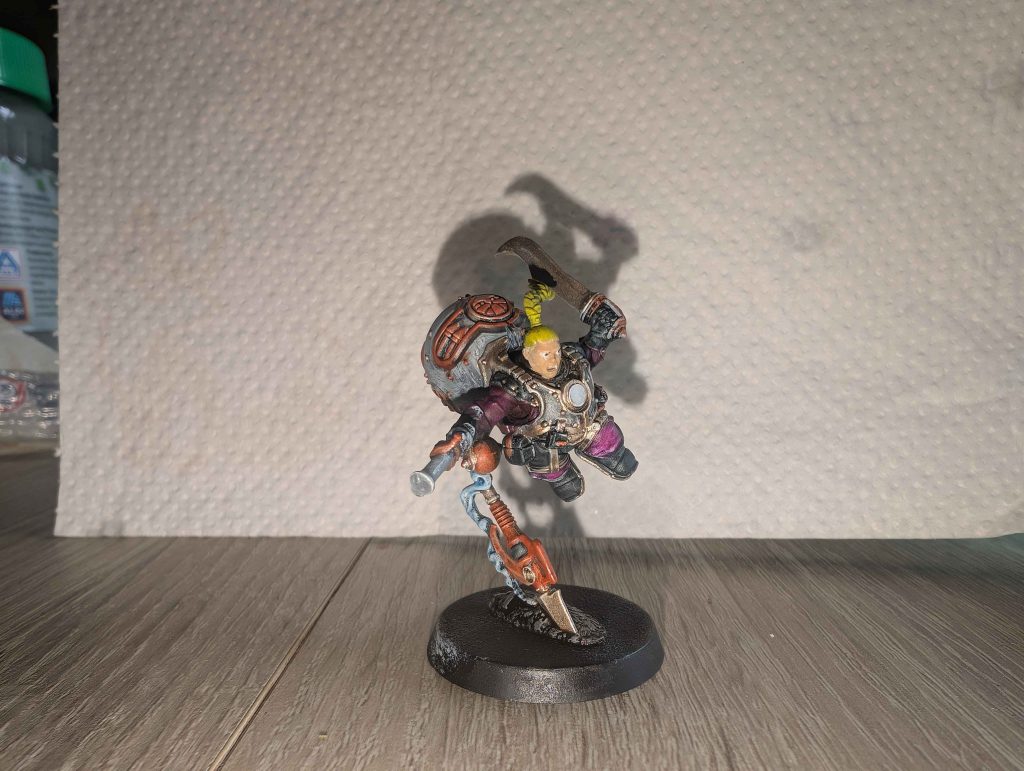
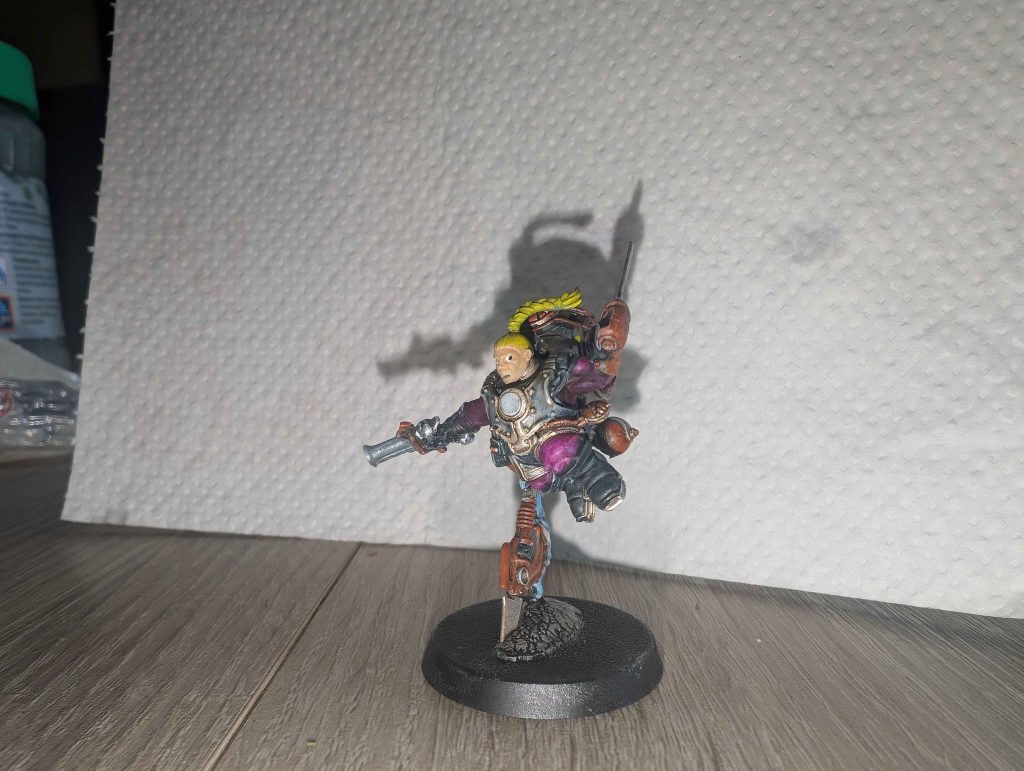
Der Fortschritt von Freunden und Berichte wie die von Kollegin Caroline Fuller und ihren tollen Ergebnissen beim Malen haben aber immer weiter Druck aufgebaut, bis ich doch endlich mal zur Farbe gegriffen habe. Und beim Imperator, bin ich stolz auf das Ergebnis!
Slaphchop – DIE Technik für Pinsel-Legastheniker
Wer naiv wie ich dachte, dass man einfach zum Malkasten greift und halt mal eine Miniatur bepinselt, könnte falscher nicht liegen. Hinter der ganzen Sache steckt haufenweise Theorie, wie:
- Welchen Pinsel nutze ich wofür?
- Wie stark ist die Farbe verdünnt?
- Wie viele Farbpigmente hat die Farbe? (Stichworte: deckend, Kontrast, Shader?)
- Mit welcher Farbe ist die Miniatur überhaupt grundiert?
Das wirkt abschreckend, vor allem für jemanden, der mit Malerei sonst gar nichts zu tun hat. Ein Freund nahm mir dann die Angst, indem er mich auf eine sehr simple Technik hinwies: Slapchop. Das Tolle an dieser Technik ist, dass sie Fehler verzeiht, denn was ein Versehen ist, kann schlicht als organischer Teil der Miniatur betrachtet werden. Als Stütze half mir das Erklärungs-Video von The Honest Wargamer auf YouTube.
Im Grunde ist die Technik total simpel. Ihr grundiert eine Miniatur schwarz, bepinselt sie dann trocken mit erst mit einem hellen grau und ein zweites Mal mit weiß. Dieses Vorgehen nennt sich „drybrushing“: ein Pinsel wird mit einer deckenden Farbe getränkt und dann auf Papier „getrocknet“, bis kaum noch Farbe… nun, abfärbt.
Die wenigen verbleibenden, trockenen Pigmente werden dann durch einfaches „bepinseln“ auf die Miniatur gebracht. Dadurch, dass nicht alle Stellen erreicht werden können und durch die drei verschiedenen Farben (schwarz, grau, weiß), entstehen natürliche Kontraste, die die Figur plastischer wirken lassen. Im Anschluss wird nicht mit deckenden Farben (Layer
), sondern hauptsächlich mit Kontrast-Farben gearbeitet:
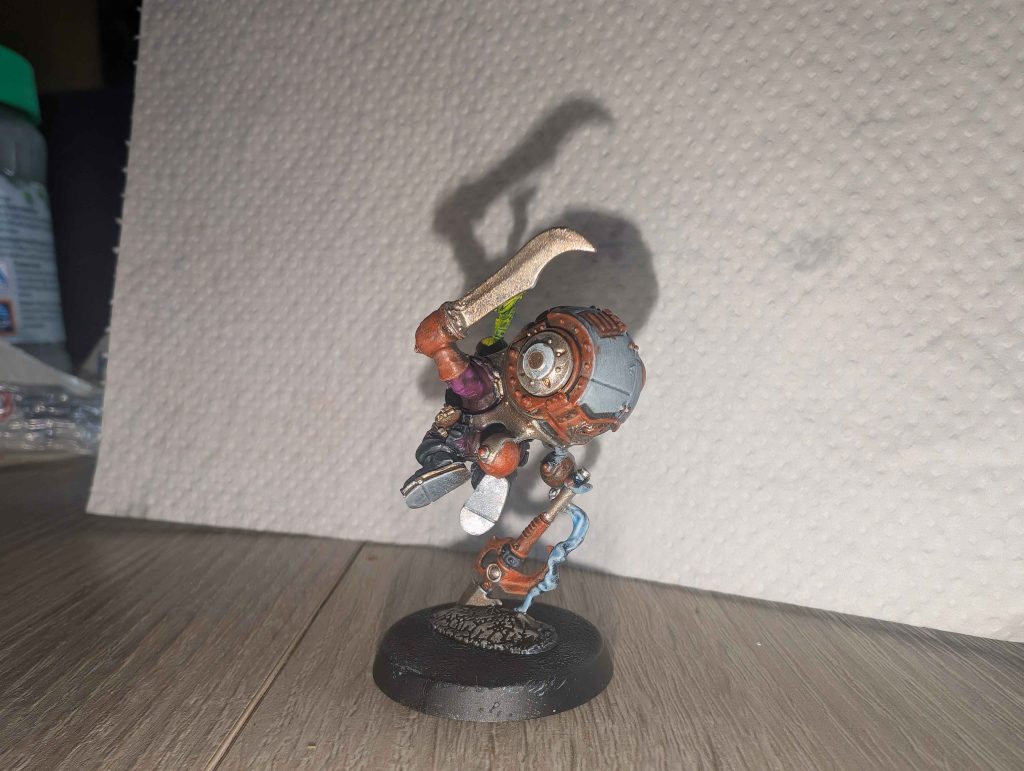
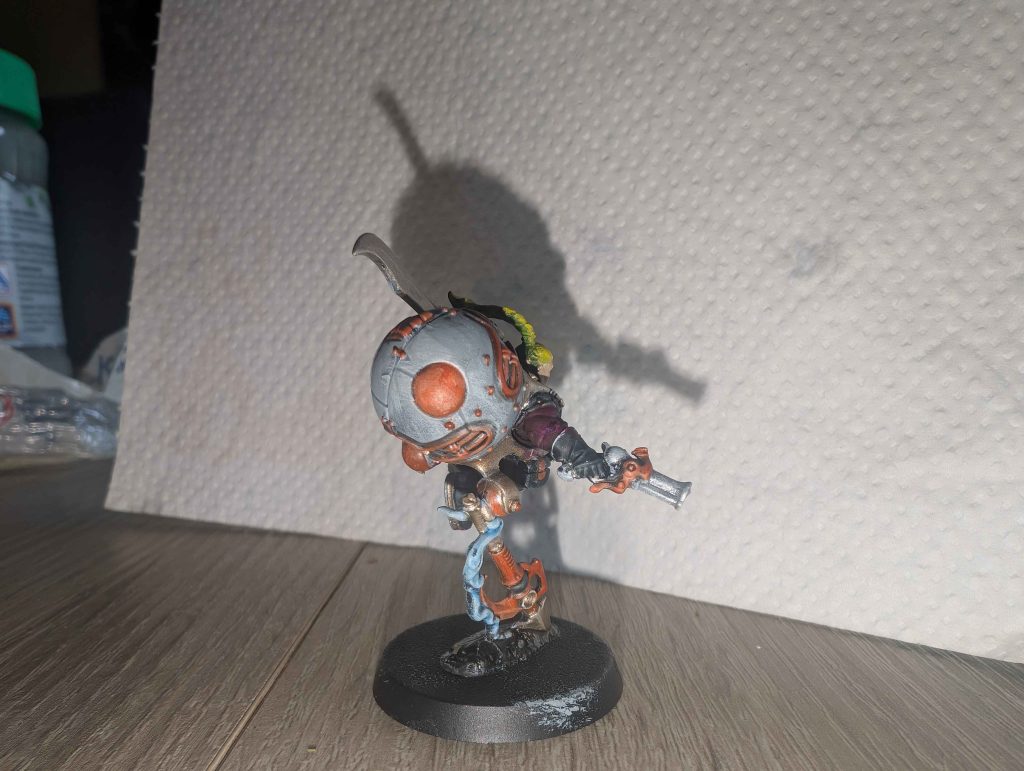
Das richtige Werkzeug aus dem … Kosmetikstudio?
Farben und Pinsel hat mir der gleiche Freund gestellt, der mich schon beraten hat (und der selbst dutzende Miniaturen der Space Elfen der Aeldari angemalt hat, schon als Jugendlicher). Was mich dabei am meisten überrascht hat: die Pinsel sind echt günstig.
Man kann wirklich viel Geld für entsprechendes Werkzeug in Fachläden für Malerei, Modellbau und Kunst lassen. Oder … man kauft sich einfach das billigste Set an Schminkpinseln auf Amazon. Genau diese Pinsel sind für Drybrushing bestens geeignet.
Für die Detailarbeit kamen dann natürlich andere, speziellere und vor allem dünnere Pinsel zum Einsatz und Dinge wie eine Wet Palette, von der Caroline so schwärmt, stehen bei mir noch an. Aber für einen ersten Versuch bin ich mehr als glücklich.
Erst auf den Bildern sind mir schließlich noch Feinheiten aufgefallen, die ich so an der Miniatur gar nicht gesehen habe – aber so etwas ist normal und „nacharbeiten“ gehört ebenso zum Hobby wie das Bemalen selbst. Dazu übe ich aber schließlich.

Nach 3 Jahren Prokrastinationen will ich unbedingt mehr
Da ich nun Blut geleckt habe, will ich mehr. Einigen von euch ist sicherlich aufgefallen, dass die Miniatur (abgesehen von der Bemalung) etwas… seltsam aussehen mag. Das liegt daran, dass ich kein Mini von Warhammer 40.000 bemalt habe, sondern einen Kharadron Overlord vom etwas unbeliebteren Age of Sigmar.
Die Unterschiede zwischen den Welten von Warhammer erkläre ich hier im ausführlichen Special.
Warhammer-Läden verschenken jeden Monat eine kostenlose Miniatur, wenn man diese direkt im Laden zusammenbaut. Davon besitze ich einige und ich nutze sie, um zu üben, bis ich mich sicher genug fühle, um meine eigentliche Armee zu bemalen: eine Streitmacht der Adepta Sororitas, der fanatischen Krieger-Priesterinnen aus Warhammer 40.000.
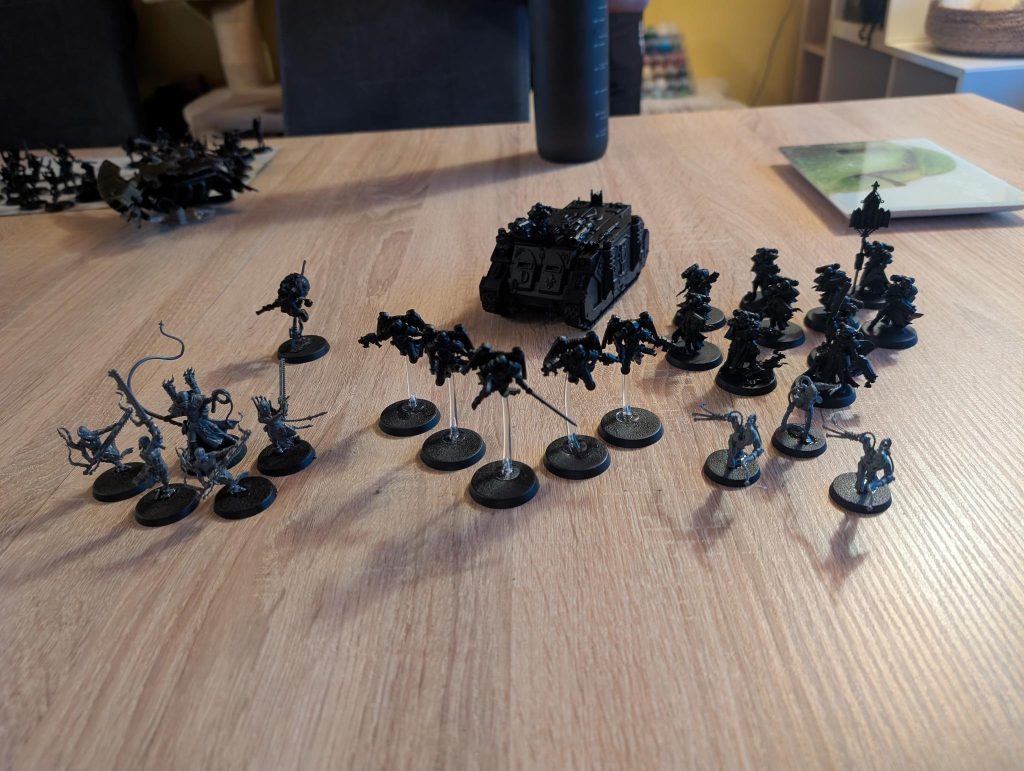
Bis dahin wird sicherlich noch ein wenig Zeit vergehen, aber ich will weitermachen. Lange habe ich mich ums Malen gedrückt, Ausreden gesucht und erst alle Figuren gebaut, die ich habe, um das Unvermeidliche so lange herauszuzögern, wie es geht. Jetzt frage ich meine Truppe ständig nach der nächsten Mal-Session – meist treffen wir uns zum Malen und Basteln, um nebenher über Warhammer zu reden.
Schreibt mir gerne in die Kommentare, was ihr von meinem ersten Versuch haltet und seid dabei streng! Ich will besser werden. Wenn ihr Tipps habt: immer her damit!
Obwohl ich eingefleischter Gamer bin, hat sich Modellbau – und nun auch das Bemalen – als überraschend kurzweiliges Hobby etabliert, das mich regelmäßig vom Bildschirm weg und zum Tisch hinführt, um mit Zange, Entgrater, Kleber und nun auch Pinseln meine Armee zum Leben zu erwecken. Und so unfassbar teuer, wie es immer heißt, muss es am Ende gar nicht sein: Mit diesen 3 Optionen könnt ihr Warhammer ausprobieren, ohne eure Niere verkaufen zu müssen

Deine Meinung ist uns wichtig!
Gefällt dir der Artikel? Hast du irgendwelche Kommentare? Sag uns, was du denkst!





























Kommentare
Von den Augen wirst du Nachts träumen.
Man kann sie auch weglassen und mit Washes die nötige Wirkung erzielen. Setzt aber voraus das der Rest des Gesichts entsprechend schattiert ist.
Malen und dann kleben empfehle ich nur in Ausnahmefällen.
Was genau macht erst bemalen zur schlechteren Option? Hab neulich einen Irren gesehen, der 2 Dutzend Köpfe vorab-bemalt hat für einen Freund.
Meine Mit-Maler nutzen alle nur Helme, aber ich wollte nicht den leichten Weg gehen… hätte ich vielleicht doch tun sollen.
Kleber löst den Kunststoff und verschmilzt die beiden Stellen. Ist da nun aber Farbe drüber löst der Kleber primär die Farbe. Kann sehr hässlich aussehen und die Klebewirkung ist eingeschränkt.
Wenn man nicht drum herumkommt vor dem kleben zu malen, dann empfiehlt es sich die Klebestellen nicht zu bemalen. Alternativ die Farbe vorher wieder zu lösen.
Bei Köpfen relativ einfach. Allerdings sind diese ja meist sowieso recht gut zugänglich auch nach dem kleben.
Die Finelineroption wie unten beschrieben halte ich aber für die Beste Option 🙂
Uh, danke, das ist ein wirklich hilfreicher Tipp!
Körper und alles drum herum ist schon ganz gut und voll in Ordnung. Über die Augen brauchen wir nicht reden, das sieht schlimm aus – aber das ist auch echt schwer. Ich male selber Miniaturen seit Jahren und Augen in der Größe sind Darksouls-Endgame Bosse. Daher ignorieren wir das… Was aber definitiv deutlich besser hätte sein können ist das Gesicht an sich. Da fehlen Schatten und Lichter. Bisschen dunklere Wangen, gut die Augenhöhle is eh komplett weiß dank der Augen(wie gesagt alles gut, die sind schwer), aber bisschen heller an Nase und Stirn hätte es gekonnt. Der Kopf insgesamt sieht aus als gehöre er nicht zum Rest, weil der Rest Recht gut aussieht und der Kopf einfach furchtbar. Die Haare sind leider grausig. Das “schlimmste” aus meiner Sicht.In welcher Welt ist blond einfach gelb? Da hätte nochn beige Ton drüber gedrybrushed werden können oder als Basis nen Braunton für Schatten, dann nen dunkler gelb-beige Ton drüber und ein ice-yellow oder ivory drüber gedrybrushed.
Für die Augen gibts nen Ratschlag: bei Männern mit dem dunklen braun das Auge komplett malen und etwas übermalen für nen “Rand” dann mit ivory nen Augapfel einpinseln und mit dem extra dünnen Fineliner nen schwarzen Punkt in die Mitte setzen, der Punkt muss aber komplett oben und unten berühren, damit dieser schockierte Starr-Effekt nicht eintritt.
Heyo und vielen Danke!
Köpfe werde ich wohl in zukunft tatsächlich erst separat bemalen und DANN draufkleben. Das wird nur bei der Armee jetzt… schwierig. Habe auch oft genug gehört, dass das der verhassteste Teil des Bemalens ist.
Nächstes Mal werde ich auf jeden Fall mit Vergrößerung und Präzisionspinsel arbeiten, der jetzt war einfach noch etwas zu dick.
Augen sind wirklich heftig. Mit Pinseln bekommt man die fast nicht hin- ich benutze dafür meistens Zahnstocher.