

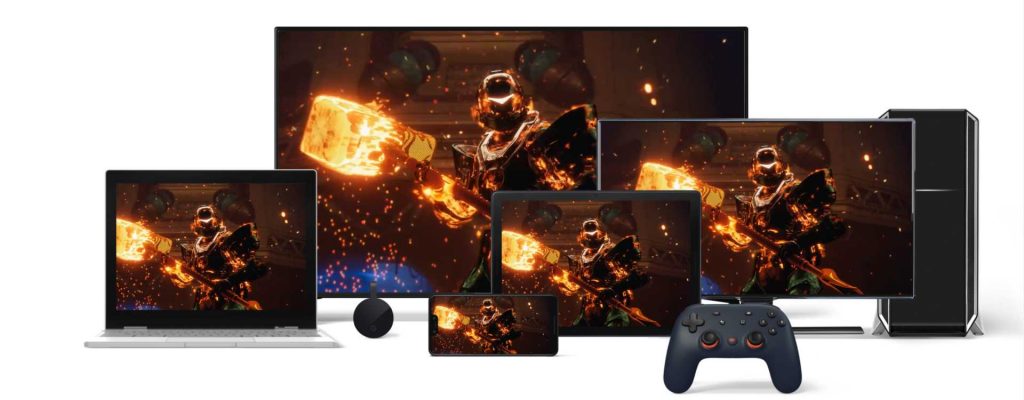
Google Stadia will open up entirely new possibilities. The head of the cult RPG studio Larian, Swen Vincke, is sure of that. For him, Google’s new streaming service is more exciting than the next-gen consoles PlayStation 5 and Xbox Scarlett. The man behind Baldur’s Gate also talks about what is possible for developers – and how Google Stadia will initiate a development.
Why is Stadia more interesting than PS5 and Scarlett? As “next-gen” consoles, Xbox Scarlett and PlayStation 5 aim to provide a new gaming experience. SSDs are supposed to help reduce loading times, among other things.
According to Swen Vincke, one of the minds behind Baldur’s Gate 3, this is not such a big step for gaming overall.
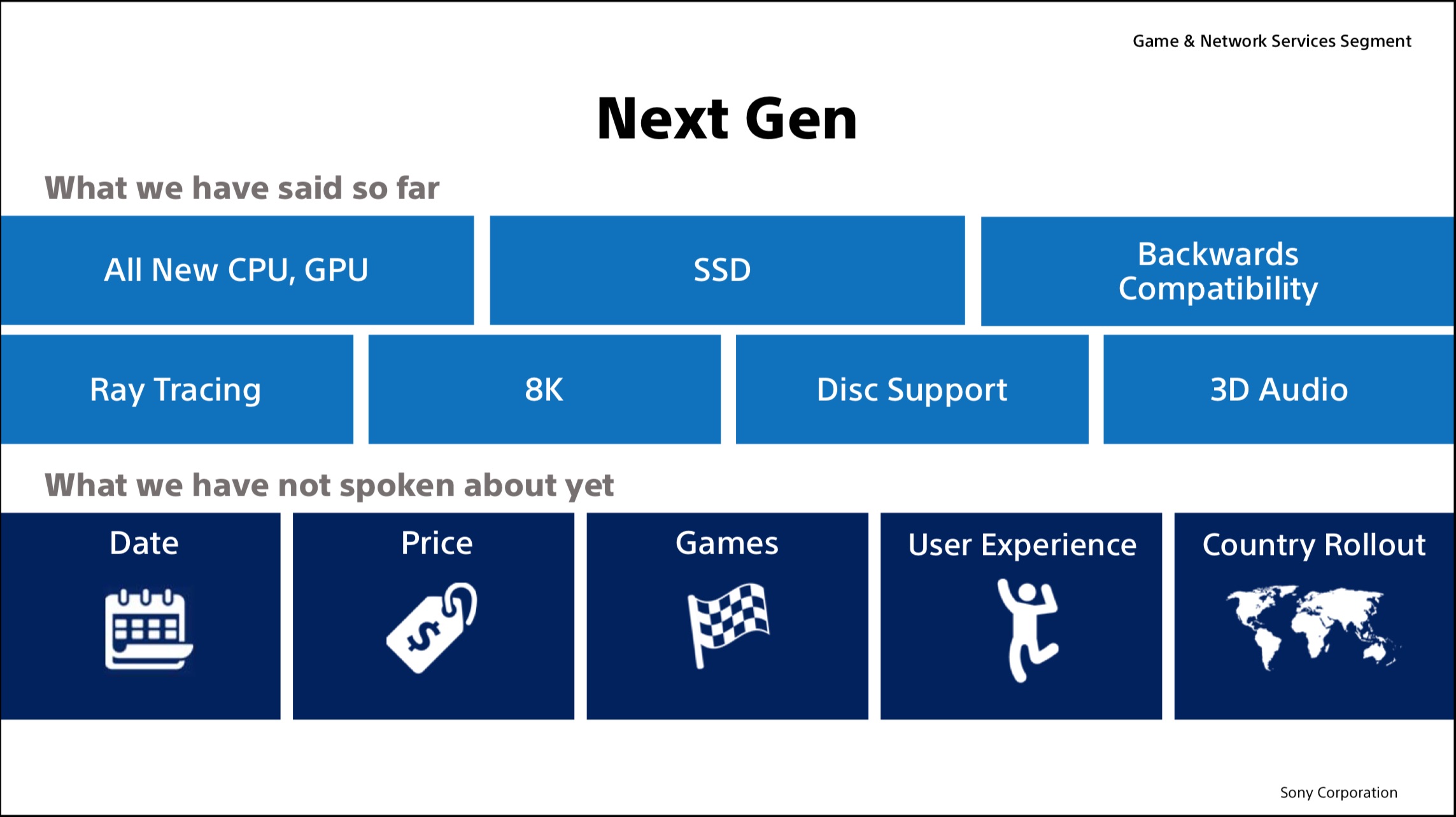
In an interview with wccftech, he stated that PC gamers have had SSDs for a long time. Stadia, on the other hand, has something that no system has been able to offer a developer before:
It offers developers something different [new]. In the data centers, the devices are connected to each other, and you can think about something like “elastic rendering.” Like: pack a few servers together and let them simulate physics that are not possible on local hardware.
A technology like Stadia goes far beyond the capabilities of home devices like desktop PCs or consoles.

What makes Stadia stronger than PlayStation 5 and Xbox Scarlett?
This is what the Stadia head says: Around the presentation of Google Stadia, Stadia head Phil Harrison explained what makes Stadia so interesting for developers. He highlighted a major advantage that no other platform has been able to offer so far:
If you have nearly unlimited computing power available in a data center to support your game design and ambitions […] then there are things you can do within this center that would never be possible on a standalone device.

Basically, this means that Stadia offers a developer a completely open playground where they can unleash themselves and create the most elaborate things.
Players themselves don’t need computing power – Stadia basically provides them with the gaming PC. They just need the receiving device for streaming and an internet connection.
How will gaming change in the near future? According to Vincke, one can expect to see “a lot of developments in this direction” in the future.
Subscription models like that of Stadia or comparable ones like the Xbox Game Pass are on the rise.
However, Vincke himself is not sure if that is a good thing:
The only ones who will benefit from a subscription model are really big blockbusters. I’m not sure that small [studios] will achieve a breakthrough with the services because they are super dependent on the provider of the model and what they offer on their front page. I don’t think it’s a good idea to leave all the power in the hands of a few key figures.
Whether and how the market will develop in this direction remains to be seen. At least Microsoft and Sony are already working to compete with Google:


Your opinion is important to us!
Do you like the article? Then let us know!