

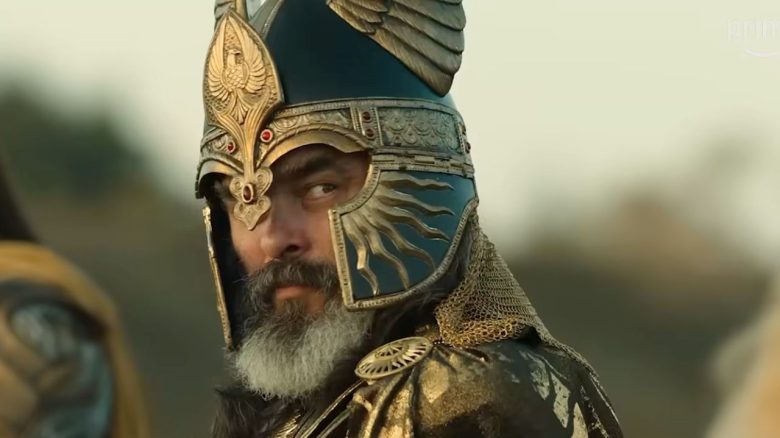
MeinMMO editor Nikolas Hernes was disappointed with Season 3 of The Rings of Power, but there is still a highlight for him. Besides all the Saurons, Elves, and Orcs, it is the Men who excite him.
I am not a big fan of Season 3 of The Rings of Power. Especially because I was disappointed by Sauron. Nevertheless, there are aspects that I like. Among other things, various character dynamics, the music, or some of the battles.
But my biggest surprise was actually Númenor and its inhabitants. In the first season, I found this plotline quite difficult to appreciate, but in the latest season, there are elements that I liked very much.
Warning: The following article may contain spoilers for Season 3 of The Rings of Power.
Númenor is powerful, but also proud
Compared to Orcs, Elves, and beings like Sauron or Gandalf, Men seem almost boring. They do not live forever and have no magic to rely on. That’s exactly why I find the Men in Númenor so interesting. Especially since Ar-Pharazôn became king in Season 2 and took over leadership, they exude a certain arrogant superiority.
But it is not just about individual personalities; it is Númenor as a whole. There is pride in being human. However, this also leads to a certain arrogance towards other races and enemies. Sauron is not taken seriously as a threat, and the advice of the Elven king is casually dismissed.
The architecture, armor, and sumptuous clothing visually convey: We are something better. The perhaps most advanced civilization that exists. All of this is represented by Ar-Pharazôn. Instead of depicting him as an ambitious type who only wants to see himself at the top, you can tell: He cares about the people of Númenor themselves. He wants to lead them to the top, considering them the crown of creation.
This shows a certain pride that sets the Men apart from the other races of Middle-earth. As Ar-Pharazôn, actor Trystan Gravelle embodies exactly this arrogance that fits Númenor wonderfully. He has a memorable aura in his scenes, which brought me much more joy than, for example, Sauron.
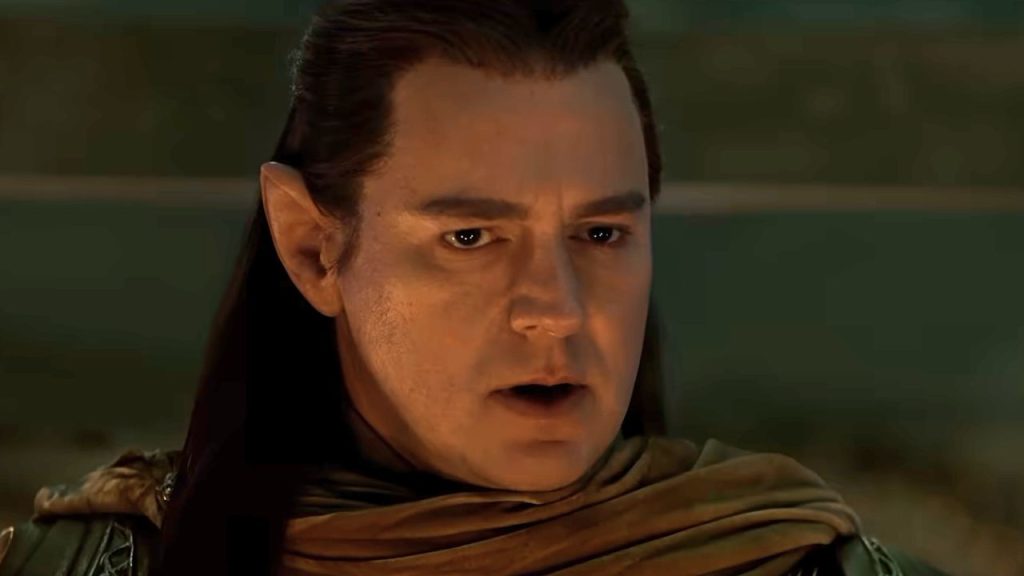
Númenor as an almost biblical tale
Númenor has a large army, is technically advanced, and can probably take on any army of its time. The people see themselves as the pinnacle of the food chain, even higher than divine beings. Thus, there is always a certain biblical or mythological atmosphere resonating in their storyline. It can be compared to the fall of Babylon or the sinking of Atlantis.
Their greed drives them to strive further but could also be their great downfall.
I found this far more exciting to watch than the stories surrounding Sauron or Galadriel. Númenor’s plot feels unique to me and not as uniform as the rest. If it were up to me, there could also be episodes only about it.
In this case, the series also creates a contrast. Because even in the sumptuous Númenor, there are heroes and men who do not submit to pride. Of course, foremost are Míriel, Elendil, and Isildur. Fittingly, in the 6th episode of Season 3, there is a miracle
, which I do not want to reveal at this point. The people who do not subordinate everything are rewarded.
Númenor radiates a core aspect in Season 3 that can also be seen in the Middle-earth films: Not all beings of a people are fundamentally good or fundamentally evil. In this case, it works better than with the nice
Orcs, who come across as clumsy and unbelievable. The men offer several facets and are more tangible.
What happens to Númenor in the end remains to be seen. Those who cannot wait until then can find a short spoiler section from the works of Tolkien here:
What happens at the end with Númenor (SPOILER)?
At some point, Ar-Pharazôn’s arrogance rises to such heights that he can no longer accept that Sauron also threatens Númenor. For years, he prepares an army, which he sends to Mordor. Sauron surrenders and allows himself to be captured by the king.
But that was only a plan of the villain. He corrupts the king and the inhabitants of Númenor and creates in them an antipathy against the Valar – powerful, god-like beings who stand under the God of the world, Eru Ilúvatar. Without revealing too much: Sauron’s flattery makes Ar-Pharazûn a tyrant, who wants to attack Valinor, the land of the Valar, just before his death. He prepares for this for 9 years and sails off.
The Valar ask Eru Ilúvatar for help. The great God then ensures that Númenor completely sinks – like Atlantis. This is one of the few times he intervenes in worldly affairs. Whether The Rings of Power adopts this storyline is unclear. Looking at the story currently, this biblical ending for the Men, whose greed led them too high, is very fitting.



What do you say about Númenor and which story do you like best in Season 3 of The Rings of Power? Feel free to share your thoughts in the comments. If you are interested in Sauron, we have his defeats for you here: 4 characters from Lord of the Rings who defeated Sauron

Your opinion is important to us!
Do you like the article? Then let us know!