

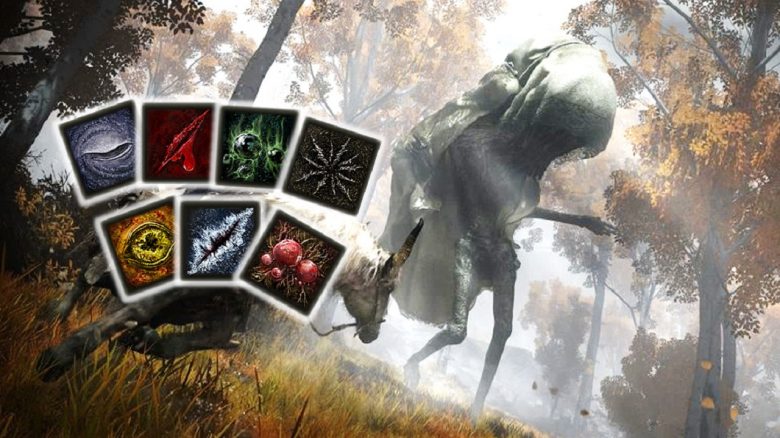
In Elden Ring there are many enemies and bosses. Since the game world is merciless and mysterious, it does not show anywhere what your enemies are resistant to. Therefore, we will demonstrate to you, based on enemy types, how to deal the greatest damage to your foes in order to exploit their weaknesses.
What weaknesses exist for enemies? Since Elden Ring is vast and your foes appear in a variety of variations, you have different ways to damage them. Enemies can therefore suffer significant damage from the following factors:
- By damage types
- Slash – Inflicted by swords, katanas, and other bladed weapons
- Stab – Stabs inflicted by weapons such as rapiers or spears
- Blunt – Blunt strikes from hammers or maces
- By elements
- Fire – Ignites oil and sets enemies on fire
- Lightning – Damage that spreads in enemies in water
- Magic – Damage from magical sources
- Holy – Blessed damage that prevents undead enemies from resurrecting
- By status effects
- Sleep – Causes enemies to tire or fall completely asleep
- Frost – Causes enemies to freeze and reduces a portion of their HP. Frozen enemies take more damage.
- Poison – Poisoned enemies take damage over time
- Scarlet Rot – Infected enemies take significant damage over time
- Madness – Inflicts light damage until madness occurs. Enemies succumbing to madness take large damage and become stuck in an animation for seconds.
- Deathblight – When deathblight occurs, your enemy dies instantly
Many of these are useful, while others are completely useless against certain enemies. Not every foe is weak against the same element. Therefore, we will show you the weaknesses of various enemy groups so you can prepare accordingly for each situation.
Every enemy type has one or more weaknesses
What enemy types are there? To understand which element or damage type to use against which enemy, we have categorized all foes into groups.
- Humanoid
- Undead
- Dragons
- Stone enemies
- Animals
- Abominations
- Plants
We will go into detail about each group and show you which effects they weaken and which type of attack you should use best.
Humanoid – Enemies of human stature
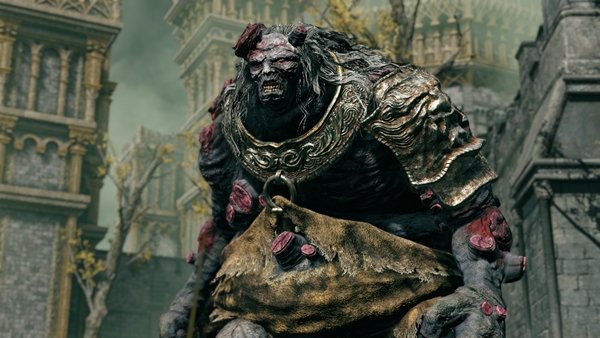
Which enemies fall under this? Humanoid enemies are foes that appear and behave like humans. However, their stature and physique may vary. This includes giants, trolls, as well as foot soldiers and knights. The more armor the enemies carry, the more their resistances resemble those of stone opponents.
What are their weaknesses? Humanoid enemies are particularly vulnerable to bleeding damage. Their soft skin and unprotected bodies offer little to no defense against slash and stab damage. In addition, many enemies of this class can be afflicted with sleep, poison, scarlet rot, and frost.
Fire and lightning damage are semi-optimal, as knights usually inflict lightning damage themselves or bosses like the fire giant wield flames. Magic can be used as an alternative.
Undead – Beings that no longer dwell among the living
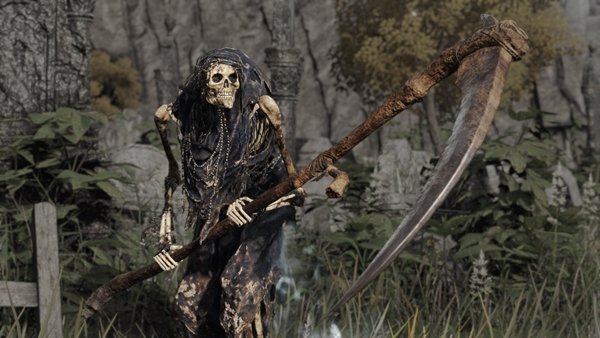
Which enemies fall under this? Undead are, as the name suggests, not living beings. This includes skeletons, ghosts, and decayed zombies.
What are their weaknesses? Since undead are not very robust and do not suffer bleeding damage, you should use weapons with blunt damage. Greatswords or great hammers ensure that skeletons have no chance to attack.
To stop their annoying resurrections, you should buff your weapon with holy damage. This provides extra damage and ensures that your first death is also their last.
Dragons – Flying beasts that can breathe fire and throw lightning
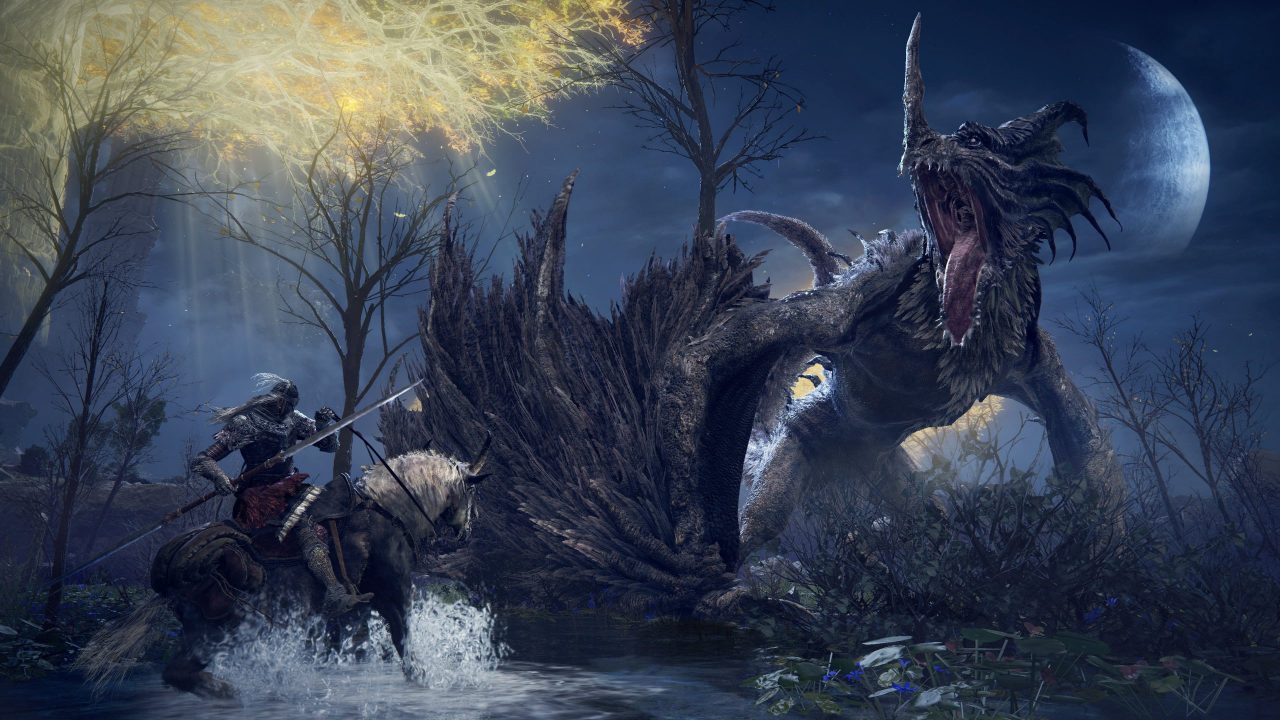
Which enemies fall under this? All dragons that have wings and can fly. Some are special and can even throw lightning or have two heads. Additionally, there are also elemental dragons that can breathe magic or even scarlet rot.
What are their weaknesses? All dragons are weak against bleeding damage. Additionally, it is beneficial to inflict stab or blunt damage, as this allows you to overcome the dragon’s tough scales. Lightning, fire, and magic are also worthwhile, but only if the dragon is not wielding them.
Stone enemies – Opponents that hardly budge
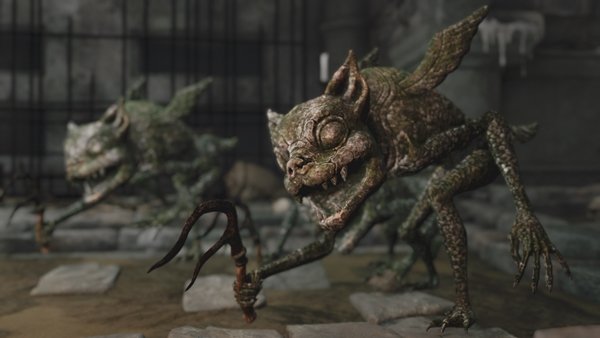
Which enemies fall under this? All enemies that consist of stone or similar structures. This includes the wights from the catacombs, as well as towering golems. However, heavily armored humanoid foes share many properties of stone enemies.
What are their weaknesses? You defeat stone enemies best with a blunt weapon such as great hammers or maces. This allows you to stagger your opponents and also provides good damage.
Avoid slash and stab weapons, as these literally bounce off the armor and inflict significantly less pain on your enemies. Magic and lightning are good elements against these annoying pests, but poison and fire should be avoided.
Animals – Usually peaceful beings that must be hunted

Which enemies fall under this? Every living being that is considered an animal. From goats and sheep, bats and wolves to the towering rune bears that tear you apart.
What are their weaknesses? Just like humanoid enemies, animals are vulnerable to slash and stab weapons. They have no chance against bleeding, and poison, rot, or frost can be effectively applied to them. As elements, depending on the animal, you should use either lightning, fire, or magic.
Abominations – Beings that possess an obscure form

Which enemies fall under this? This includes foes such as the falling star beasts, Astel, and death birds that have an unknown origin and whose appearance is undefinable.
What are their weaknesses? For such beings, only physical attacks such as stab, slash, or blunt are effective. Elements like fire, lightning, magic, or holy damage are ineffective and should only be used rarely.
However, for both the falling star beasts and Astel, it is advisable to use the meteor sword, as they have a weakness against it. Status effects such as poison or rot are also ineffective against these soulless shells and should be reserved.
Plants – Living green stuff
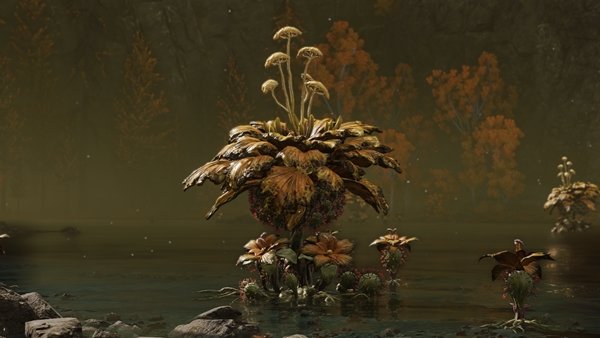
Which enemies fall under this? All green plants that want to get you. There are wandering flowers that can summon light bursts or dust you with poison pollen. These plants come in several variations.
What are their weaknesses? Since this involves a plant, fire is the best element. Combined with slash damage, you can take away many hit points and prevent them from attacking. Bleeding and poison also work well, as does frost damage. However, avoid sleep.
An important feature to recognize resistances: Observe your enemies. They also use elements. Bosses like the fire giant are resistant to fire since they also want to damage you with fire.
Malenia, one of the hardest bosses, is drenched in rot in this case and thus very resistant to all poisons. So you can also see through your enemies in battle and know how to best destroy them.
This was our little guide to resistances of the respective enemy classes. Do you have any tips or tricks on how to eliminate specific enemies? Let us know in the comments how you have analyzed your foes!

Your opinion is important to us!
Do you like the article? Then let us know!