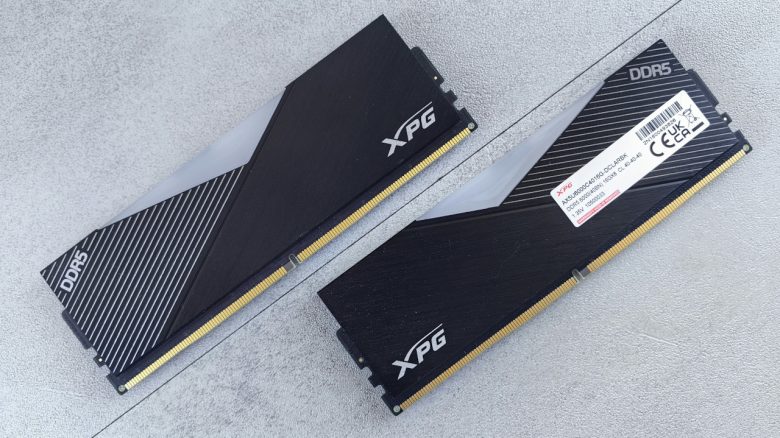
RAM prices have been rising for months. However, Google has introduced a change for AI that drastically reduces RAM consumption. This could also impact the market, where prices are rising. Some remain skeptical.
What has been introduced? Google Research recently unveiled TurboQuant, a compression algorithm that reduces the memory requirements of large language models (LLMs) while increasing speed and maintaining accuracy. This is reported by ArsTechnica magazine.
The algorithm is quite complex, but simply put, the RAM consumption of AI systems significantly decreases. RAM that is currently being purchased by all AI companies. This change could now also affect the market, where RAM is currently traded at a very high price.
Prices could decrease, but many manufacturers have long-term contracts
It remains the case that many manufacturers have entered long-term contracts for large quantities of RAM and probably cannot just exit these. This means that important capacities are likely still blocked by contracts with AI companies – unless there are exit clauses that would release capacities again.
Some users also speculate that AI models are simply getting larger now, as more memory space would be available (via Reddit.com). Instead of taking the chance to use less RAM, current AI models might just be made larger.
Another point that should not be overlooked: Many manufacturers have shifted production to expensive High Bandwidth Memory (HBM), which cannot easily be used in normal computers. Thus, it could take several weeks or months for prices to really drop. However, it would be significantly faster, than analysts previously assumed: They had previously estimated that prices would stabilize and decrease no earlier than 2027.



OpenAI will soon shut down the video AI Sora. Sora has reportedly been facing financial problems for a while. Many users now hope that the end could also affect RAM and storage prices. You can read more about it on MeinMMO: After the shutdown of one of the largest AI apps, users hope for the end of the RAM crisis, but how likely is that?