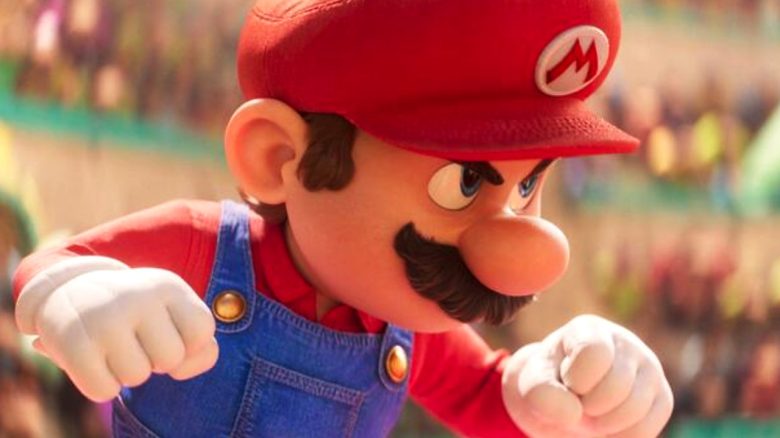
A small supermarket in Costa Rica has won in court against Nintendo. The reason for the lawsuit was the name of the store, which is named after its founder.
What kind of supermarket is this? The supermarket proudly bears the name “Súper Mario”, named after its founder Don José Mario Alfaro González. Don Mario opened the store under this name 52 years ago (via PC Gamer) – 12 years before the first Super Mario Bros. was released in 1985.
At that time, however, they neglected to register the name as a trademark. This only happened when Mario’s son Carlos “Charlito” Alfaro returned from university in 2013 and the supermarket applied for the renewal of its trademark.
As Carlos “Charlito” Alfaro outlined in a post on Facebook, Nintendo became aware of the supermarket through social media and claimed that the name Super Mario belonged to them worldwide. This was followed by a lawsuit from the corporation.
The family was about to give up – but ultimately wins
How did it go in court? The prospect of going to court against such a large international corporation caused fear for Alfaro and his family. They were close to just giving up and changing the name to avoid an expensive lawsuit.
For a moment, we thought about throwing in the towel; how would we defeat such a commercial monster? Even more so because of the number of legal documents they submitted to secure victory.
Carlos “Charlito” Alfaro via Facebook
Ultimately, however, they decided not to back down. The decision of the National Registry of Costa Rica came – completely unexpectedly – in favor of the supermarket. The reason: While Nintendo had trademark rights in a variety of categories like video games, clothing, collectibles, toys, and more, they did not have rights for the sale of food.
In a short video that Carlos “Charlito” Alfaro later also published on Facebook, he proudly points to his father Don Mario in the background and says: “He is Don Mario, he is my father, he has been here for 52 years, and he is the founder of Super Mario.”


Nintendo is notoriously famous for protecting its trademarks in court: whether it involves fan projects or other games. For example, the survival hit Palworld was sued by Nintendo, which led the developers to even change an animation in the game.