
The future of the open world
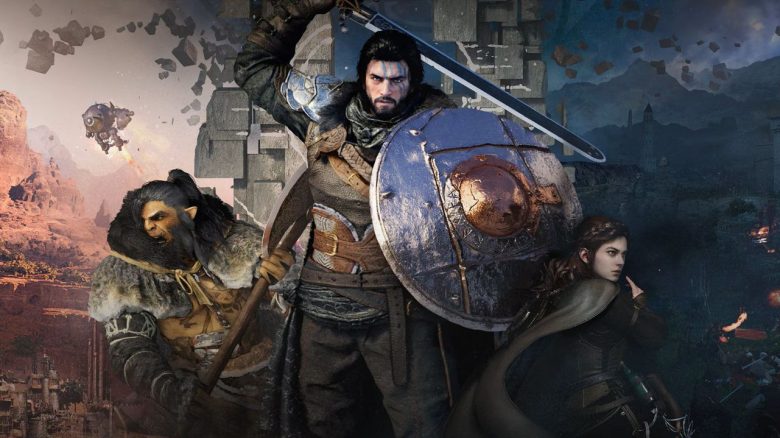
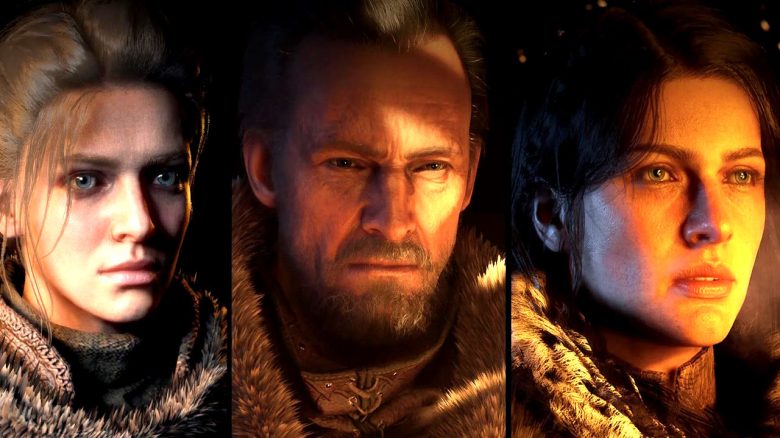
One might argue that many strengths of Crimson Desert are already known from other games (many of the clear inspirations I have mentioned myself), and that these titles sometimes shine where Pearl Abyss’s new game falters, such as in story and characters.
I would counter that it is indeed a remarkable achievement to bring together so many strengths in this quality under one roof, and that from this mix of all these strengths, something special and unique has emerged that has never existed in this form before. And also because Crimson Desert can sometimes even surpass its major inspirations.
In terms of scope, the quasi-successor to the MMORPG Black Desert sets benchmarks, for example. That after nearly 100 hours I have still not seen 2 out of 5 regions is simply absurd. Just like the sheer number of peaceful animals that dart through the underbrush on the continent of Pywel, climb trees, flutter through the air, or scurry along mountain walls.
The immense number of systems, features, details, locations, and content ensures that Crimson Desert provides enough variety to remain interesting after 100 hours of gameplay.
This, combined with the sandbox character, the immersive guidance of players through the world with points of interest, and the whimsical movement via riding, climbing, and gliding, makes Pywel one of the best open worlds of all time for me.


Upcoming games with vast worlds should take a leaf out of this mix and rely on comparable strengths if they want to keep me engaged for such a long time. Does this apply to you too? Or do you see it quite differently? Let me know in the comments! An other open-world game that has amazed me can be found here: Kingdom Come Deliverance 2 Test – As gritty and fascinating as Gothic used to be