

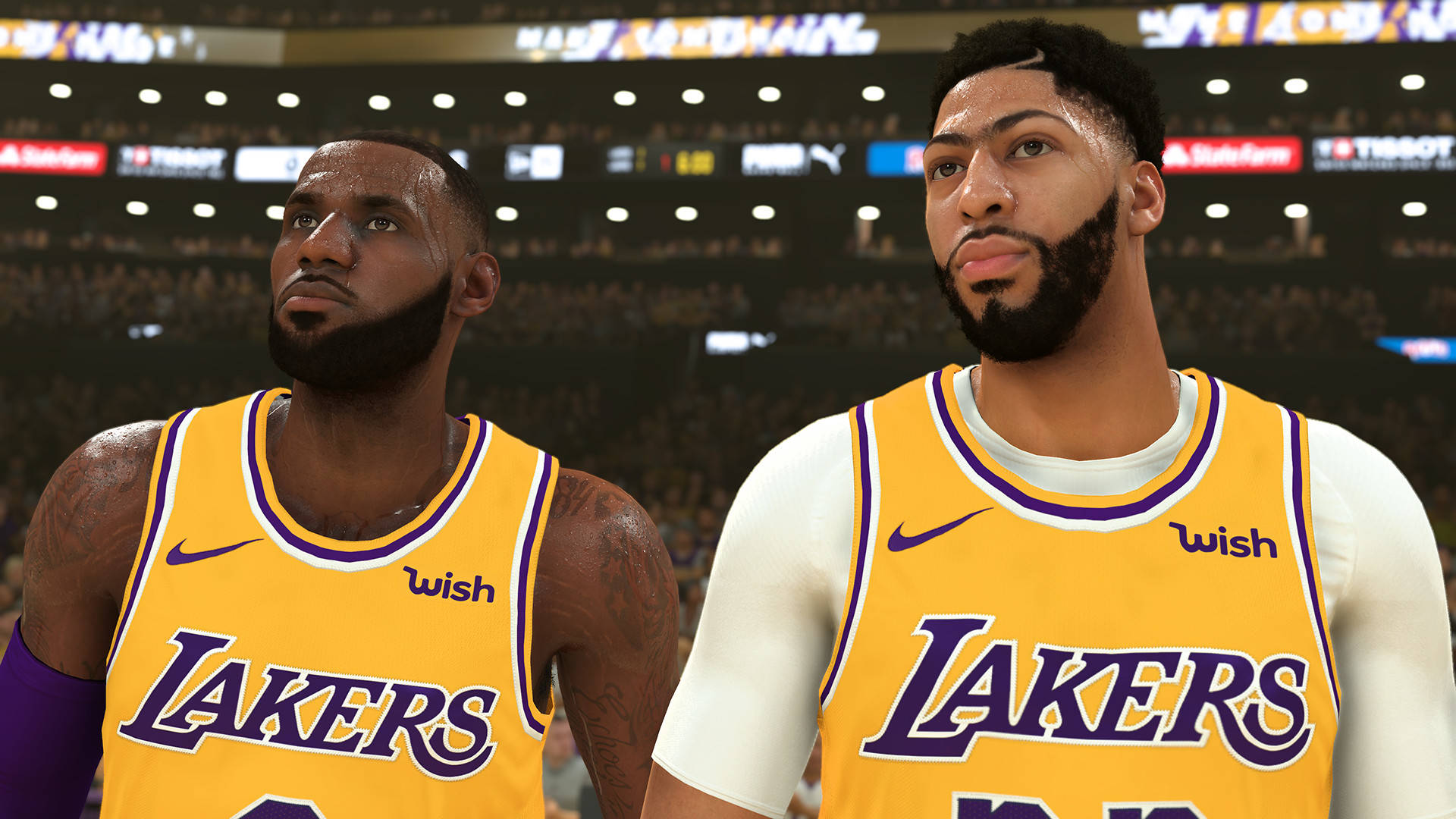
2K Games and Denuvo tighten their copy protection: Soon you will have to be online regularly if you want to use the games you bought. This is particularly bad news for people who prefer to play offline.
Copy protection technologies and so-called DRM measures are particularly unpopular among gamers. Developers and publishers often use such options to protect their “property.” Officially, players are only buying a license. Additionally, they want to prevent games from being distributed illegally.
Publisher 2K Games and manufacturer Denuvo are now tightening their DRM measures. According to reports, in the future you will have to be online regularly if you want to play your purchased games. Players feel restricted, but this shows what options developers have to make your life difficult.
14-day check, for which you must be online with your game
What kind of protection is this? According to reports from TomsHardware, Denuvo and 2K Games have integrated an online check into their games. Specifically, it involves a 14-day check that is currently supposed to apply to the games NBA 2K25, NBA 2K26, and Marvel’s Midnight Suns. Whether other games, such as the Civilization or XCom series, will also be affected is not known.
The “new” check differs from the existing one-time activation that Denuvo performs at the first start of the game and remains until a hardware or software change: To be able to use these games in the future, you will need to be online every 14 days at game startup to verify your license. Only then can you restart the game.
The critics’ response: Players and critics are not really enthusiastic about this (via Reddit.com). Such measures mainly make life difficult for players who, for example, play on the Steam Deck and would prefer to play offline. According to TomsHardware, there is no indication that these games now require a mandatory online check.
However, there are also voices that say that it is not such a big deal. Most players are anyway constantly online, and so such an online check would not be particularly noticeable.
This whole action actually reminds of times when you had to be constantly and permanently online just to be able to play: The PC version of Assassin’s Creed 2 (2010) controversially introduced a permanent online copy protection. Players had to be continuously connected to the internet; disconnections interrupted the game and did not save progress. This caused a lot of chaos and many dissatisfied players, especially at the release of the game.



The discussion about buying, owning, and being allowed to play has been heated for some time. A few months ago, for example, Ubisoft showed that players have little say over their purchased games. The publisher revoked licenses for thousands of players, rendering the title unplayable for all: Ubisoft deletes a game from players’ libraries – Reminds us that we own nothing

Your opinion is important to us!
Do you like the article? Then let us know!