


In 2017, there was a strange mood among MMORPGs. Although a great future was often invoked, they weren’t playable yet.
The end of MMORPG hopes came in 2014
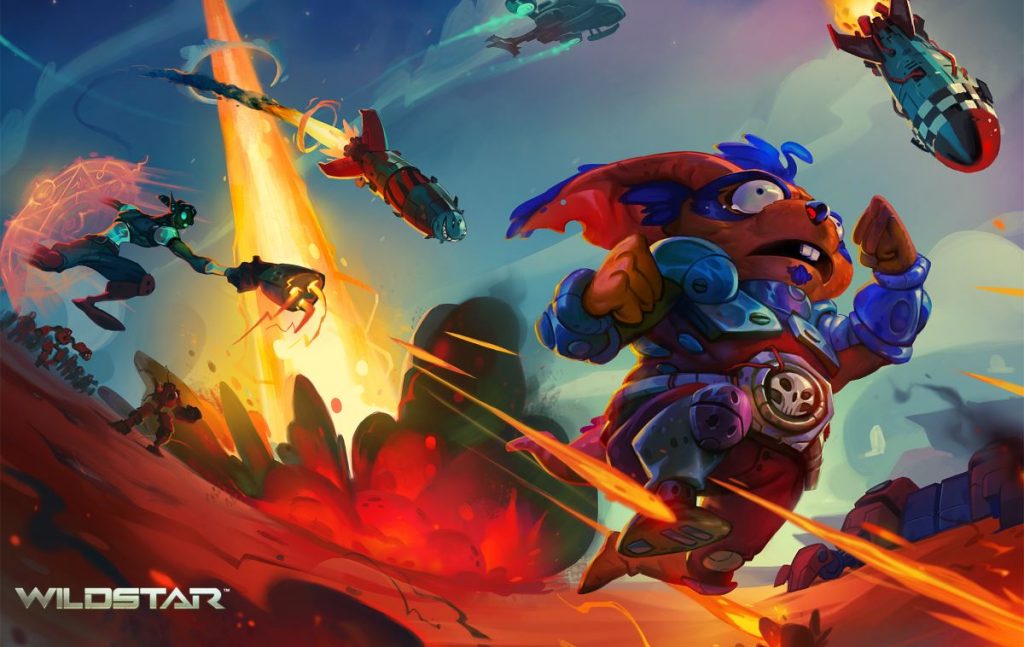
The big publishers withdrew from MMORPGs. Most players realized this in 2014. In the summer of that year, players realized that Wildstar wouldn’t usher in the MMORPG revival they had hoped for.
And when they rubbed their eyes in disappointment and looked around: What new major MMORPGs are coming? They didn’t see much left.
Up until 2014, there was always “an MMORPG that everyone was waiting for and that was just about to launch and would do everything better” – but that was no longer the case.
Then the bad news followed:
- Blizzard’s next-gen MMORPG Titan was canceled.
- The eternally ailing Everquest Next had its plug pulled by developers in 2016. But this had been evident for years.
In Europe, MMORPGs survive by no longer being MMORPGs
Since then, in Europe and North America, the big publishers have focused on further developing their existing MMORPGs and releasing new expansions.
Those who were successful in 2014 continued on the path they had taken: WoW and Final Fantasy XIV have since received solid, conservative expansions. They don’t attract new players, but they give the old ones something to do.
Those who, like Guild Wars 2, attempted something new, failed and then had to promise with the next expansion to return to the way things were before.
And those who struggled sought salvation in being as little MMORPG as possible:
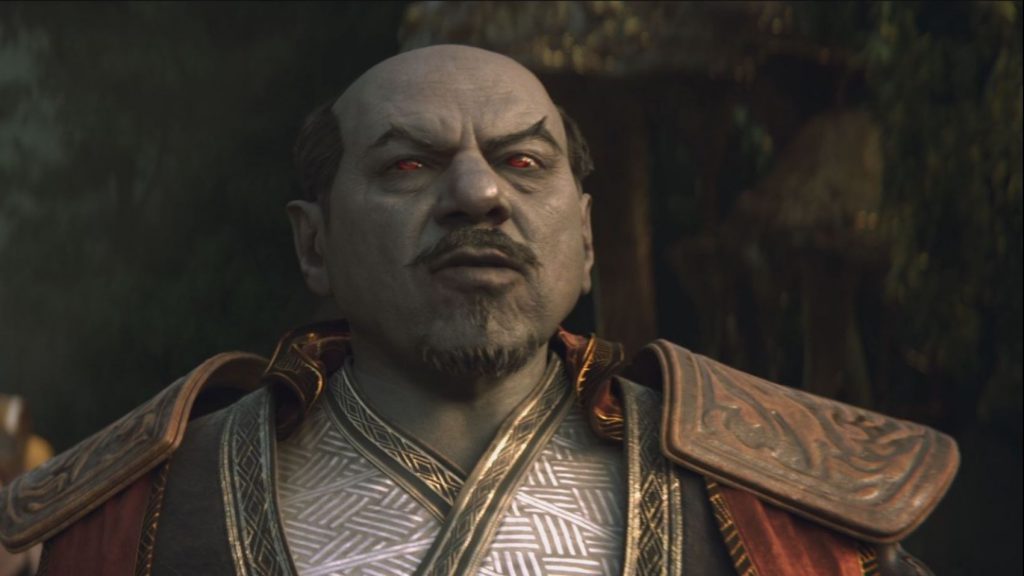
- The 2014 poorly launched The Elder Scrolls Online made an impressive recovery. It went all in on RPG and the power of the brand. ESO has now gathered almost everyone on PS4 and Xbox One who has at least glanced at Skyrim. In 2017, they wanted to attract players who loved Morrowind 15 years ago.
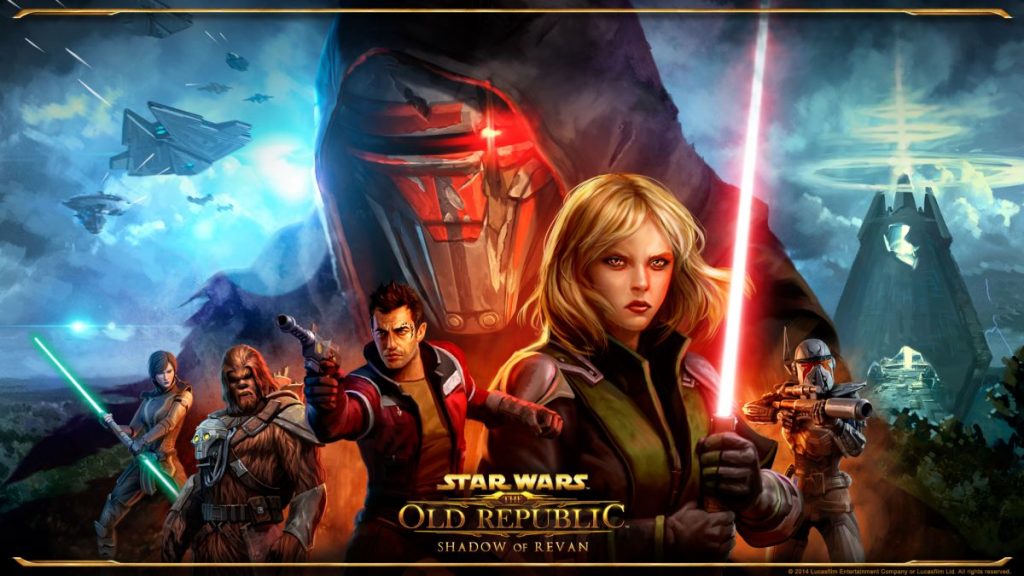
- A similar direction was taken by Star Wars The Old Republic , focusing entirely on singleplayer and story to connect to the old “Knights of the Old Republic” days.
In Asia, they still build games, but do we like them?
The MMORPG market that still functions somewhat and develops new games lies in Asia. From there, a technically impressive game called Black Desert hit the western market, but it relies on grinding and strange monetization methods that scare many away here.
Currently, there is still no sign of further Asian hits. The industry in Asia has largely adapted to mobile. Games like Lineage 2 Revolution and Lineage M dominate the Asian MMORPG news in 2017.
These mobile MMORPGs are also set to come to the West – but the reactions from local MMORPG fans are lukewarm.

An action MMORPG like Lost Ark is the biggest beacon of hope for us in the West, but it’s still far away. One gets the impression that for these Asian hits, a port to the West is not very high on the priority list.
Crowdfunding – the temptation of the niche
Here in Europe, wayward MMORPG fans are mainly interested in a handful of niche projects. Games like
- Crowfall
- Chronicles of Elyria
- Pantheon
- Ashes of Creation
- or Camelot Unchained.
All these games have little money, big dreams, and an enthusiastic core group of fans.
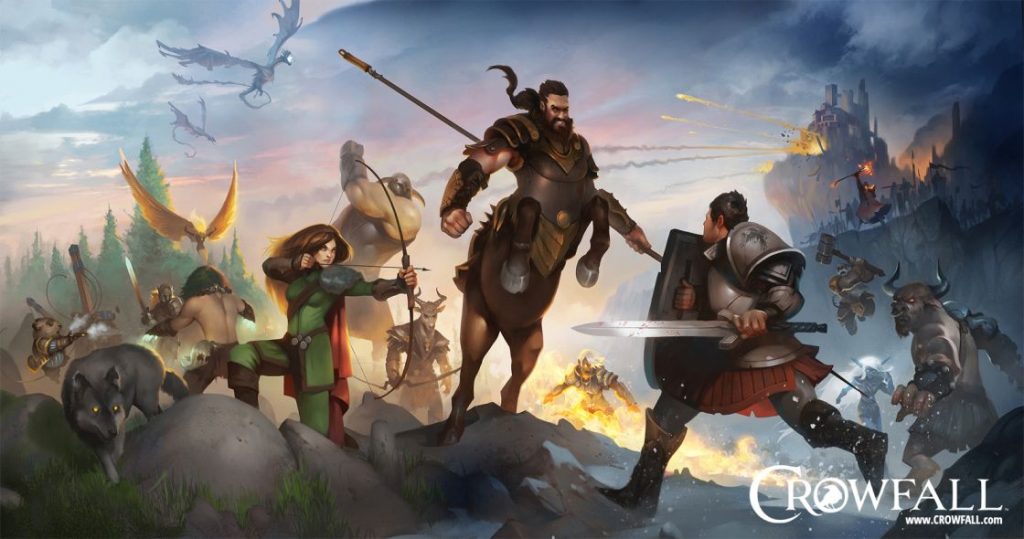
Since they are funded through crowdfunding, it is their specialty to show fans as early as possible how great the games will be.
For many years now, rosy visions have been painted by hardcore games that have learned from the mistakes of the past and want to offer a new, better MMORPG experience.
However, the budgets and teams of these games are so small that many doubt they can realize their grand ambitions. The schedules reflect this – it somehow seems like these games are treading water, pushing their goals further back, remaining in the conceptual phase.
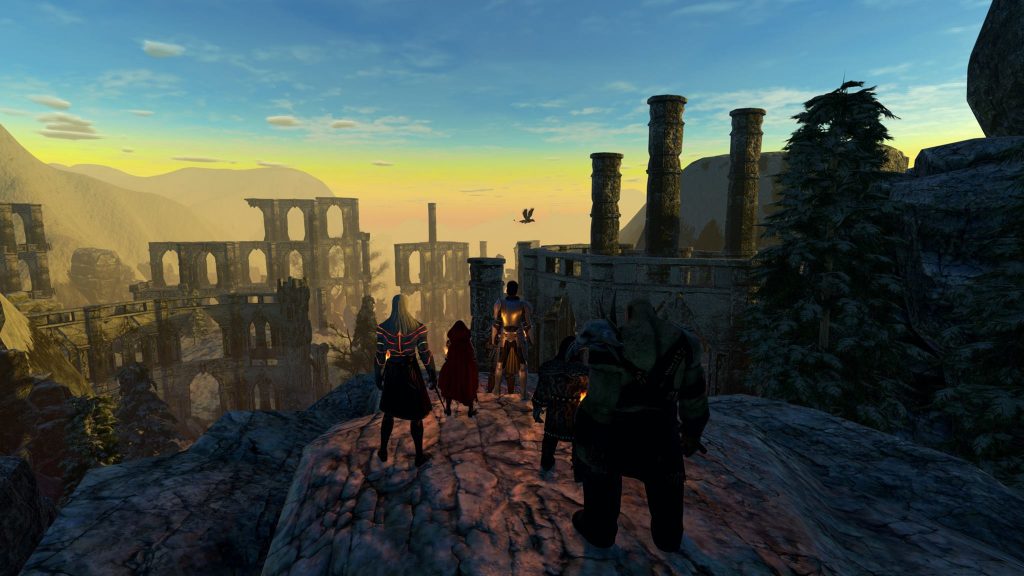
The visions and concepts of the games are shown to fans early on. All these games try to attract a broad audience during the development phase, but then retreat for months and years again and discuss everything further with the small fan base they have managed to win.
With them, they discuss the future, share their visions and ideas. And for they also design monetization models that outsiders have to swallow hard.
But: None of these games are really tangible yet.
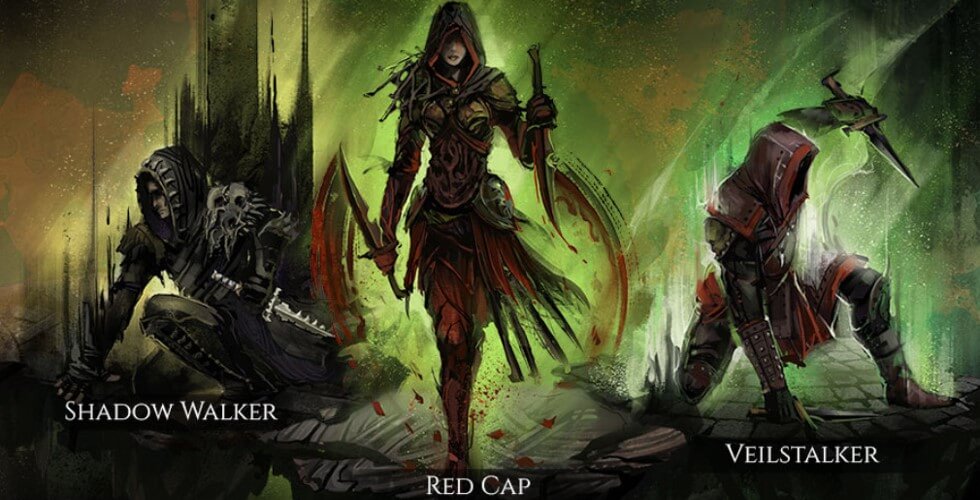
Some MMORPG fans program themselves into disappointment
This currently leads to MMORPG fans being trapped in a state of perpetual dreaming: The future seems clear. It appears to be tailored for each fan – every project sounds fantastic and exciting.
Time and again, fans are told how great MMORPGs will one day be, but they won’t really be able to play these games for years.
And the problem: Even when MMORPGs are released, they will likely have the same problems as the MMORPGs before them. The market is heading for another wave of disappointment.
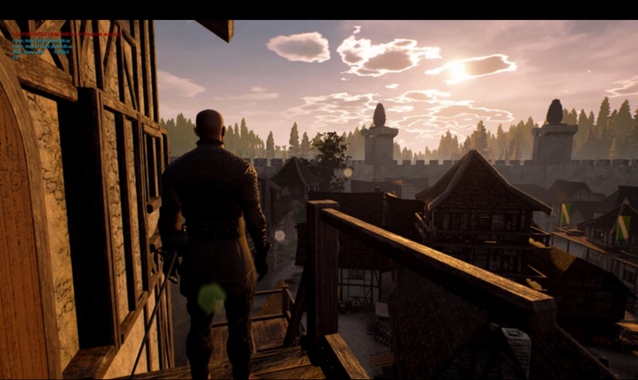
One hopes that these MMORPGs will be a success. But one or another will surely fail. The past has taught us that.
A real glimmer of hope could be new technologies like SpatialOS, which also allow small development teams to maintain large worlds. However, that also seems to be far in the future.
The future currently appears to MMORPG fans as a much better place than the present they have to live in while waiting for the rosy future.
More on the topic:
Online role-playing games 2017: Boredom? 5 recipes for MMORPG fans

Your opinion is important to us!
Do you like the article? Then let us know!