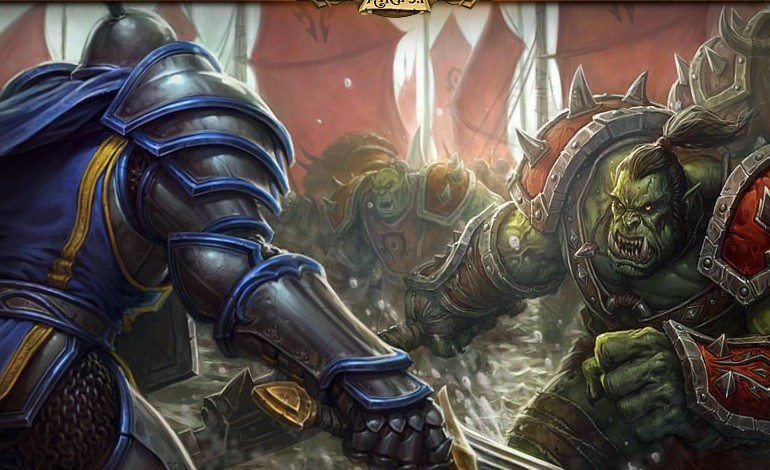
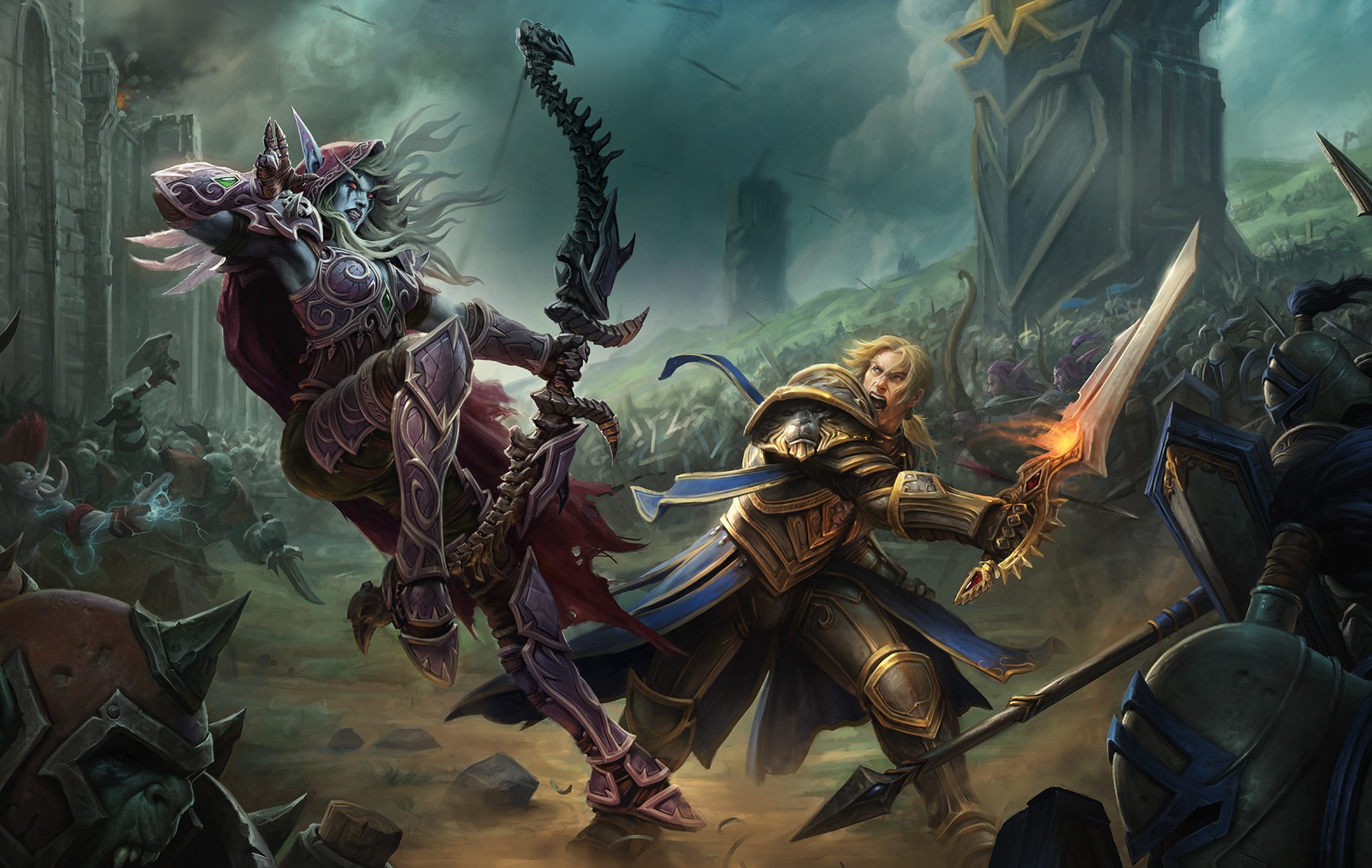
The war between the Alliance and the Horde is endless in WoW. The Horde is guilty of starting the war – but the Alliance is guilty of not preventing it.
The conflict between the Horde and the Alliance is the cornerstone of World of Warcraft. In every expansion, it’s about the war between the two factions, sometimes more intensively, sometimes less. But what superficially seems like a “You started it” or “No, you started it!” has deeper reasons that are firmly rooted in the structures of the Alliance and the Horde.
At least that’s how the user seinera sees it on Reddit. In a very extensive post, seinera explains with many references the geopolitics behind the wars and why the war machinery in Azeroth keeps turning in circles and will probably continue to do so for a long time. Here’s a brief summary.
The Horde: Hunger as an Ever-Present Fear
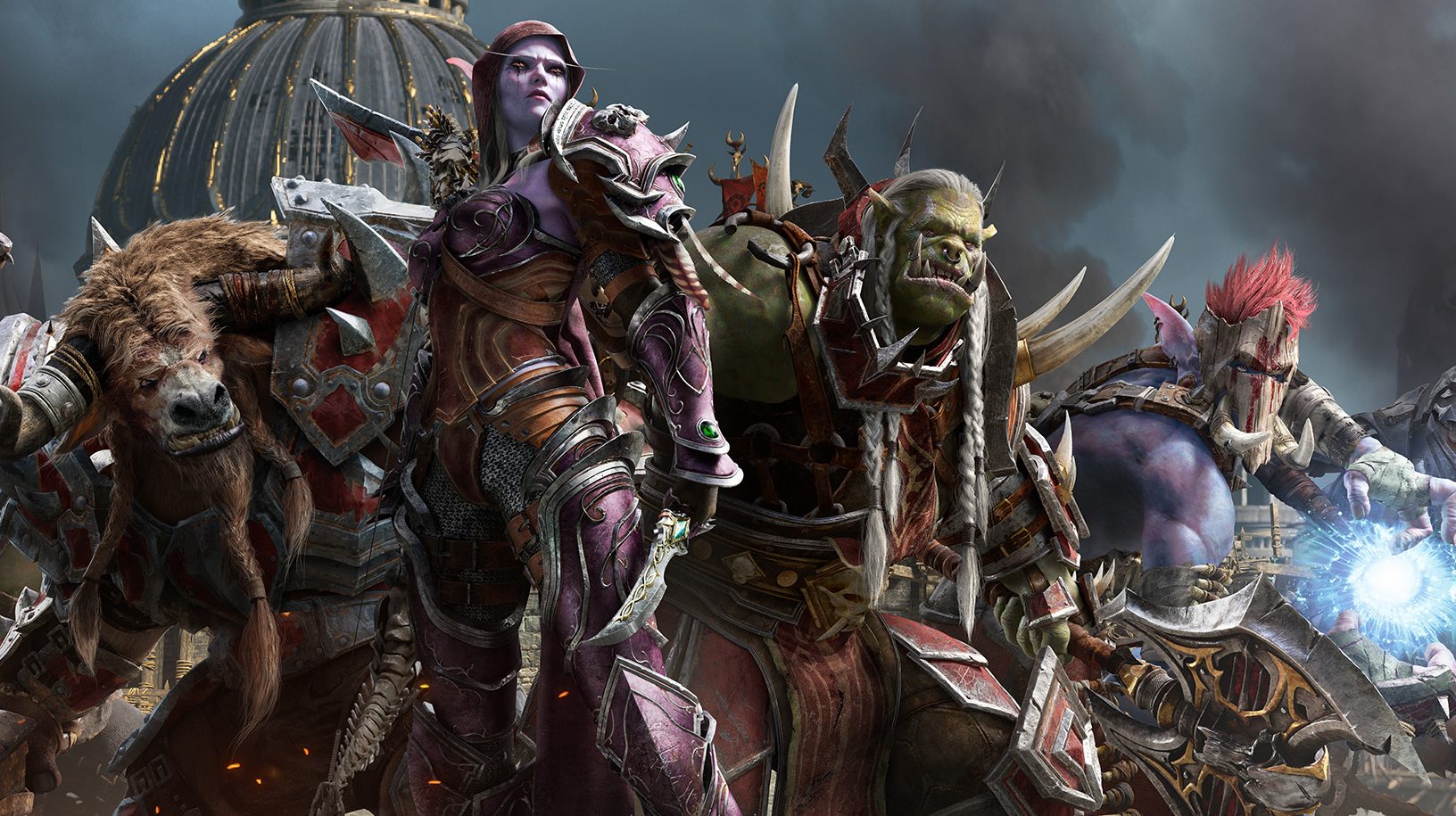
On the side of the Horde, seinera sees a perpetual underlying fear: the fear of starving. For the lands of the Horde are mainly barren landscapes, such as the Barrens or Durotar. Once fertile lands, like Lordaeron, have been rendered useless by the bio-weapons of the Forsaken.
Furthermore, nearly all Horde races are hunters. The cultivation of grain and fruit is virtually non-existent. While Thrall tried to make the Barrens usable for this purpose, it took too long and caused rejection within their own ranks.
Without a functioning agriculture, the Horde constantly lives with a fundamental fear: hunger. To open up new hunting grounds or to plunder food is a natural consequence of war. However, the areas plundered by war are usually destroyed, for example by the use of Sylvanas’ plague, which means they haven’t made any progress.
The leaders of the Horde also face another problem: they have to expend almost all their energy to remain in power. Because very little is truly solid and politically “stable” within the Horde.
Here are a few examples:
- Baine Bloodhoof had to win a civil war nearly five years ago to succeed his father. He was only able to raise an army with financial help from the Alliance – thanks to Jaina.
- Lor’themar Theron is only the regent of Silvermoon, appointed by the last king of a now-extinct noble family that also became traitors. During his short reign, he has already had to order two pogroms – against the high elves and the void elves – because he cannot deal with internal disagreements.
- Orcs have changed their leader three times in the last five years.
- The troll leader Vol’jin died after just one year – who leads the trolls now is uncertain.
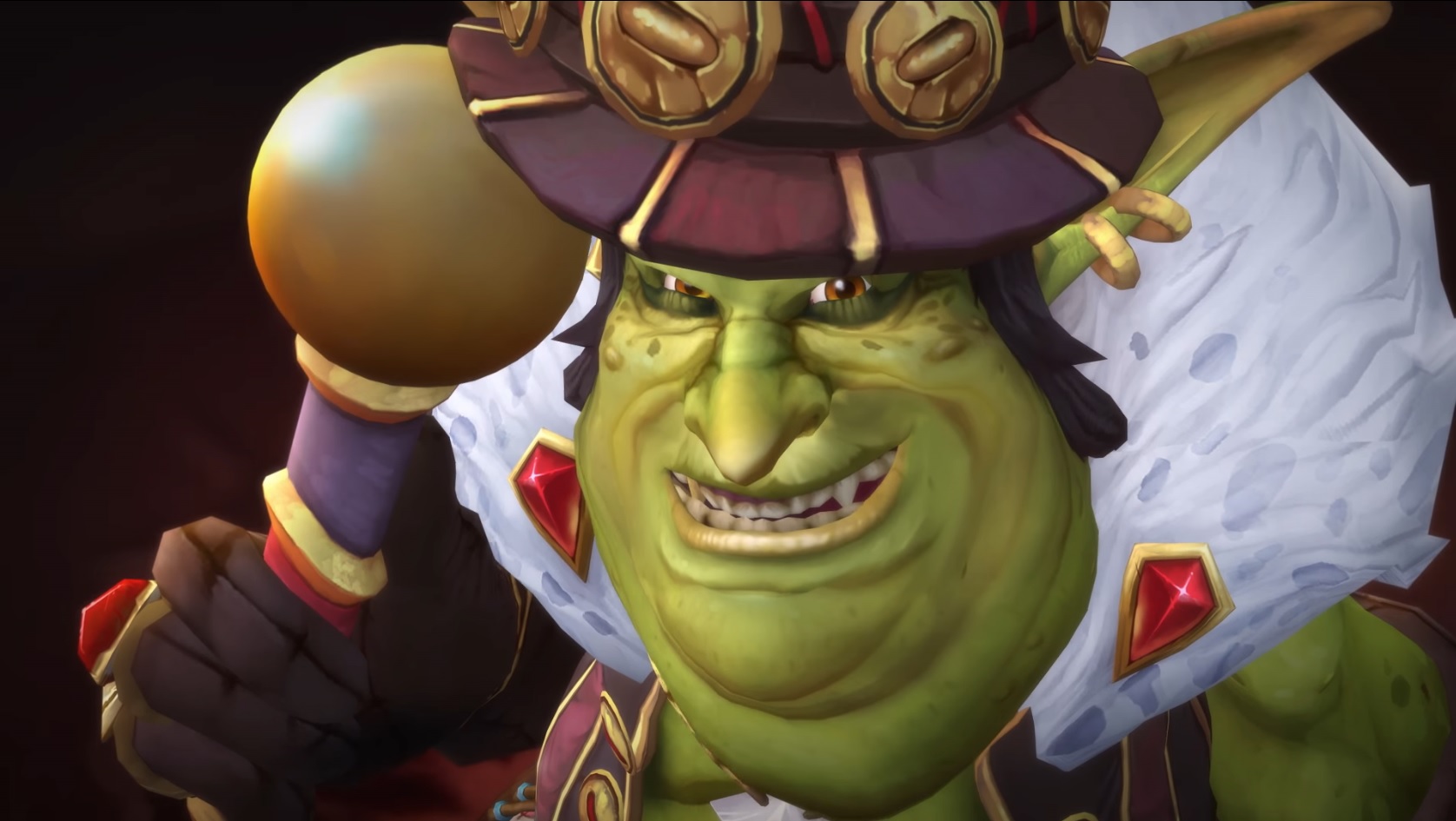
- Gallywix is an intriguer. His power is based on deception, fear, and money. He might rule for years – or be murdered next week.
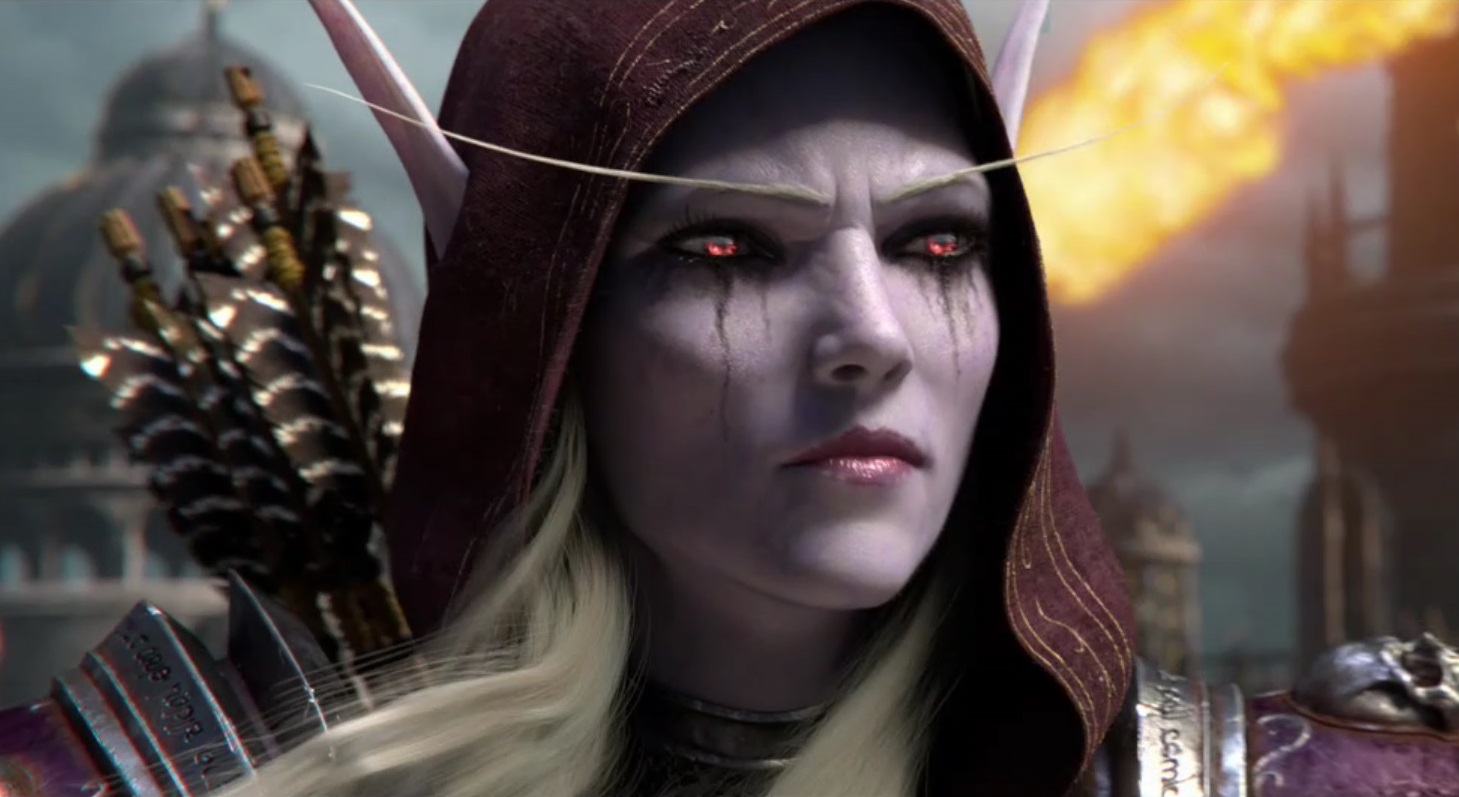
- Sylvanas‘ power position is relatively stable, as she is revered like a goddess by her people. However, there was a rebellion six years ago. Even among the Forsaken, there is now political opposition, as the “Desolate Council” (which governs for her in Undercity when she is away) has different plans than she does.
The wars always end for the Horde with many resources consumed and very few gained. This exhaustion provides for a temporary peace, as the Horde regains strength before the fears (mentioned above) kick in again.
The Alliance: Abundance and Passivity
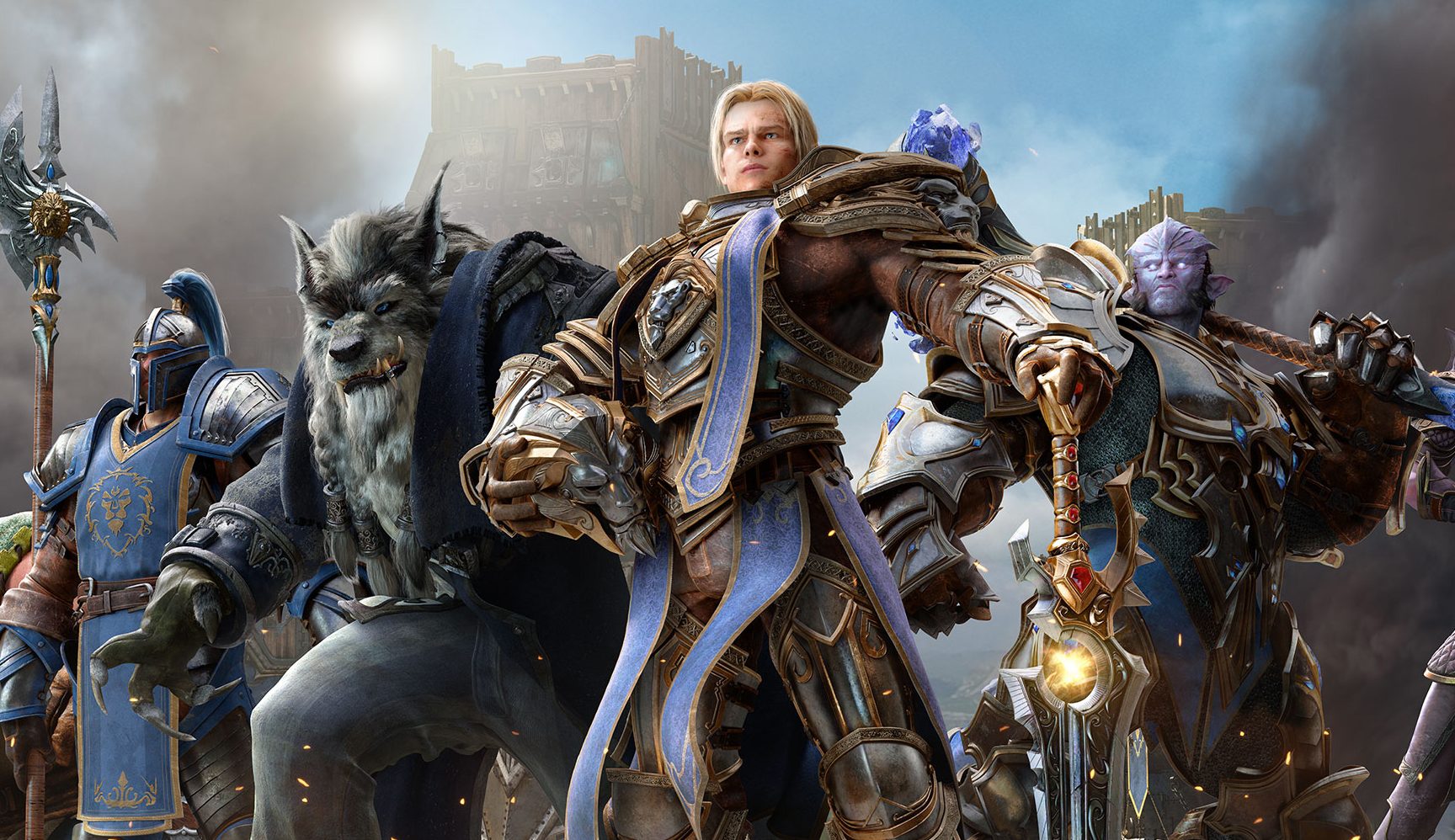
According to seinera, the Alliance is not only passive and a “victim” of the Horde’s raids, but also fails to meet its responsibility. Because if it is the Horde that starts every war and breaks the peace, then it is the Alliance that fails to maintain the peace.
The leaders of the Alliance are all “firmly in the saddle” regarding their positions:
- Anduin Wrynn is the descendant of an old royal family and is popular.
- Prophet Velen is an ancient Draenei, revered by his entire people for millennia.
- Gelbin Mekkadrill has been the democratically elected leader of the Gnomes for years.
- Tyrande has ruled the night elves for 10,000 years and is the high priestess of Elune, who has been saved multiple times by Elune herself. Aside from a dispute with Maiev, there has been no resistance in her ranks.
- The Council of Three Hammers is a relatively “new” political entity, but the individual members within their dwarf faction are virtually undisputed.
- Genn Greymane is battered after the defeat in Gilneas, but has the support of the humans and night elves. His position is also secure.

However, the Alliance not only has strong political leaders but also plenty of wealth. Its territories consist largely of fertile lands, forests, or maritime regions with fishing. The Alliance focuses on the cultivation of grain and fruit. Even with some exceptions, like the poverty in Westfall, the Alliance as a whole does not suffer from this and thrives.
The Alliance is only a military alliance. Otherwise, they have no real unity and are rather uncoordinated, whether in trade or other plans – often the races even end up with differing intentions. Added to the discord is the paralysis when they are not at war – the Alliance does not decide, it only reacts.
Over the years, this has led to built-up distrust that holds the Alliance back from extending a helping hand to the Horde. Only this could take away the reason for the Horde to attack repeatedly.

The initiative in every conflict lies with the Horde. They start the first attack, have great success, and cost the Alliance many resources. The Alliance must sacrifice its resources to avoid losing wars instead of preventing them in the first place. Even after a war ends, the Alliance focuses on rebuilding and then falls back into passivity – until the Horde strikes again.
The End of the War – What Must Be Done to Achieve the World of Peacecraft?
Towards the end, seinera even gives some suggestions that could lead to enduring peace between the Alliance and the Horde.
- The Horde must cleanse the lands they possess and finally start with controlled agriculture to permanently eliminate the fundamental fear of hunger.
- The Alliance must overcome their resentment and support the Horde – financially and politically.
- The leaders on both sides must avoid populist and inciting rhetoric and, if in doubt, even act violently against it.
- Both sides must disarm to build trust and free up more resources for other areas of life.
But of course, that won’t happen in the near future. Because what would World of Warcraft be without war?
You can find the complete post by seinera in English in our sources.
What do you think of seinera’s analysis and thoughts? Does it sound logical and coherent to you? Do you believe that Blizzard actually puts so much thought into the situation in Azeroth?
If you don’t want to miss any more news about WoW or Battle for Azeroth? Then subscribe to our Mein-MMO-WoW Facebook page!