

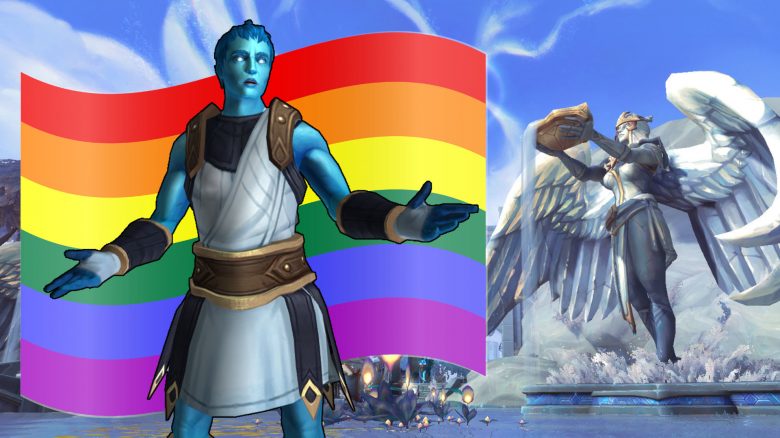
The World of Warcraft is becoming more colorful and significantly more inclusive with Shadowlands. And that’s just the beginning, many of these stories will follow.

World of Warcraft has tended to shy away from incorporating LGBTQ+ themes into the game in recent years. While there have been isolated instances, they were rather hidden or subtly included. This changes quite a bit with Shadowlands. The amount of engagement with these topics is increasing, although they are still intended to play a subordinate role.
How does this manifest in WoW? With Shadowlands, World of Warcraft opens up to broader representation and new customization options. There are numerous new settings for characters. This ranges from jewelry to hairstyles, makeup, and even the ability to change gender. New features include dark skin tones, Asian and African American facial features. This diversity is also applied to NPCs throughout the game world. Especially black elves have sparked lively discussions.
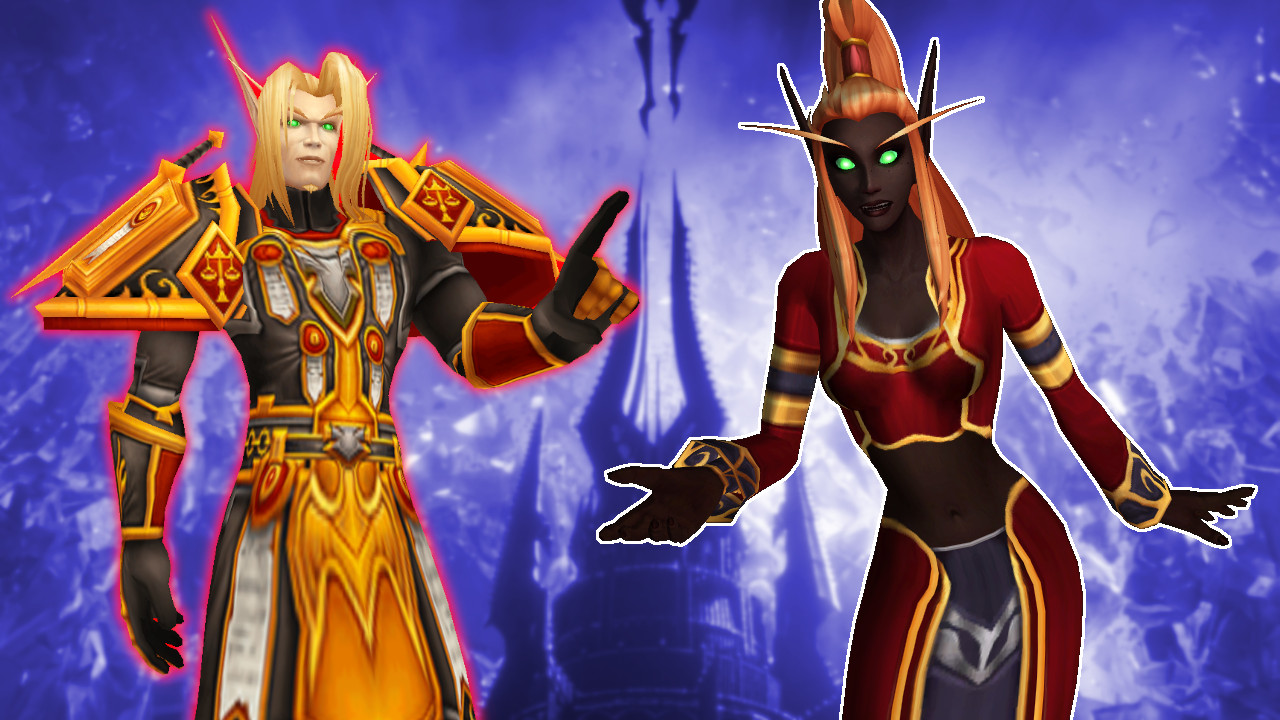
WoW is also expanding in the representation of characters. Especially from the LGBTQ+ spectrum, many elements are being integrated. The developers apparently wanted these aspects not to be too prominent but to be seamlessly woven into the overall concept.
A few examples of this are:
- The character Pelagos from Bastion lived in a female body but was never happy. In Shadowlands, he was able to choose a new form – like all souls. He is now a man and significantly happier. This is only revealed if specifically asked. For that, additional dialogue options have to be selected, which only story fans would click. Pelagos is therefore a transgender character.
- Similar approaches can be found during the Night Fae campaign. A couple utilizing the power of the Night Warrior on a strange world consists of two men. This is mentioned in passing and plays no larger role.
- In the book “Shadows Rising”, which tells the backstory to Shadowlands, such allusions are also found. In the golden city of Dazar’alor, for example, the marriage of a lesbian troll couple takes place, while Flynn Stonemantle and Mathias Shaw also grow closer throughout the story, ultimately leading to more than just friendship and resulting in a long journey together.

That these aspects are only marginal mentions is not surprising. After all, sexuality, gender identity, and similar themes are just small aspects of the characters that are not crucial to the story. They are part of the overall picture of a character but are not particularly prominent traits that deserve special elevation.
They are meant to represent an accepted normality in World of Warcraft and thus provide a sense of openness and diversity that is part of everyday life.
There’s more to come: The implementation of such stories and content is likely not a one-time event that just peaks with the launch of Shadowlands. The developers have many ideas and want to incorporate this into future quests and NPCs as well. Steve Danuser, the Lead Narrative Designer of Warcraft, explained:
We have a team made up of many diverse individuals with different perspectives and backgrounds, and it is important for us to tell stories that move us and that reflect our concerns. We also want to make Azeroth a place that is representative and welcoming of many different perspectives. Whatever your background, there is a place for you in this world.
Danuser added:
We have received a lot of feedback from the community about cool things they would like to see, and it’s the same within our team. This is a beginning for us. It’s not like: ‘Okay, we’ve done this, and now we’re finished.’ We always think about more quests, more stories, more art, and more systems. We will definitely consider more opportunities to allow for more representation in the future.
What do you think about these changes in World of Warcraft? Is it good how these themes are treated and implemented? Or do you think they don’t belong in WoW at all?
Other games are increasingly addressing these themes as well – such as The Elder Scrolls Online.

Your opinion is important to us!
Do you like the article? Then let us know!