

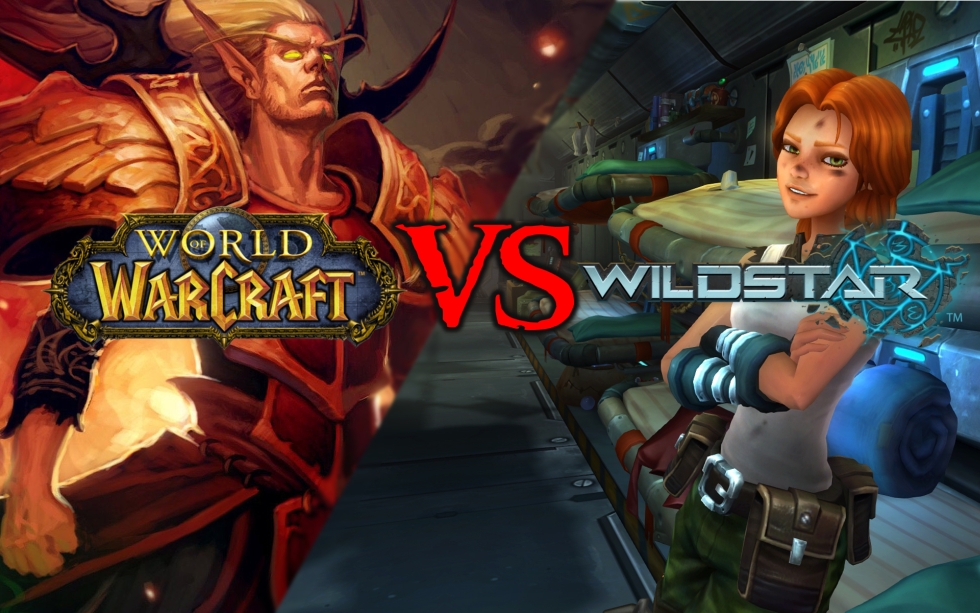
Business model – Free2Play against subscription model
In terms of the business model, one might be too quick to assume a clear winner, but I am quite ambivalent here. Thrifty players naturally opt for WildStar, as you can’t get cheaper than free. World of Warcraft still relies on a traditional subscription model, but even here the situation is gradually loosening: Players can buy their game time with gold from other players, and there is also an in-game shop with certain mounts and pets.
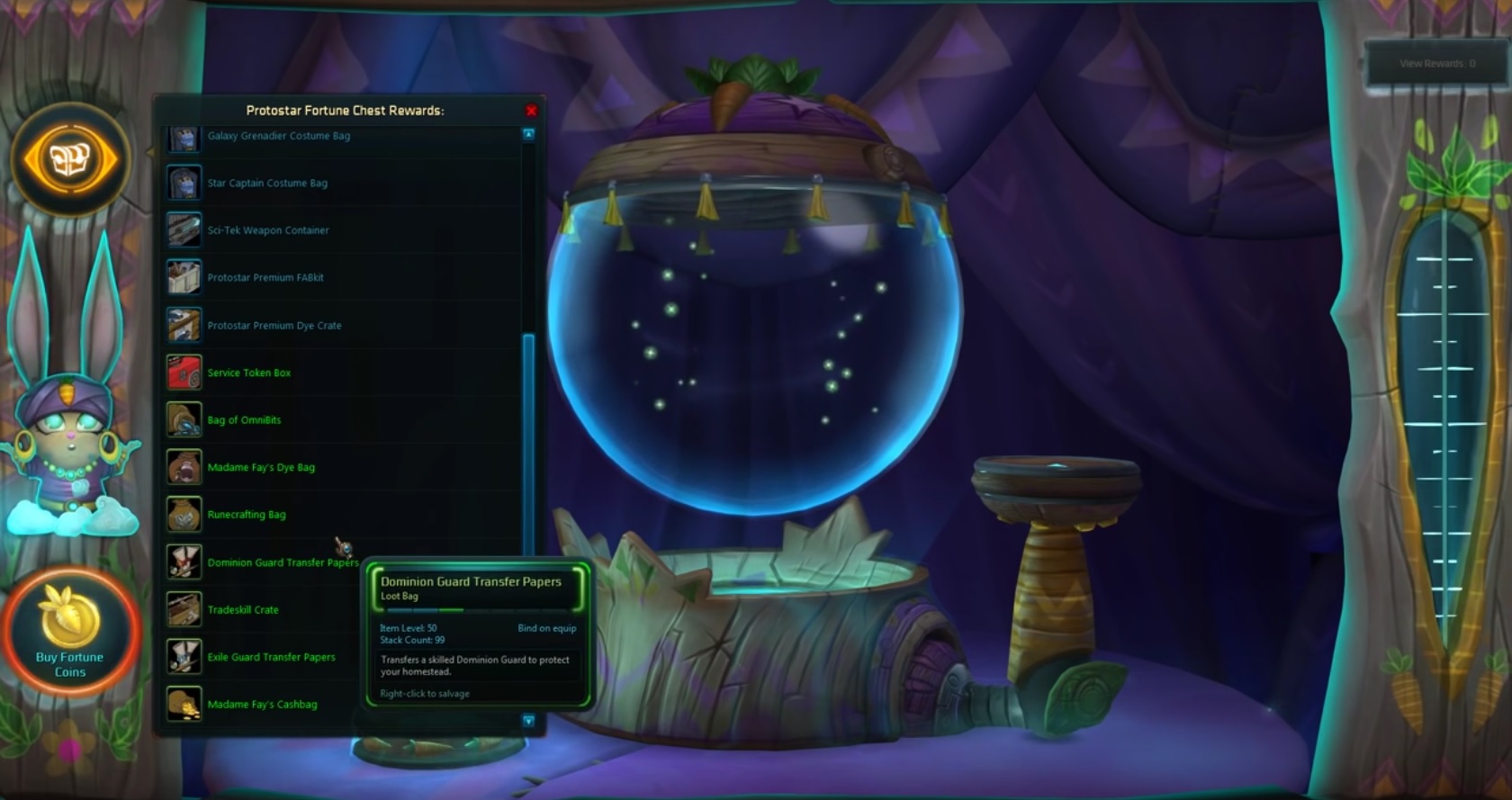
However, the crucial difference lies in the lucky coins that one can purchase in WildStar. With these, you can basically buy loot boxes that follow a plain gambling principle. If you are not careful or susceptible to such things, it’s easy to spend €50 in a week on a game that is actually free.
Those who are strong-willed are likely to be happier with WildStar – as here the “premium” membership can also be earned through in-game currency at currently affordable prices.
Long-term motivation
Since WildStar underwent a significant overhaul just a few days ago, it is difficult to make definitive statements regarding long-term motivation. The item spiral appears to be more thoughtfully designed than before, and even solo players can achieve consistent progress, but how long that will last is uncertain. The number of raids is still low, and those who strive toward it will soon have explored all content – truly end-less (and guaranteed) is only the housing, as “there’s always something to do” (no, unfortunately, there’s no money for that).
In WoW, simply due to its scope, there are nearly endless goals to pursue. Whether it’s achievements, pet collecting, or defeating bosses in mythic mode, it will take many months until you have truly “completed” everything in WoW.
Role-playing and social connections, by the way, motivate more than any other content – and that can be found in both games.
Community
In an MMORPG, the community is inextricably linked. If you don’t start with a large group of friends, the gaming community significantly impacts the game’s fun. The opinion on this is – like much in comparison – purely subjective and only relates to the two servers on which I actively play, namely Jabbit in WildStar and Die Aldor in World of Warcraft.
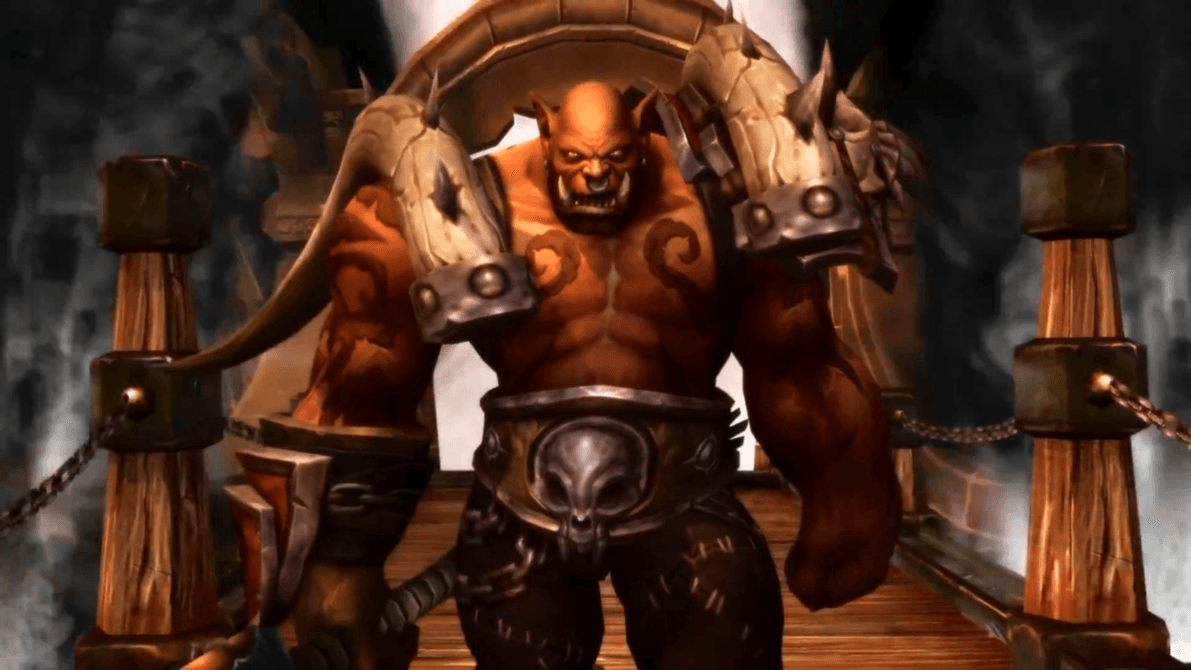
To sum it up in a few sentences: WildStar has the friendlier community or at least a lower number of “jerks”. While there are indeed many friendly and accommodating players in WoW, most of these players have resigned themselves and turned off the global chat channels. This is understandable, as the nightly game where players combine skill names with the word “anal” for supposedly humorous combinations remains popular. WildStar is somewhat better organized in this regard, as there is a dedicated advice channel specifically for new player questions. However, those who can’t handle English will find it difficult – as most public channels are predominantly in English.
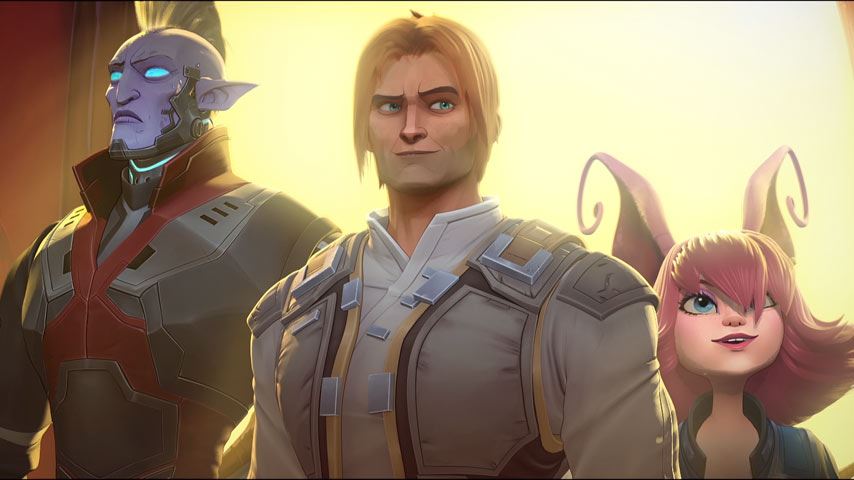
Conclusion – WildStar is more specialized, WoW is an all-rounder
A comparison between these two games is certainly not particularly fair, but not always considerate of that. World of Warcraft offers, after more than 10 years of development, the most balanced game with an endless number of tasks for players to overcome. If you are bored in WoW, it’s simply because you are not utilizing all the content that the game offers or have already spent a playtime of a year or more.
WildStar, due to its younger age, is significantly more compact but offers fresh winds with a more exciting combat system, a quirky world, and a progression system where even solo players can catch up with the big raiders over time. Especially the housing impresses across the board and offers so many possibilities that it could almost be a standalone game.
In summary, World of Warcraft is a solid all-rounder – it can do everything, and most of it very well. WildStar may not be as broad, but it offers a lot of entertainment and fresh ideas for those bored with conventional combat systems for completely free.

Your opinion is important to us!
Do you like the article? Then let us know!