


MMORPG fans have a hard time in the West. The last major new MMORPG was released in 2016 with Black Desert. If you didn’t like the Asian look, you have to go back to 2014 and The Elder Scrolls Online. Why do we have to wait so long for a new online role-playing game and when will the waiting end?
There is a relatively large number of players in Europe waiting for new MMORPGs and jumping at the first sight of one, but they have been on a diet for years. Depending on how you calculate it, the last major MMORPG was four or six years ago. Since then, there have been some disappointments.
Why do we have to wait so long? There are three sources from which we should actually receive MMORPGs in Europe:
- these are the large Western studios that have been doing this for 20 years, like Blizzard (WoW), Sony Online Entertainment (Everquest) or Funcom (The Secret World)
- The large Asian studios like NCSoft (Blade and Soul, Guild Wars 2), Pearl Abyss (Black Desert) or Nexon
- for a few years now the indie MMORPGs like Ashes of Creation, Crowfall, or Pantheon

Desperately searching for Western MMORPG since 2014
Here’s how it looks in the West: Until 2014, there was always a major Western MMORPG in development. But after the expensive new games The Elder Scrolls Online and WildStar flopped in 2014, the supply stopped. While ESO was able to recover in 2015, the market had already changed:
- Everquest Next was canceled by Daybreak Games in March 2016 after the studio was sold by Sony and it became clear that they could not afford such a prestige project
- Blizzard canceled Titan in 2014 and turned the leftovers into “Overwatch”
- Western MMO companies from the second tier are either dead like Trion Worlds (ArcheAge) or have withdrawn from MMORPGs like Funcom (Age of Conan, The Secret World)
After what was billed as an MMORPG “Magic Legends” turned out to be an MMO, no MMORPG from an established studio is in development in the West – however, several MMOs like New World.

Here’s how it looks in Asia: In Asia, there have always been major MMORPGs in development or newly released and people were waiting for the EU port. But in the last 5 years, two things have come together in Asia:
- On one hand, the mobile boom broke out in Asia early on. Many companies have been developing mobile MMORPGs instead of PC games in recent years: NCSoft is working on Blade and Soul 2 and Aion 2 – both are mobile games.
- The West has become less attractive as an “export country” after Korea imports like Bless Online came here or Riders of Icarus quickly sank into insignificance. MMORPGs from Asia are now more likely to go to Russia or other Asian countries than to us.
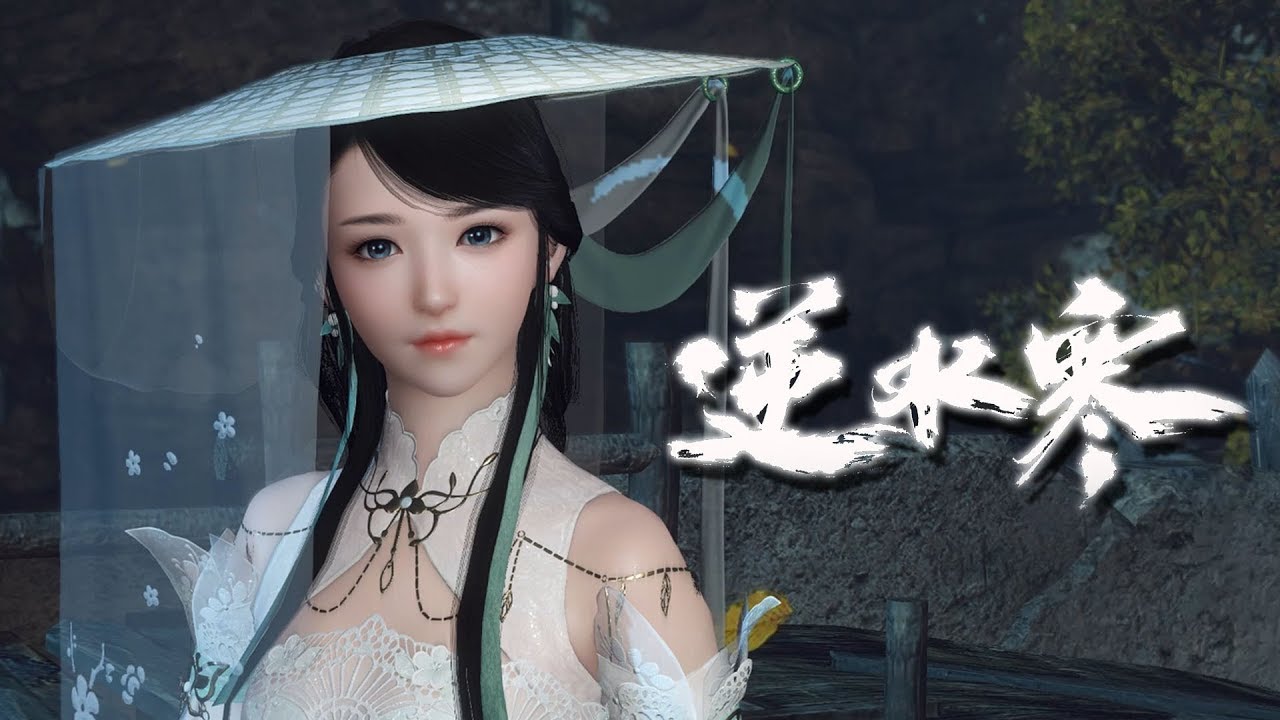
This has resulted in current Asia MMORPGs like Lost Ark, Justice Online and Moonlight Blade not having a release date yet in Europe.
What about crowdfunding? The third source of “new MMORPGs” is the indie or crowdfunding MMORPGs. Here, release dates are set optimistically to bind players to them and then pushed back year after year:
- Because the studio runs out of money and couldn’t find an investor (Chronicles of Elyria)
- Because the studio has more money than expected, and therefore the MMORPG keeps getting bigger (Crowfall)
- Because the studio really needs much longer than originally thought and starts side projects to give people something to play (Camelot Unchained, Ashes of Creation)
Google, Amazon and Facebook are snatching up the programmers
These economic problems are added: In addition to the individual reasons of various sources, there is a fundamental change in the gaming industry compared to the 2000s.
MMORPGs require a long development time and high investment costs. However, the experiences of recent years and the many flops of even high-profile games show that success is by no means guaranteed.
As a result, MMORPGs have become a great financial risk, while on the other hand, especially mobile games are making a lot of money and allowing access to new buyer groups. It is therefore more attractive for Activision Blizzard to develop Call of Duty: Mobile or Diablo Immortal than a $140 million project, as Titan might have become.
In addition, programmers are demanding significantly more money than before. Because all software companies draw from the same pool. As studio head Marc Jacobs explained, the salaries of programmers “exploded” from 2014 to 2017 as companies like Google, Facebook and Amazon paid salaries that were far above what’s typical in the gaming industry. This applies not only to top people but also to inexperienced programmers.

Hoping for Crowfall and Project TL
When will the next major MMORPG come? It’s impossible to say for sure. There are no “sure hits” on the horizon, as was previously the case when Western studios developed games for 60 million dollars and more.
Currently, there are three major hopes for a “soon release”:
- Crowfall, the indie MMORPG, is expected to enter beta soon. It is the hope bearer for fans of PvP MMORPGs. The game is said to have a budget of around 35 million dollars by now. From the Western side, this is still the game with the highest chance of establishing itself
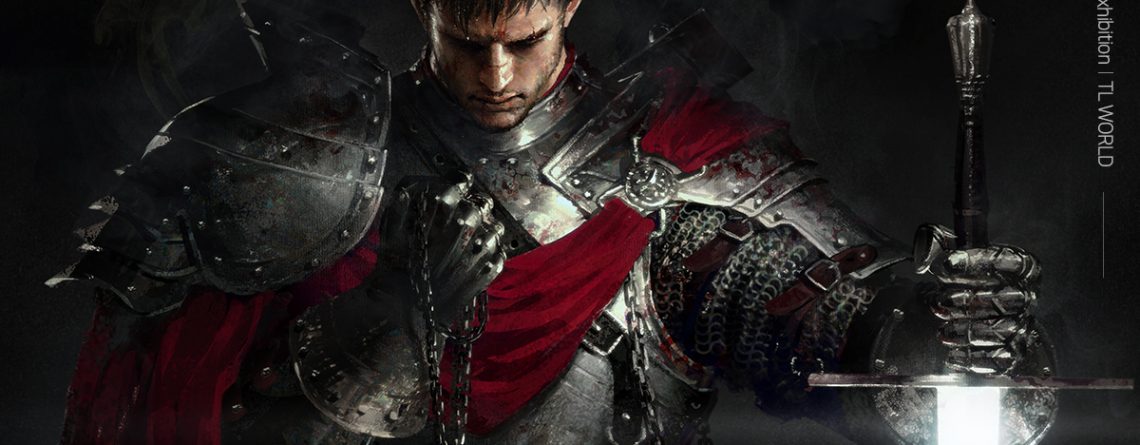
- Project TL is slated to start its beta in the first half of 2020. Project TL is an action MMORPG in the isometric perspective, similar to Lost Ark. The game has been in development for 9 years but hasn’t shown up for a long time
- With Phantasy Star Online 2, a beta is starting for Xbox One, the action game is also set to be released for PC. However, this isn’t a classic MMORPG, but rather an action online RPG and has been on the market for 8 years.
It remains to be seen whether one of the 3 games has the chance to end the big MMORPG drought in Europe.
At the moment, the already established major MMORPGs are benefiting from the ongoing drought: Games like Black Desert Online or The Elder Scrolls Online are experiencing a surge in popularity on Steam:

Your opinion is important to us!
Do you like the article? Then let us know!