

In recent years, there has been a trend for developer teams to make big plans for MMOs and MMORPGs and want to finance them through crowdfunding. The sci-fi epic Star Citizen has been wildly successful with this. The MMORPG Chronicles of Elyria has failed. Crowfall and Camelot Unchained fall somewhere in between. Our author Schuhmann looks at the phenomenon.
This is the idea of crowdfunding: The basic idea when financing an MMO through crowdfunding is roughly as follows:
- I have an idea for a game that I know people want to play
- But I can’t find a publisher who believes in this idea or in me enough to fund it OR I could find a publisher, but I don’t want to because I want to implement my own vision without someone in a suit interfering. I’m fed up with them anyway
Crowdfunding is a good way to finance and develop manageable projects that reach a clear fan base.
However, for MMORPGs, this model has proven to be problematic over the last 8 years. These very MMOs and MMORPGs that are developed through crowdfunding often lead to frustration and anger:
- One MMORPG raised over $8 million through crowdfunding and then laid off all its staff.
- Others keep pushing their milestones further back. It takes on bizarre dimensions. The single-player campaign of Star Citizen was originally supposed to be released in 2014. It is still far away in 2020.
- You hardly hear anything about games for years, although it looked years ago as if they would be released in a few months.
Such news leads to frustration among players who have invested money in the MMOs and thus became “backers”.
We will look at 4 cases of crowdfunding in MMOs and MMORPGs:
- The MMORPG Chronicles of Elyria started crowdfunding on Kickstarter in 2016 and raised $1.36 million. Later, the studio raised an additional $7.7 million through its own website
- The MMO Star Citizen began its crowdfunding campaign on Kickstarter in 2012, then switched to its own site. The crowdfunding was subsequently supported by the sale of virtual ships. By now, Star Citizen has raised $314,809,243 – a huge budget
- The MMORPG Crowfall launched its Kickstarter campaign in 2015, raising $1.76 million. Additional funds came through a campaign on its own site
- Camelot Unchained started on Kickstarter in 2013, where it raised $2.2 million. A campaign on its own website further increased the total
In all 4 cases, the “original” campaign on Kickstarter raised only a fraction of what was later additionally obtained through donations, actions on their own site, or from investors.
Chronicles of Elyria – Great Ambitions, Great Disappointment
This is what happens when crowdfunding fails: The probably worst example of failed crowdfunding is the MMORPG “Chronicles of Elyria.”
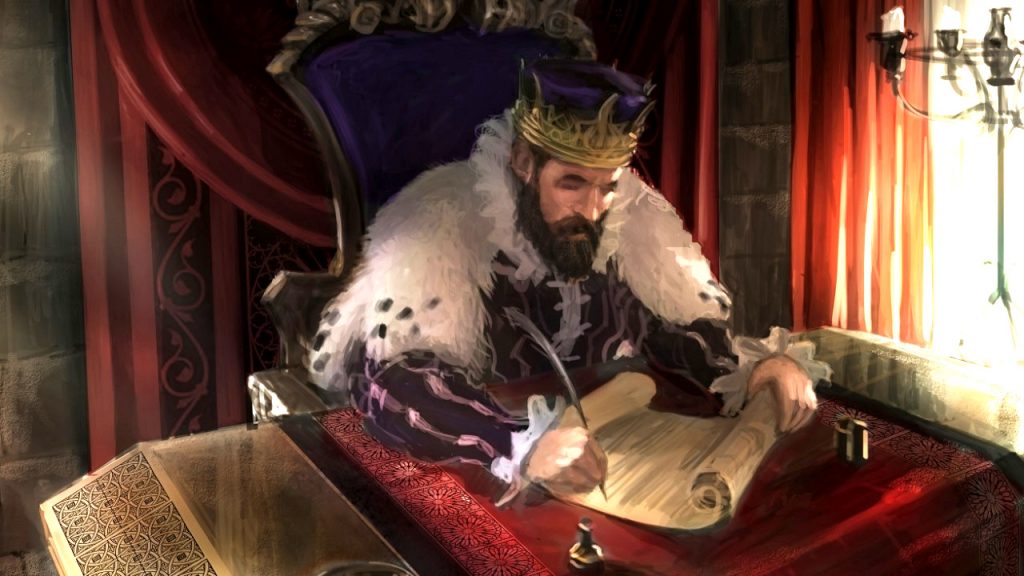
It was an ambitious mix of MMORPG and simulation: players were supposed to play a character in a virtual world that ages and dies.
The studio raised $1.36 million through crowdfunding in 2016. A further $7.7 million was obtained through crowdfunding on their own site.
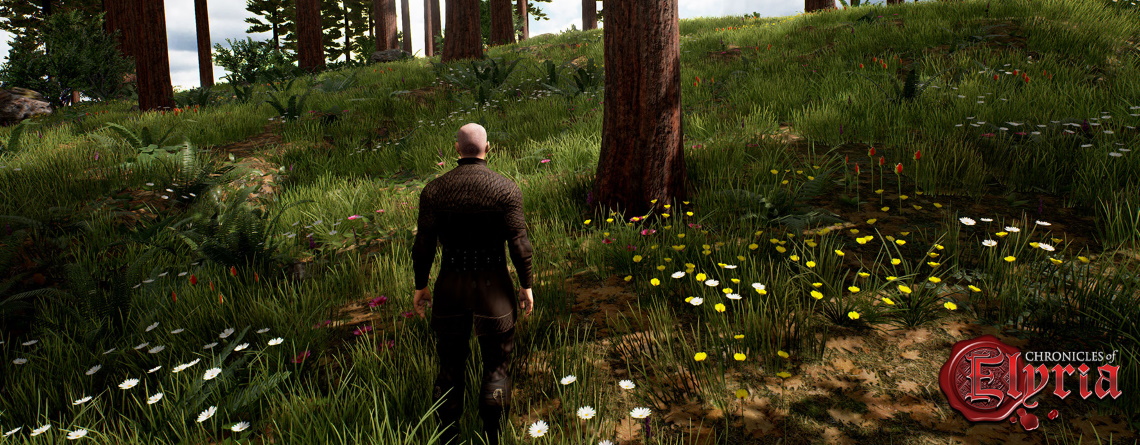
But even this budget was nowhere near enough to finish the game. The developers said they originally planned to bring a publisher on board and then develop the game. That failed. Now they had to change their plans. That apparently didn’t work.
The development of Chronicles of Elyria was effectively halted when they laid off all employees.
Then backers came and angrily demanded their money back. The term “fraud” was in the air, and a lawsuit loomed. The developer then stated that the game was not actually discontinued, but would continue to be developed voluntarily while looking for new sources of funding.
Star Citizen is at $314 million and keeps growing
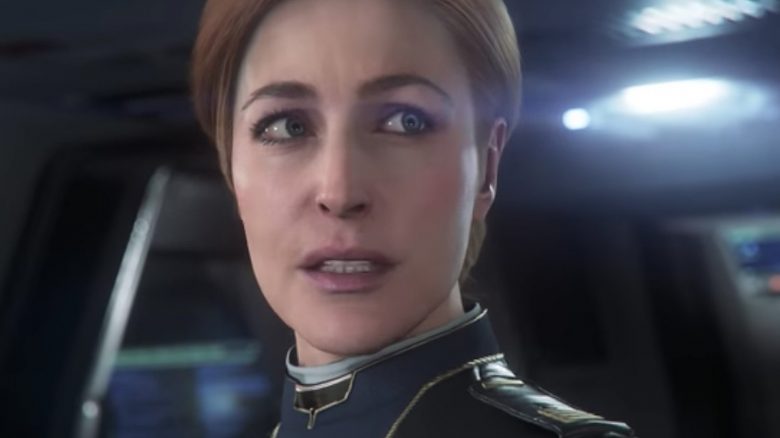
This is what happens when crowdfunding succeeds: The most successful example of crowdfunding in the MMO space is Star Citizen. It has now raised over $300 million via crowdfunding. The enthusiasm for the game is enormous.
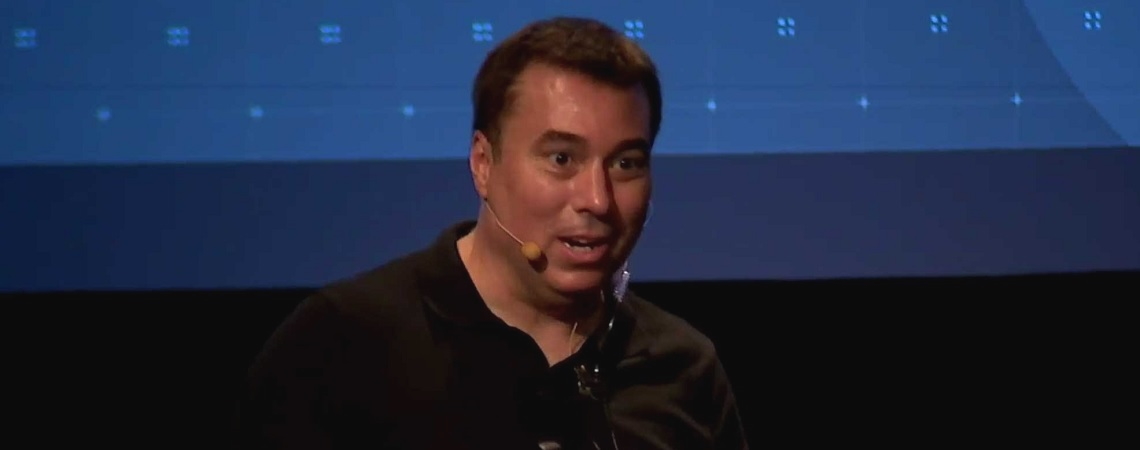
The visionary game developer Chris Roberts has made a name for himself with the franchise “Wing Commander.” Since 2010, he has managed to excite fans about his idea of developing a space epic.
Star Citizen was originally supposed to be released in November 2014 as a relatively small game. However, due to the huge success in crowdfunding, which kept growing, the project has continued to expand. Numerous additional features were promised as stretch goals.
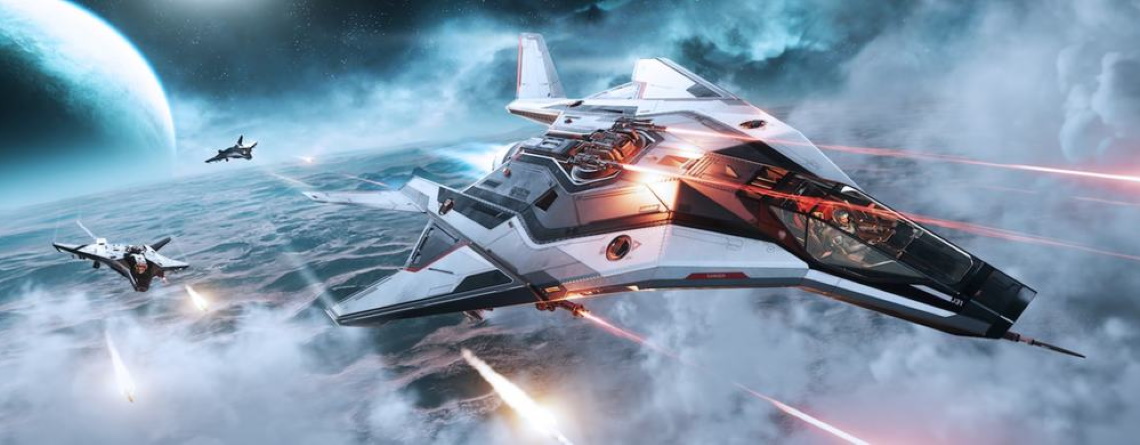
By now, Cloud Imperium Games, the company behind Star Citizen, is a huge studio with offices in California, Texas, Manchester, Derby, and Frankfurt am Main.
Star Citizen is in a playable alpha, but the release of the single-player campaign “Star Squadron” has already been postponed multiple times. And there is growing discontent about when the game will finally be released.
There are fierce debates about the game. People are demanding their money back, while others passionately defend Roberts and his vision.
Crowfall and Camelot Unchained – Beta is starting now, but really soon
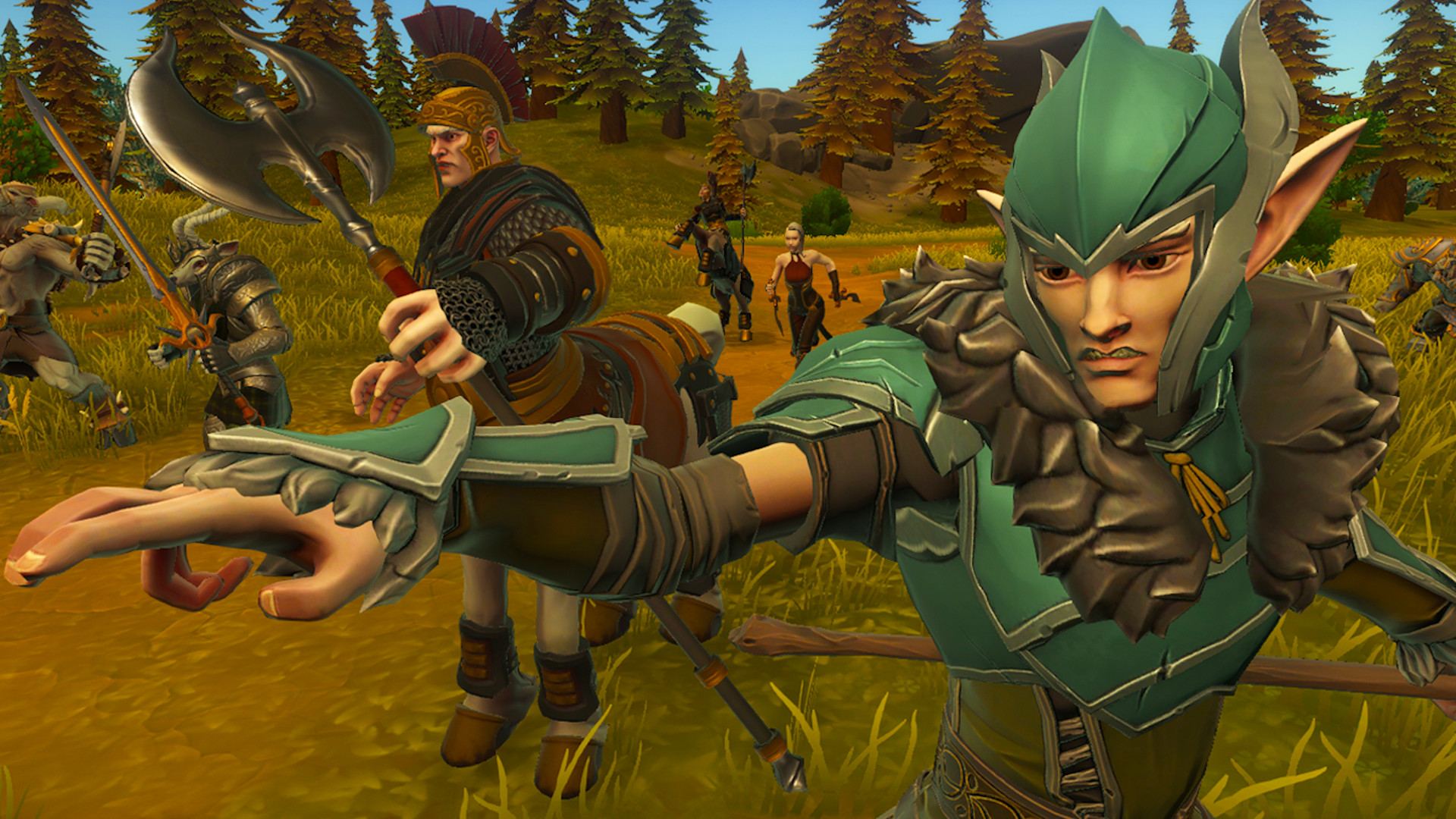
This is what happens when crowdfunding runs “normally”: There are two MMORPGs from experienced veterans that aimed to address a clear niche of fans:
- Camelot Unchained by Marc Jacobs aims to become a sandbox PVP game – Jacobs is known for the MMORPGs “Dark Age of Camelot” and “Warhammer Online”
- Crowfall by J. Todd Coleman is heading in a similar direction – Coleman was behind the MMORPG “Shadowbane”
There are several parallels:
Both games had very early release dates that they could not meet and that kept being pushed back. The back and forth about release dates for Crowfall and Camelot Unchained has been and is maddening.
Both games had a “pretty good crowdfunding” run on Kickstarter, but later switched to investor money.
With this switch, both games became significantly quieter. While initially they stirred up publicity and tried to explain the games “to the people out there,” they now seem to focus on development and have significantly reduced the hype around the games.
This leads to the strange situation where both games looked like they would be “coming out any moment” about 5 years ago, but in reality, they are still in development even in 2020. In the meantime, Crowfall at least offers a substantial beta, which MeinMMO editor Alexander Leitsch played.
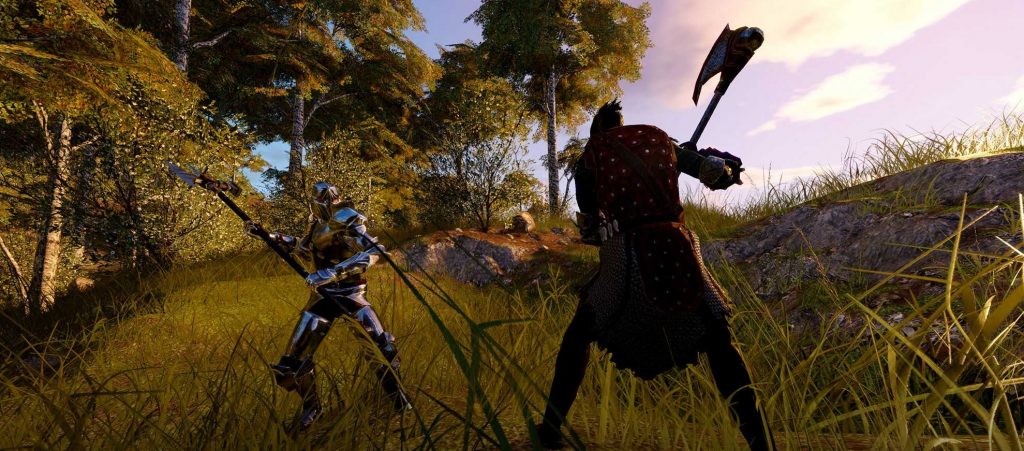
These are patterns in the crowdfunding of MMOs: In all games, we see several identical patterns:
- Early release dates are mentioned that have no substance and are regularly broken and pushed back. It’s absurd how dates are shifted backward and how often certain milestones are reset
- The “target amount” in crowdfunding campaigns does not really matter. The actual necessary budget for an MMO is much higher than the approximately $2 million that one can raise through Kickstarter. The additional millions must be obtained elsewhere, either through investors or further crowdfunding
- The community of games becomes “initiated,” receiving exclusive information. They feel like “co-developers” and defend their game against criticism from the “unenlightened”. A siege mentality arises
With crowdfunding, one simply cannot be honest as an MMO
Why do MMOs and crowdfunding not go together? The fundamental problem of MMOs and MMORPGs is that they consume a lot of money and require such a long development time, that since 2014, hardly any publisher is willing to invest in it. However, there is a high demand for the games. Therefore, the path through crowdfunding seems reasonable.
However, if one were “honest” with the players, no one would donate:
- There would be huge target amounts
- And eternally distant release dates. Even a beta would be at least 5 years away at the start on Kickstarter
On “We need $150 million and the release is in 7 years – you can donate $30 here” would probably hardly anyone agree. So they seek $800,000 and promise the customer that they will have the game in 18 months.
The goal of crowdfunding seems primarily to create a financial basis for a project and to use “Kickstarter” to find arguments for an investor.
With the first funds
- structure can be built
- show an investor how much interest there is
- maybe develop a prototype that makes it easier to explain the MMO to someone
- Additionally, ideally, enthusiastic players can be turned into their own brand ambassadors, who then do PR work for free
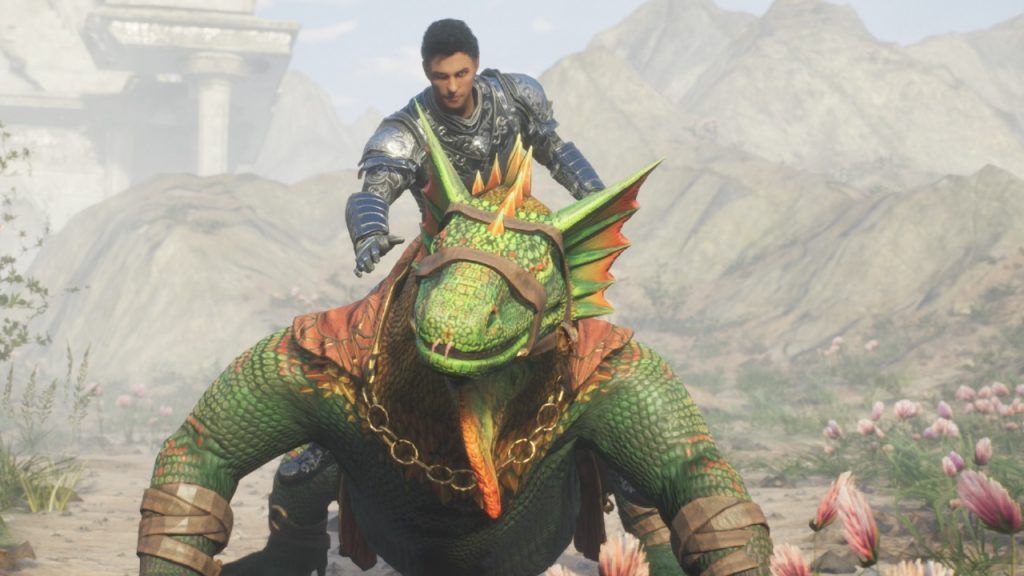
The fundamental problem of an MMO remains the same, no matter how it is presented: The development takes a long time and costs a lot of money. What keeps a publisher from financing an MMO is the same thing that would also prevent a backer from funding it on Kickstarter if the player were confronted with the facts.
Therefore, studios seem to present their games very optimistically from the outset. This leads to many moments of disillusionment and frustration in the years that follow.
Developers and players are in the same boat
However, there is a strange phenomenon: With many “backers” of crowdfunding games, the idea seems to have established itself that what the developers say “externally” must be somehow embellished – that’s okay.
One is in the loop and knows how it really is. They don’t take it so badly on their “developers” when the next beta date is again pushed back by a few months or even years.
In fact, backers and core fans of MMORPGs are frustration-resistant. Delays no longer lead to real anger. Only the quasi-cancellation of Chronicles of Elyria actually generated a shitstorm.
One can only hope that one of the games that have been in development for so long meets the expectations of its backers and that the trust of players pays off in the end. This would also be important for the MMORPG genre.
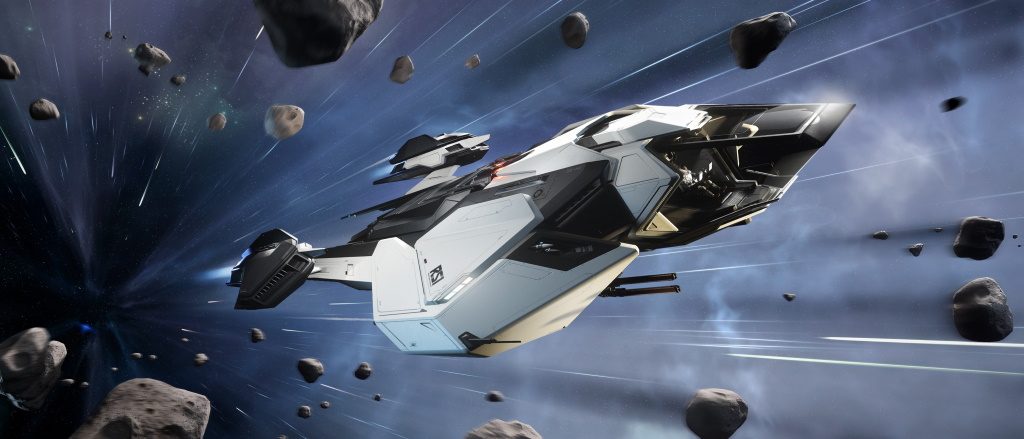
In addition to the 4 examples mentioned here, there are other MMOs that have been and are being financed through crowdfunding. There are indeed some that have already been released:
The 7 biggest crowdfunding MMOs – Where do they stand in 2020?

Your opinion is important to us!
Do you like the article? Then let us know!