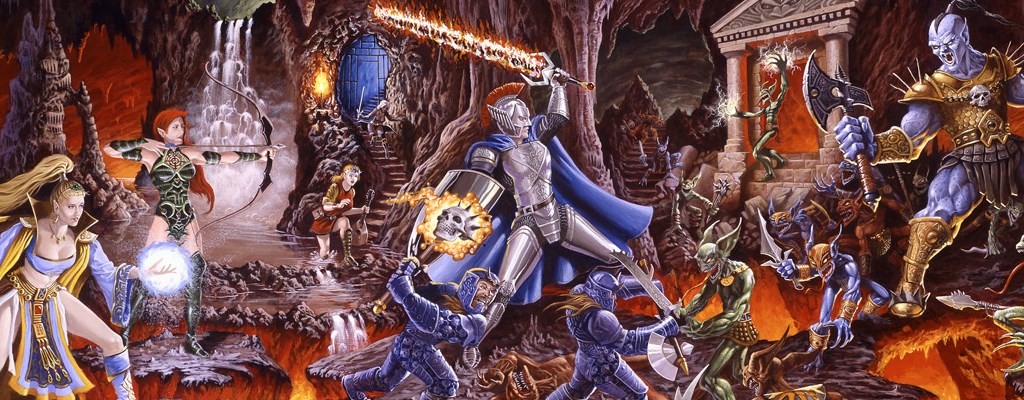
MMORPG veterans still remember the lines before boss enemies in dungeons. In modern online role-playing games, this basically no longer exists. Therefore, let us take a look at what this was all about and why it has changed.
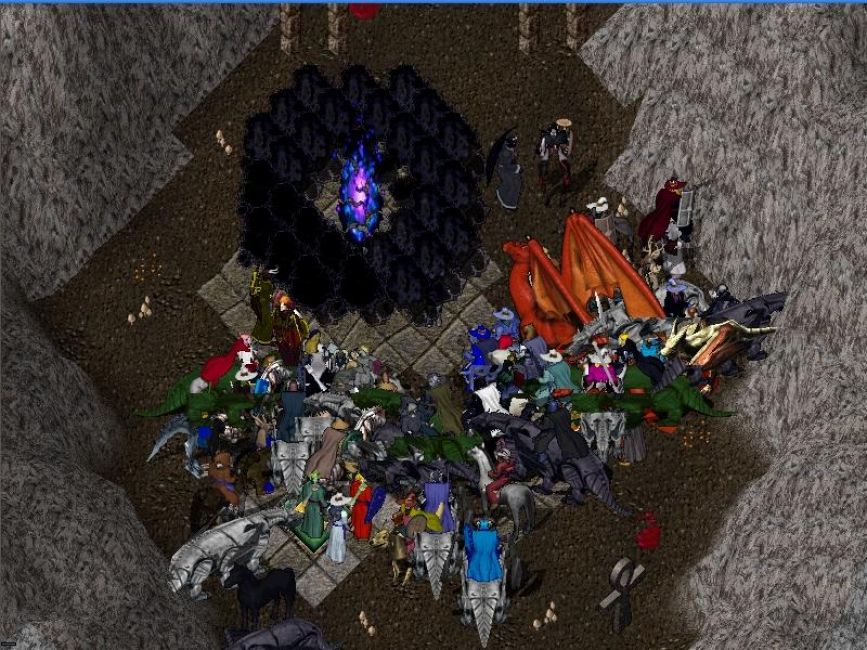
How did boss fights work in the past? Boss enemies were visible to every player in the dungeon in MMORPGs. At that time, there were hardly any instances, causing dungeons to be overcrowded. When the team reached the boss enemy, there were already many other players waiting to finally defeat him.
Every time the boss fell, he disappeared for a certain period of time. The big wait began until the enemy finally respawned. Now it was the next team’s turn. Because everyone wanted to complete the quest and get to the rare loot that a boss left behind.
It became problematic when boss fights took a very long time. The longer one had to wait, the longer it took to finally be next in line.
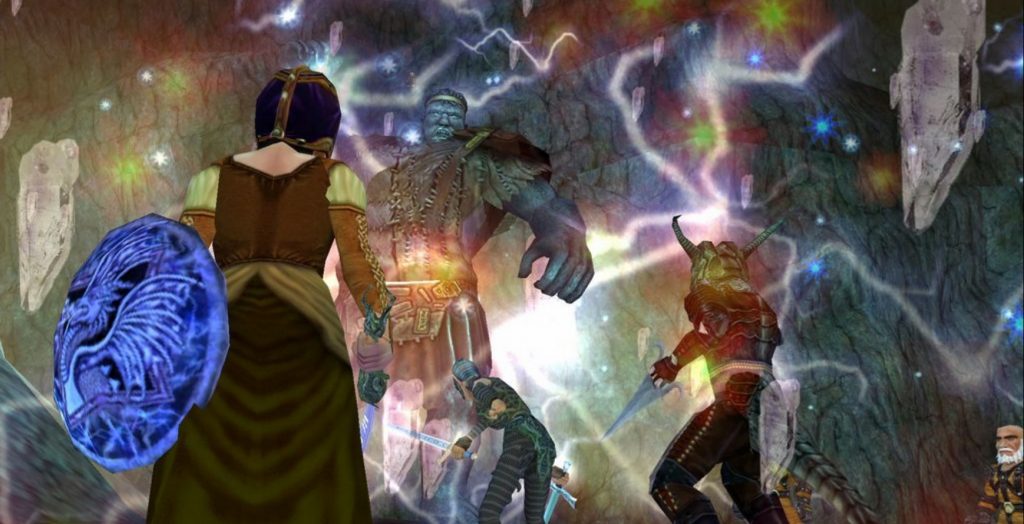
A long wait time
How long did this take? Depending on how many players were waiting for the respawn and how long the fight lasted, one could spend several days in the waiting phase. Therefore, players took turns here to not lose their spot in line.
The long wait times often led to frustration, and no developer wants to frustrate their customers. Therefore, new systems had to be developed.

How was this changed? Instances were introduced. Whenever a group entered a dungeon, a separate instance, meaning a kind of copy, was created only for this team, where no one else is present. This way, players can explore the dungeon undisturbed and defeat the boss.
An additional advantage of instances is that they are created in parallel. This means that multiple player groups can enter the dungeon in their instance simultaneously. This essentially eliminated the wait times.
How does this look today? Instances have long since established themselves. However, veterans sometimes wish for the times of large, open dungeons to return. Because they also had a social component in MMORPGs. You met other players, could help them, interact with each other, and find new friends.
With Pantheon: Rise of the Fallen, this principle is supposed to return. The dungeons are open, and you should “reserve” the boss. How well this will be received will be seen when Pantheon – presumably in 2020 – is released.

Thus, it was necessary to reserve a dungeon. This way, others knew that it was currently occupied and could come back later.

How did the reserving work? In the beginning of the genre, there were no instances or other automated ways to “reserve” a boss. This meant that players had to come up with something.
They wrote a letter with information about who was in the dungeon and how long it took roughly. This letter was then left at the entrance so that others could read it. Over time, letters accumulated that secured dates for the dungeon and the boss.
Which MMORPGs was this the case? In the past, open dungeons and their reservation were standard. Therefore, many well-known online role-playing games offered this principle. Among them:
- Darkfall
- Everquest
- Vanguard: Saga of Heroes
- Asheron’s Call
- Ultima Online
During what period were these open dungeons? When MMORPGs emerged on a large scale in the late 1990s, such as with Meridian 59 and Ultima Online, players had to share the dungeons and bosses.
RuneScape in 2001 was the first online role-playing game to use instances on a larger scale for quests. When World of Warcraft was released in 2004, this principle really took hold. Gradually, new online role-playing games followed this example until open dungeons played hardly any role.
Instances became established
Why was this abolished? The wait times were simply too long. MMORPGs increasingly catered to a broader audience. Success experiences had to be achieved at shorter intervals and players wanted to experience an adventure in the dungeons just for their group.
The long wait times often led to frustration, and no developer wants to frustrate their customers. Therefore, new systems had to be developed.
How was this changed? Instances were introduced. Whenever a group entered a dungeon, a separate instance, meaning a kind of copy, was created only for this team, where no one else is present. This way, players can explore the dungeon undisturbed and defeat the boss.
An additional advantage of instances is that they are created in parallel. This means that multiple player groups can enter the dungeon in their instance simultaneously. This essentially eliminated the wait times.
How does this look today? Instances have long since established themselves. However, veterans sometimes wish for the times of large, open dungeons to return. Because they also had a social component in MMORPGs. You met other players, could help them, interact with each other, and find new friends.
With Pantheon: Rise of the Fallen, this principle is supposed to return. The dungeons are open, and you should “reserve” the boss. How well this will be received will be seen when Pantheon – presumably in 2020 – is released.