


The shooter series Destiny has been running for 7 years now. The current installment “Destiny 2” was released in 2017 and is expected to remain relevant for several more years. However, the glory days of the shooter are already several years behind us. Our author Schuhmann looks at the three major mistakes Bungie is making with the franchise. Why couldn’t Destiny become the “game for 10 years” that was promised to us?

That was the wish for Destiny: The Destiny franchise has a trademark: Players always wanted Destiny to be more than it was at any given moment.
Even at the first E3 presentations in 2013, Bungie painted a picture of a grand science-fiction adventure where players could explore a fascinating world and have fun with their friends. Everything appeared mysterious and alien, full of secrets waiting to be uncovered. The world felt huge and was supposed to keep on growing.
Even today, many players still have the sentence in their ears: “Destiny is supposed to be a game for 10 years!”
The Wish and the Promise: Destiny – the Game for 10 Years
Even in the years that followed, Bungie hinted that the Destiny universe could grow so much further and larger: More and more weapons, locations, raids, bosses, and enemies could be added to the game. There was always a new, distant threat lurking in the depths of space that needed to be defeated. Soon, new features would surely come that would transform Destiny from a lobby shooter into a living world.
However, the biggest wish of Destiny fans was to be continuously entertained by the game with new, exciting content, to experience milestone expansions like “The Taken King” or “Forsaken”, to be surprised by Bungie with secret quests, and to constantly discover new exciting weapons like the legendary Gjallarhorn or the incredibly stylish “The Last Word”.
And Bungie also said that these dreams would come true. As early as July 2015, Bungie promised us: Players would never have to create a new Guardian. That Guardian would always be there for them. Bungie would keep bringing more content to the game.
In practice, Destiny 2 has shrunk rather than grown in recent years, and the visions and hopes have diminished.
Due to the content vault, content has rotated out of the game. The “new” bosses and enemies are today foes that Guardians already defeated in 2014. Veteran players have known the new locations for 7 years. And the recycling of weapons in Destiny is nearly legendary.
What is the reason for this?
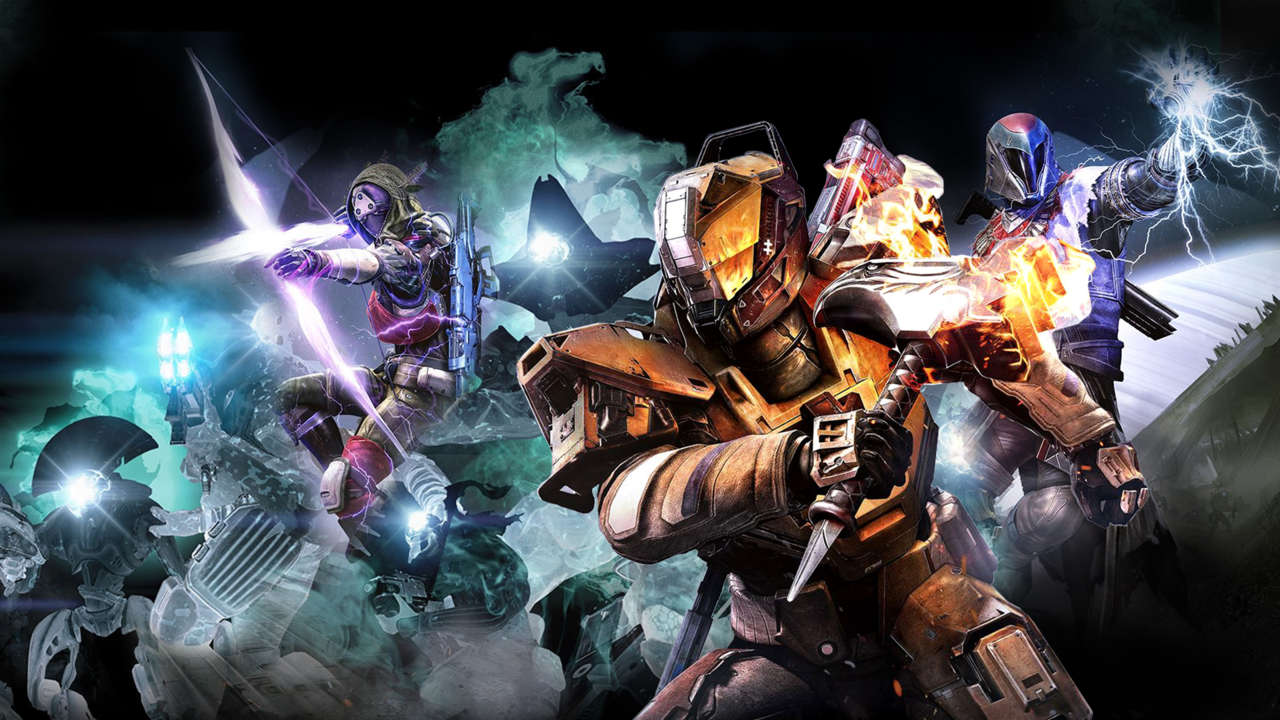
Error 1: Activision Completely Underestimates How Much Work a MMO Shooter Requires
The fundamental mistakes were made even before the release. As we know today, Activision Blizzard had forged a “10-year plan” with Bungie at the time, aiming to deliver an unbelievable amount of content in a very short time to Destiny.
A master plan was established:
- Destiny was to receive one major release per year (2014 Game – 2015 Major Expansion – 2016 Destiny 2 – 2017 Major Expansion)
- Additionally, 2 large purchase DLCs were to be released each year (Winter 2014 Darkness Awaits – Spring 2015 House of Wolves)
Indeed, this master plan was supposed to stretch over 10 years.
However, Bungie barely managed to hold onto this plan for one year before it completely fell apart. Before the release, Bungie had time for pre-production. As it was later revealed, Luke Smith’s team was already working on the big 2015 expansion “The Taken King” while players were just daring to enter the Glass Chamber at the release of Destiny.

But this “pre-production” quickly fell apart for Destiny:
- Neither the studio Bungie nor the game’s technology were designed to sustain such a content output.
- Bungie would have needed 4 teams working simultaneously on the live game, preparing the next 2 DLCs and the major release. In practice, the plan collapsed if even one team encountered problems and fell behind schedule. Naively, there was no “live team” at the release – that had to be built first.
- From an insider report at the time, there’s also the quote, that the engine of Destiny must load overnight to move a single container in the game.
Although Bungie had a huge team, it was structurally ill-prepared to manage a live game.

From 2014 to 2017 or 2018, the studio had to adjust to this new situation. This cost a lot of resources and player trust:
- The head of Bungie had to leave, founded a new company, and took some of the Destiny veterans with him
- Activision took years to recognize the problem and then sent “support” studios to assist Bungie
- Internally, Bungie had to restructure itself, shifting from a large tanker to a more flexible development model
- The technical problems of the engine seem to remain unresolved to this day
- “Reboots” of Destiny 1 and Destiny 2 and the replacement of their respective creative leaders also cost much time and resources
Error 2: Destiny 2
A remnant of the “great 10-year plan” with Activision Blizzard was the necessity to create a “Destiny 2”. However, Bungie lost the gameplay and content advancements that they had so hard earned with Destiny 1 over the 3 years.
Bungie itself could hardly justify this in 2017, as they had actually been preparing for the last few years to continue working on Destiny and to improve the game. However, the contract with Activision Blizzard stipulated a “Destiny 2”.
In a podcast, visionary Luke Smith mentioned at the time that the advantage of Destiny 2 was that a big “2” could be written on the box, as a kind of sign: “It’s starting anew, come on board now.”
However, Destiny 2 didn’t quite feel like a “sequel”; for many, it was a step backward.
- The PvP in Destiny 2 never really got off the ground and has been struggling for 4 years.
- Furthermore, players felt deceived that their cosmetic items purchased in Destiny 1 could not be transferred to Destiny 2. This surely lowered the motivation to shop in Destiny 2’s cash shop.
- The experience of “losing all items in an alien raid” was nullified when many weapons later returned in one way or another.
The necessity to develop Destiny 2 stemmed from Activision Blizzard’s “Call of Duty” philosophy: Having a new game in stores every year selling for $60.
But this “sequel” mindset did not fit a games-as-a-service model like Destiny. This created conflicts with players and evidently also between the contracting parties Bungie and Activision Blizzard.
The “vanilla version” of Destiny 2 was, in any case, a disaster that alienated many regular players. The period from the release of Destiny 2 until mid-2018 is still regarded as the absolute low point for Destiny. At that time, there was a dip in player numbers and mood from which Destiny has yet to fully recover.
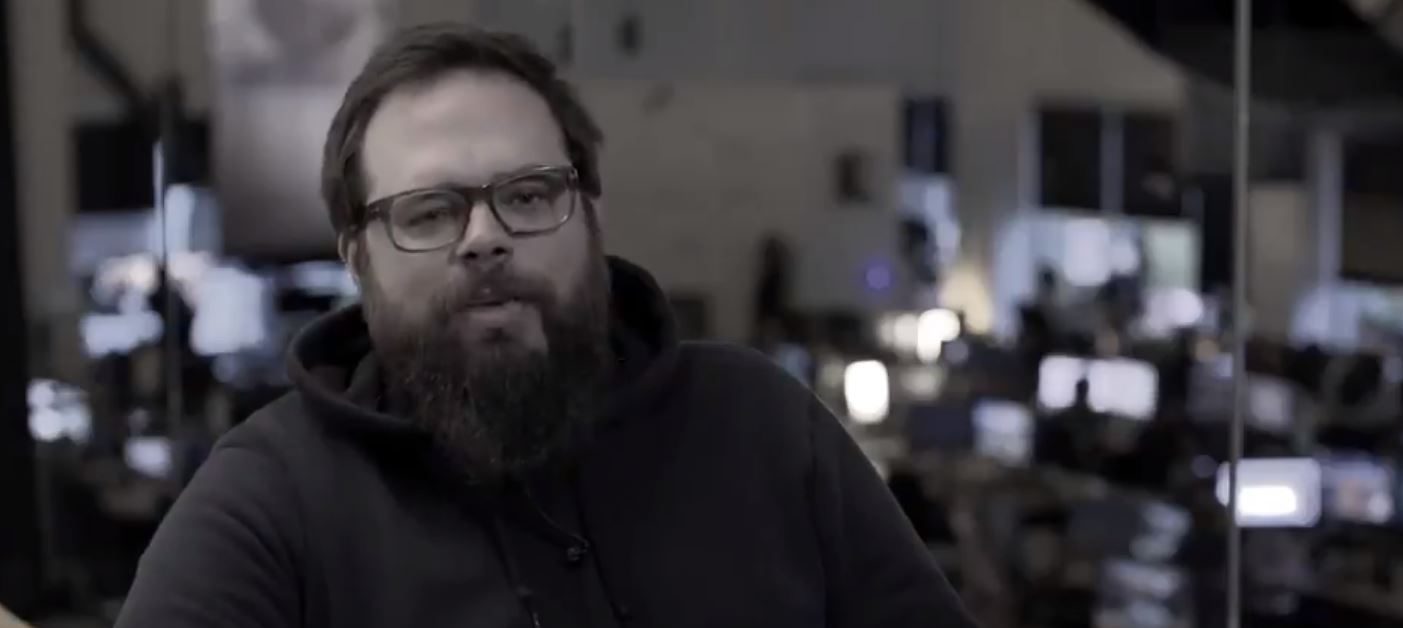
Error 3: The Separation from Activision Blizzard
No one knows exactly why, but it could be the conflict between “sequel” and “We continue Destiny” that led to the separation from Activision Blizzard.
The separation came at a time when Destiny in 2019, 5 years after the original release, was finally on the right path to fulfill players’ wishes:
- With Destiny 2 Forsaken, the shooter received a great expansion.
- Finally, the support studios from Activision Blizzard had arrived, doing really good work. It was now within reach to implement the crazy content plans that had been forged years earlier.
- The team seemed to be at full operating temperature; the new mechanisms worked, and with Luke Smith on board, they had a leader with clear visions of shaping Destiny into an action MMO.
However, just when all the puzzle pieces seemed to be in place, the break with Activision Blizzard occurred, who were apparently disappointed with the sales of Forsaken and likely pushed behind the scenes for a restart with Destiny 3.
2019, which should have been a great year for Destiny 2, turned into a “filler year” with little action happening.
After the separation from Activision Blizzard and the loss of the support studios, Bungie announced a “new era” and promised to develop Destiny 2 according to their vision without compromises.
However, in reality, the studio had lost significant resources and had to reorganize itself completely. The fans were later told that they could probably never achieve anything as big as “Forsaken” again. Since then, the visions and dreams for Destiny 2 have significantly diminished, just like the game world from which content is now rotating out.
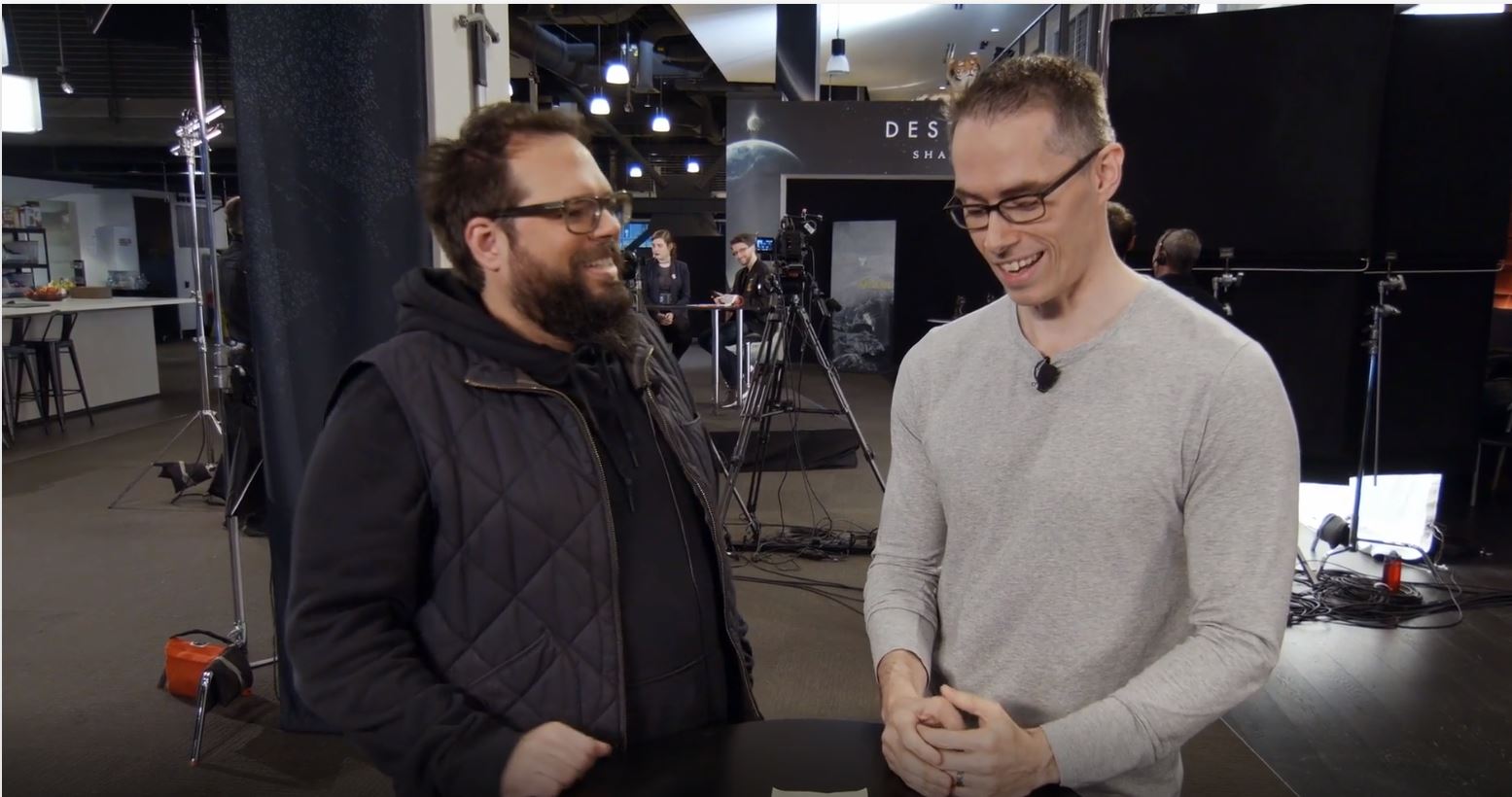
Destiny is likely to be a game for 10 years, but not as planned back then
Destiny 2 is now trying to entertain fans primarily with grind and seasons stretched with time-gated content.
What many fans wish for: More and more content and an ever-expanding world seems no longer possible.
In fact, Destiny is likely to last its 10 years, the content for the coming years is already planned. But the visions of the past are now a long way off.
Bungie also seems to be moving away from the idea of making Destiny 2 the fantastic adventure they promised us in 2013. The studio’s desire to venture into new worlds is growing louder, departing from “One game for 10 years that is our Destiny.”
Destiny 2 without Activision Blizzard was supposed to be great, but is disappointing so far.
But this “sequel” mindset did not fit a games-as-a-service model like Destiny. This created conflicts with players and evidently also between the contracting parties Bungie and Activision Blizzard.
The “vanilla version” of Destiny 2 was, in any case, a disaster that alienated many regular players. The period from the release of Destiny 2 until mid-2018 is still regarded as the absolute low point for Destiny. At that time, there was a dip in player numbers and mood from which Destiny has yet to fully recover.
Error 3: The Separation from Activision Blizzard
No one knows exactly why, but it could be the conflict between “sequel” and “We continue Destiny” that led to the separation from Activision Blizzard.
The separation came at a time when Destiny in 2019, 5 years after the original release, was finally on the right path to fulfill players’ wishes:
- With Destiny 2 Forsaken, the shooter received a great expansion.
- Finally, the support studios from Activision Blizzard had arrived, doing really good work. It was now within reach to implement the crazy content plans that had been forged years earlier.
- The team seemed to be at full operating temperature; the new mechanisms worked, and with Luke Smith on board, they had a leader with clear visions of shaping Destiny into an action MMO.
However, just when all the puzzle pieces seemed to be in place, the break with Activision Blizzard occurred, who were apparently disappointed with the sales of Forsaken and likely pushed behind the scenes for a restart with Destiny 3.
2019, which should have been a great year for Destiny 2, turned into a “filler year” with little action happening.
After the separation from Activision Blizzard and the loss of the support studios, Bungie announced a “new era” and promised to develop Destiny 2 according to their vision without compromises.
However, in reality, the studio had lost significant resources and had to reorganize itself completely. The fans were later told that they could probably never achieve anything as big as “Forsaken” again. Since then, the visions and dreams for Destiny 2 have significantly diminished, just like the game world from which content is now rotating out.
Destiny is likely to be a game for 10 years, but not as planned back then
Destiny 2 is now trying to entertain fans primarily with grind and seasons stretched with time-gated content.
What many fans wish for: More and more content and an ever-expanding world seems no longer possible.
In fact, Destiny is likely to last its 10 years, the content for the coming years is already planned. But the visions of the past are now a long way off.
Bungie also seems to be moving away from the idea of making Destiny 2 the fantastic adventure they promised us in 2013. The studio’s desire to venture into new worlds is growing louder, departing from “One game for 10 years that is our Destiny.”
Destiny 2 without Activision Blizzard was supposed to be great, but is disappointing so far.

Your opinion is important to us!
Do you like the article? Then let us know!