
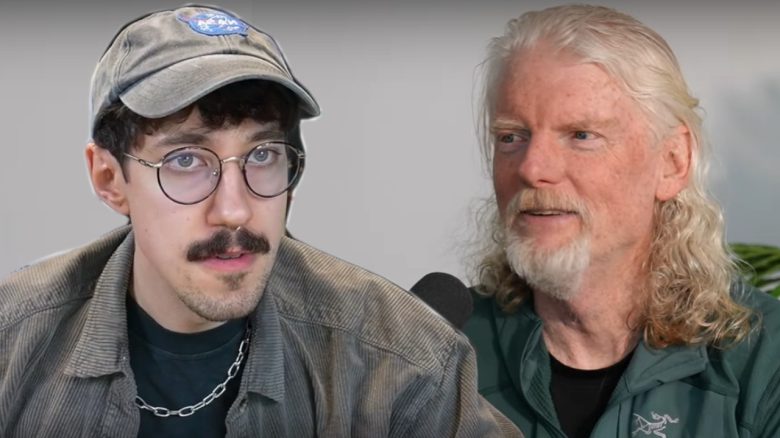
In January 2024, two well-known German gaming YouTubers announced that they would be reducing the production of their elaborate videos and will focus more on streaming on Twitch: HandOfBlood and Kalle Koschinsky. This is reason enough for MeinMMO to take a look: Why are YouTubers switching to Twitch?
What is the situation? In recent years, Twitch has faced a lot of criticism and lost some of its top streamers.
- As early as 2019, top stars like Ninja and shroud switched to Mixer.
- Starting in 2022, YouTube embarked on a major shopping spree and bought some stars from the streaming platform. This was particularly attractive for “clean” streamers.
- Since 2023, some of the more controversial content creators have found a home on the new competitor platform Kick. Former Overwatch pro xQc was the number 1 on Twitch for a long time and received a deal from Kick that placed him in a league with professional athletes like LeBron James.
However, a new development has suddenly emerged in recent weeks. One of the most well-known German gaming YouTubers, Maximilian “HandOfBlood” Knabe, unexpectedly decided to switch to Twitch in January 2024. Just before that, his friend Kalle Koschinsky had also made a similar announcement.
YouTube is only worthwhile to a limited extent for many creators
What makes Twitch suddenly attractive again? The motivations for content creators to make a switch may vary from person to person. In his announcement, HandOfBlood mentioned a lack of self-fulfillment and dwindling enjoyment in video production. He felt that he had lost a part of himself in the conceived YouTube videos – the viewers wanted more “Hänno pur” again.
Nevertheless, some patterns can be recognized. One statement arises repeatedly in the discussion: “Elaborate videos are not worth it.” The YouTuber “Jules” shared his calculated hourly wage of €5.29 for the work on his well-composed videos in 2023. He expressed the suspicion that YouTube is simply not made for elaborate videos anymore.
This is partly due to the so-called CPM on YouTube, which indicates how much content creators earn per view. The value is determined individually for each channel and depends on various factors. This leads to situations where the German Twitch streamer Trymacs earns differing amounts with his channels and others receive even just cents.
This type of monetization makes it significantly more challenging for some content creators to earn money with YouTube. Yet it is precisely the relative financial security that makes the video platform attractive for many. For a long time, this security on YouTube opposed a culture on Twitch that promotes a constant “grind” to the point of self-exploitation.
However, content creators have now also come to realize that the all-powerful algorithm favors those YouTubers who regularly create new videos and punishes those who upload videos to YouTube infrequently.


Twitch streams provide “free” content for YouTube
So what is the golden formula? Two elements come together:
- YouTube rewards those who regularly upload new videos
- Those who spend a lot of time on a single video feel they are not being rewarded for it
For several years now, the trend from the USA has been known where large content creators stream on Twitch and then repurpose excerpts of their videos on YouTube. Streamers like Asmongold or xQc pioneered this trend of live streaming on Twitch and only uploading excerpts on YouTube.
This trend has established itself more and more in recent years, also due to the so-called “reaction meta”: Twitch streamers watch videos from other content creators live on Twitch, be it on YouTube, TikTok, or Twitch, and react to them. Excerpts of these reactions are then published on YouTube.
This way, streamers get the best of both worlds: They stream live on Twitch, interact with the chat and other content creators, gather subs or place their ad deals, and thus stay relevant.
At the same time, they can regularly upload videos on YouTube that require no additional work from them – usually, editors, whether freelancers or employed, take care of the editing and uploading of the videos.
Indeed, both HandOfBlood and Kalle Koschinsky announced that not much would change on their YouTube channels. The former continues to upload videos on his second channel “HandOfUncut” in the same style as before – just that it consists of footage from his stream instead of originally produced videos.
Kalle Koschinsky also continues to contribute to his YouTube channel with recordings from his streams for those viewers who cannot or do not want to tune in live. However, so far these videos have received significantly fewer views than his usual content. It remains to be seen whether the switch to “daily streamer” will pay off in the long run.
Gifted entertainers like HandOfBlood can leverage their charisma and improvisational skills to operate live in the stream while still utilizing and feeding their established reach for YouTube for maximum profit.
It is therefore no coincidence that German YouTubers are increasingly switching to Twitch now; it is currently the established business model that promises maximum reach.

Your opinion is important to us!
Do you like the article? Then let us know!