

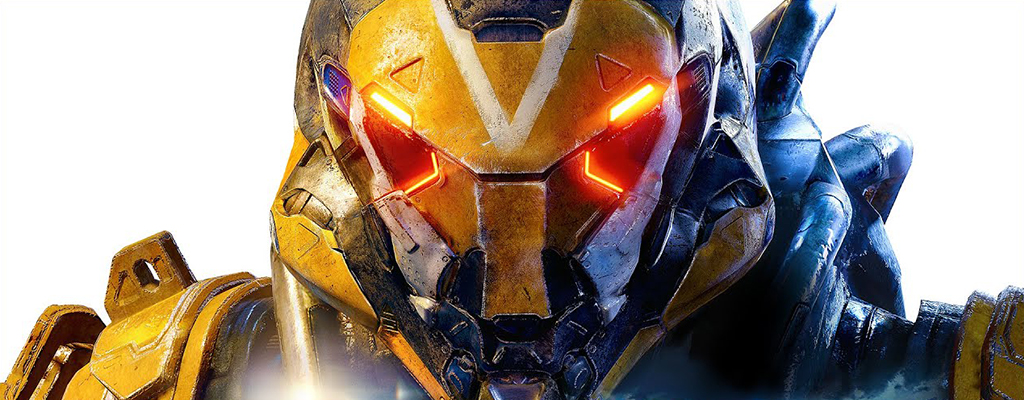
Many compare Anthem to online shooters like Destiny, The Division, or Warframe. Our author Schuhmann sees the roots of Anthem more in BioWare’s own MMORPG Star Wars: The Old Republic.

This is behind the many Destiny comparisons: People always wonder why Destiny is compared to Anthem. This doesn’t make sense from a gameplay perspective. One is a first-person shooter, the other is a third-person RPG.
Nevertheless, the comparison arises again and again and then garners angry reactions from players.
To understand, one must know: The comparisons stem from the development of the gaming industry over the last 5 or 6 years. The big trend is called “Games as a Service.”
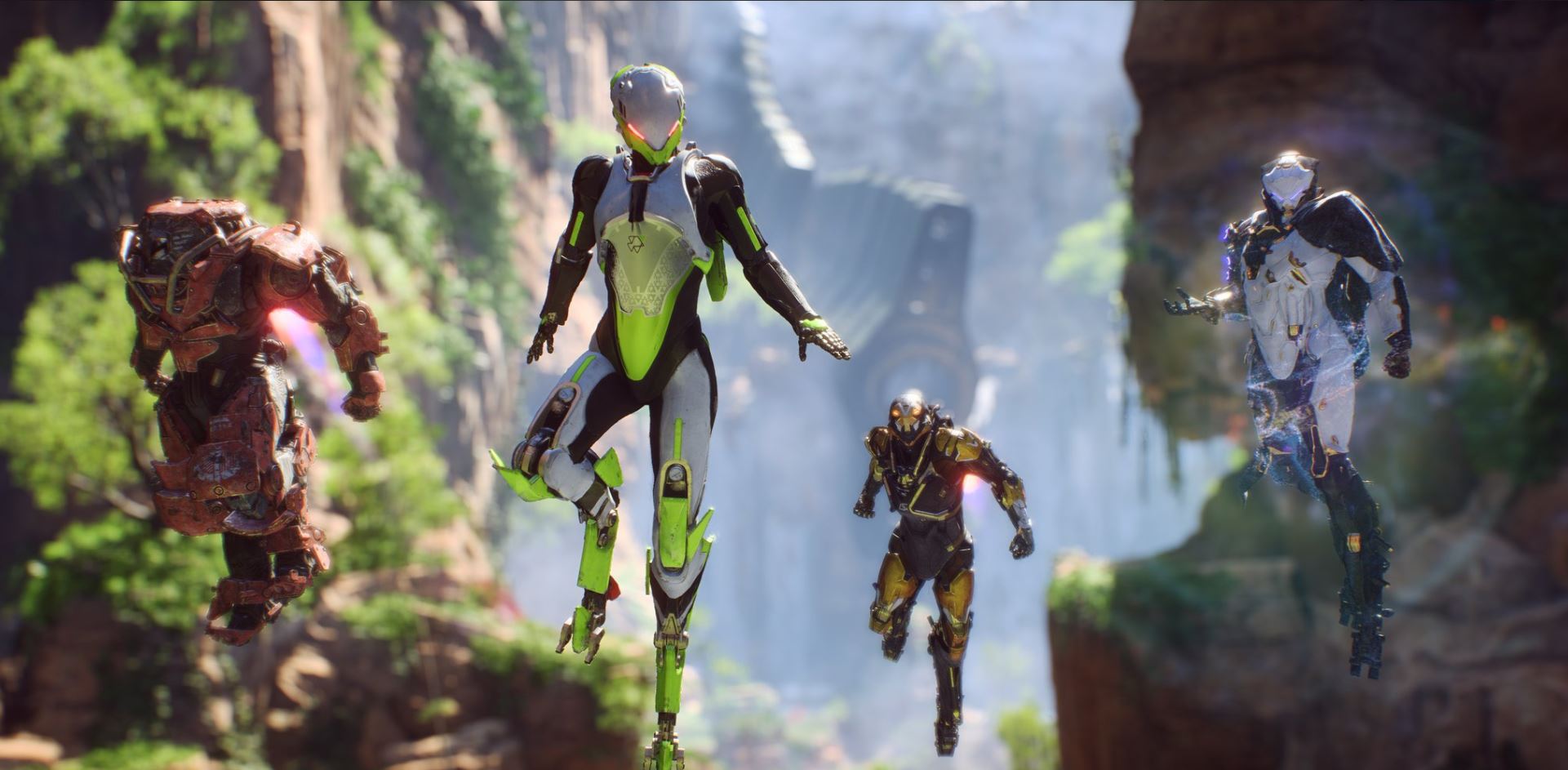
These are Games-as-a-Service: Two games are considered pioneers in this service trend.
- RockStar launched GTA Online in 2013 – a pre-existing franchise was continued with a new service title.
- Bungie followed up in 2014 with Destiny – the first new brand to function as such a service title.
The games were later called “service games” or “live games” because they were meant to continue indefinitely – like a service.
- The purchase of a game used to be a transaction handled at the counter on consoles: players bought a game at the register and that was it. Business relationship over.
- With GTA Online, players entered into a longer business relationship with a game. The developers continually developed the game, and players continually paid for it – like a service.
It soon became clear: GTA Online and Destiny were big hits for their developers and earned millions.
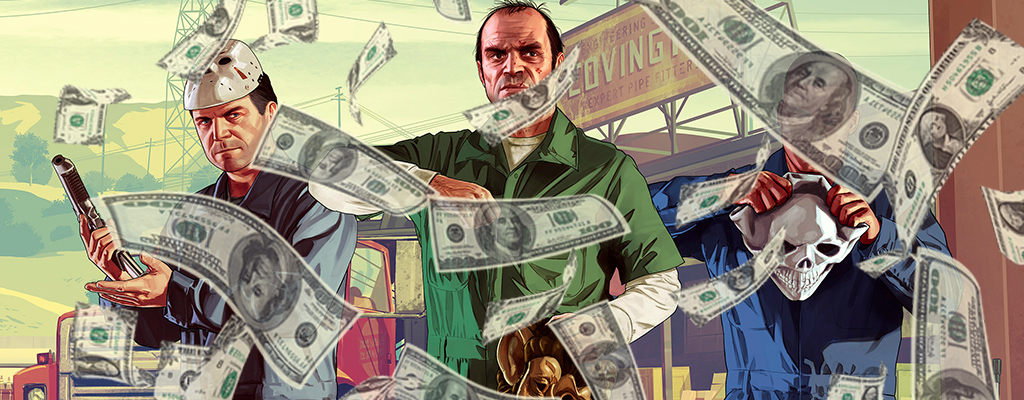
Therefore, experts thought that other studios would also jump on this trend. They were completely correct – almost every major publisher has shifted towards games-as-service in recent years and praises this wise decision:
- Take-Two sees itself as a pioneer with GTA Online.
- Ubisoft praises itself highly for having made the transition with The Division and Rainbow Six Siege so early.
- Electronic Arts wants to make every shooter the new FIFA.
- Activision is satisfied with titles like World of Warcraft, Overwatch, or Call of Duty, which it is slowly transforming toward service games.
This “live game” model also fits Anthem from BioWare. Although it was already in development for a long time when Destiny was released, it was only presented when everyone was showcasing their “games-as-a-service” titles.
Quickly, Anthem was labeled “science fiction” and “loot shooter.”
Therefore, many suspected that Anthem arose from Electronic Arts’ desire to have its own “Destiny” in the stable, which would generate revenue over the years.
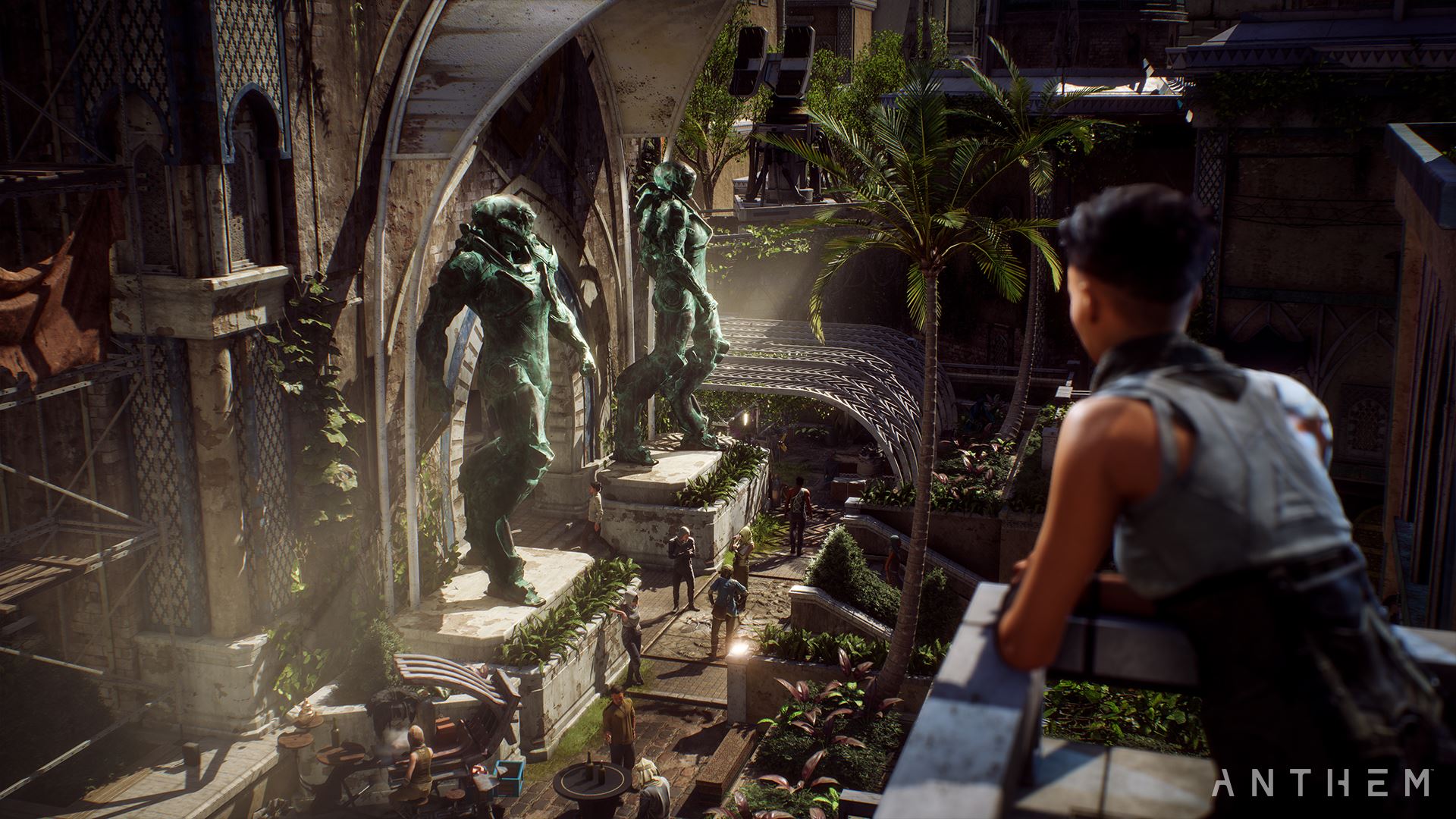
This is the catch to the theory: People tend to overlook that GTA Online and Destiny were just the first “big service” games on the consoles PlayStation and Xbox, establishing a trend that many would follow.
The actual model of “Games as a Service” has existed on PC for about 20 years. MMORPGs like Everquest (1999 – 25 expansions) or other online games like League of Legends (2009 – 134 champions) have always functioned according to this service model.
What was new in 2013 was that now large action blockbuster titles in the mainstream for PlayStation and Xbox One also utilized this model.
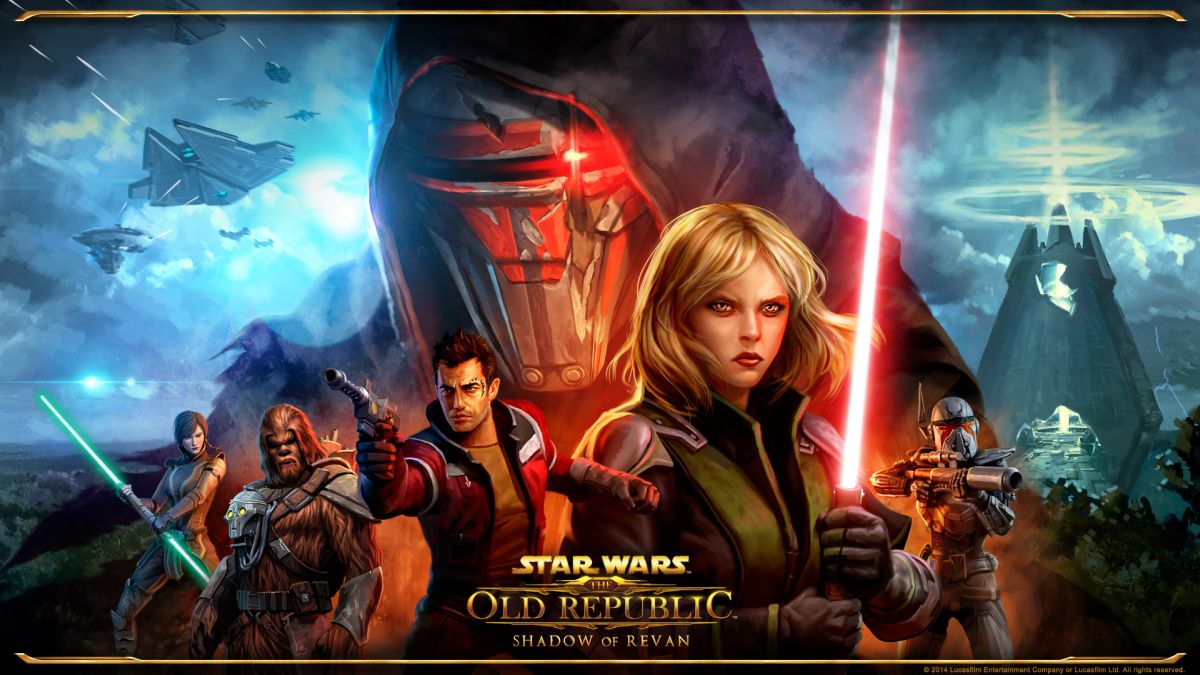
These are the roots of Anthem: BioWare began developing Anthem in 2012. The gaming market at that time was completely different from today.
Back then, MMORPGs were still trending. An online role-playing game that started at that time was Star Wars: The Old Republic, BioWare’s own MMORPG, although from a different department.
Star Wars: The Old Republic was released in December 2011 and was considered a huge attack on the market leader World of Warcraft.
When I play Anthem today, I feel Anthem has its roots in that time and in this genre.
It’s as if BioWare thought in 2012 about what an MMORPG would look like 5 years or more in the future. Therefore, I see the roots of Anthem not only in Destiny, but more in the MMORPGs from the time when Anthem was developed.
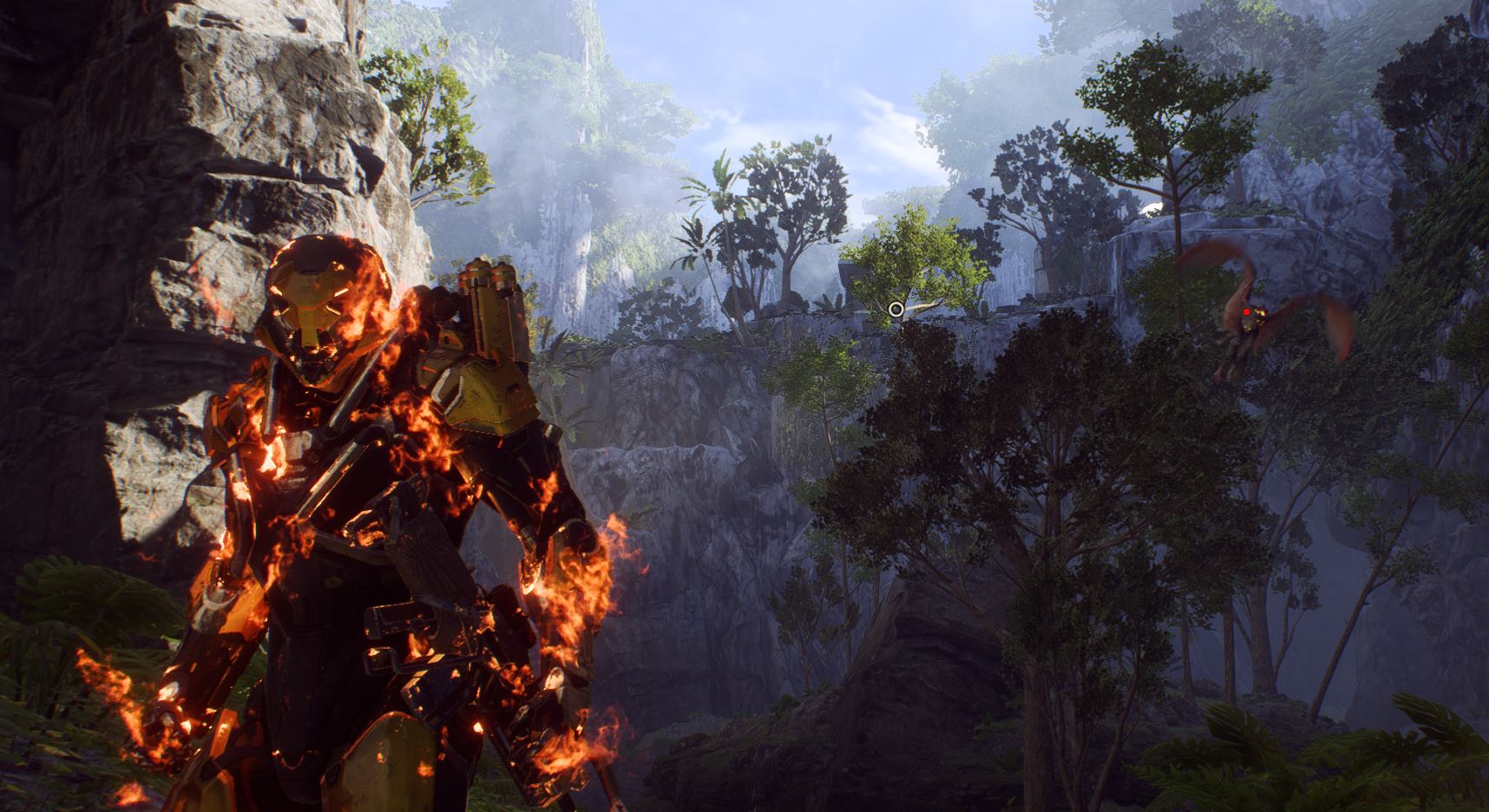
The features of BioWare fit a more advanced MMORPG:
- Automated matchmaking – So players are always in a group without the need to find friends. This is what people love about MMORPGs, as WoW has proven.
- So far No PvP – is a balance nightmare that has also not been well received by many MMORPGs that are played primarily for PvE.
- Focus on story like in a single-player RPG – a good thing also for SWTOR.
- Action-packed combat – one of the major criticisms of SWTOR was that the combat system did not fit the setting. People did not want to just talk like a Jedi but also fight like one.
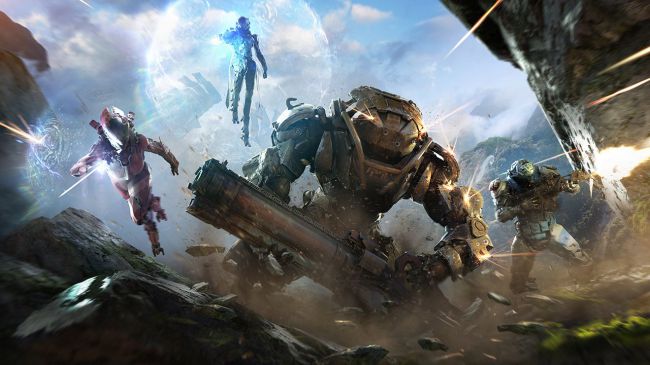
- Fewer massive players – to ensure performance and enhance the appearance of the game.
- Flying – as a special form of moving through a world. People were crazy about this in games like WoW or Aion.
- Adjustable difficulty levels – to utilize the same content multiple times. This was established by WoW and is a standard in many MMORPGs.
- Fulfilling power fantasy – a very important part of MMORPGs. Anthem started with the idea of making players “superheroes.”This is an AI-powered translation. Some inaccuracies might exist.

Your opinion is important to us!
Do you like the article? Then let us know!