Microtransactions have now firmly established themselves in the gaming industry, especially in online games. But how did the purchases of in-game items actually come about?
Especially Free2Play and mobile games are often full of microtransactions. After all, the development and operation of MMORPGs, for example, costs quite a bit of money. Therefore, it is not possible to offer these games completely for free. To reach as many potential customers as possible, entry is free. Usually, players can experience the entire content without having to pay a cent.
However, the developers entice gamers to purchase in-game items like costumes, weapons, or furniture for houses, as well as EXP boost potions and other items that simply looked cooler than what could be found in the game or provided certain conveniences or time savings.
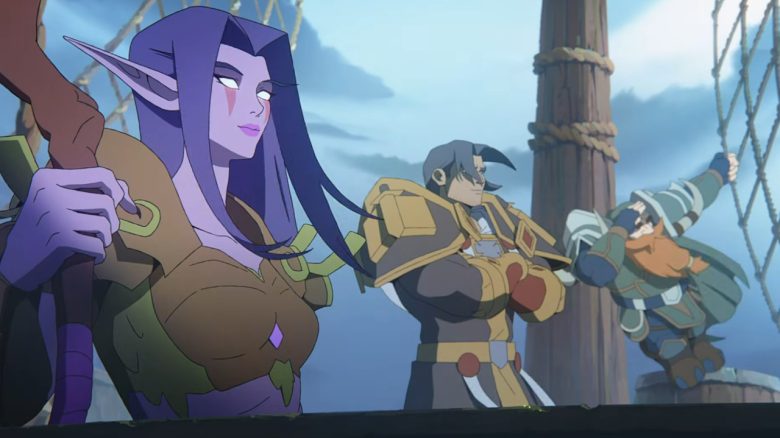
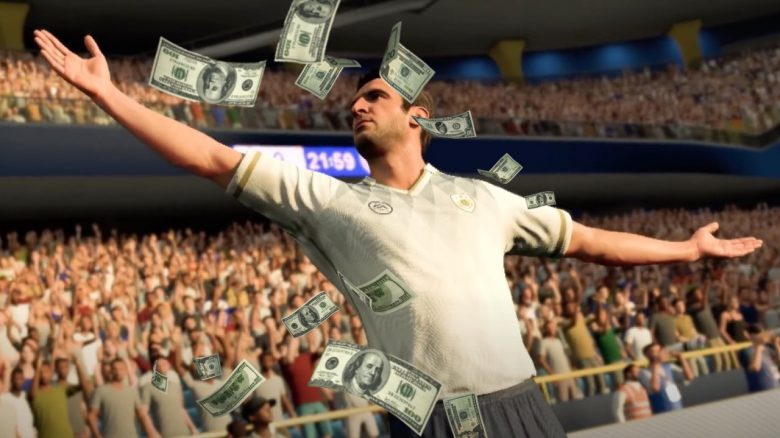
Even paid games like FIFA 21 or subscription titles like World of Warcraft now offer in-game shops with additional, optional items – including special mounts or characters for the game. The acquisition of such items has simply become established.

But how did these microtransactions come about?
Did it all start with a horse? The horse armor from The Elder Scrolls 4: Oblivion is commonly regarded as the beginning of microtransactions. Upon release in 2006, Bethesda offered a special armor for the horse in the game. It cost $2.50. Players were outraged. After all, they had purchased the RPG at full price and were now supposed to pay extra for the armor of a horse? For some, $2.50 was definitely too high a price for such an item.
TES 4: Oblivion brought microtransactions into discussion. However, it was not the first game to allow the purchase of in-game items for real money. Before, the broad mass of gamers – especially in Europe and the USA – simply had not been aware of these purchases.
This is how it started: In 1990, the arcade game Double Dragon 3: The Rosetta Stone was released in arcades. In this arcade game, players could buy upgrades, lives, weapons, new characters, additional special moves, and more by putting extra money into the machine.
However, players were not particularly enthusiastic about this back then.
In 1999, Nexon released the Free2Play game Quiz Quiz, in which players could purchase costumes for their characters or power-ups for mini-games for real money. The system was quickly embraced in South Korea, which is why Nexon used it for the 2003 release MapleStory as well as other titles like Mabinogi (2004) and Dungeon Fighter Online (2004), one of the most successful games in the world.
The already released 2001 social networking game Habbo Hotel also offered users the option to purchase furniture for real money, which players could then place in their virtual apartments to decorate them.
In 2003, the MMO Second Life started with a virtual economy through which players can still buy and sell items today. This includes clothing, for example, to distinguish themselves from other people in the MMO and show off what cool things they could afford.
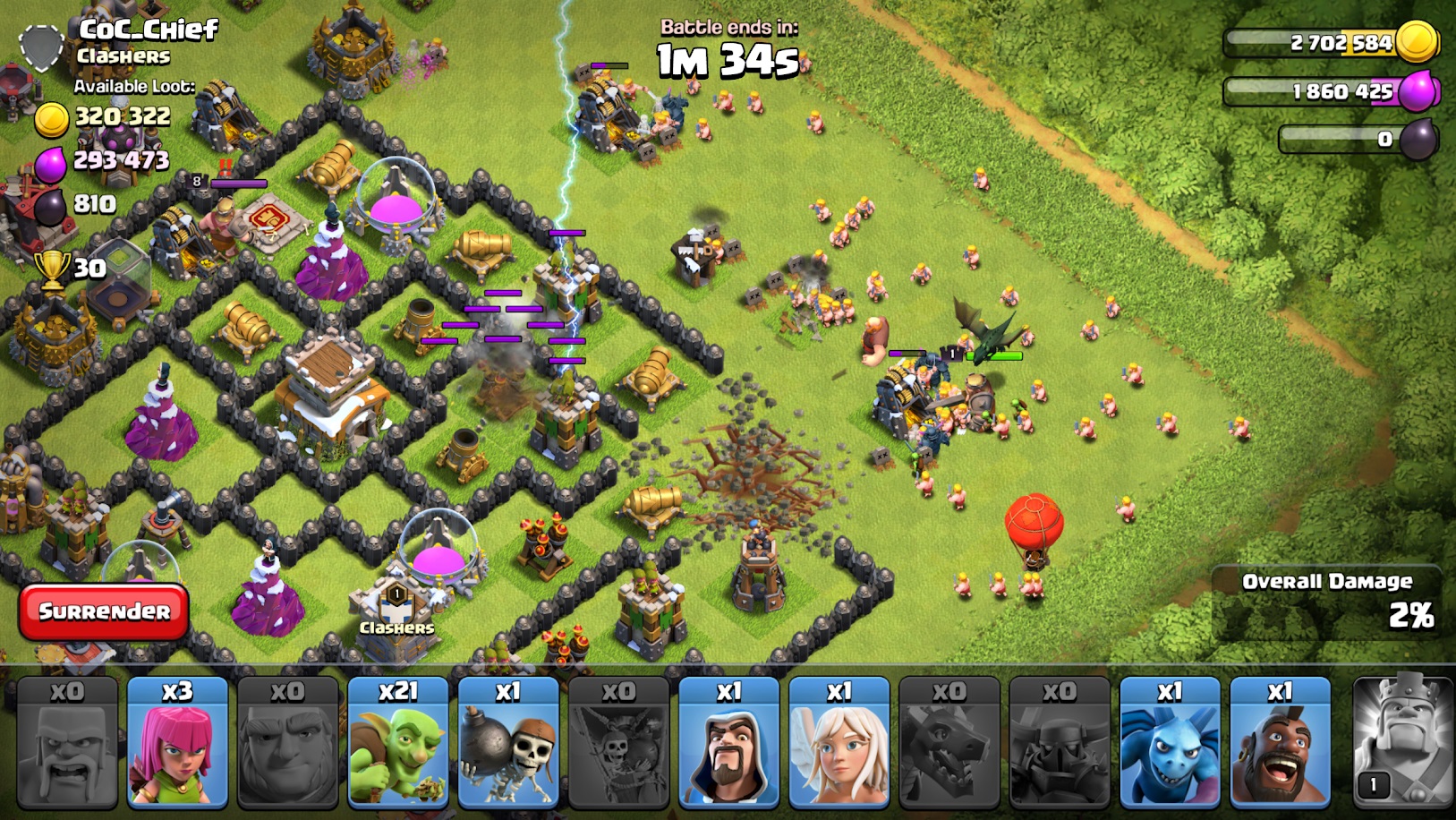
How is it with mobile games? In 2008, Apple’s App Store launched and offered mobile games. These relied directly on microtransactions as their main source of income. It quickly became clear that Buy2Play titles did not do well, especially if their price was in the double digits.
Free2Play mobile games with optional microtransactions were accepted, however. In the first 3 years after the store’s launch, Apple generated revenues of over $3.6 billion. 80% of that came from mobile games (via TechCrunch/Apple).
The success that companies like Apple had with the sale of in-game items encouraged more and more developers and publishers to come up with similar monetization methods for their games. This led to the emergence of sales of skins, loot boxes, and the freemium model, where the games are generally free but additional content costs money.
Microtransactions have existed for a long time; it just took a while for players to really notice them. They are now an integral part of the gaming industry and will likely remain so.
Want to learn more about the beginnings of video games? We will tell you, for example, what the first MMORPG was.