Looking at today’s MMORPG market, one might think that the genre is not as popular as it once was. But what do MMOs need to be successful again?
This question is not easy to answer and there are surely many different approaches. Today, we will pick one: Quests and their impact on the game world. Quests in most MMORPGs run similarly and often follow the same pattern. Every player talks to the same NPC and gets the same quest. The princess has been kidnapped by the dragon, who wants to lay the village to waste. One is supposed to go and rescue the princess and kill the dragon.
Everyone does the same thing and nothing has real consequences
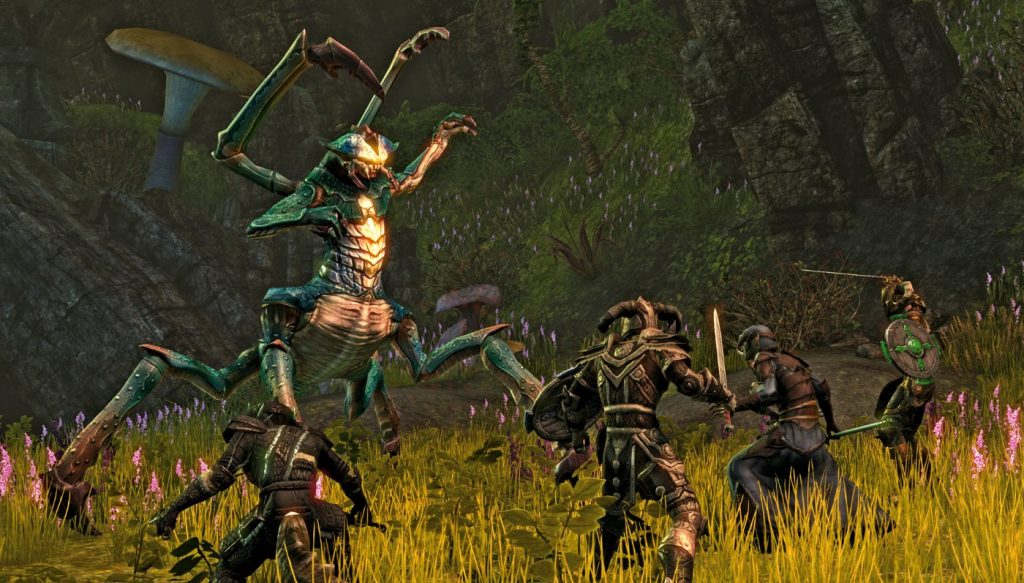
Now, in most MMORPGs, the dragon respawns repeatedly, and the princess can never be rescued because she is kidnapped again and again. The village is never safe either. As a player, you do not get the feeling that you have really achieved or changed anything. Furthermore, player A tells player B that he has rescued the princess, even though player B has already done so. Quests, therefore, have no consequences. The world does not change. Everything stays the same.
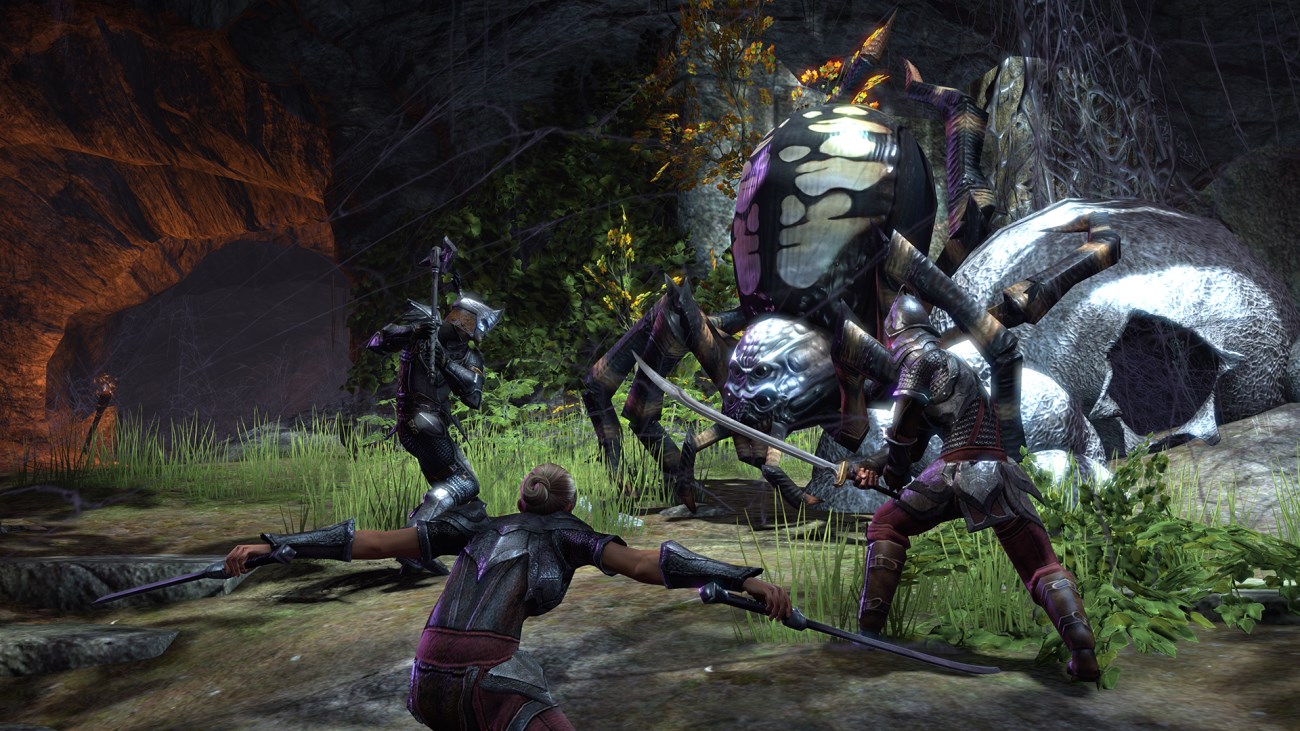
There are exceptions like The Elder Scrolls Online, which can show impacts and consequences through its phasing system. Player A kills the dragon and rescues the princess, after which she appears in the city and thanks the hero. Player B does not rescue her, the dragon escapes and destroys the city, which is therefore destroyed for player B. However, player A and player B will never meet, as they are in different phases, which in turn disrupts the social aspect of an MMORPG.
The approach of Wasteland 3
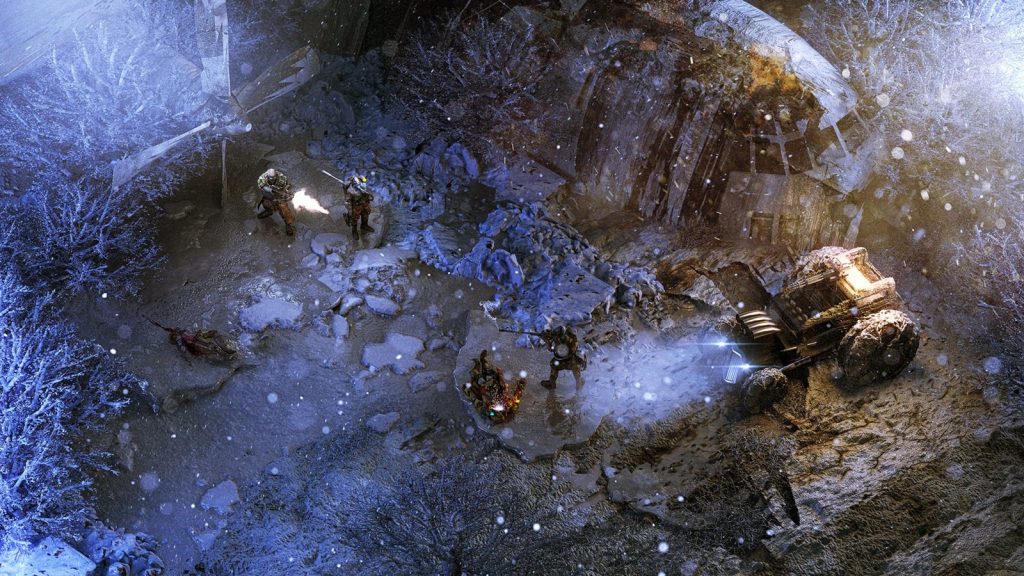
The recently announced MMORPG Wasteland 3 is not an MMORPG, but offers a highly interesting approach regarding quests and their impacts in multiplayer mode. Players can either cooperate and complete quests together or go their separate ways. Player A then completes quests in one area and player B in another. Player A can no longer do the quests that player B has already completed, and vice versa. However, both see the consequences of what the other has done. Perhaps player A is responsible for the destruction of a village, and player B is blamed for it.
For really important quests that advance the story, both must work together again. This way of presenting quests in a multiplayer game gives players the feeling of being able to achieve and change something, and one notices that the actions of the other player also have impacts on the world. A problem here is that this is difficult to implement in an MMORPG and a persistent world. Because due to the number of players, the quests would soon be exhausted, and especially newcomers would have nothing left to do.
Quests should have significance
Perhaps story-relevant quests and side missions that impact the game world and its inhabitants should be removed from the persistent world and only take place in group instances. After completing the story, one finds oneself in the sandbox world and can interact with many other players. In any case, there should be some movement regarding quests and visible consequences in MMORPGs. It has become unsatisfactory for many players when their actions have no impact on the world and everyone completes the exact same quests.