MMO – Massively Multiplayer Online Game. Our site is called “My MMO,” so we should know what MMO truly is and what it is not anymore. But that’s not so easy. We keep hearing complaints: Warframe is not an MMO and SWOTR hasn’t been one since the latest expansions, and LoL is certainly not.
Today we want to look at why it is so hard to define an MMO.
With the largest MMO, the MMO died
When I was young and innocent, MMOs were still MMOs. They were multiplayer games, you were always online, and there were masses of players simultaneously in-game and on-screen.
So Massively, Multiplayer, and Online – Check, check, and check. Three ticks in the box, the world was fine.
200 against 300 in PvP
I played Dark Age of Camelot back then. It wasn’t the first MMO nor the most important, but it was mine. Before that, there was Everquest and Ultima Online. There were already MMOs before those, but I started with Dark Age of Camelot.
In PvP there, the three different realms brought as many players to battle as they could muster. Fights of 200 against 300 men were quite normal. Maybe the third realm brought another 50 men, and they were crushed. When that happened, we called it “Tuesday.” The PvP of DAOC was “open” – there were no number restrictions.
It was unfair, it was laggy, and chaotic. It was an MMO.
In PvE there were three huge dragons – one for each realm. The dragon in our realm could not be killed for a long time. He was simply too strong. Then, everyone in the realm came together on our server to take him down with hundreds of people. 200, 300 heroes brought the beast down purely through overwhelming numbers. It was a huge lag, the server was about to crash, and then the dragon was dead and the celebration was grand: Our realm was the first worldwide to take him down.
This video, by the way, does not show our dragon, but a French one, but the principle is the same – everyone on it.
Recommended editorial content
At this point you will find external content from YouTube that complements the article.
I consent to external content being displayed to me. Personal data can be transmitted to third party platforms.
Read more about our privacy policy.
Even the PvE was laggy and chaotic. It wasn’t about strategy or skill or perfect execution, but purely about the mass. It was an MMO. There were truly “masses” of people simultaneously on the screen and involved in the action.
But that was over 15 years ago. DAOC was a niche title back then, and the whole MMO genre was too. Because even if many nostalgics tell otherwise: That never really worked in this “anarchy.”
World of Warcraft tamed the MMO and abolished it
When World of Warcraft became successful later, it was also because Blizzard limited this “anarchy.” Blizzard tamed and restricted the “Massively” in MMO. For that, some still resent them today.
Now you could no longer fight a boss with “as many people as possible,” but groups were limited to 5, 10, 20, or 40 players. PvP was the same. The realms could no longer “bring as many players as there were,” but both sides had equal numbers of players in the battlegrounds.
In addition, there was no longer “one single” world, but the world was divided into “instances”, into small segments. The WoW player no longer dealt with the entire realm and the 2000 players of his faction, but only with his guild. Admittedly, this concept was not invented by WoW, but it was established.
Although you could still meet many players in WoW, you couldn’t really do anything like that. Except for raiding enemy capitals. What was normal in DAOC, on Tuesday, became an extraordinary event in WoW: a capital raid.
WoW turns the MMORPG into the lobby RPG
All relevant things in WoW: arena fights, raids, battlegrounds, even the “normal” instances could be done with a small group of people. That was essentially the end of the first “M”, the end of “Massively” in the MMO term. There was no longer an “open world,” but only a lobby from where you could disappear into individual instances, into small rooms.
WoW had become from MMORPG to lobby RPG.
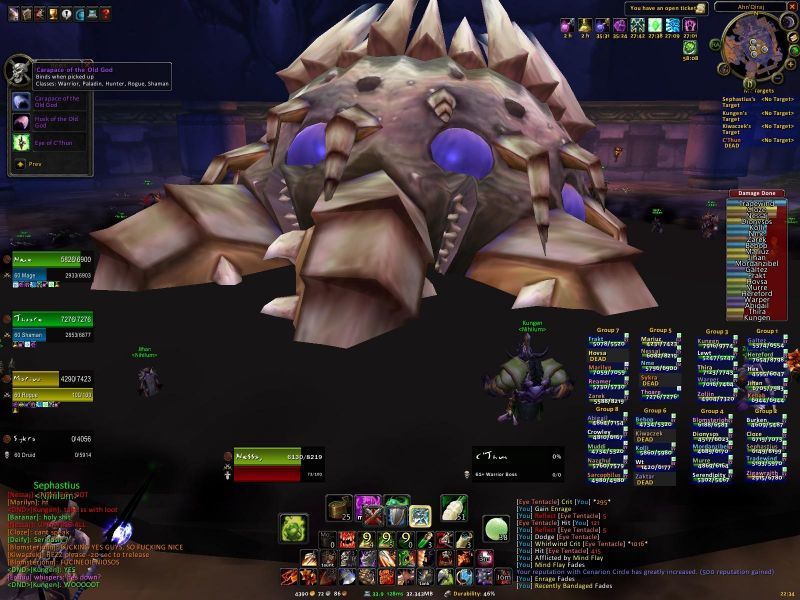
Nihilium World-First C’Thun: April 25, 2006.
Everything was now fair, comparable, and went legitimately. Anyone could fight a raid boss on their server and had the same conditions as guilds on other servers. You no longer needed “the whole realm” to kill a dragon. Your own guild was enough. More simply did not fit into the instance – otherwise it would be unfair to the dragon.
The performance and the graphics of MMOs became much better because of that. Today, you can’t even imagine how “bad” a game would have to look for it to display 200 people simultaneously without completely breaking down.
And in the rooms, there were also boss fights possible that required tactics other than “everyone attack at once”.
How the “Massively” in MMO died
Because WoW was such a success, almost all other “MMOs” copied these ideas. EVE Online solved it differently, still managing to cram these massive player numbers onto one screen, but EVE and games like Planetside 2 were more the exception than the rule.
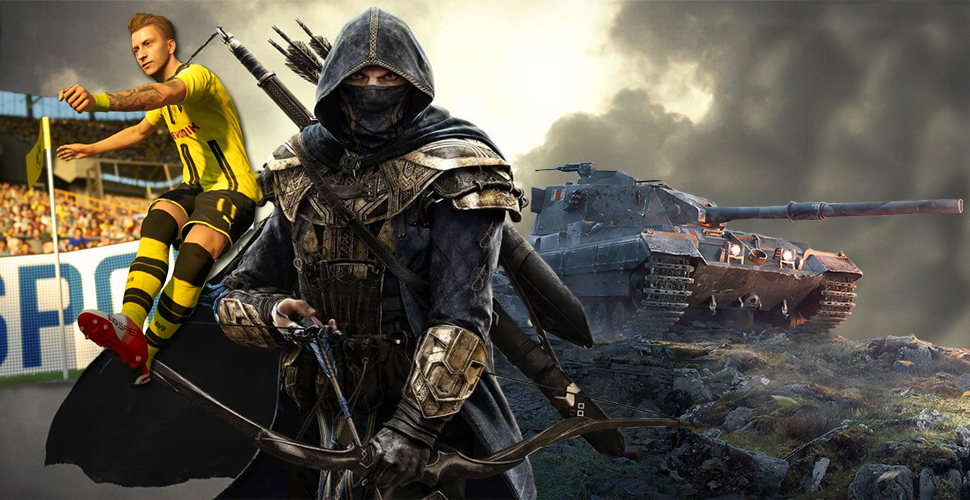
In principle, after WoW, the “Massively” was so diluted that even games originally conceived very differently could now don the label “MMO”. Games like World of Tanks.
MMO as a label for Games as a service
But why should a game like “World of Tanks” call itself MMO? And why do browser games or completely different titles do so? Because they need a label. The term “MMO” was already established through WoW and other games. It was a label that promised something many customers were looking for: A game that is “constantly” being developed. A game that remains relevant and enjoyable for years.
In English, this is termed “Games as a service.” This means: A game is not finished at some point, and you don’t just place the box on the shelf after completing it. Rather, the title continues to be developed, with patches, expansions, updates, and DLCs. The game is “further” maintained by the developer.
For this, the title doesn’t have to be an RPG, no role-playing game at its core, like World of Warcraft, but it can also be an action game like World of Tanks.
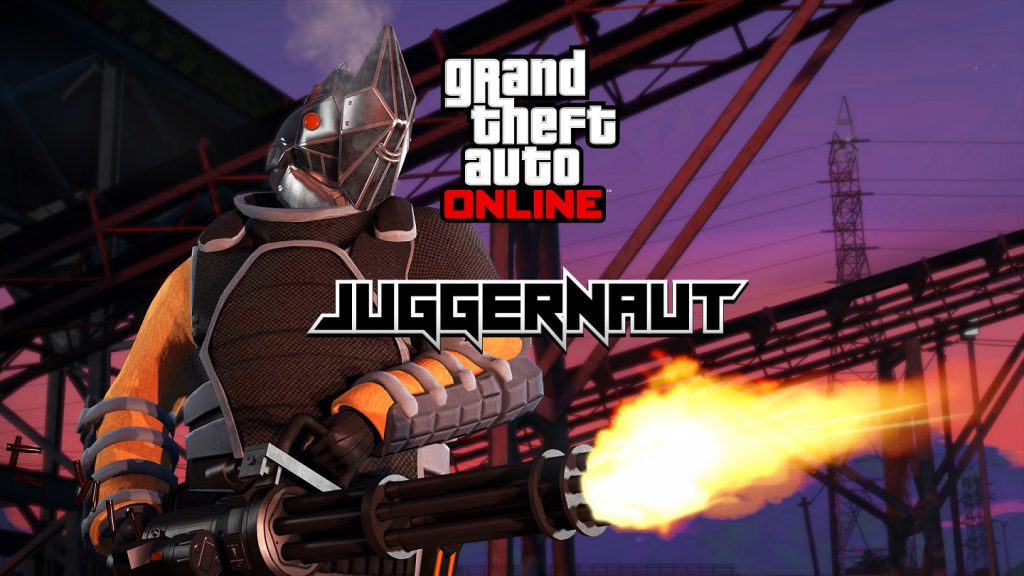
“Shooters with MMO elements” are among the most successful games worldwide
Games like these have been on the rise for several years now. Franchises that were once purely single-player games are now integrating such elements into their DNA because it brings in real money: Such a game earns not only once with the release, but over the years the cash register keeps ringing.
For such titles, there is no commonly accepted label: “Games as a service” is neither clearly understandable, nor established, or particularly appealing. Here “MMO” has essentially taken on this function. MMO has seeped into this gap in language.
Games that rely on such “Games as a service” elements are said to have “MMO elements.”
A multiplayer online game designed to be regularly developed and supported by the developer. That is today, in practice, the definition of “MMO.” And when you look at it this way, even “MOBA” falls under this overarching label and is summarized under it.
I am an MMO because I want to be one
In a perfect world, with the trend toward “instancing” ten years ago and particularly with the ubiquitous “Games as a service” trend of modern times, a suitable term could have been found and established. But the world is simply not perfect.
At its core, it’s always a question for marketing: Do we want this “label” for our game or do we have our own that is stronger?
A World of Tanks wanted the label to assure the target audience: We are deep and evolving. Notice the name of the game – “World of Tanks” is not called that by coincidence, but because it wanted to imply similarity to “World of Warcraft.” Fun fact: World of Tanks holds the Guinness World Record for “the most players simultaneously on one MMO server.”
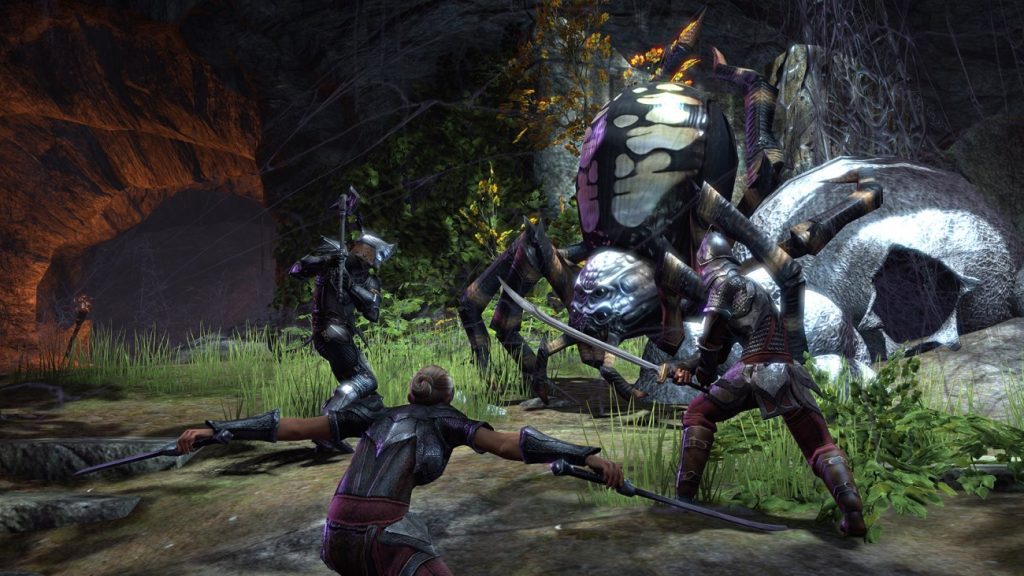
“The Elder Scrolls Online” doesn’t need the MMO term, because the brand “The Elder Scrolls” is so strong that no one asks: And what is this now? People should think of their experiences with “Skyrim” when they hear “The Elder Scrolls Online.” The term “Online” has long stood for “We are the MMO version of a well-known brand” – Star Trek Online, Final Fantasy XIV Online.
Some browser titles without a strong name wish to shine a little through the MMO label.
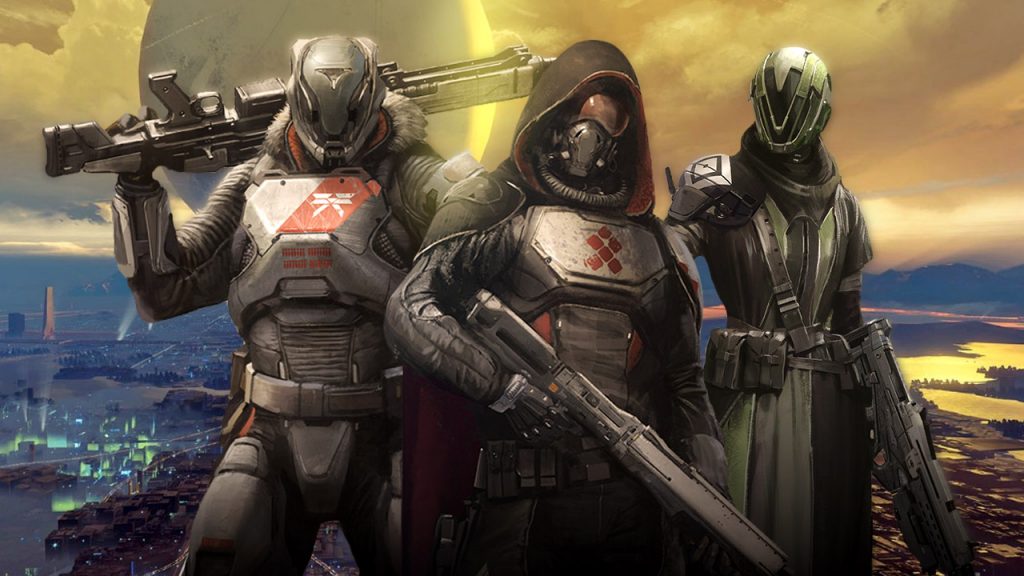
A game like Destiny fears that the term “MMO” would remind them of WoW and thus scare off Halo fans. Therefore, Destiny prefers to be known as a “co-op shooter” or shared-world shooter. The main thing is that “shooter” is at the forefront of the label.
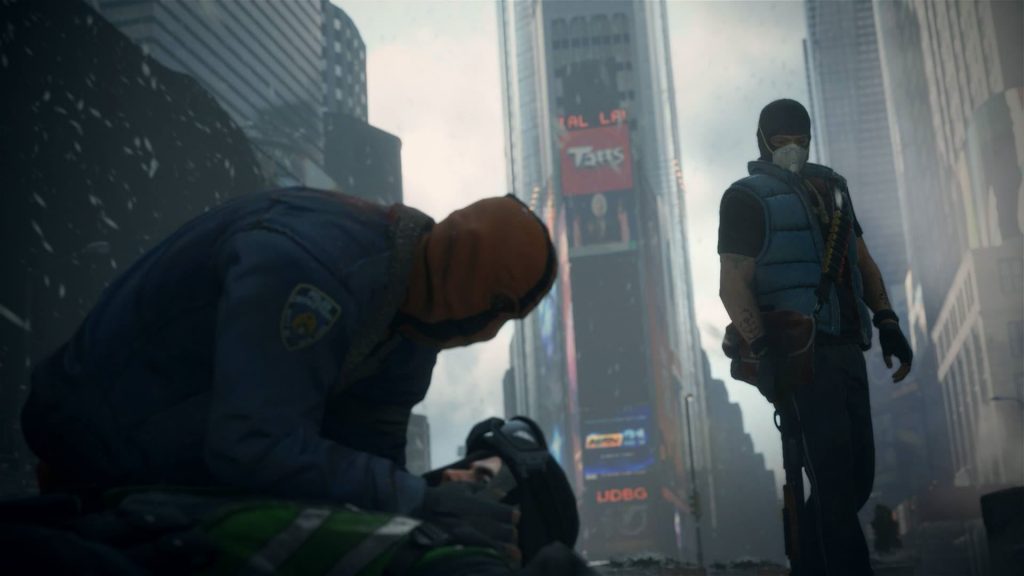
A “The Division” is not called “The Division Online” or “World of The Division”, but decorates itself elegantly with “Tom Clancy’s The Division,” emphasizes the shooter roots and the franchise name, the good pedigree. When Ubisoft presented the game, they sought closeness to games like Destiny, because the target group already knew that.
In general, action-oriented titles tend to shy away from the “MMO” term, while RPGs or strategy titles happily embrace it. This has marketing reasons: “MMO” has taken on a connotation of RPG due to the power of MMORPGs like WoW.
If we leave the interpretation power to the developers, we end up with a patchwork. One game calls itself MMO, the next with exactly the same characteristics prefers not to. We have seen this with MOBA, where LoL grabbed the genre label and the others now don’t want it because with MOBA everyone thinks of LoL and not of them.
That’s why it’s so difficult to leave it to the developers themselves to decide what to call an MMO and what not to.
In practice, however, the media, industry, and players want a clear label to summarize the various games that share these particular commonalities, even if many games would rather be unique snowflakes.
What is an MMO nowadays? The Games-as-a-service definition
The correct label would actually be “Multiplayer online games that are maintained and developed as Games as a Service products.” But instead of this word monster, in practice today, “MMO” has stepped in.
Because very different games like EVE Online (the purest MMO) or games like Hearthstone or FIFA ultimately share commonalities:
they are multiplayer games, the focus is clearly on multiplayer
theoretically all players are online with each other – it is a “huge” community. Even if everyone is playing in their little rooms, the shared lobby is still vast.
they are regularly renewed by the developer with patches, updates, expansions, DLCs, or even new titles in the franchise, making them relevant from the start.
Due to these numerous commonalities, it makes sense to summarize this type of game under an overarching term. The modified overarching term “MMO” introduced by WoW and various subgenres such as MMORPG, MMO shooter, Military MMO, hack-and-slash with MMO elements, or (with one and a half eyes closed) also MOBA and hero shooter serve this purpose.
This way, these games can at least be distinguished from games clearly designed as “single-player titles”, even if they often offer a multiplayer mode.
But certainly: no one will go ahead and want to call games like Hearthstone a “card game MMO” or turn FIFA into a “soccer MMO”. That would go too far. But in a general consideration of the MMO genre, in statistics and research, both titles play a role. They function with the same mechanisms. Statisticians make no distinction between World of Warcraft, World of Tanks, or LoL.
In a perfect world, with the trend toward “instancing” ten years ago and particularly with the ubiquitous “Games as a service” trend of modern times, a suitable term could have been found and established. But the world is simply not perfect.