

For a long time, Destiny 2 was the leader in its genre. Now, it is being challenged by new titles like Anthem and Apex. What does Destiny need to do to remain relevant in the future?
This is the situation: Destiny introduced two new concepts to the gaming world in 2014:
- PvE content like in an MMO – but with shooter gameplay. Players complete missions, dungeons, or even raids together in co-op and collect loot.
- And a world that changes weekly, with new challenges, weekly resets, or vendor Xur. Before, games changed at most every 3 months with a patch or once a year with an expansion. With Destiny, there was something slightly different every week.
For many years, Bungie was a pioneer with Destiny. But currently, Bungie is being challenged by new games.
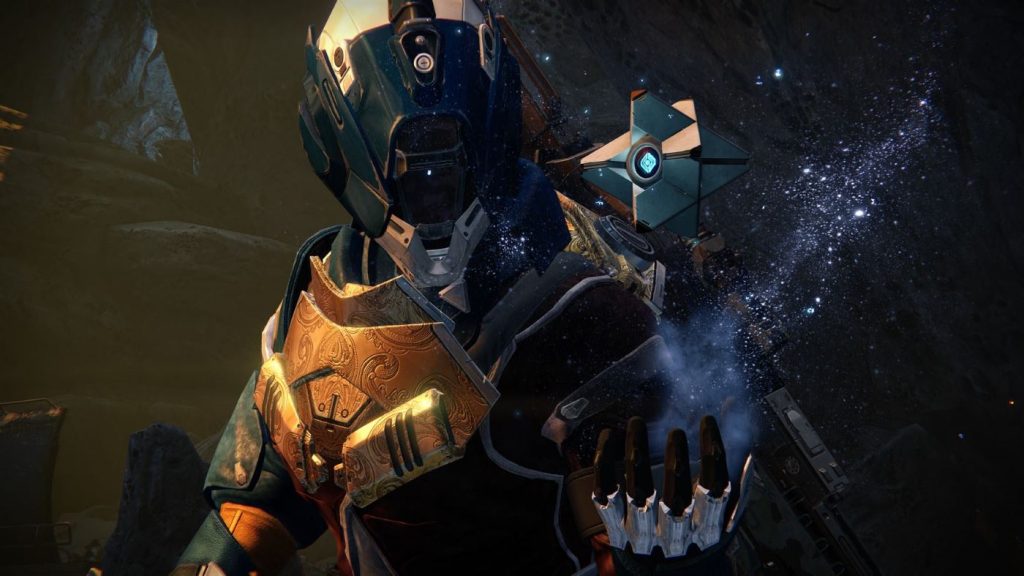
The new shooters do not necessarily resemble Destiny – there are significant differences: Anthem is more of an RPG than a shooter. But all new games rely on the elements that made Destiny great, in one form or another:
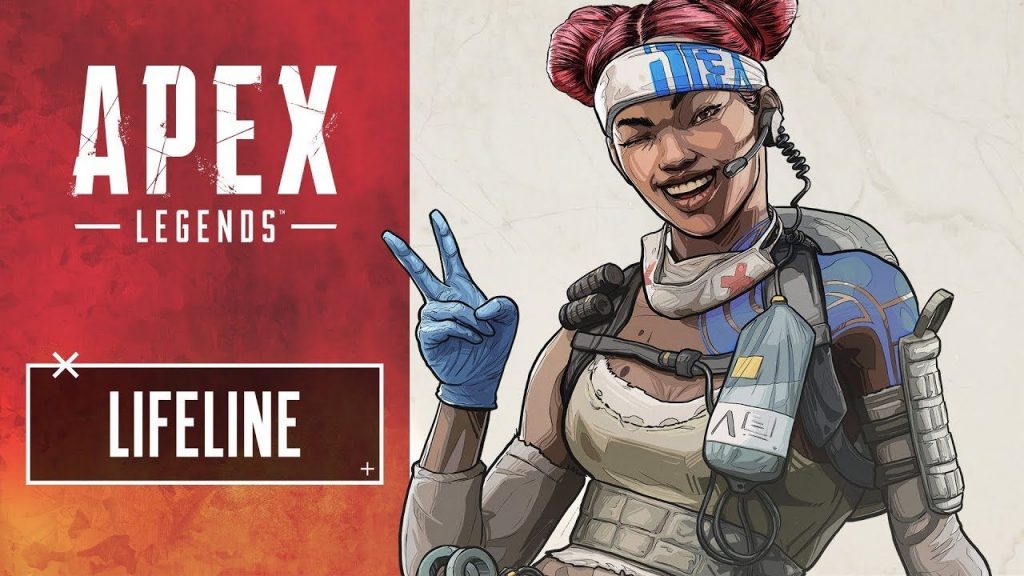
- Titles like Fortnite or now APEX are constantly changing, staying current, patching at a much higher rate than Destiny, and altering the world. There is more often something new.
- Fresh games like Anthem, The Division 2, or even Monster Hunter World promise this PvE experience, doing activities together with friends and collecting loot. And they have an advantage over Destiny: They are fresh.
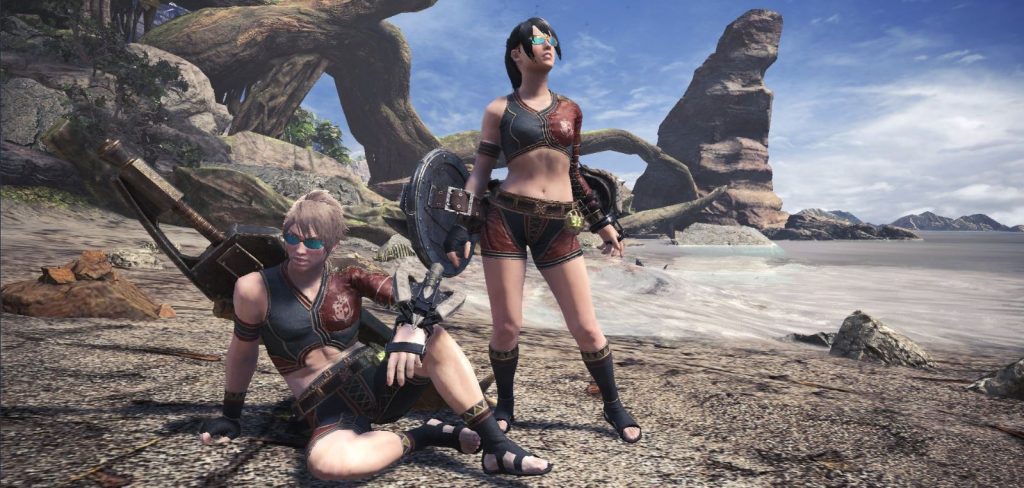
Although Destiny as a brand has a five-year head start, its position as the leader suddenly seems more threatened than ever.
What should Destiny be to remain relevant? Given the current situation, the idea that Destiny can shine as a “PvP game” seems quite hopeless. Bungie has tried this multiple times but ended up breaking more than improving.
In the PvP market, “Free2Play” titles with maximum accessibility like Fortnite or Apex dominate. These games don’t even have to be purchased, and players can jump right in without leveling up or equipping their heroes first. The path to PvP seems to be closed for Destiny now.
If Destiny could have become a “PvP mega-hit”, it would have certainly happened at some point over the past 5 years.
Destiny’s best option is to remain a “PvE shooter” that claims the gap for “co-op and loot shooters”, focuses on team play, and thrives on outstanding gunplay.
In this area, there is no alternative to Destiny. The upcoming rivals differ significantly in gameplay; they are not first-person shooters.
Only a possible Borderlands 3 could go in that direction if Gearbox manages to create something this decade.
This is Destiny’s main problem: We can talk for a long time about the difficulties in Destiny, about little mistakes and things that urgently need improvement. Players have been doing that for years.
There is discussion about PvP balance, the way Bungie communicates, or the lack of dedicated servers.
And of course, a certain fatigue has set in. Players have known Destiny for 5 years, know how Bungie works, have heard many phrases often, recognize the developers, and yearn for something new and fresh.
The real core problem that underlies all other difficulties is: the lack of content.

This has been the central problem from the start: Destiny gives players the feeling that the world could be vast and that new adventures could await around every corner, but these adventures are long overdue.
Even all Bungie’s clever systems, like the resets, need regular new content. Without new exotic weapons, Xur is just a guy with tentacles on his face.
In principle, Destiny has lived for 5 years by promising players more than is actually there.

From the players’ perspective, an expansion the size of “The Taken King” or “Forsaken” could be released every 3 months, and they would consume it with joy. A new strike every 2 weeks, a fresh raid every 4 weeks, occasional surprise events, new quest lines, and fresh exotics – all of this players would eagerly enjoy.
How eager players are for variety is evident in how a “spontaneous quest” about the “Whispers of the Worm” suddenly thrilled everyone.
However, highlights like Forsaken only come once every 12 months, and in between, there is usually little going on.
Bungie attempts to bridge the long content droughts between the “highlights” with tricks, time-gates, grinding, and recycling, but so far that has not been enough. This “replacement content” looks increasingly weak now that there is strong, fresh competition or games that seem much more vibrant.

How has Bungie tried to solve this problem so far? When Bungie started in 2014, the solution for the lack of content was: “We simply have massive dimensions.” There were images of gigantic office buildings. Bungie was said to employ hundreds of people.
At that time, it was said, Bungie had bought a “multiplex cinema” and converted it into a giant office to accommodate numerous developers.
It quickly became clear: Even if there were hundreds of developers, it was still too few. The prepared content supply was exhausted by September 2015, and then nothing came.

Early on, internal restructuring into different teams began. While some crews worked on “new things”, others were supposed to support the ongoing game with smaller updates (the live team). But this led to “permanently recycled content” that dampened morale.
By 2017, a solution seemed to be found. The significant investor Activision sent its own studios to Destiny to work on content. This resulted in Forsaken and the current “season pass content”, which offered an improved status quo that still seems insufficient.

This is why it has gone wrong so far: There are at least three major problems:
- Bungie’s engine is reportedly very complex, and creating content with it is time-consuming – this was reported by the US site Kotaku, citing “internal sources”.
- Then Bungie made “reboots” twice before Destiny 1 and Destiny 2, seemingly throwing away months of work because management was dissatisfied with the direction.
- And the option with the “support studios”, which seemed to work now, fell apart when Bungie separated from Activision.
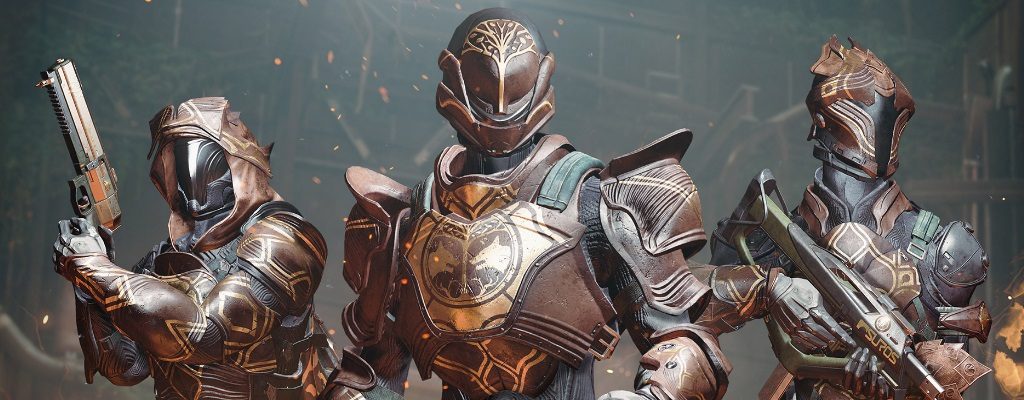
This is why the content problem is so hard to solve: Developing “good content” for PvE is fundamentally time-consuming and costly. You need countless people with various skills to create this content: designers, graphic artists, programmers, and many more.
Players will always consume content faster than it can be produced.

The engine will not be easily changeable for Bungie – this is thus a “fixed problem” that will only change with a possible Destiny 3 and the transition to the new console generation.
It is also challenging to expand teams arbitrarily. Because the actual programmers working on the code are highly sought after. Not only gaming companies want them, but also other tech companies like Google, Apple, virtual reality companies, or app developers.
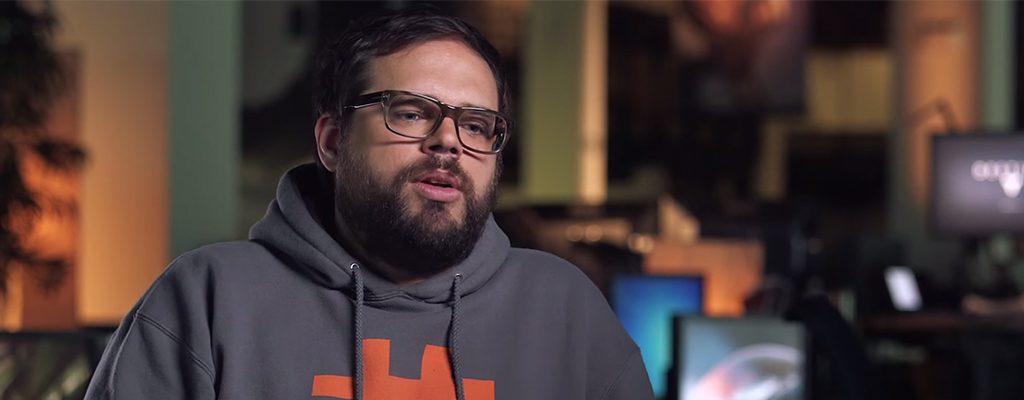
While designers can also be newcomers, enthusiastic players like Luke Smith who become developers, the coders are a limited resource.
One problem, however, is easy to solve: If there is a clear direction for Destiny, reboots should hopefully no longer be necessary.
These reboots significantly shorten the development time of a title: from the planned 4 years to only 18 months. You can tell from the lack of time. Already with Destiny 2, the pure lack of time and thus content was likely the root of all evil.
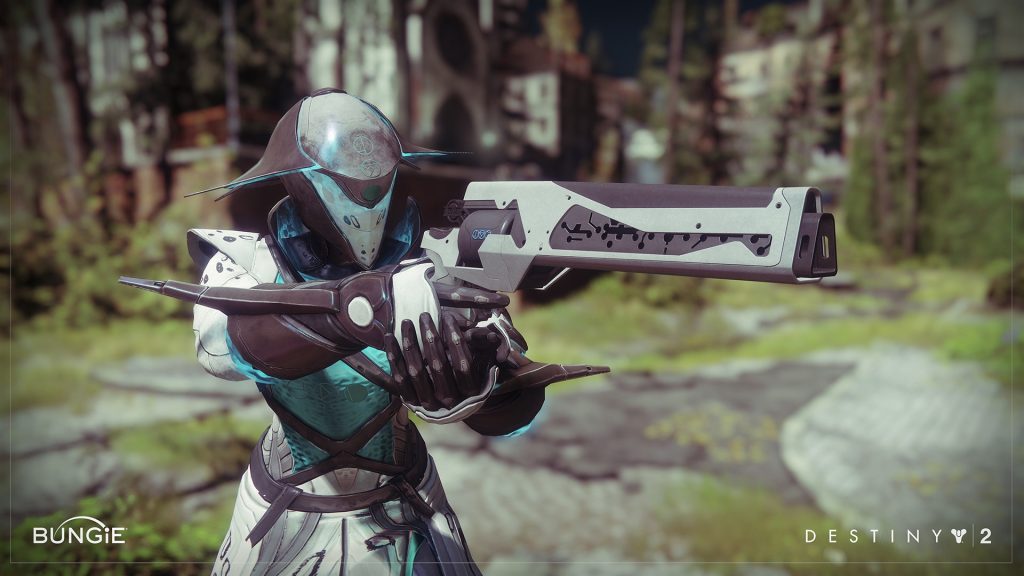
This is what Bungie needs to do with Destiny: Ultimately, the only correct path for Bungie will be to find a solution for the content problem.
All other options, like adding more time-gates or more recycling, would just be a facade to cover up the fundamental problem. Bungie would have to align itself to release substantial new content at a pace that keeps the game fresh and alive.
If Destiny wants to shine as a “co-op PvE shooter”, new content updates like Forsaken or The Taken King need to be released regularly.
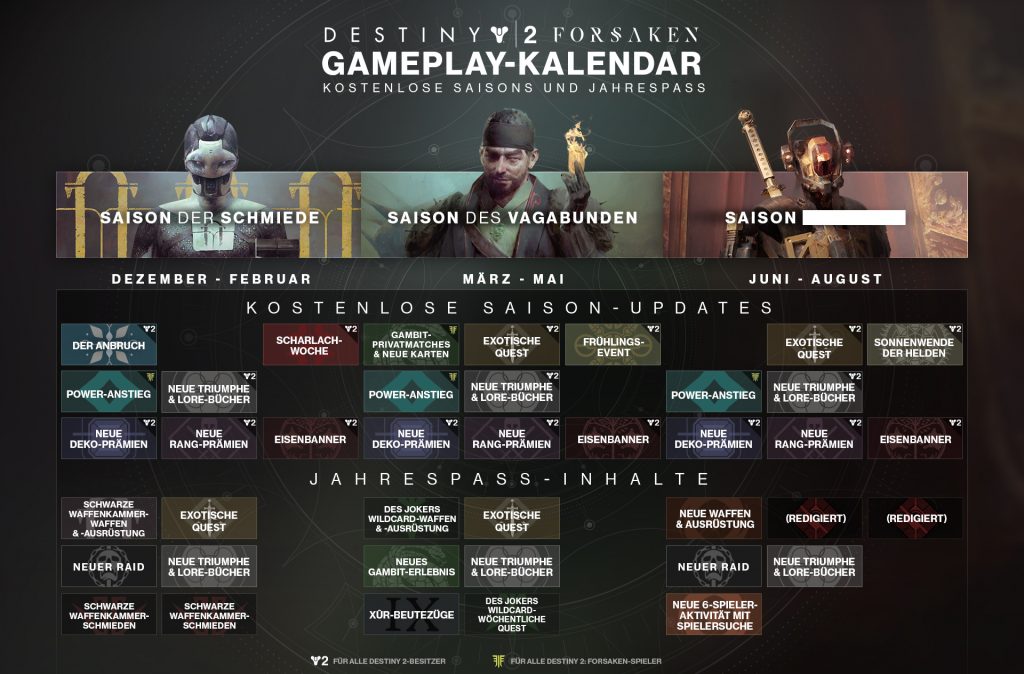
Bungie’s attempt to resolve this solely through “mini-DLCs” and to keep players “somehow” engaged with endless grinding won’t be enough to keep the game relevant in the long run.
Bungie has had 5 years to solve the content shortage problem. The pressure has increased and will continue to rise in the coming months and years.
For more on the topic, we will be having a live talk tonight: