Roguelike is one of the gaming genres established by a defining game. Here’s how it came to be and how the genre has evolved.
Where does the genre name come from? The namesake of the genre first appeared in 1980 for Unix-based systems. The game was called “Rogue: Exploring the Dungeons of Doom” or simply Rogue and was a dungeon crawler.
Players had to fight through several procedurally generated levels of a dungeon and find the Amulet of Yendor, which was hidden in the deepest level. Along the way, they collected treasures with useful items, the purposes of which changed each game, and monsters that appeared in different locations each time.
In the 1980s, the game gained great popularity among students and PC enthusiasts and led to a number of original creations such as Hack or Moria, which together with Rogue established the genre.
How is a “roguelike” defined? While today many games contain individual elements of Rogue, they are by no means considered proper representatives of the genre. In 2008, the “Berlin Interpretation” was established for roguelikes, providing a more “traditional” definition.
According to this definition, such a game must possess the “high value” aspects that were aggregated from the original genre-defining games. These include:
- Procedurally generated dungeons (single fixed hubs such as starting areas are okay)
- Permadeath, death is final and cannot be undone
- Turn-based combat system
- Hack’n’slash gameplay that consists solely of combat, with no option for a peaceful outcome
- Each action/interaction must be available to the player throughout the game
- The goals within the game must be achievable through different approaches and strategies (for example: you can break down a closed door or pick the lock)
- The player must manage their items correctly to survive
- The player must explore the maps and discover new items, with progress resetting after each death
In addition to the 8 defining gameplay elements, there are a number of smaller “low value” points. They can be present in the game but are not mandatory.
This includes, for example, the ability to control only a single character or that the dungeons must consist of rooms and corridors.
What is a “rogue-lite” then? Depending on which gaming circles you move in, the definitions for roguelike games can be less strict. Today, the term is generally used for many games that, according to the Berlin definition, actually fall under “rogue-lite”, meaning a “watered-down” version.
Developers have experimented a lot with various genre combinations in recent years, resulting in a whole series of games that are now seen as strong representatives of roguelikes, even though they lack some of the “high value characteristics”:
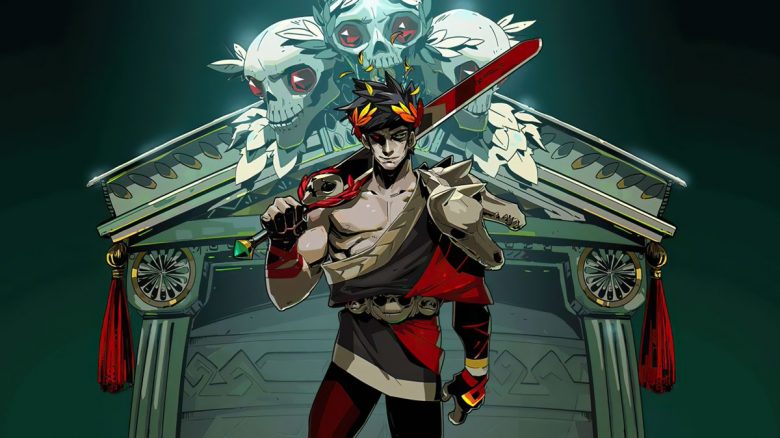
- Games like Binding of Isaac and Hades both do not have turn-based combat systems
- Slay the Spire and Enter the Gungeon are a card game and a shooter, not RPGs
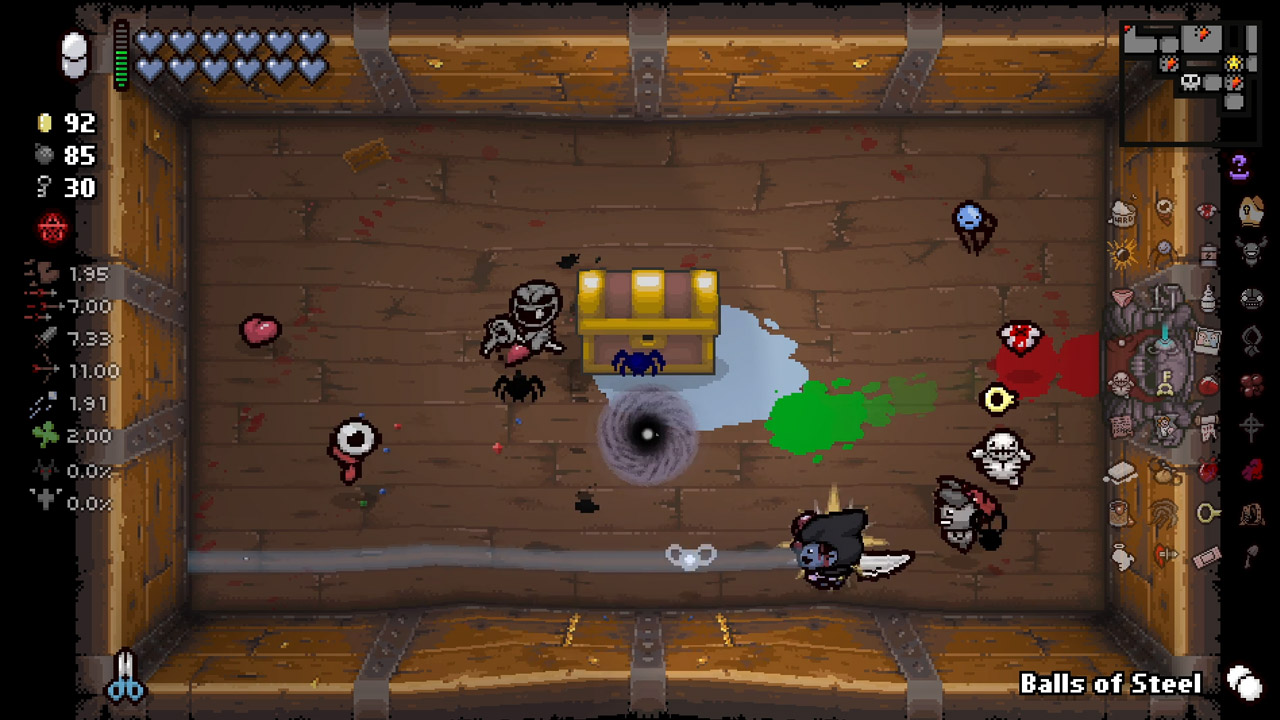
Moreover, the individual rounds within these games are shorter than in traditional roguelikes and their difficulty often lies well below the brutal requirements of the classic representatives of the genre or is adjustable.
Strictly speaking, these games are therefore considered rogue-lite (via Wikipedia), even though they contain core elements such as procedurally generated dungeons, permanent death, and resource management.
Rogue and roguelikes have had such an influence on gaming that their core elements are also used outside the genre, for example in MMORPGs like WoW and FFXIV, where there are individual procedurally generated dungeons.
5 consoles that flopped so hard you probably don’t know all of them