Analyst Mantin Lu deals with what Chinese MMORPGs or other games need to achieve success in the West.
An interesting article by Mantin Lu has been published on Gamastura. He is part of the US branch of the Chinese publisher Seasun and shares insights. In the article, he tries to explain why so few MMORPGs from China are successful in the West, even though the Chinese market itself is thriving. Because, although the games generate a lot of revenue in China, he hasn’t seen one that is also successful in the West.
Localization is much more than just a translation
In the past, people believed: If you want to bring a game from one market to another, you only need a translation. Today, we have come much further: Localization is needed. This also involves art style, game design, and monetization.
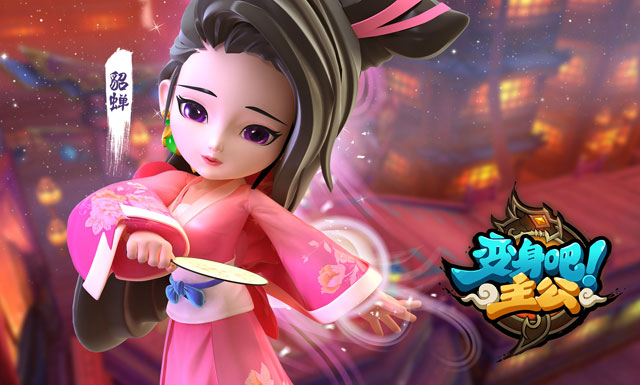
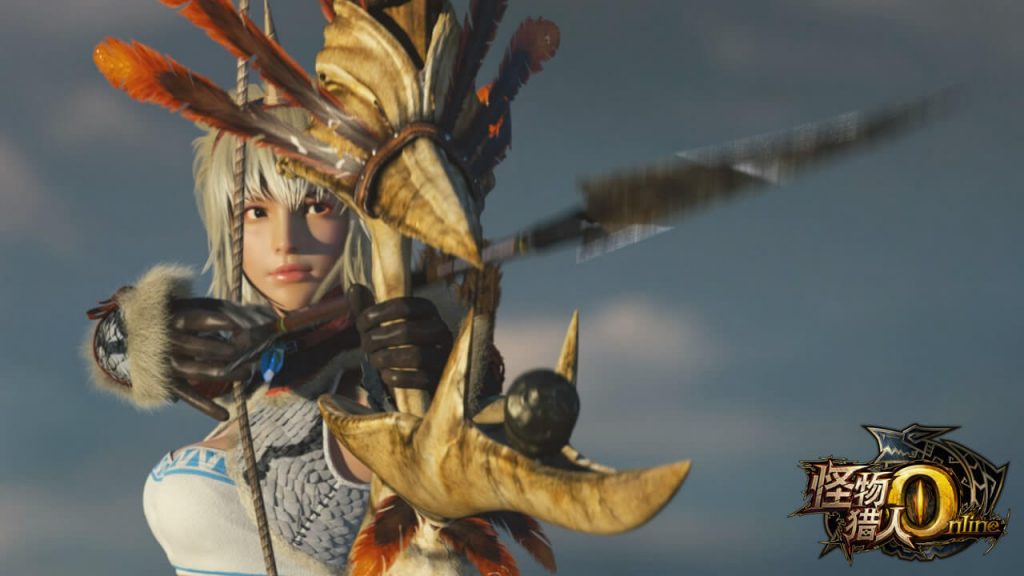
Compared to the West, the art style is quite different in China. The characters have different proportions, facial shapes, and colors are handled differently. The user interface is also different. In China, players are used to complicated and packed interfaces – in the West, players prefer a sleek look.
If Chinese games bring their art style unchanged to the West, it creates a disadvantage for them, Lu believes.
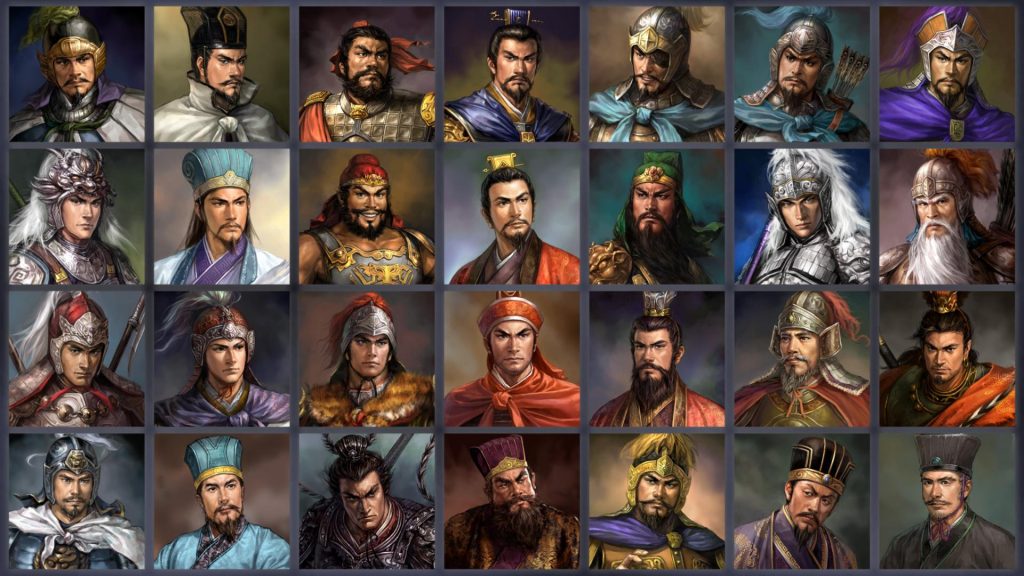
Furthermore, the backgrounds of games are often difficult. In China, the “Romance of the Three Kingdoms” saga is frequently used. This is not known in the West; instead, it is better to use the European Middle Ages as an equivalent.
Chinese players also progress through content significantly faster than the audience in the West. They prefer a faster game pacing. Adjusting this to slow it down for the West requires differentiated and precise changes to gameplay mechanics, including skills, attributes, and rewards. It is often easier to design a completely new game than to adapt an existing, well-functioning game.
For Chinese players, it’s okay to pay to skip a hard level
In China, monetization through a Free2Play model works much better than in the West. Chinese players are used to it and have a high tolerance for Pay2Win, although Lu addresses this critically. Unlike Western players, Chinese players have no problem paying to defeat a boss or skip a difficult level.
In general, it is also difficult to convince the Chinese designers of the necessity to bring their game to the West. They have games that make millions upon millions – and then rethinking for a smaller market is challenging for them. Their mentality tends to be: Make even more money in the Chinese market rather than embark on an uncertain adventure in the West.
Despite all the difficulties, Lu believes it is important for Chinese publishers to make their way to the West. Especially the mobile sector is so competitive in China that additional revenue from the West is welcome. However, as one can read between the lines, Lu prefers the idea that Chinese studios design specific games for the West, also with the help of Western staff or a partner studio, rather than bringing established games over.