

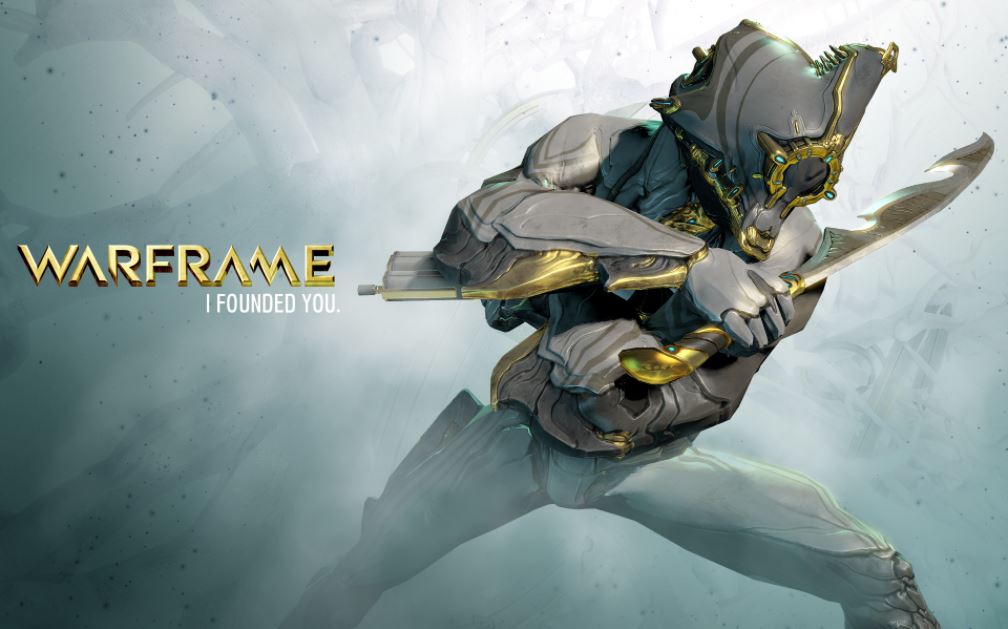
In Warframe, the bond between the developers at Digital Extremes and the community is often praised. The studio is in close contact with the players and is known for addressing their wants and needs. How did this bond come about and what are its consequences?

Warframe achieved some successes in 2017:
- Warframe was among the games with the highest gross revenue on Steam
- In October, Warframe became the second-largest free-to-play game on Steam
Especially the update “Plains of Eidolon” gave the crazy online shooter with the space ninjas a significant boost. The expansion brought the first open-world map and was a reason for many to check out Warframe. Interest in the Destiny-like game noticeably grew in the second half of 2017.
The Community’s Praise for Digital Extremes is Noticeable
Particularly striking in Warframe is the dedication with which players speak about their game in the comments.
The friendly community and the development studio are highlighted. This is remarkable, as players elsewhere often speak harshly about developers and criticize studio decisions sharply.
First Players Stood by Warframe When There Was Nothing Yet
In an interview with the US site Polygon, Warframe’s art director, Geoff Crooks, explained the history of the loot shooter: Crooks believes that Warframe could have been history long ago if it hadn’t been for its founders. The players who embraced Warframe from the very beginning.
The free-to-play title Warframe had a quite difficult start and received mediocre to poor reviews in its early days.
“The Founders Are Really Responsible for Warframe Still Existing Today”
When Warframe started its development in 2013, Digital Extremes quickly realized that they would initially stand alone. At that time, there was nothing but four playable Warframes with different abilities. There was also a small graphic template.
The conventional paths were blocked:
- With this small game snippet, Digital Extremes couldn’t attract any publishers.
- A Kickstarter campaign was out of the question because they had too little to offer.
The Early Unique Features
What Warframe had even back then was a focus on acrobatic movements during combat. There’s a reason why players like to call themselves space ninjas. Warframes whirl around and shoot the helmets off their opponents in a backflip.
The unusual agility of the heroes alone gave the online shooter a unique selling point. Warframe also did some things differently: it was a coop third-person shooter, while the competitors at the time leaned more towards PvP first-person shooters.
Geoff Crooks: “The founders are really responsible for Warframe still existing today. They supported it from the very beginning. They recognized where our path would lead and helped us grow.”
The Founders Supported Warframe Financially and Received Returns
In the first prototype of Warframe, Digital Extremes built in the Founder’s Program, called “Founder’s Program” in English. The players who are referred to as founders today could buy special packages to support Warframe in its early days.
These packages included exclusive items such as Excalibur Prime or in-game badges that show that the player belongs to the founders. The program ran from December 2012 to November 2013.
The first players had this tiny space ninja raiding game and decided to support it. At Digital Extremes, they believe that this step laid the foundation for the bond between the studio and the community today. Because in return, the developers sought close contact with these players in the form of live streams and constant interaction.
The developers say they had no choice but to give these players a lot of attention. Digital Extremes was sure that the future of the game would depend on the small fan base.
The Players Had a Say, Leading to the Current Payment Model
The player base was so small at that time that there were issues gathering a complete group for a 4-player mission. The situation was serious and Digital Extremes was aware of it.
Our article “Warframe had to learn the hard way how free-to-play works.” describes the path Digital Extremes took from the paywall to a fair payment model. At this critical point, players could get to a certain point in Warframe and then had to pay. The small fan base and the early founders were dissatisfied with the payment barriers. Digital Extremes saw the risk of losing the already small player base and removed the paywall.
The players felt understood and were excited that their voices mattered. From then on, Digital Extremes had an unusually loyal fan base behind them. Digital Extremes continued on this path and still works closely with the community, processing every piece of feedback.
This collaboration actually arose from despair on the part of Digital Extremes and the fear of losing the handful of players and thus also Warframe. However, over the years, the close contact with the community became a major pro for the players. Players recommended Warframe to friends because they felt heard and understood by the development studio.
This does not mean, however, that the community approves of everything Digital Extremes does. Especially the expansion “Plains of Eidolon” received sharp criticism from players. The passion of players even makes them particularly stringent critics.
If the Devil Eats Flies in Distress …
The highly praised bond between Digital Extremes and the community thus emerged out of necessity. But it is exactly this necessity that often drives creative and unusual measures.
In the case of Warframe, the community work at the time built on the current zeitgeist of gamers and industry at just the right moment. More and more studios and also media are seeking contact with their community. The community manager is now seen as a normal and important position. Ten years ago, the community manager was rarely found at this extent. This is likely also due to the rise of social media, which allows players to have a faster and more direct contact with developers and publishers.
Even though Digital Extremes hit the zeitgeist somewhat accidentally, they continued on this path and became the community-based studio they are today.
Over the years, Digital Extremes has come up with several community projects. These include:
- Tennobaum – An annual event where players give gifts to other players at Christmas while also donating to a good cause.
- TennoGen – When fans create skins for Warframe, they get paid for it.
- The Guides of the Lotus – These are dedicated veteran players who help newcomers.
Even though Digital Extremes hit the zeitgeist somewhat accidentally, they continued on this path and became the community-based studio they are today.
Over the years, Digital Extremes has come up with several community projects. These include:
- Tennobaum – An annual event where players give gifts to other players at Christmas while also donating to a good cause.
- TennoGen – When fans create skins for Warframe, they get paid for it.
- The Guides of the Lotus – These are dedicated veteran players who help newcomers.

Your opinion is important to us!
Do you like the article? Then let us know!