
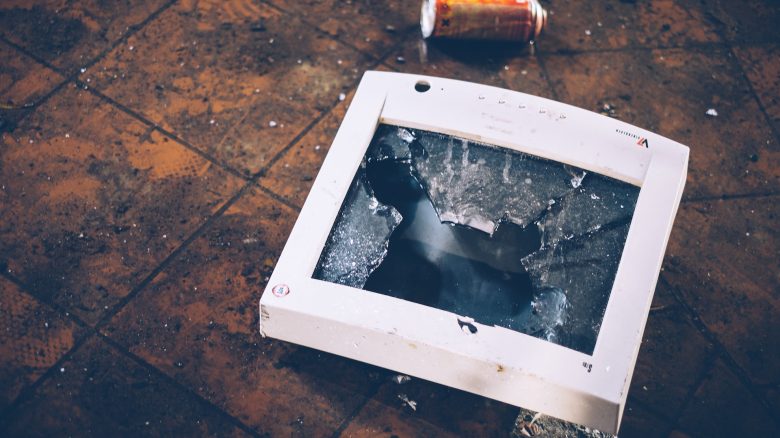
According to Russian media reports, the network specialist Cisco destroyed technical equipment worth 21.3 million euros when it abandoned its site in Russia. A Russian news website claims that the equipment could have been sold.
Where did the news come from? Originally, the news came from the Russian site C-News, referring to information from the state Russian news agency TASS. In the West, the news arrived via “Tom’s Hardware”.
“No Iron for the Russians”
What did the company do? Cisco was one of the first high-tech companies to close its business in Russia immediately after the start of the war of aggression against Ukraine in February 2022.
But only now in January 2023 has the company, according to the agency, destroyed technical equipment worth 1.9 billion rubles, which is about 21.3 million euros.
The equipment mainly consists of spare parts for the company’s devices, which according to the current company policy will no longer be sold in Russia. Tom’s Hardware states that it is unclear whether the equipment would have fallen under US sanctions regulations.
In addition, the company also destroyed office items, furniture, and vehicles – it is said that values amounting to 1 million rubles (about 11,200 euros) were also destroyed.
According to Russian media, it would also have been possible to export the equipment from Russia, as the German company SAP did. Or the equipment could have been sold.
However, Cisco decided to destroy the equipment. The headline for the paragraph is “No Iron to the Russians” – it apparently means that Cisco preferred to destroy the equipment rather than let the materials fall into the hands of the Russians to be possibly used for war materials.
– Solidarity with Ukraine (via auswertiges-amt)
How is this assessed? Although 21.3 million euros may sound like a lot to us, it is just peanuts for Cisco. The company has quarterly revenue figures of 13.6 billion dollars and a profit of 2.77 billion dollars, so it doesn’t weigh much.
In addition, the company is said to have already written off 67 million dollars for the end of its business in Russia.
The title image is a stock image. Photo by Julia Joppien on Unsplash