

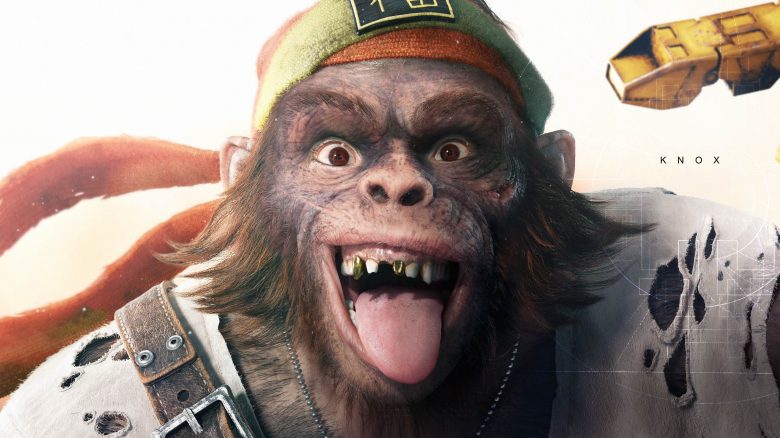
This group circulated comics about him portraying Ancel as someone who makes a lot of money, has his own workspace, but does no work.
In his defense, he also talks about Michel Ancel’s new game, “Beyond Good & Evil 2,” which was presented at E3 2017. Apparently, the game has been in development forever, and progress has been slow.
Ancel releases an old internal email regarding the development of “Beyond Good & Evil 2”: It seems that a prototype was canceled after the team worked on it for two years.
Apparently, following this cancellation, Ancel was accused by others of “not working at all”.
He himself seems to have been frustrated with the circumstances of the cancellation. However, he says that so much work and passion went into the project and that the work was lost due to a “management fiasco.” Ancel justifies how difficult the circumstances of his work were and how much was achieved despite this by helping out on other projects.
It seems to centrally involve the engine “Lyn,” which Ubisoft Montpellier developed in 2009 for the game “Rabbids Go Home” and which internally caused a lot of trouble.
Always trouble with Tintin
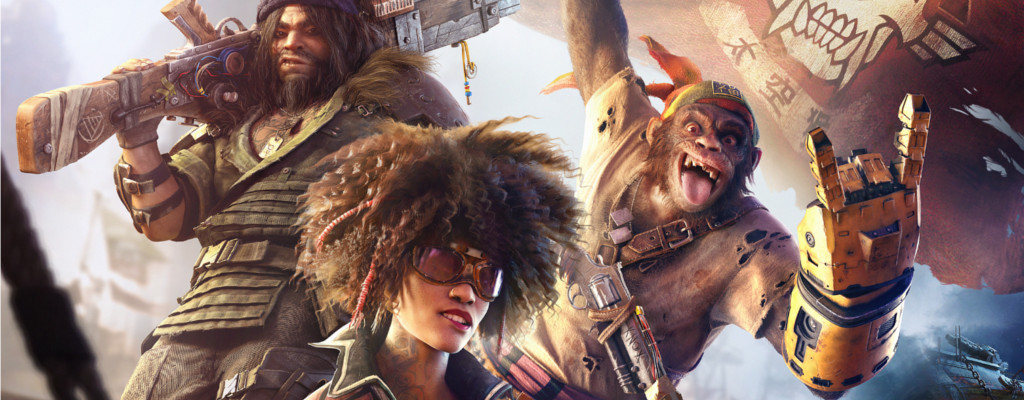
What kind of rivalry is this? Ubisoft Montpellier released the game “The Adventures of Tintin: The Secret of the Unicorn” in 2011: Ancel seems to be in a constant clash with the developers of this game.
Apparently, there was internal trouble at Ubisoft between Michel Ancel’s team, which was working on “Beyond Good & Evil 2,” and the other team.
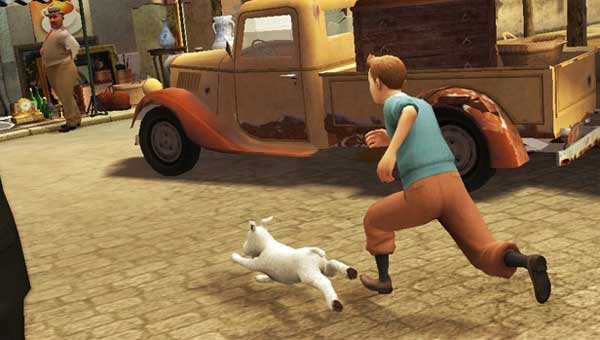
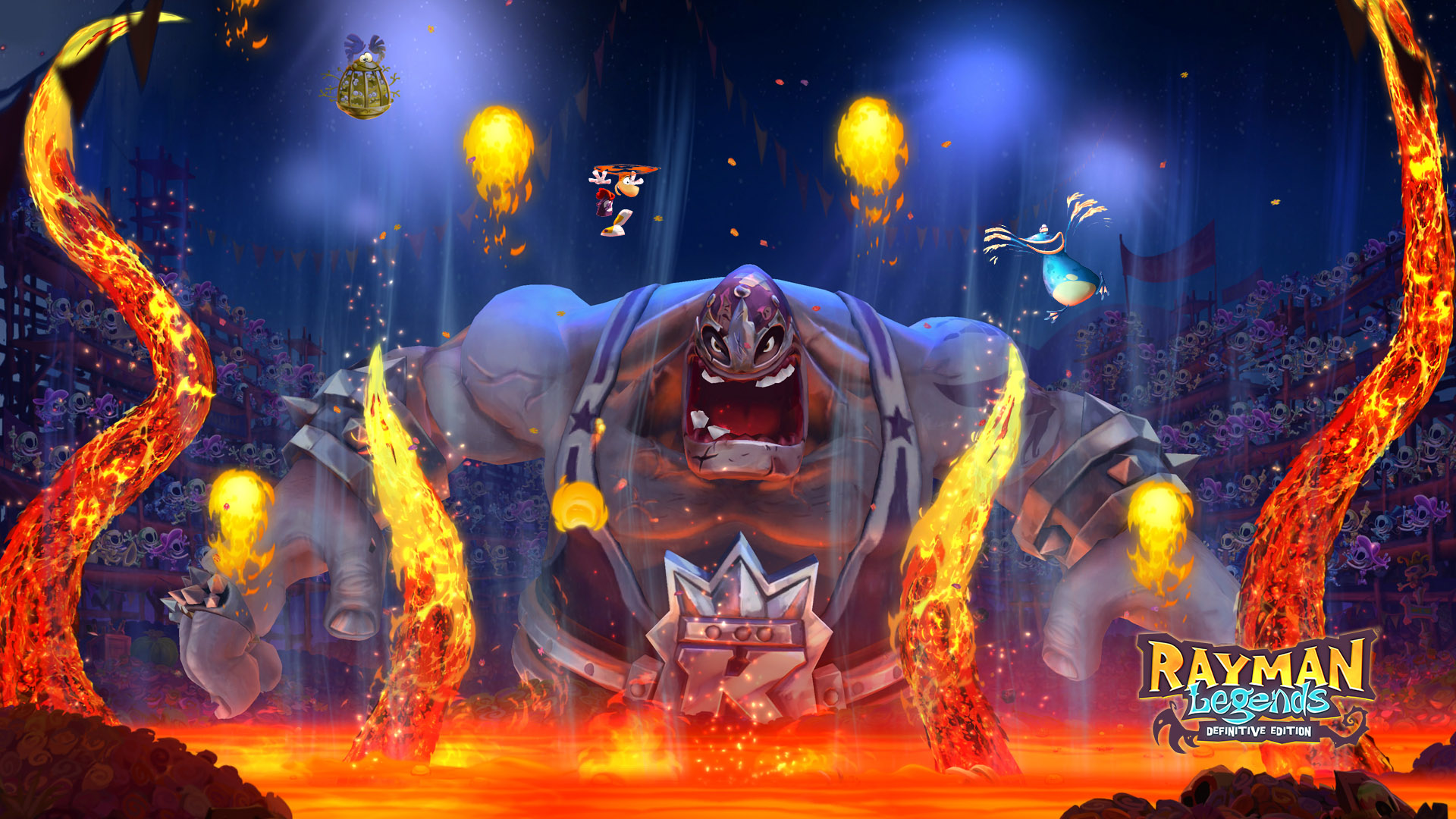
Ancel says that the employees there were jealous of him, and this has only worsened. Because his team later made 2 fantastic games with Rayman Origins (2011, 87% on Metacritic) and Rayman Legends (2013, 92%), while Tintin only scored 59%. That could only have caused more trouble.
Apparently, accusations circulated that Ancel was not working properly, had moved away, and similar. Against these accusations, Ancel defended himself: He said he left the area because it made him vomit after 2 years. He preferred to leave the “tech stuff” to others.
According to Ancel, the new accusations in the article about him creating a toxic work environment now come from this old source:
- In the past, they sent comics about him
- now they are “manipulating a journalist to destroy him.”
He says these developers have accumulated a lot of frustration and hate. Some left Ubisoft to create their own things, but then returned to Ubisoft, broken, to continue earning money there. Some could not cope when challenged during the development of a game.
There was probably a reboot of Beyond Good & Evil 2
What does that say about Beyond Good & Evil 2? Apparently, the project had been in development before 2010, but was then cancelled and later restarted.
It seems that Ancel was making the two Rayman games in between, for which he is so proud of their Metacritic ratings, and then resumed work on Beyond Good & Evil 2 in 2013.
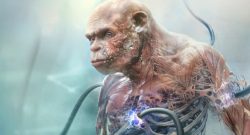
What does that say about WiLD? These internal details explain a bit more why Ancel introduced a completely different project with WiLD in 2014 – it was probably his “private side project,” while he had been thinking about Beyond Good & Evil 2 for a long time.
Ancel founded his own studio, “Wild Sheep Studios,” in 2014, but remained Creative Director at Ubisoft Montpellier: The structure seemed pretty strange back then. Now it becomes clearer that there was indeed a complicated situation behind it.
A “Creative Director” who doesn’t come into the studio anymore because he feels sick and meanwhile develops another game: That can certainly cause unrest.
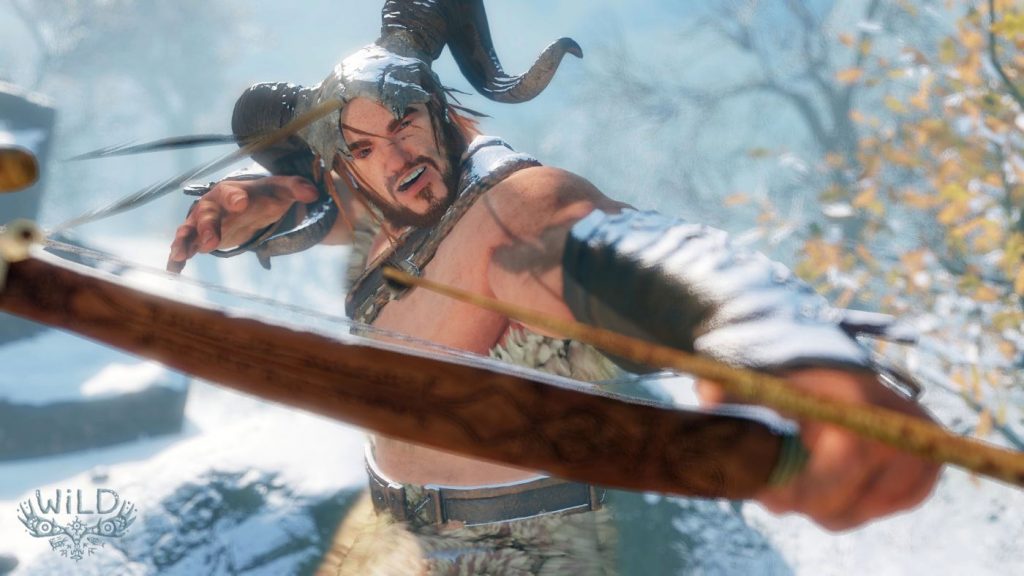
What’s behind this: The exciting part here is that you get internal insights into the workflows of a studio. The conflicts seem similar to those in other companies:
- Teams critically eye each other, in the spirit of: “He thinks he’s better than us – he’ll see what he’s got out of it.”
- There are tensions between “games coming out soon” and “projects that still take forever.”
- Conflicts simmer under the surface until they eventually escalate.
- Metacritic seems to be the “objective measure” among developers to determine whether one has worked well or not – Metacritic summarizes the opinions of international gaming press.
Now we only have some insights and one side of the story from the documents, but apparently, Ubisoft Montpellier has not been a harmonious working place for all involved in the last 10 years.
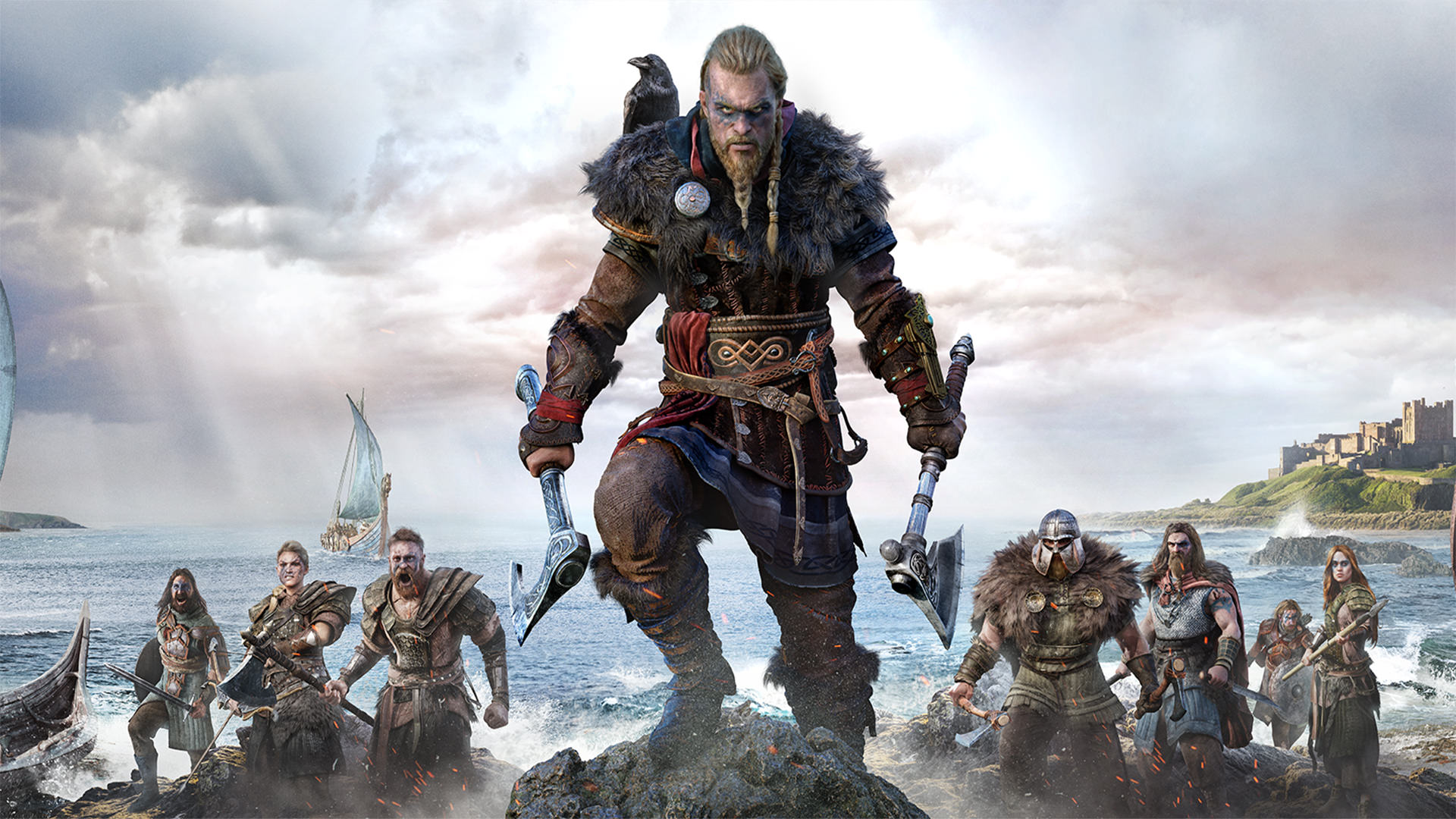
The French publisher Ubisoft has long been regarded as the European counterpart to US studios, placing more value on the art in video games and focusing on a creative approach. However, this image has been shaken in recent months.
Some details about internal processes at Ubisoft have come to light that have already led to consequences:
Insider report paints a grim picture of Ubisoft – sexism as a system
It seems to centrally involve the engine “Lyn,” which Ubisoft Montpellier developed in 2009 for the game “Rabbids Go Home” and which internally caused a lot of trouble.
Always trouble with Tintin
What kind of rivalry is this? Ubisoft Montpellier released the game “The Adventures of Tintin: The Secret of the Unicorn” in 2011: Ancel seems to be in a constant clash with the developers of this game.
Apparently, there was internal trouble at Ubisoft between Michel Ancel’s team, which was working on “Beyond Good & Evil 2,” and the other team.
Ancel says that the employees there were jealous of him, and this has only worsened. Because his team later made 2 fantastic games with Rayman Origins (2011, 87% on Metacritic) and Rayman Legends (2013, 92%), while Tintin only scored 59%. That could only have caused more trouble.
Apparently, accusations circulated that Ancel was not working properly, had moved away, and similar. Against these accusations, Ancel defended himself: He said he left the area because it made him vomit after 2 years. He preferred to leave the “tech stuff” to others.
According to Ancel, the new accusations in the article about him creating a toxic work environment now come from this old source:
- In the past, they sent comics about him
- now they are “manipulating a journalist to destroy him.”
He says these developers have accumulated a lot of frustration and hate. Some left Ubisoft to create their own things, but then returned to Ubisoft, broken, to continue earning money there. Some could not cope when challenged during the development of a game.
There was probably a reboot of Beyond Good & Evil 2
What does that say about Beyond Good & Evil 2? Apparently, the project had been in development before 2010, but was then cancelled and later restarted.
It seems that Ancel was making the two Rayman games in between, for which he is so proud of their Metacritic ratings, and then resumed work on Beyond Good & Evil 2 in 2013.
What does that say about WiLD? These internal details explain a bit more why Ancel introduced a completely different project with WiLD in 2014 – it was probably his “private side project,” while he had been thinking about Beyond Good & Evil 2 for a long time.
Ancel founded his own studio, “Wild Sheep Studios,” in 2014, but remained Creative Director at Ubisoft Montpellier: The structure seemed pretty strange back then. Now it becomes clearer that there was indeed a complicated situation behind it.
A “Creative Director” who doesn’t come into the studio anymore because he feels sick and meanwhile develops another game: That can certainly cause unrest.
What’s behind this: The exciting part here is that you get internal insights into the workflows of a studio. The conflicts seem similar to those in other companies:
- Teams critically eye each other, in the spirit of: “He thinks he’s better than us – he’ll see what he’s got out of it.”
- There are tensions between “games coming out soon” and “projects that still take forever.”
- Conflicts simmer under the surface until they eventually escalate.
- Metacritic seems to be the “objective measure” among developers to determine whether one has worked well or not – Metacritic summarizes the opinions of international gaming press.
Now we only have some insights and one side of the story from the documents, but apparently, Ubisoft Montpellier has not been a harmonious working place for all involved in the last 10 years.
The French publisher Ubisoft has long been regarded as the European counterpart to US studios, placing more value on the art in video games and focusing on a creative approach. However, this image has been shaken in recent months.
Some details about internal processes at Ubisoft have come to light that have already led to consequences:
Insider report paints a grim picture of Ubisoft – sexism as a system
This group circulated comics about him portraying Ancel as someone who makes a lot of money, has his own workspace, but does no work.
In his defense, he also talks about Michel Ancel’s new game, “Beyond Good & Evil 2,” which was presented at E3 2017. Apparently, the game has been in development forever, and progress has been slow.
Ancel releases an old internal email regarding the development of “Beyond Good & Evil 2”: It seems that a prototype was canceled after the team worked on it for two years.
Apparently, following this cancellation, Ancel was accused by others of “not working at all”.
He himself seems to have been frustrated with the circumstances of the cancellation. However, he says that so much work and passion went into the project and that the work was lost due to a “management fiasco.” Ancel justifies how difficult the circumstances of his work were and how much was achieved despite this by helping out on other projects.
It seems to centrally involve the engine “Lyn,” which Ubisoft Montpellier developed in 2009 for the game “Rabbids Go Home” and which internally caused a lot of trouble.
Always trouble with Tintin
What kind of rivalry is this? Ubisoft Montpellier released the game “The Adventures of Tintin: The Secret of the Unicorn” in 2011: Ancel seems to be in a constant clash with the developers of this game.
Apparently, there was internal trouble at Ubisoft between Michel Ancel’s team, which was working on “Beyond Good & Evil 2,” and the other team.
Ancel says that the employees there were jealous of him, and this has only worsened. Because his team later made 2 fantastic games with Rayman Origins (2011, 87% on Metacritic) and Rayman Legends (2013, 92%), while Tintin only scored 59%. That could only have caused more trouble.
Apparently, accusations circulated that Ancel was not working properly, had moved away, and similar. Against these accusations, Ancel defended himself: He said he left the area because it made him vomit after 2 years. He preferred to leave the “tech stuff” to others.
According to Ancel, the new accusations in the article about him creating a toxic work environment now come from this old source:
- In the past, they sent comics about him
- now they are “manipulating a journalist to destroy him.”
He says these developers have accumulated a lot of frustration and hate. Some left Ubisoft to create their own things, but then returned to Ubisoft, broken, to continue earning money there. Some could not cope when challenged during the development of a game.
There was probably a reboot of Beyond Good & Evil 2
What does that say about Beyond Good & Evil 2? Apparently, the project had been in development before 2010, but was then cancelled and later restarted.
It seems that Ancel was making the two Rayman games in between, for which he is so proud of their Metacritic ratings, and then resumed work on Beyond Good & Evil 2 in 2013.
What does that say about WiLD? These internal details explain a bit more why Ancel introduced a completely different project with WiLD in 2014 – it was probably his “private side project,” while he had been thinking about Beyond Good & Evil 2 for a long time.
Ancel founded his own studio, “Wild Sheep Studios,” in 2014, but remained Creative Director at Ubisoft Montpellier: The structure seemed pretty strange back then. Now it becomes clearer that there was indeed a complicated situation behind it.
A “Creative Director” who doesn’t come into the studio anymore because he feels sick and meanwhile develops another game: That can certainly cause unrest.
What’s behind this: The exciting part here is that you get internal insights into the workflows of a studio. The conflicts seem similar to those in other companies:
- Teams critically eye each other, in the spirit of: “He thinks he’s better than us – he’ll see what he’s got out of it.”
- There are tensions between “games coming out soon” and “projects that still take forever.”
- Conflicts simmer under the surface until they eventually escalate.
- Metacritic seems to be the “objective measure” among developers to determine whether one has worked well or not – Metacritic summarizes the opinions of international gaming press.
Now we only have some insights and one side of the story from the documents, but apparently, Ubisoft Montpellier has not been a harmonious working place for all involved in the last 10 years.
The French publisher Ubisoft has long been regarded as the European counterpart to US studios, placing more value on the art in video games and focusing on a creative approach. However, this image has been shaken in recent months.
Some details about internal processes at Ubisoft have come to light that have already led to consequences:
Insider report paints a grim picture of Ubisoft – sexism as a system
The French gaming giant Ubisoft is currently washing its dirty laundry in public. Details from the development of games that originated at Ubisoft Montpellier around 2010 are coming to light. Rayman creator, Michel Ancel, says another team at Ubisoft was envious of his success. Apparently, Beyond Good & Evil 2 was rebooted back then – which caused trouble.
This is the backstory:
- Designer Michel Ancel (Rayman, Beyond Good & Evil) has announced his retirement from the gaming industry after more than 30 years.
- As a farewell, a negative insider report about him appeared on the website of a French daily newspaper: Ancel is said to have created a “toxic work environment”.
- Ancel defends himself against these allegations: He says these accusations come from a small group of Ubisoft employees who are envious of him and full of hate.
We reported extensively about the background of the case already on Monday on MeinMMO.
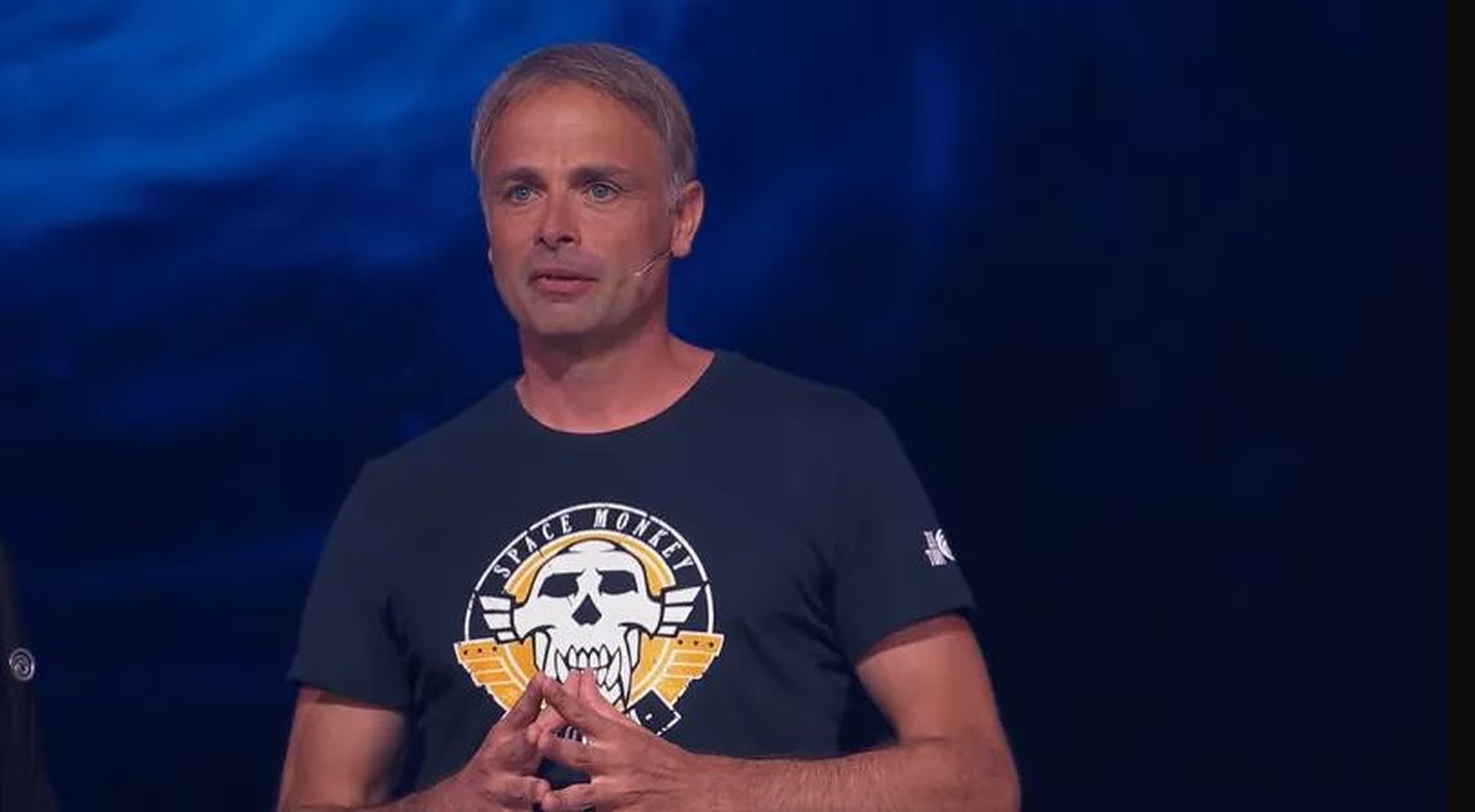
There were nasty comics about Michel Ancel
Ancel says now: On Instagram, Michel Ancel publishes an interview where the character “Jade” from Beyond Good & Evil interviews him. He also presents several “pieces of evidence” demonstrating how things were at Ubisoft Montpellier. These pieces of evidence come from the past; they are 10 years old, he says.
The documents provide insights into internal developments and discussions at Ubisoft Montpellier. The studio was founded in 1994 and is located in a community with 20,000 inhabitants in southern France. It has about 350 employees. Ancel was one of the founders.
Ancel says: There was a group of experienced developers at Ubisoft Montpellier who were full of envy and anger towards him. This has been going on for over 10 years.
It seems that Ancel was making the two Rayman games in between, for which he is so proud of their Metacritic ratings, and then resumed work on Beyond Good & Evil 2 in 2013.
What does that say about WiLD? These internal details explain a bit more why Ancel introduced a completely different project with WiLD in 2014 – it was probably his “private side project,” while he had been thinking about Beyond Good & Evil 2 for a long time.
Ancel founded his own studio, “Wild Sheep Studios,” in 2014, but remained Creative Director at Ubisoft Montpellier: The structure seemed pretty strange back then. Now it becomes clearer that there was indeed a complicated situation behind it.
A “Creative Director” who doesn’t come into the studio anymore because he feels sick and meanwhile develops another game: That can certainly cause unrest.
What’s behind this: The exciting part here is that you get internal insights into the workflows of a studio. The conflicts seem similar to those in other companies:
- Teams critically eye each other, in the spirit of: “He thinks he’s better than us – he’ll see what he’s got out of it.”
- There are tensions between “games coming out soon” and “projects that still take forever.”
- Conflicts simmer under the surface until they eventually escalate.
- Metacritic seems to be the “objective measure” among developers to determine whether one has worked well or not – Metacritic summarizes the opinions of international gaming press.
Now we only have some insights and one side of the story from the documents, but apparently, Ubisoft Montpellier has not been a harmonious working place for all involved in the last 10 years.
The French publisher Ubisoft has long been regarded as the European counterpart to US studios, placing more value on the art in video games and focusing on a creative approach. However, this image has been shaken in recent months.
Some details about internal processes at Ubisoft have come to light that have already led to consequences:
Insider report paints a grim picture of Ubisoft – sexism as a system
It seems to centrally involve the engine “Lyn,” which Ubisoft Montpellier developed in 2009 for the game “Rabbids Go Home” and which internally caused a lot of trouble.
Always trouble with Tintin
What kind of rivalry is this? Ubisoft Montpellier released the game “The Adventures of Tintin: The Secret of the Unicorn” in 2011: Ancel seems to be in a constant clash with the developers of this game.
Apparently, there was internal trouble at Ubisoft between Michel Ancel’s team, which was working on “Beyond Good & Evil 2,” and the other team.
Ancel says that the employees there were jealous of him, and this has only worsened. Because his team later made 2 fantastic games with Rayman Origins (2011, 87% on Metacritic) and Rayman Legends (2013, 92%), while Tintin only scored 59%. That could only have caused more trouble.
Apparently, accusations circulated that Ancel was not working properly, had moved away, and similar. Against these accusations, Ancel defended himself: He said he left the area because it made him vomit after 2 years. He preferred to leave the “tech stuff” to others.
According to Ancel, the new accusations in the article about him creating a toxic work environment now come from this old source:
- In the past, they sent comics about him
- now they are “manipulating a journalist to destroy him.”
He says these developers have accumulated a lot of frustration and hate. Some left Ubisoft to create their own things, but then returned to Ubisoft, broken, to continue earning money there. Some could not cope when challenged during the development of a game.
There was probably a reboot of Beyond Good & Evil 2
What does that say about Beyond Good & Evil 2? Apparently, the project had been in development before 2010, but was then cancelled and later restarted.
It seems that Ancel was making the two Rayman games in between, for which he is so proud of their Metacritic ratings, and then resumed work on Beyond Good & Evil 2 in 2013.
What does that say about WiLD? These internal details explain a bit more why Ancel introduced a completely different project with WiLD in 2014 – it was probably his “private side project,” while he had been thinking about Beyond Good & Evil 2 for a long time.
Ancel founded his own studio, “Wild Sheep Studios,” in 2014, but remained Creative Director at Ubisoft Montpellier: The structure seemed pretty strange back then. Now it becomes clearer that there was indeed a complicated situation behind it.
A “Creative Director” who doesn’t come into the studio anymore because he feels sick and meanwhile develops another game: That can certainly cause unrest.
What’s behind this: The exciting part here is that you get internal insights into the workflows of a studio. The conflicts seem similar to those in other companies:
- Teams critically eye each other, in the spirit of: “He thinks he’s better than us – he’ll see what he’s got out of it.”
- There are tensions between “games coming out soon” and “projects that still take forever.”
- Conflicts simmer under the surface until they eventually escalate.
- Metacritic seems to be the “objective measure” among developers to determine whether one has worked well or not – Metacritic summarizes the opinions of international gaming press.
Now we only have some insights and one side of the story from the documents, but apparently, Ubisoft Montpellier has not been a harmonious working place for all involved in the last 10 years.
The French publisher Ubisoft has long been regarded as the European counterpart to US studios, placing more value on the art in video games and focusing on a creative approach. However, this image has been shaken in recent months.
Some details about internal processes at Ubisoft have come to light that have already led to consequences:
Insider report paints a grim picture of Ubisoft – sexism as a system
This group circulated comics about him portraying Ancel as someone who makes a lot of money, has his own workspace, but does no work.
In his defense, he also talks about Michel Ancel’s new game, “Beyond Good & Evil 2,” which was presented at E3 2017. Apparently, the game has been in development forever, and progress has been slow.
Ancel releases an old internal email regarding the development of “Beyond Good & Evil 2”: It seems that a prototype was canceled after the team worked on it for two years.
Apparently, following this cancellation, Ancel was accused by others of “not working at all”.
He himself seems to have been frustrated with the circumstances of the cancellation. However, he says that so much work and passion went into the project and that the work was lost due to a “management fiasco.” Ancel justifies how difficult the circumstances of his work were and how much was achieved despite this by helping out on other projects.
It seems to centrally involve the engine “Lyn,” which Ubisoft Montpellier developed in 2009 for the game “Rabbids Go Home” and which internally caused a lot of trouble.
Always trouble with Tintin
What kind of rivalry is this? Ubisoft Montpellier released the game “The Adventures of Tintin: The Secret of the Unicorn” in 2011: Ancel seems to be in a constant clash with the developers of this game.
Apparently, there was internal trouble at Ubisoft between Michel Ancel’s team, which was working on “Beyond Good & Evil 2,” and the other team.
Ancel says that the employees there were jealous of him, and this has only worsened. Because his team later made 2 fantastic games with Rayman Origins (2011, 87% on Metacritic) and Rayman Legends (2013, 92%), while Tintin only scored 59%. That could only have caused more trouble.
Apparently, accusations circulated that Ancel was not working properly, had moved away, and similar. Against these accusations, Ancel defended himself: He said he left the area because it made him vomit after 2 years. He preferred to leave the “tech stuff” to others.
According to Ancel, the new accusations in the article about him creating a toxic work environment now come from this old source:
- In the past, they sent comics about him
- now they are “manipulating a journalist to destroy him.”
He says these developers have accumulated a lot of frustration and hate. Some left Ubisoft to create their own things, but then returned to Ubisoft, broken, to continue earning money there. Some could not cope when challenged during the development of a game.
There was probably a reboot of Beyond Good & Evil 2
What does that say about Beyond Good & Evil 2? Apparently, the project had been in development before 2010, but was then cancelled and later restarted.
It seems that Ancel was making the two Rayman games in between, for which he is so proud of their Metacritic ratings, and then resumed work on Beyond Good & Evil 2 in 2013.
What does that say about WiLD? These internal details explain a bit more why Ancel introduced a completely different project with WiLD in 2014 – it was probably his “private side project,” while he had been thinking about Beyond Good & Evil 2 for a long time.
Ancel founded his own studio, “Wild Sheep Studios,” in 2014, but remained Creative Director at Ubisoft Montpellier: The structure seemed pretty strange back then. Now it becomes clearer that there was indeed a complicated situation behind it.
A “Creative Director” who doesn’t come into the studio anymore because he feels sick and meanwhile develops another game: That can certainly cause unrest.
What’s behind this: The exciting part here is that you get internal insights into the workflows of a studio. The conflicts seem similar to those in other companies:
- Teams critically eye each other, in the spirit of: “He thinks he’s better than us – he’ll see what he’s got out of it.”
- There are tensions between “games coming out soon” and “projects that still take forever.”
- Conflicts simmer under the surface until they eventually escalate.
- Metacritic seems to be the “objective measure” among developers to determine whether one has worked well or not – Metacritic summarizes the opinions of international gaming press.
Now we only have some insights and one side of the story from the documents, but apparently, Ubisoft Montpellier has not been a harmonious working place for all involved in the last 10 years.
The French publisher Ubisoft has long been regarded as the European counterpart to US studios, placing more value on the art in video games and focusing on a creative approach. However, this image has been shaken in recent months.
Some details about internal processes at Ubisoft have come to light that have already led to consequences:
Insider report paints a grim picture of Ubisoft – sexism as a system

Your opinion is important to us!
Do you like the article? Then let us know!