

So-called reactions are a popular format: Content creators react to Twitch or YouTube content and share their opinions on it. A YouTuber explained over a year ago why this is problematic – and how it can be done better. What has changed since then?
Why are reactions so popular? For content creators, reactions are practical: compared to their own formats, they require little effort. This is even beneficial twice, as streamers react live on Twitch and then upload the reaction again as a video on YouTube.
Many viewers enjoy reactions. This way, they can consume the original content, exchange thoughts with others in the chat or comments, and also learn the opinions of their favorite content creators.
Sometimes, reactions also help to better understand different points of view. Especially on controversial topics, the reactions of several people can clarify the different perspectives.
In practice, however, reactions often focus on mainstream content. Many content creators react to each other, sometimes also to how others react to them. Others deliberately offer content that is particularly suitable for reactions.
YouTuber incurs loss with his video, others profit from it
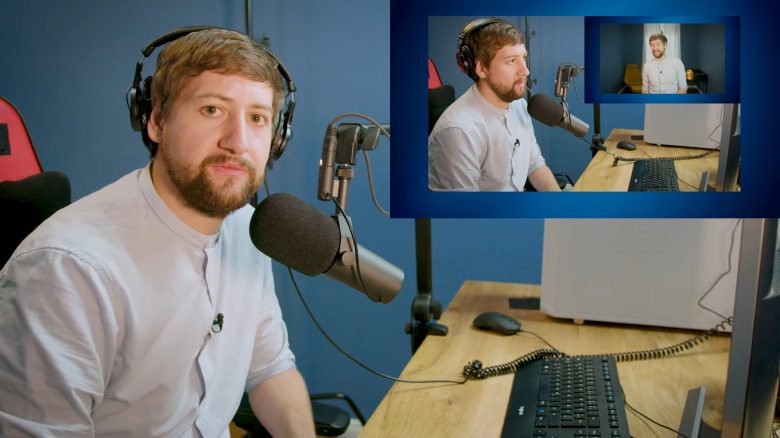
What does the YouTuber say? In a video from October 2021, the YouTuber RobBubble promised to disclose the earnings from his most successful videos. The bitter part: he made a loss with the videos, while others earned from their reactions to his content.
To illustrate this, RobBubble cites his most elaborate video to date: it had been in production for a year, costumes were purchased, an expensive camera was used, and the participants had to be paid.
How expensive the video was, RobBubble cannot say, as it is difficult to calculate the value of his own working time. However, he paid over €3,000 just for editing and the cameraman.
How much did he earn from the video? The original video received 490,000 views, which for his standards is a viral video. The feedback in the comments was also overwhelmingly positive. He earned €279.61, which is far less than the cost of the video.
It was similar with another video: it garnered nearly 307,000 views and earned the YouTuber €962.67 – the reactions brought it to 1.45 million views.
The video where RobBubble talked about the business of reaction streams is embedded here:
Others earn 16 times more with the video than the creator himself
How did the reaction streamers benefit? Since the video by RobBubble was so well received, there were numerous reactions from streamers and YouTubers to it. The largest of these reactions amassed 1.1 million views, which is more than double that of the YouTuber himself.
The YouTuber calculates that others could have earned up to €4,500 with his video, almost 16 times more than he did.
How can that be? RobBubble points out these criticisms of reactions in his video:
- Reactions are usually longer than the original videos. This allows for more advertising to be placed, and reaction videos are preferred by YouTube due to their length.
- Larger streamers and YouTubers often have a higher RPM, that is, revenue per 1,000 views. Even with the same number of views, they earn more money.
- Unlike the original content creator, reaction streamers have no expenses and minimal effort, meaning the earnings are almost pure profit.
- Especially frustrating: if there is a placement in the original video, it is often cut out by the reaction streamers. Therefore, the creator does not even benefit from the increased views for their advertising client. However, those would still count towards the views of the reaction streamer.
- Only a small portion of the viewers go from the reaction to the original content.
YouTuber says he loves reactions, but they need to change
Should reactions stop then? No, at least not if it is up to RobBubble. The YouTuber says he loves reactions and appreciates many of the colleagues who produce them. In fact, he even enjoys watching how others react to his videos.
Good reaction streamers can contextualize the content they view and even enhance it through their insights.
What does he want then? The YouTuber has several suggestions on how the concept of reactions could be made fairer. He has done 90% of the work and 100% of the expenses for a fraction of the profit and subscribers.
This is a problem and would harm everyone in the long run: the content creators themselves, for whom it is no longer worthwhile to produce elaborate videos. But also the viewers, who then have less content to watch, YouTube as a platform, and eventually even the reaction streamers, who have less material for their reactions:
- RobBubble therefore calls for a reaction split: currently, there is only the option to fully claim a video. Then one would demand all earnings from the reaction, which is also not fair.
- Instead, YouTube should implement an option for a 50/50 split for AdSense. The advertising revenue from reaction videos would then be split, while all “surrounding” earnings could be kept by the streamer.
What is the status in 2023?
What has changed since RobBubble’s video? Not much. The video received some reactions, according to the comments, some viewers even came to RobBubble from the reaction. Some streamers followed the YouTuber’s call to indicate how much they earned with reactions to the video.
However, there was no reaction from YouTube, as the proposed split has not been implemented to this day. There will likely be no change in the success of reaction streams and videos for the foreseeable future.
Streamers like Max “Trymacs” Stemmler and Simon “Unge” Wiefels have even created their own channels or formats for their reactions with “TryReact” and “ungeklickt.” However, this can also backfire, as Trymacs recently had to realize:
Twitch streamer Trymacs wants to amuse himself at the expense of others – suddenly, it’s about him

Your opinion is important to us!
Do you like the article? Then let us know!